

Mazda CX-30 Problems: The Real Ownership Experience

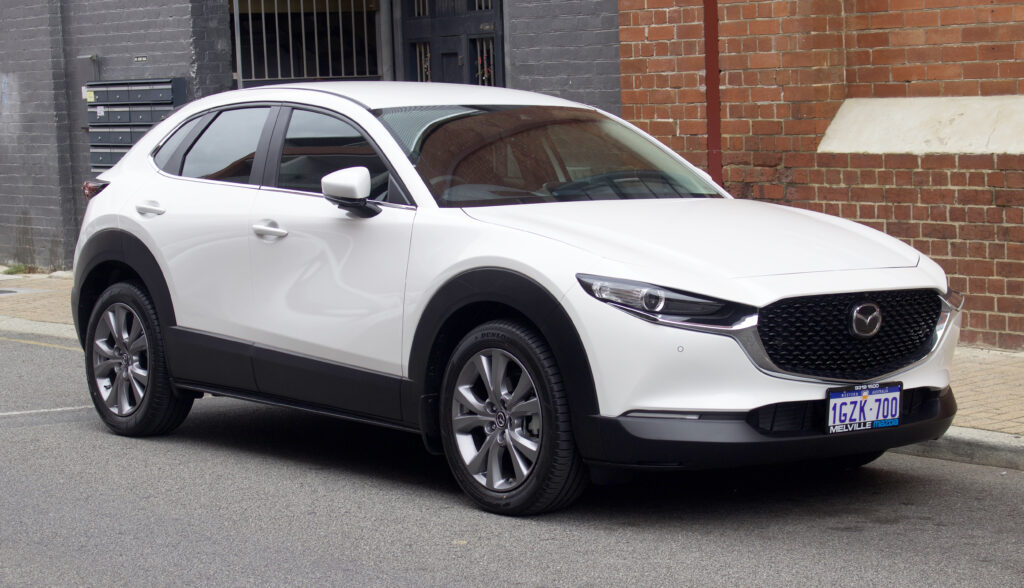
We’ve all been there — standing in a dealership, hand on the door handle, wondering if the car we’re about to fall in love with will still feel like a good decision three years later.
The Mazda CX-30 is one of those cars that wins hearts quickly. It looks expensive, drives like a sporty hatchback disguised as a crossover, and the interior feels almost premium. But ownership is where the real story lives. And yes — even this polished compact SUV has its quirks.
So instead of marketing promises, let’s talk about what actually happens after thousands of miles, winter mornings, potholes, software updates, and daily life.
Below is the full, honest breakdown of Mazda CX-30 problems — not to scare you, but to help you understand what you’re getting into.
Content in this publication
- Why the CX-30 Feels So Good… At First
- Most Common Mazda CX-30 Problems Overview
- Infotainment System Freezing and Rebooting
- Jerky Acceleration at Low Speeds
- Brake Noise and Squealing
- Thin Paint and Rock Chips
- Interior Rattles and Buzzing
- Battery Drain Issues
- Radar and Safety Sensor Errors
- Transmission Hesitation and Hard Shifts
- Wind and Road Noise
- Seat Comfort Complaints
- Engine Carbon Buildup (Direct Injection Engines)
- Painted Piano Black Interior Scratches
- Climate Control Weakness
- Are These Problems Serious?
- Which Model Years Have More Complaints
- Ownership Tips to Avoid Problems
- Is the CX-30 Still Worth Buying?
- Closing Thoughts
- FAQs
Why the CX-30 Feels So Good… At First
Before discussing issues, we need context.
Mazda builds cars differently. They prioritize driving feel over spec sheets. That means:
- Firmer suspension
- Sensitive steering
- High compression engines
- Minimalist electronics philosophy
This design philosophy is why owners love it — and also why certain problems appear.
Most Common Mazda CX-30 Problems Overview
Here’s the quick snapshot of complaints owners report most often:
- Infotainment glitches and freezing
- Jerky low-speed acceleration
- Brake squealing
- Thin paint and chips
- Interior rattles
- Battery drain issues
- Radar / safety sensor errors
- Rough transmission behavior
- Wind noise
- Seat discomfort on long drives
Now let’s dive deep into each.
Infotainment System Freezing and Rebooting
The screen that occasionally forgets it’s a screen
Mazda avoided touchscreens while driving to reduce distraction — admirable idea. But the software sometimes struggles to keep up.
Symptoms owners notice
- Random restarts while driving
- Bluetooth disconnects
- CarPlay not recognized
- Backup camera delay
- Knob input lag
Why it happens
The CX-30 uses a proprietary operating system rather than Android Automotive. It’s stable most days — but when memory caching fills up, the system freezes.
Think of it like a phone that hasn’t been restarted in weeks.
Fixes
- Software updates solve many cases
- Holding volume + back + nav buttons resets system
- Re-pairing phone improves Bluetooth stability
Most issues are annoying, not dangerous — but they definitely break the premium illusion.
Jerky Acceleration at Low Speeds
The “learning transmission” personality
Many drivers panic the first time they creep in traffic.
The car hesitates… then lunges.
What you feel
- Slow response leaving a stop
- Sudden surge at 10-15 km/h
- Parking lot awkwardness
- Hard downshifts
The real reason
Mazda tunes the transmission to stay in higher gears for fuel efficiency. Combined with a high compression engine, throttle input becomes nonlinear.
The car isn’t broken — it’s thinking too much.
Does it go away?
Usually yes.
After 1,500–3,000 km the transmission adapts to driving style. But some owners never fully like the behavior.
Brake Noise and Squealing
When stopping sounds expensive
Many CX-30 owners notice squealing brakes — especially in the morning.
Typical scenarios
- Cold mornings
- Light braking
- Slow rolling stops
- After rain
Why it happens
Mazda uses low-dust brake pads for cleaner wheels. These compounds sacrifice silence for longevity.
So the noise is cosmetic, not mechanical.
Can it be fixed?
Dealers sometimes:
- Apply anti-squeal grease
- Resurface rotors
- Replace pads
But it often returns.
Thin Paint and Rock Chips
Beautiful color, fragile finish
Mazda’s famous paint — especially Soul Red — is stunning. Also delicate.
Owner complaints
- Chips on hood within months
- Door edges easily marked
- Scratches from washing
- Plastic cladding fading unevenly
Why
Mazda uses environmentally friendly water-based paint layers. They’re thinner than traditional coatings.
You may be interested in reading Mazda CX-30 Parking Sensors Not Working — Complete Troubleshooting Guide
Result:
- Gorgeous depth
- Lower durability
Best prevention
- Paint protection film (almost essential)
- Ceramic coating helps slightly
- Avoid automatic car washes
Interior Rattles and Buzzing
The silent cabin that sometimes whispers back
For a car that feels luxury-like, small noises stand out immediately.
Common noise locations
- Passenger door panel
- HUD housing
- Center console
- Seatbelt pillar
- Sunroof frame
Cause
Tight chassis + firm suspension = vibrations transmitted into trim pieces.
It’s not poor build quality — it’s resonance.
Dealer success rate
Mixed. Some rattles vanish with padding, others return seasonally.
Battery Drain Issues
The car that occasionally forgets to sleep
Some owners return after two days… dead battery.
Typical symptoms
- Slow crank after parking
- Battery dead overnight
- Warning lights after start
- Random electrical errors
Known causes
- Connected services modules staying awake
- Faulty door sensors
- Dashcam hardwire installations
- Weak factory battery capacity
Real fix
Often replacing battery with higher capacity solves permanently.
Radar and Safety Sensor Errors
The intelligent safety system that gets confused by weather
Mazda packs the CX-30 with safety tech — but sensors hate real life conditions.
Error messages you may see
- Front radar obstruction
- Smart brake malfunction
- Lane keep unavailable
- Adaptive cruise disabled
Triggers
- Heavy rain
- Fog
- Snow
- Direct sunlight
- Dirty badge emblem
The car becomes overly cautious — like a nervous co-driver.
Reliability impact
No mechanical danger. Just driver assistance temporarily unavailable.
Transmission Hesitation and Hard Shifts
Sporty gearbox… sometimes too honest
Beyond low-speed jerkiness, some owners report:
- Hard 2-3 upshift
- Downshift bump when stopping
- Slight shudder in traffic
Why
Mazda avoids CVTs. The traditional automatic gives better feel but requires adaptation.
The gearbox prioritizes engine braking and efficiency.
Long-term reliability
Actually excellent. It feels rougher than it is.
Wind and Road Noise
At city speeds the CX-30 feels luxurious.
At 120 km/h, things change.
Sources
- Mirror turbulence
- Roof rail airflow
- Tire roar on coarse asphalt
Not terrible — just noticeable compared to softer competitors.
Seat Comfort Complaints
Great posture, mixed long-distance comfort
Mazda designs seats for spine alignment rather than sofa softness.
Some drivers feel
- Lower back pressure after 2 hours
- Firm cushion fatigue
- Narrow seat base
Others say
Perfect ergonomics.
It’s body-shape dependent — not a defect.
Engine Carbon Buildup (Direct Injection Engines)
The invisible long-term issue
The Skyactiv-G engine uses direct injection.
Over time:
- Intake valves collect carbon
- Idle becomes rough
- Fuel economy drops
When it appears
Usually after 60,000–100,000 km
Prevention
- High quality fuel
- Occasional highway drives
- Intake cleaning service later in life
Painted Piano Black Interior Scratches
The center console scratches from:
- Keys
- Fingernails
- Dust wiping
Within months it looks older than the car.
Many owners wrap it with protective film.
You may be interested in readingMazda CX-30 Parking Sensors Not Working — Complete Troubleshooting GuideYou may be interested in reading
 Mazda CX-30 Battery Issues: Causes, Symptoms, Fixes & Long-Term Prevention
Climate Control Weakness
A subtle complaint in hot climates
The air conditioning works… but slowly.
Reasons:
- Small compressor tuning for efficiency
- Cabin materials retain heat
Not a failure — just patience required.
Are These Problems Serious?
Here’s the honest perspective:
Mechanical reliability: Excellent
Electronic annoyances: Moderate
Cosmetic durability: Below average
Driving enjoyment: Above average
The CX-30 rarely strands owners — it just occasionally irritates them.
Which Model Years Have More Complaints
2020–2021
Most software issues and battery complaints.
2022–2023
Improved electronics, fewer infotainment freezes.
2024+
Best refinement so far.
Ownership Tips to Avoid Problems
If we treat the car correctly, most frustrations disappear.
Recommended habits
- Restart infotainment monthly
- Upgrade battery early
- Clean radar emblem weekly
- Use premium fuel occasionally
- Install paint protection
- Let transmission warm up
This car rewards attentive owners.
Is the CX-30 Still Worth Buying?
Here’s the truth:
The Mazda CX-30 is not designed to be invisible transportation.
It’s a driver’s crossover — meaning you feel everything: good and bad.
You trade:
- Some convenience
for - Driving engagement
And many owners happily accept that deal.
Closing Thoughts
Owning a Mazda CX-30 feels a bit like owning a well-tailored jacket.
It fits beautifully. Looks fantastic. Makes you smile.
But it also wrinkles easily and needs care.
Most problems aren’t catastrophic — they’re personality traits. If you want a silent appliance, look elsewhere. If you want a compact SUV that actually feels alive, these quirks become part of the experience.
In the end, the CX-30 isn’t perfect — but perfection was never the goal. Connection was.
FAQs
1. Does the Mazda CX-30 have serious reliability issues?
No. Mechanical failures are rare. Most complaints involve electronics or comfort quirks rather than breakdowns.
2. Why does the CX-30 jerk at low speeds?
The transmission is tuned for efficiency and adapts to driving style. It usually smooths out after several weeks.
3. Is the thin paint a real problem?
Yes cosmetically. The car chips easier than average, but it does not affect rust protection if maintained.
4. How long does the CX-30 transmission last?
Typically very long. Traditional automatics are durable compared to CVTs despite feeling rougher.
5. Should I avoid early model years?
Not necessarily — just ensure software updates and battery replacement have been done.
You may be interested in readingMazda CX-30 Parking Sensors Not Working — Complete Troubleshooting GuideYou may be interested in reading
Mazda CX-30 Battery Issues: Causes, Symptoms, Fixes & Long-Term PreventionYou may be interested in reading
Mazda CX-30 Low Engine Oil Level — Complete Owner’s GuideIf you want to know other articles similar to Mazda CX-30 Problems: The Real Ownership Experience you can visit the category Common Problems.
Volvo XC60 360 Camera Not Working: Complete Troubleshooting & Fix Guide
Volvo XC60 Key Fob Not Working: Causes, Fixes, and Expert Solutions
Volvo XC60 Low Battery Warning: Causes, Fixes, and Prevention Guide
Volvo XC60 No Sound: Causes, Fixes, and Complete Troubleshooting Guide
Volvo XC60 Common Problems: What Owners Really Experience
Volvo XC60 Issues: The Truth Behind This Popular SUV
Leave a Reply
More content of your interest