

Nissan Micra Reliability – A Real-World Guide We Can Trust

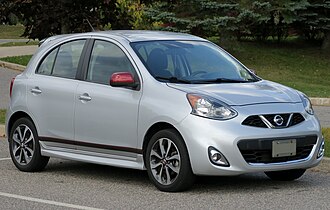
When we talk about small cars that have quietly carried families, students, and first-time drivers through everyday life, the Nissan Micra often sits like a loyal old friend at the kitchen table. We’ve all seen one buzzing through city streets, and many of us have wondered: is the Nissan Micra reliable enough to live with long term? In this guide we walk together through engines, common faults, owner experiences, and maintenance truths so we can judge reliability with open eyes rather than marketing glitter.
Content in this publication
- Why Reliability Matters More Than Horsepower
- A Short Story of the Micra Generations
- Engines We Can Count On
- Gearboxes and Transmissions – Friends or Foes?
- Common Problems We Should Know
- What Real Owners Tell Us
- Maintenance – The Secret Sauce
- How the Micra Compares With Rivals
- Safety and Reliability Connection
- Running Costs – The Friendly Wallet
- Best Years for Reliability
- Years to Approach Carefully
- Buying Used – Our Checklist
- DIY Friendliness
- Long-Term Durability
- Is the Nissan Micra Truly Reliable? – Our Verdict
- FAQs
Why Reliability Matters More Than Horsepower
We believe reliability is the heartbeat of any car. A vehicle can have fancy screens and sporty badges, but if it leaves us stranded on a rainy Tuesday, all that shine fades fast. The Micra has built its reputation not on muscle but on dependability, like a sturdy pair of walking shoes that never complain about the miles.
What We Expect From a Reliable City Car
- Starts every morning without drama
- Affordable parts and simple repairs
- Predictable running costs
- Few electrical gremlins
- Strong resale value
The Micra has traditionally ticked many of these boxes, but let’s dig deeper than surface impressions.
A Short Story of the Micra Generations
Reliability changes with time, just like people. Each Micra generation has its own personality.
K11 (1992–2002) – The Tank on Tiny Wheels
This generation became legendary. Many are still roaming the roads like determined little turtles. Simple engines, minimal electronics, and easy mechanics made them almost indestructible.
K12 (2003–2010) – Cute but Complicated
Here the Micra grew more stylish but also more complex. We started seeing keyless systems and extra electronics that occasionally threw tantrums.
K13 (2010–2016) – Back to Basics
Nissan tried to return to simplicity. Reliability improved, though interior quality felt cheaper.
K14 (2017–Present) – Modern and Mature
The newest Micra is sharper and safer, yet more packed with technology. Reliability remains generally good, but modern features mean more potential weak spots.
Engines We Can Count On
Petrol Units – The Safe Bet
Most Micras run petrol engines, and these have proven the most dependable.
- 1.0 naturally aspirated: simple and tough
- 1.2 four-cylinder: smooth and long-lasting
- 0.9 turbo: punchy but needs careful servicing
We’ve noticed that regular oil changes are like vitamins for these engines; skip them and the Micra loses its cheerful spirit.
Diesel Options – Rare but Frugal
Diesel Micras exist, mainly 1.5 dCi units. They sip fuel like a careful camel in the desert, yet injectors and EGR valves can be sensitive.
Gearboxes and Transmissions – Friends or Foes?
Manual Gearboxes
Generally solid. Clutches can wear if the car lives in heavy city traffic. We suggest listening for crunching between second and third gear on test drives.
You may be interested in reading Is Nissan Micra a Good Car? A Real-World, Honest Look
CVT Automatic
The CVT is comfortable but divides opinions. Some last forever; others need expensive attention. It’s like a moody artist—wonderful when happy, troublesome when not.
Common Problems We Should Know
No car is perfect, and the Micra has its quirks.
Electrical Gremlins
- Keyless entry failures on K12
- Dashboard light glitches
- Window regulator issues
Mechanical Weak Spots
- Timing chain noise on some 1.2 engines
- Suspension knocks from worn bushes
- Exhaust corrosion on older models
Interior Wear
Steering wheel and seat fabrics can age faster than expected, like jeans washed too many times.
What Real Owners Tell Us
We’ve listened to countless drivers, and a pattern emerges.
Positives they mention
- Cheap to run
- Easy to park
- Rare major breakdowns
Complaints they share
- Thin paint
- Road noise
- Occasional sensor faults
Overall, owner satisfaction feels like warm soup on a cold day—comforting and familiar.
Maintenance – The Secret Sauce
A Micra treated well behaves like a grateful pet.
Service Essentials
- Oil every 10,000–12,000 miles
- Quality filters
- Fresh spark plugs
- Brake fluid every two years
Skipping maintenance is like ignoring a leaky roof; small drops become big problems.
How the Micra Compares With Rivals
Against cars like the Fiesta, Polo, and Yaris, the Micra usually lands in the middle-to-high reliability league. It may not feel as premium as a Polo, but it often proves tougher in daily grind.
Safety and Reliability Connection
Modern Micras carry strong safety ratings. Reliable brakes, airbags, and stability systems mean reliability isn’t just about engines—it’s about protecting our families.
Running Costs – The Friendly Wallet
- Insurance groups mostly low
- Excellent fuel economy
- Affordable tires and parts
Owning a Micra feels like shopping at a sensible supermarket rather than a luxury boutique.
You may be interested in readingIs Nissan Micra a Good Car? A Real-World, Honest LookYou may be interested in reading
Is Nissan Micra a Good First CarBest Years for Reliability
If we were choosing with our own money:
- 2000–2002 K11 – bulletproof classics
- 2013–2016 K13 – balanced and dependable
- 2018 onward K14 – modern with good record
Years to Approach Carefully
- Early K12 (2003–2005) due to electrical issues
- High-mileage CVT automatics
- Poorly serviced turbo petrols
Buying Used – Our Checklist
- Cold start without rattles
- Full service history
- Test all electronics
- Look for even tire wear
- Check for water in boot
Think of it as a health check before adopting a new family member.
DIY Friendliness
One charm of the Micra is its approachable nature. Many jobs are simple:
- Air filter change
- Battery replacement
- Bulb swaps
It’s a car that doesn’t mind us getting our hands a little dirty.
Long-Term Durability
We’ve seen Micras exceed 200,000 miles with basic care. They age like sturdy oak trees—maybe not glamorous, but rooted and resilient.
Is the Nissan Micra Truly Reliable? – Our Verdict
After wandering through engines, stories, and spanners, we feel confident saying the Nissan Micra earns its reliability badge. It’s not flawless, yet it offers honest dependability for everyday life. Like a dependable neighbor who always lends a ladder, the Micra shows up when needed.
Closing Thoughts
Reliability isn’t about perfection; it’s about trust. The Micra has spent decades building that trust on streets across the world. If we treat it with respect and timely servicing, it usually returns the favor with years of uncomplicated motoring.
FAQs
1. Is Nissan Micra reliable for first-time drivers?
Yes, its simple mechanics and low costs make it ideal for beginners.
2. Which engine is most reliable?
The 1.2 petrol naturally aspirated unit holds the best record.
3. Are Micra automatics dependable?
CVT can be good if serviced, but manuals are safer choices.
4. Do Micras rust easily?
Older models can show rust on exhaust and wheel arches.
5. What mileage is too high?
With history, even 120k miles can be fine; condition matters more.
Is Nissan Micra a Good Car? A Real-World, Honest LookYou may be interested in reading
Is Nissan Micra a Good First CarYou may be interested in reading
 Ford EcoSport Years to Avoid – Smart Buyer’s Guide
If you want to know other articles similar to Nissan Micra Reliability – A Real-World Guide We Can Trust you can visit the category Blog.
Volvo XC60 Quality: A Deep Dive Into Premium Craftsmanship and Everyday Excellence
Volvo XC60 Reliability by Year: The Complete Owner’s Guide

Which Ford Kuga Engine Is Best? The Ultimate Buyer’s Guide

Pros and Cons Mazda CX-30: The Real-World Ownership Breakdown
Peugeot 308 Years to Avoid: The Ultimate Buyer’s Guide

Dacia Duster Reliability: The Real Story Behind This Budget SUV
Leave a Reply
More content of your interest