

SEAT Leon Reliability: The Honest Long-Term Ownership Guide

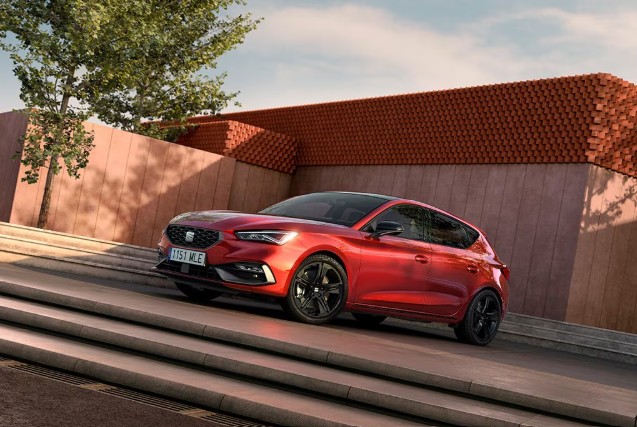
When we talk about modern hatchbacks that balance style, affordability, and driving pleasure, the SEAT Leon always sneaks into the conversation. But here’s the real question most of us care about:
Is the SEAT Leon actually reliable in the long run—or just good-looking on the surface?
Let’s break it down properly. No fluff. No recycled opinions. Just a deep, honest look at reliability from real-world usage, ownership patterns, and engineering DNA.
Content in this publication
- What Does “Reliability” Really Mean for the SEAT Leon?
- A Quick Overview of SEAT Leon Generations
- Is the SEAT Leon Reliable Overall?
- Engine Reliability: The Heart of the Matter
- Gearbox Reliability: Manual vs DSG
- Electrical System Reliability
- Interior and Build Quality Durability
- Most Reliable SEAT Leon Years
- Common Problems You Should Know
- Maintenance: The Secret to Long-Term Reliability
- Running Costs: Is It Expensive to Maintain?
- How Does It Compare to Rivals?
- Real Owner Experience: What People Actually Say
- High Mileage Reliability: Can It Last?
- Is the SEAT Leon Reliable for First-Time Buyers?
- Is the New SEAT Leon (2020+) Reliable?
- Pros and Cons Summary
- Final Verdict: Should We Trust the SEAT Leon?
- Closing Thoughts
- FAQs About SEAT Leon Reliability
What Does “Reliability” Really Mean for the SEAT Leon?
Reliability isn’t just about whether a car starts in the morning. It’s about:
- Consistency over time
- Cost of ownership
- Frequency of repairs
- Longevity of components
- Driving confidence
And here’s the thing—the SEAT Leon performs differently depending on generation, engine, and maintenance habits.
A Quick Overview of SEAT Leon Generations
Understanding reliability starts with knowing which version we’re talking about.
1st Generation (1999–2006)
- Built on early Volkswagen Group platforms
- Solid but dated technology
- Mechanical simplicity = fewer electronic failures
2nd Generation (2006–2012)
- More modern design
- Improved engines
- Introduction of more electronics
3rd Generation (2012–2020)
- Based on MQB platform (same as VW Golf)
- Big jump in reliability and efficiency
- Advanced tech begins to play a bigger role
4th Generation (2020–Present)
- Digital-heavy interior
- Hybrid options introduced
- Reliability depends heavily on software stability
Is the SEAT Leon Reliable Overall?
Let’s not overcomplicate it.
👉 Short answer: Yes, the SEAT Leon is generally reliable—but with conditions.
Where It Excels
- Strong engines (especially diesel and TSI petrol)
- Shared parts with Volkswagen Group
- Good build quality for its price range
Where It Struggles
- Electrical glitches (especially newer models)
- Infotainment bugs
- DSG gearbox issues in some units
Think of it like this:
Mechanically strong, electronically temperamental (sometimes).
Engine Reliability: The Heart of the Matter
Petrol Engines (TSI)
These engines are widely used across VW Group cars.
Pros
- Smooth performance
- Good fuel efficiency
- Reliable if maintained
Common Issues
- Timing chain tensioner (older models)
- Carbon buildup in direct injection engines
👉 Tip: Regular oil changes = longer life.
Diesel Engines (TDI)
If you want durability, diesel Leons are often the go-to.
Pros
- Extremely long-lasting
- Excellent fuel economy
- Proven reliability
Cons
- DPF (Diesel Particulate Filter) issues
- EGR valve clogging
👉 Best for long-distance drivers—not city-only use.
Gearbox Reliability: Manual vs DSG
Manual Transmission
- Highly reliable
- Low maintenance
- Rare major failures
DSG Automatic Gearbox
This is where opinions split.
You may be interested in reading SEAT Leon Models: The Complete Guide to Generations, Trims, and Performance Variants
Pros
- Fast gear changes
- Smooth driving
Cons
- Mechatronic failures
- Clutch wear
- Expensive repairs
👉 Reality check: DSG is great—until it isn’t.
Electrical System Reliability
Modern cars = more tech = more potential issues.
Common Complaints
- Infotainment freezing
- Sensor malfunctions
- Dashboard warning lights
4th Generation Note
The latest Leon has more software-related issues than mechanical ones.
👉 Updates usually fix them—but they can be annoying.
Interior and Build Quality Durability
You might be surprised here.
Strengths
- Solid materials in key areas
- Good ergonomics
- Minimal rattling (if well maintained)
Weak Points
- Touchscreen-heavy controls (latest model)
- Wear on steering wheel and buttons
Most Reliable SEAT Leon Years
Let’s get practical.
Best Years to Buy
- 2015–2019 (3rd Gen facelift)
- Balanced tech and reliability
- Fewer electronic headaches
Years to Approach Carefully
- Early 2013–2014 models (teething issues)
- Early 2020 models (software bugs)
Common Problems You Should Know
No car is perfect—and the Leon is no exception.
Typical Issues
- DSG gearbox faults
- Electrical glitches
- Suspension wear (bushings)
- Turbo issues (rare but possible)
Less Common but Notable
- Water pump leaks
- Battery drain issues
Maintenance: The Secret to Long-Term Reliability
Here’s the truth most people ignore:
👉 A well-maintained Leon is far more reliable than a neglected “reliable car.”
Key Maintenance Tips
- Change oil every 10,000–15,000 km
- Use high-quality fuel
- Keep software updated
- Don’t ignore warning lights
Running Costs: Is It Expensive to Maintain?
Surprisingly, no.
Why It’s Affordable
- Shared parts with Volkswagen
- Widely available components
- Strong aftermarket support
Where Costs Can Spike
- DSG repairs
- Advanced electronics
- Dealer-only fixes
How Does It Compare to Rivals?
Let’s be honest—this matters.
SEAT Leon vs Volkswagen Golf
- Similar reliability
- Leon = cheaper
- Golf = slightly more refined
SEAT Leon vs Ford Focus
- Focus = better handling
- Leon = better engines
SEAT Leon vs Peugeot 308
- Leon = more reliable overall
- Peugeot = more design-focused
Real Owner Experience: What People Actually Say
From forums, reviews, and ownership feedback:
Positive Feedback
- “Never let me down.”
- “Great value for money.”
- “Reliable daily driver.”
Negative Feedback
- “Electronics can be annoying.”
- “DSG repairs are expensive.”
High Mileage Reliability: Can It Last?
Yes—if you treat it right.
Expected Lifespan
- Petrol: 200,000–250,000 km
- Diesel: 300,000+ km
Key Factors
- Maintenance history
- Driving style
- Engine type
Is the SEAT Leon Reliable for First-Time Buyers?
Absolutely—with one condition:
You may be interested in readingSEAT Leon Models: The Complete Guide to Generations, Trims, and Performance VariantsYou may be interested in reading
 Toyota Corolla AE86 Engine Swap – The Ultimate Guide
👉 Choose the right version.
Best Setup for Beginners
- Manual gearbox
- 1.5 TSI or 2.0 TDI engine
- 2016–2019 model year
Is the New SEAT Leon (2020+) Reliable?
This is where things get interesting.
Strengths
- Modern tech
- Hybrid efficiency
- Improved safety
Concerns
- Software bugs
- Touch controls usability
👉 Verdict: Promising, but still maturing.
Pros and Cons Summary
Pros
- Strong engines
- Affordable maintenance
- Good fuel economy
- Fun to drive
Cons
- DSG reliability concerns
- Electrical issues
- Infotainment frustrations
Final Verdict: Should We Trust the SEAT Leon?
Let’s be real.
The SEAT Leon isn’t flawless—but it doesn’t need to be.
It’s like that friend who’s mostly dependable but occasionally forgets something important. Still worth keeping around? Absolutely.
👉 Our verdict:
- Reliable if maintained properly
- Best in mid-generation models
- Avoid risky configurations (DSG + early models)
Closing Thoughts
If we approach the SEAT Leon with realistic expectations, it rewards us with:
- Solid performance
- Manageable ownership costs
- Long-term usability
It’s not just a budget hatchback—it’s a smart choice when chosen wisely.
And maybe that’s the real lesson here:
👉 Reliability isn’t just about the car—it’s about how we own it.
FAQs About SEAT Leon Reliability
1. Is the SEAT Leon more reliable than the VW Golf?
They are very similar since they share components, but the Golf has slightly better refinement.
2. Which SEAT Leon engine is most reliable?
The 2.0 TDI diesel is often considered the most durable.
3. Are DSG gearboxes unreliable in the Leon?
Not always, but they can be costly if they fail. Maintenance is key.
You may be interested in readingSEAT Leon Models: The Complete Guide to Generations, Trims, and Performance VariantsYou may be interested in reading
Toyota Corolla AE86 Engine Swap – The Ultimate GuideYou may be interested in reading
 Does the Toyota Camry Have CVT Transmission?
4. How long does a SEAT Leon last?
With proper care, it can exceed 200,000–300,000 km.
5. Is the 2020 SEAT Leon reliable?
It’s improving, but early models had software-related issues.
If you want to know other articles similar to SEAT Leon Reliability: The Honest Long-Term Ownership Guide you can visit the category Blog.
Ford Mondeo Insurance Group: The Ultimate Cost & Risk Guide
Ford Mondeo Reliability: The Real Truth Behind This Iconic Sedan

Volvo XC60 Quality: A Deep Dive Into Premium Craftsmanship and Everyday Excellence
Volvo XC60 Reliability by Year: The Complete Owner’s Guide

Which Ford Kuga Engine Is Best? The Ultimate Buyer’s Guide

Pros and Cons Mazda CX-30: The Real-World Ownership Breakdown
Leave a Reply
More content of your interest