SEAT Leon warning lights tell us when a system is working, when something needs attention and when it is time to stop. Recognising the symbol is useful, but its colour, whether it flashes and the message beside it are just as important. An oil pressure warning, for example, needs a very different response from an oil-change reminder.
In this guide, we explain the main SEAT Leon dashboard symbols with images, meanings and practical actions. We cover common petrol and diesel warnings, DSG messages and the differences that matter on newer eTSI and e-HYBRID models.
Before matching a symbol: Leon equipment varies by year, engine and market. Not every car has every feature below. Pictures include official SEAT graphics and representative standard symbols; their shape or colour may differ slightly from your instrument cluster. Always read the complete message and use the handbook for your particular vehicle.
We can use colour to judge priority, but it is not a complete diagnosis. A red parking-brake indicator can be normal while parked. A flashing amber engine light can be more urgent than a steady amber service-related warning.
Colour or behaviour
Typical meaning
Our next step
Red fault warning
A serious malfunction or immediate safety concern
Stop safely when instructed and seek assistance.
Amber or yellow
A fault, low fluid level or unavailable system
Read the message and act promptly.
Green
A feature is active or a driver action is requested
Check that the indication matches what we intend to do.
Blue
Usually main-beam lighting
Avoid dazzling other road users.
White or grey
Status, standby or temporary unavailability
Check the associated display information.
Flashing
Either active intervention or a specific fault
Identify the symbol before deciding whether to continue.
Several lamps illuminate briefly when the ignition is switched on. This is normally a self-check. A warning that remains after starting, appears during driving or fails an expected startup check needs a closer look.
Red SEAT Leon Warning Lights: When to Stop
Central Warning Triangle
Read the accompanying message before continuing.The triangle with an exclamation mark points us towards a warning in the display. It is not a diagnosis by itself. A red central warning can accompany a serious fault and a stop instruction; an amber triangle generally identifies a condition requiring attention.Read the complete wording before dismissing it. If several messages are present, address the highest-priority instruction first. Pressing OK may remove the message from view without resolving its cause. Take a photograph only after parking safely, so a technician can see exactly what appeared.
Red Engine Oil Pressure Warning
Stop safely and switch off the engine.The red oil can warns that lubrication pressure may be too low. It does not simply mean a service is due. Continuing to drive, or leaving the engine idling while investigating, can cause serious damage.After securing the car, check the oil level according to the handbook. Add the correct oil if necessary without overfilling, but remember that a normal level does not prove pressure is adequate. If the pressure warning remains or returns, leave the engine off and arrange assistance. Do not repeatedly restart it to see whether the symbol clears.
Engine Coolant Warning
Stop safely, switch off and allow the engine to cool.A red thermometer and waves can indicate excessive coolant temperature or a cooling-system problem. Depending on the version, low coolant may also trigger a warning. Check the display rather than assuming every coolant alert has the same cause.Do not open the coolant reservoir while it is hot. Once it has cooled, inspect the level using the correct procedure and look for obvious leakage without touching hot parts. If the level is correct but the warning persists, the car still needs attention. Continuing with an overheating engine is not a reasonable way to reach the next garage.
Brake System or Brake Fluid Warning
Stop if the warning remains after releasing the parking brake.The brake warning may indicate low brake fluid or a braking-system malfunction. On some older versions, the same general brake symbol also reminds us that the handbrake is applied. Check its status first, but do not dismiss a warning that stays on after release.If pedal travel, pedal firmness or stopping performance changes, stop safely and request help. A brake-fluid top-up is not a complete diagnosis: the underlying reason for a low level must be understood. A red brake warning together with ABS needs particular caution, even if the car still seems to slow normally.
Steering Warning Light
Red: stop safely. Amber: follow the message and arrange inspection if it persists.A steering-wheel symbol can identify a steering-assistance or related steering-system fault. Red requires an urgent response. The wheel may become much heavier or behave differently, so keep firm control while moving to a safe stopping place.An amber indication can sometimes follow a battery disconnection and may clear after the handbook’s specified procedure. It can also identify a genuine fault. Do not keep driving a car that is difficult to control simply because the lamp is amber. Avoid treating an ignition restart as proof that the underlying problem is repaired.
Battery and Electrical Supply Warning
Read the voltage-system message and stop if instructed.A battery-shaped warning while the vehicle is running can concern the charging system or electrical supply. It is not automatically a request to fit a new battery. A vehicle may run briefly on stored power even when its charging system is failing.Newer Leons can distinguish 12-volt, 48-volt and high-voltage-related faults, depending on powertrain. A red stop message takes priority over attempts to finish the journey. Switch off unnecessary consumers while reaching safety, without sacrificing visibility. A successful jump start alone does not establish that the supply system is healthy.
Engine Management and Emissions Warning Lights
Check Engine or Emissions Warning Light
Arrange diagnosis; flashing requires greater urgency.The engine outline indicates a monitored engine or emissions fault. A steady lamp does not identify a particular sensor or component. If the car runs normally and there are no stop instructions, a careful journey for prompt diagnosis may be possible.A flashing lamp can indicate combustion faults that could damage the catalytic converter. Ease off and reduce engine load. If flashing continues, the engine shakes, power falls sharply or unusual smells appear, stop safely and seek assistance. Do not attempt to clear it with hard acceleration or repeatedly erase fault codes before recording them.
EPC Warning Light
Have the petrol engine-control system checked.EPC stands for Electronic Power Control. On petrol Leons, it signals an engine-management problem and may accompany reduced response or limited power. It is different from a maintenance spanner and does not automatically identify a failed throttle body.Check for other lights and note when the warning appeared: starting, accelerating or cruising. If the car cannot accelerate safely into traffic, stop and arrange help. Diagnosis should include the stored codes and relevant checks, rather than replacing parts based only on the three letters on the dashboard.
Diesel Glow Plug Light
Brief preheating can be normal; flashing indicates a diesel engine-management fault.The coil-shaped symbol normally illuminates during diesel preheating. Wait for it to go out before starting when the vehicle’s starting procedure requires this. In mild conditions, it may appear only briefly.If it flashes while driving, do not assume the glow plugs alone are responsible. On the Leon, flashing can indicate a diesel management fault requiring inspection. Record any loss of power, difficult starting or additional warning lamps. Repeatedly switching the ignition off and on is not a substitute for identifying the cause.
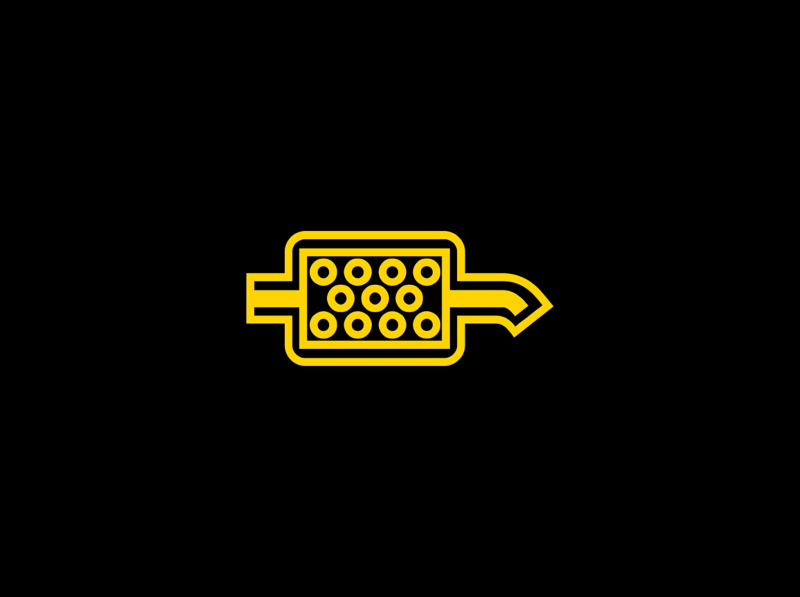
Particulate Filter Warning Light
Follow the engine-specific cleaning instructions if conditions allow.A filter symbol can indicate soot accumulation in an equipped diesel or petrol particulate filter. Frequent short journeys can make regeneration harder to complete. However, a petrol filter and a diesel filter do not necessarily use the same driving procedure.Use the handbook for your exact engine rather than a universal internet instruction about one gear or one road speed. A cleaning drive is inappropriate if there is a stop message, overheating, severe rough running or another condition making the journey unsafe. If the warning does not clear after the prescribed procedure, arrange diagnosis. Exhaust temperatures can be high during regeneration, so avoid parking over dry vegetation or other combustible material.
AdBlue Warning Light
Distinguish low fluid from an SCR system malfunction.Some diesel Leons use AdBlue in their selective catalytic reduction system. An amber warning can ask for a refill within the displayed remaining distance. A system-fault message is different: adding fluid may not repair it.Act before a no-restart countdown runs out. A red low-level indication can mean restarting is no longer possible until the correct minimum quantity has been added. Use the fluid specification and refill procedure in your handbook. Never add AdBlue to the fuel tank, mix it with water or assume all diesel Leons require it. Persistent malfunction messages need a workshop check.
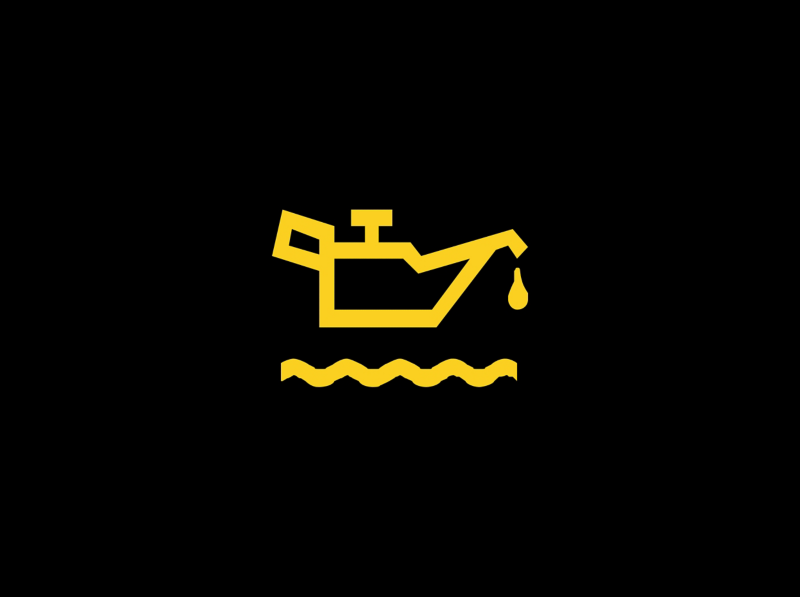
Amber Oil Level or Oil Sensor Warning
Check the oil level; flashing can indicate a sensor fault.An amber oil-can indication is different from the red pressure warning. Depending on its behaviour and the message, it may mean the oil level needs checking or that the level sensor has a fault. Park level and follow the specified waiting and checking procedure.Top up only with oil approved for the engine, adding small amounts and avoiding overfilling. Do not pour in oil simply because the sensor warning flashes when the measured level is already correct. If there is also a red pressure warning, follow the urgent pressure-warning instructions instead.
Brakes, Tyres and DSG Warning Symbols
ABS Warning Light
Drive cautiously only if braking remains normal and no stop warning is present.The ABS light identifies a fault in the anti-lock braking system. Basic braking can remain available, but the wheels may lock under hard braking. Leave more space and arrange a prompt inspection.ABS problems can also affect related systems, including stability control or an indirect tyre-pressure monitor. Several lamps appearing together therefore do not necessarily mean several independent component failures. A red brake warning, abnormal pedal or reduced stopping ability changes the response: stop safely and seek assistance.
Brake Pad Wear Warning
Arrange a brake inspection and replacement where required.On equipped versions, the wear indicator warns that monitored brake pads may have reached their wear limit. It does not mean there is a guaranteed number of miles left, nor does it measure every pad equally.Book an inspection promptly and mention any grinding, vibration or pulling. Do not wait for metal-on-metal noise before acting. The workshop should check the condition of the braking components, rather than simply clear the lamp. If actual braking performance deteriorates, stop driving and obtain assistance.
Tyre Pressure Warning Light
Slow down smoothly, stop safely and check every tyre.The tyre-shaped warning can indicate pressure loss or tyre damage. Avoid sudden steering and braking while finding a suitable place to stop. Check all tyres with a gauge and inspect their condition; appearance alone cannot confirm correct pressure.Many Leons use an indirect pressure-loss system based on wheel-speed information, rather than displaying a measured pressure from each tyre. Inflate cold tyres to the vehicle label for the load, repair any damage, then store the correct values using your model’s menu. Never reset the warning just to hide it. Flashing for about a minute before remaining on can indicate a system fault on applicable versions.
ESC or Traction Control Light
Flashing usually means intervention; steady illumination needs a status check.The skidding-car indicator commonly flashes while stability or traction control is regulating wheel slip. Ease off and adapt your driving to the available grip. Repeated intervention is a reason to reduce demands on the tyres, not to accelerate harder.A steady light can indicate a malfunction or a disabled function, depending on the message and settings. If a fault is reported, the vehicle may have less assistance during a sudden manoeuvre. Arrange inspection and avoid relying on electronics to compensate for worn tyres or excessive speed.
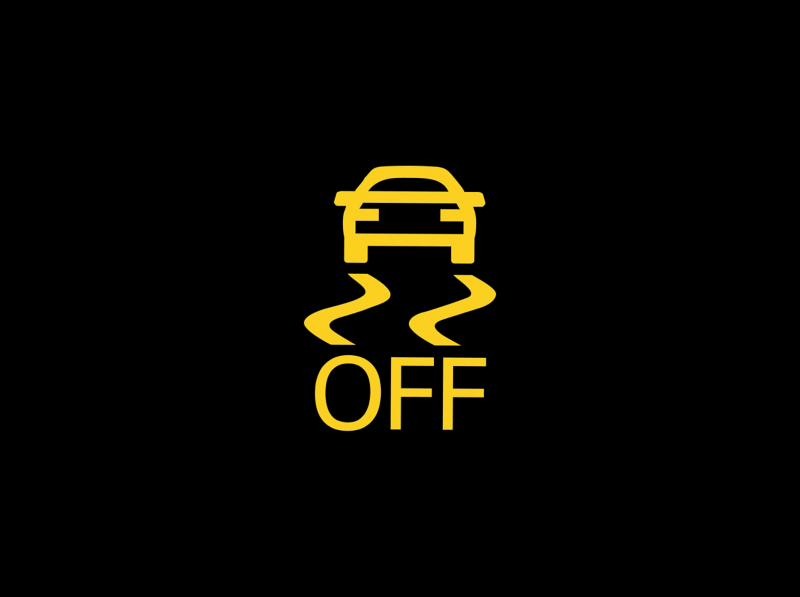
ESC OFF or Sport Mode Indicator
Check whether the setting was selected deliberately.An OFF indication can identify disabled traction control or a changed stability-control setting. The exact functions depend on model and driving mode. It should not be confused with the flashing light that appears during normal intervention.Restore the normal setting for everyday road driving unless the handbook describes a particular reason to use another mode. If the warning appears without a deliberate change or will not clear, look for a system fault message.
Electronic Parking Brake Indicator
A steady applied indication is normal while parked.The P-in-a-circle symbol identifies the electronic parking brake on equipped cars. The applied indication should change when the brake releases. An amber fault message or inability to apply or release the brake needs attention.Do not force the vehicle to move against a brake that remains applied. If the system cannot secure the car, follow the parking instructions in the handbook and request assistance. Auto Hold is a related convenience feature, but its operating indication is not proof that the parking brake has been applied for leaving the vehicle.
DSG or Automatic Gearbox Warning
Follow the exact message; different warnings require different actions.A gearbox warning may concern overheating, restricted operation or a more serious fault. Some messages permit limited driving, while others tell us to stop and select P. There is no single safe response to every DSG symbol.If instructed to stop, park safely and follow the specified cooling or shutdown procedure. Certain clutch-overheat instructions call for cooling with the engine idling, so do not replace the handbook’s instructions with a blanket rule to switch off immediately. If the warning remains, gears are unavailable or the car cannot move safely, arrange assistance. Avoid repeated attempts to force a gear selection.
Occupant Safety and Exterior Lighting
Airbag and Seat Belt Tensioner Warning
Have the restraint system inspected promptly.A persistent airbag warning can indicate a fault in the airbags or belt tensioners. Protection in a collision may be affected even if the car otherwise feels normal. An unexpected failure of the lamp’s startup self-check also needs attention.Do not probe restraint-system connectors or try to repair wiring under the seats without the correct expertise. Explain any recent seat work or collision repair to the technician. A separate passenger-airbag OFF display is a status indication and must be interpreted differently.
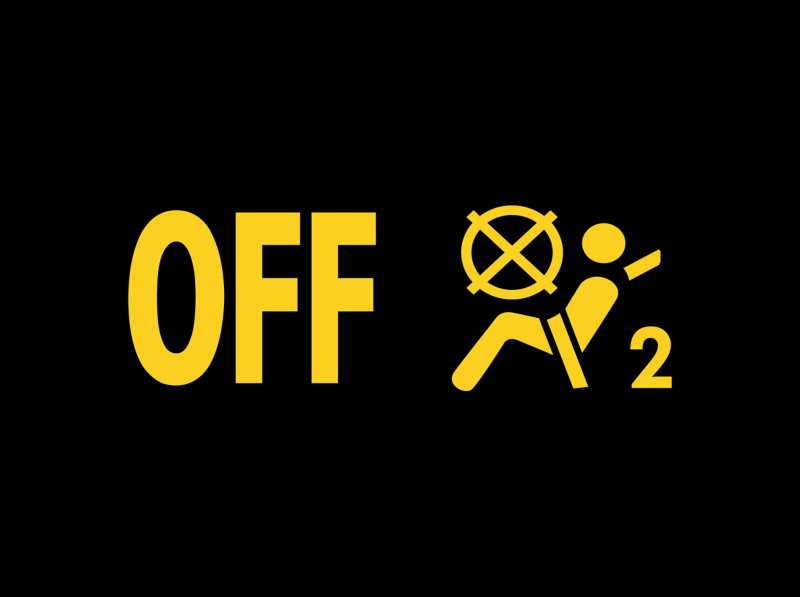
Passenger Airbag OFF Indicator
Confirm that the passenger airbag status is appropriate.This display confirms deactivation of the front passenger airbag where the car provides that function. It is not automatically a restraint-system fault. Check that its status matches the seating arrangement and the child-restraint instructions.Never place a rear-facing child seat in front of an active passenger frontal airbag. If the displayed status is unexpected or cannot be changed as intended, resolve that issue before using the seat in a way that depends on airbag deactivation.
Seat Belt Reminder
Fasten belts correctly before moving.The seat belt symbol and chime remind us to secure occupied-seat belts. Check that each buckle has latched and the belt is correctly positioned. Depending on the equipment, the display may also show rear-seat belt status.If a heavy bag triggers a passenger-seat reminder, secure the bag in a suitable place. Do not use a buckle substitute to silence the system. A reminder that continues with a properly fastened belt should be investigated.
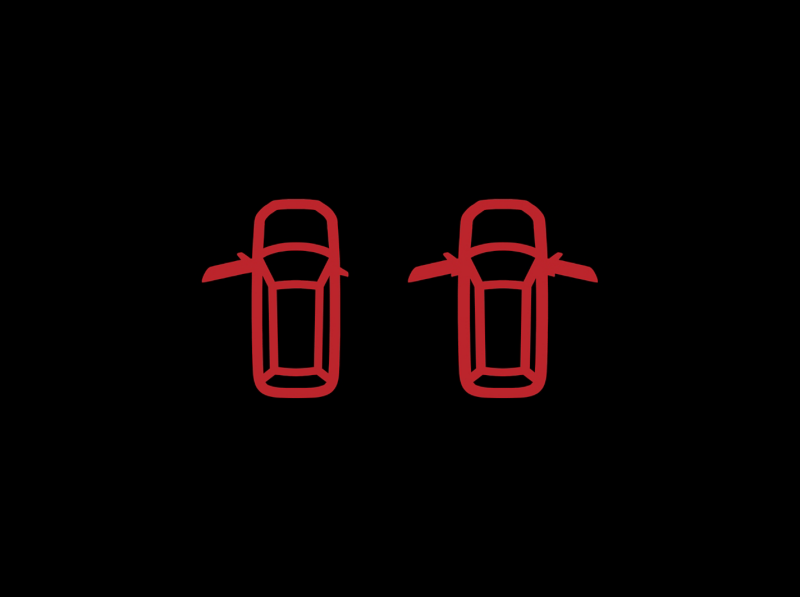
Door, Bonnet or Tailgate Open Warning
Stop and check the indicated opening.The display can show which panel is not fully closed. Pull over safely before checking a door, bonnet or tailgate. Do not reach across the cabin or operate a latch while driving.If a warning stays on after closing, check for an obstruction or a latch problem. An apparently closed bonnet is not necessarily secure. Persistent warnings need diagnosis, particularly when the affected panel cannot be confirmed latched.
Exterior Lighting Fault
Inspect the lights and repair the affected unit.A bulb warning can identify a fault in exterior lighting. Check the message and inspect the relevant lamps while safely parked. Depending on the headlamp system, a repair may involve a replaceable bulb or a different lighting component.Do not assume that a dashboard lighting indicator proves every lamp outside works. Use the correct replacement specification, and avoid driving in darkness with inadequate illumination. If several lighting warnings appear together, the electrical supply or wiring may need checking as well.
Main Beam Indicator
Normal blue indication when full beam is on.The blue headlamp symbol confirms main beam or the headlight flasher. Dip the lights when necessary to avoid dazzling others. Automatic main-beam assistance, where fitted, has a separate status indication and does not remove our responsibility to override it when conditions require.
Rear Fog Light Indicator
Switch off when visibility improves.The rear fog indicator shows that the bright rear fog light is selected. It helps following traffic see the car in seriously reduced visibility. In clearer conditions it can dazzle other drivers, so check its status after leaving fog or heavy spray and follow local lighting rules.
Driver Assistance and Everyday Indicators
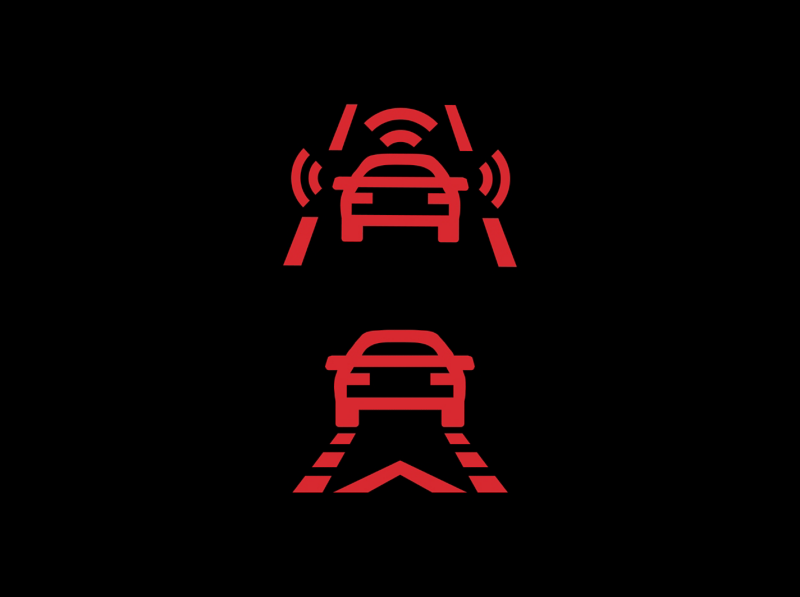
Front Assist Collision Warning
Assess the road immediately and take appropriate action.A collision warning calls attention to an immediate traffic risk. Be ready to brake or steer appropriately; do not study the menus while the situation develops. Front Assist cannot guarantee detection of every obstacle or prevent every collision.An unavailable or disabled-system message is a different condition. Dirt, weather or a fault can limit sensor operation. Once parked, check the relevant exterior areas for obstruction and arrange inspection if the warning persists. Leave extra space while assistance is unavailable.
Lane Assist Indicator
Check whether the system is active, intervening or unavailable.Lane Assist uses dashboard status and lane markings to show its operating condition. On equipped cars, an active indication differs from an amber unavailable warning. Exact colours and graphics vary by cluster.Keep control of the steering and respond immediately to a request to take over. Poor lane markings, bends or camera visibility can affect operation. A recurring fault in otherwise suitable conditions needs attention. Lane assistance is not permission to take your hands off the wheel or look away from the road.
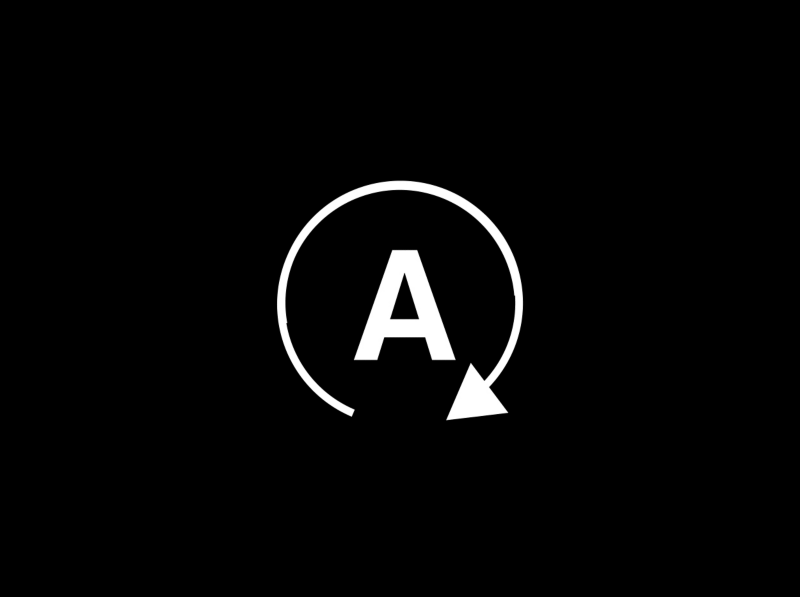
Start-Stop Indicator
Usually a normal operating-status symbol.The A-with-arrow symbol relates to automatic engine stopping on applicable versions. An unavailable indication can simply mean the operating conditions are not met. Battery condition, temperature and cabin requirements can influence whether the engine stops.A fault message needs a separate check. Start-stop does not mean the car has been fully shut down, and the engine can restart automatically. Secure and switch off the vehicle normally before leaving it. Plug-in hybrid engine operation follows its own control strategy and should not be judged by conventional start-stop behaviour alone.
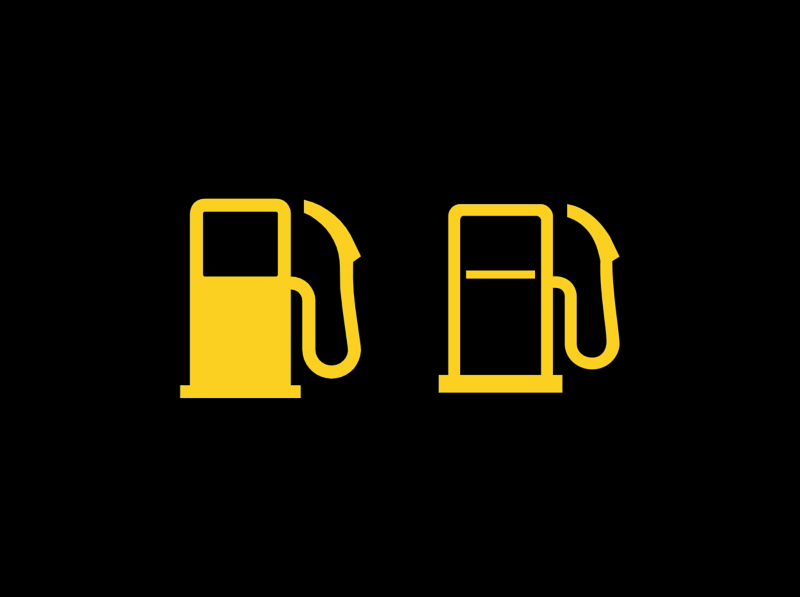
Low Fuel Warning
Refuel promptly with the correct fuel.The fuel-pump symbol indicates that the reserve has been reached. Estimated range changes with traffic, hills and driving style, so it is not a guaranteed distance. Avoid deliberately running the tank dry. On older TGI natural-gas versions, fuel-type and gas-reserve indications require the corresponding handbook instructions.
Low Washer Fluid Warning
Refill with suitable screenwash when safely parked.On equipped Leons, the windscreen-and-spray symbol can indicate a low washer-fluid level. Use an appropriate mixture for the conditions and the correct reservoir. If the warning remains after refilling, check for leakage or a sensing fault. Good visibility matters especially when road spray can quickly cover the windscreen.
Outside Temperature or Ice Warning
Adapt your speed for possible slippery surfaces.The snowflake is an outside-temperature indication, commonly appearing below about 4°C on the versions covered here. It is not an engine overheating warning. Ice can still form at higher displayed temperatures, particularly on bridges and shaded roads, so allow more distance and avoid abrupt inputs.
Service Reminder or Spanner Symbol
Check whether an oil service, inspection or both are due.The maintenance reminder is different from an urgent engine-pressure or brake warning. Check the service display and arrange the required work using the schedule for your engine and service regime.Reset the reminder only after the maintenance has been completed. Clearing a spanner without changing the required fluids or carrying out the inspection can hide useful information from the next driver. A fault message elsewhere on the dashboard still needs its own diagnosis.
SEAT Leon eTSI and e-HYBRID Warnings
Mild Hybrid and Plug-In Hybrid Are Different
An eTSI mild hybrid and an e-HYBRID plug-in use different electrical arrangements. Do not apply plug-in charging instructions to a mild hybrid. Read whether the warning concerns the 12-volt supply, a 48-volt system or the high-voltage drivetrain.
Electric Drive Fault and Reduced Power Messages
On equipped plug-in models, a red drive-system fault requires a safe stop and professional assistance. An amber fault can request a workshop visit, while a limited-power message can relate to battery charge or operating temperature. The wording determines the action; these are not interchangeable warnings.
Do not touch orange high-voltage cables or attempt electrical repairs. If recovering the vehicle, tell the operator it is a plug-in hybrid so the correct procedure is used.
Electric Mode Unavailable and Charging Status
E-MODE can be temporarily unavailable when its operating conditions are not satisfied. Low charge or battery temperature can be relevant, and the petrol engine may start without indicating a breakdown. A charging status display is also different from a charging fault. Check the message before assuming the traction battery needs replacement.
What to Do Before Resetting a SEAT Leon Warning Light
We should first understand why the warning appeared. A reset can be appropriate after completing maintenance or correcting tyre pressures, but it cannot repair a puncture, low oil pressure or a failed component.
Park safely and record the exact symbol, colour and message.
Note whether it appeared at startup or while driving, and whether it flashed.
Check only the simple items that are safe and appropriate, such as cold tyre pressures or fluid levels after cooling.
Follow any stop instruction before considering a restart.
Arrange diagnosis and preserve fault codes before clearing them.
A basic code reader may access engine faults without reading airbag, ABS, gearbox or assistance-system modules. Several simultaneous alerts can share an electrical or communication cause, but that is something to investigate rather than assume. The highest-priority warning still determines whether we can continue.
Conclusion
Understanding SEAT Leon warning lights means combining the picture with its colour, behaviour and message. Red oil pressure, cooling, braking and steering faults need prompt, careful action. Other symbols describe normal lighting, assistance settings or routine maintenance.
Use the illustrations to identify the relevant system, then match the response to your Leon’s engine, year and equipment. That helps us avoid unnecessary resets while giving genuine faults the attention they need.
Frequently Asked Questions
1. Can I drive my SEAT Leon with the engine warning light on?
A steady light with normal running and no stop instruction may allow a careful trip for diagnosis. Flashing, rough running or significant power loss requires greater urgency. Reduce load and stop safely if symptoms persist. Other serious warnings take priority.
2. What does EPC mean on a SEAT Leon?
EPC means Electronic Power Control. It relates to petrol engine management and can accompany reduced power. The light does not identify one failed component, so a diagnostic check is needed rather than replacing parts based on the symbol alone.
3. Why is the glow plug light flashing while driving?
On a diesel Leon, a flashing coil can indicate an engine-management fault. It does not necessarily mean that the glow plugs themselves have failed. Arrange diagnosis and note any power loss or other warning messages.
4. How do I reset the SEAT Leon tyre pressure warning?
Inspect the tyres, repair damage and set the correct cold pressures first. Then store or calibrate the values using the procedure for your model’s infotainment system or controls. Resetting an underinflated tyre as the reference can undermine the warning system.
5. Is a red oil light the same as an amber oil light?
No. Red generally concerns oil pressure and requires a safe stop with the engine switched off. Amber can concern oil level or the level sensor, depending on the message and whether it flashes. Never treat a red pressure warning as an ordinary service reminder.
If you want to know other articles similar to SEAT Leon Warning Lights you can visit the category Service and Parts.
Auto Guide
I show you the best reviews of all car brands, the information we collect and show is verified by our mechanics, we hope that everything you read here is useful to buy the car of your dreams





























More content of your interest