

Suzuki Swift Common Gearbox Problems: The Complete Expert Guide to Identifying, Diagnosing, and Fixing Every Transmission Issue

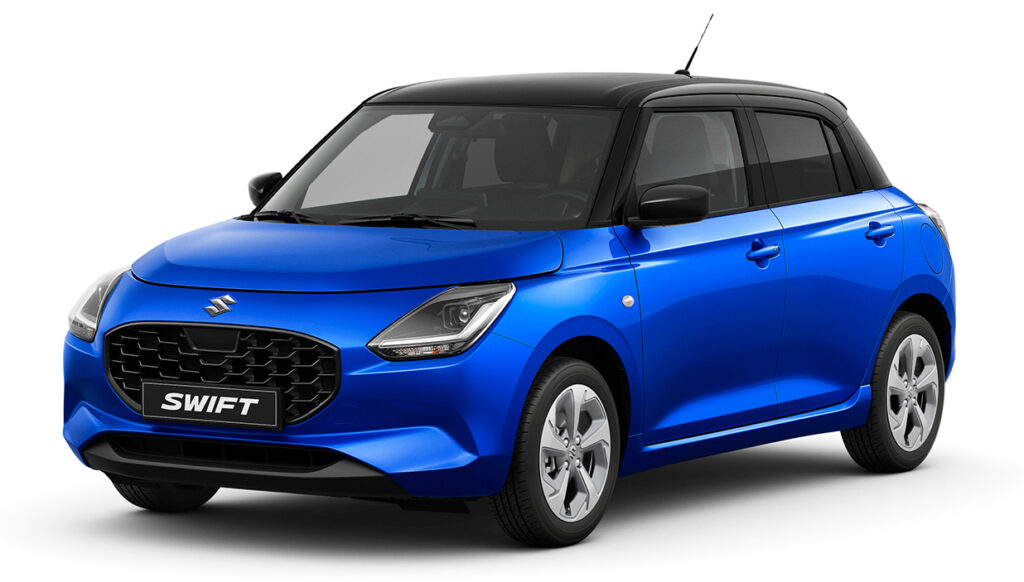
When it comes to small hatchbacks that blend agility, efficiency, and long-term reliability, the Suzuki Swift consistently sits at the top of the list. Yet even its dependable drivetrain isn’t immune to gearbox troubles. Whether you drive a manual, CVT, AGS, or 4-speed automatic, understanding the most common Suzuki Swift gearbox problems—and how to fix them—can save you thousands.
In this definitive guide, we break down every known Swift transmission issue, explain the causes and symptoms, and provide actionable insights to address them before they escalate.
Content in this publication
- Automatic Gearbox Problems (4-Speed, CVT, and AGS)
- Premature Bearing Wear in Automatic Swift Gearboxes
- Stiff or Delayed Gear Engagement
- Unusual Noises from the Gearbox
- Faulty Vehicle Speed Sensor
- Transmission Oil Leaks
- Delayed or Harsh Shifting
- Overheating in Automatic Transmissions
- Slipping or Shuddering Gears
- Electronic Control Unit Failures
- Torque Converter Problems
- Manual Gearbox Problems (5-Speed and 6-Speed Swift Gearboxes)
- Early Warning Symptoms of Suzuki Swift Gearbox Issues
- Most Common Causes of Swift Gearbox Failures
- Recommended Diagnostic Process
- Swift Gearbox Repair Options
- Maintenance Tips to Prevent Future Gearbox Issues
- Final Thoughts
Automatic Gearbox Problems (4-Speed, CVT, and AGS)
Premature Bearing Wear in Automatic Swift Gearboxes
Premature bearing degradation is one of the most widespread issues in early Swift auto units. Drivers typically notice:
- High-pitched whining
- Rough, grinding sensations
- Increasing noise under acceleration
These failures often require a full teardown to replace the damaged bearings before collateral damage spreads through the gearbox.
Stiff or Delayed Gear Engagement
Hard shifts or hesitation when engaging Drive or Reverse suggest internal wear or fluid deterioration. In CVTs, this often points to:
- Belt slip
- Pulley wear
A diagnostic scan will pinpoint solenoid or pressure issues before recommending fluid replacement or component repair.
Unusual Noises from the Gearbox
Grinding, humming, and rattling noises usually stem from:
- Damaged planetary gears
- Failing torque converters
- Reduced lubrication due to leaks
Ignoring these sounds often leads to catastrophic gearbox failure.
Faulty Vehicle Speed Sensor
A malfunctioning speed sensor can cause:
- Erratic shifting
- Limp-mode activation
- Reduced CVT performance
Replacement is straightforward, but leaving the issue unresolved puts added strain on the transmission.
Transmission Oil Leaks
Leaking fluid is common on higher-mileage models. Common sources include:
- Input shaft seals
- CVT cooler lines
- AGS actuator seals
Low fluid levels quickly lead to overheating, clutch wear, and internal scoring.
Delayed or Harsh Shifting
Automatic Swifts may exhibit:
- Slow upshifts
- Sudden kickdown
- Jerky movement from standstill
This typically indicates that the fluid has degraded or the solenoids need recalibration.
Overheating in Automatic Transmissions
Heat is the enemy of any gearbox. Causes often include:
- Blocked cooler lines
- Low fluid levels
- Poor lubrication flow
Overheated CVTs in particular risk belt delamination and pulley scoring.
Slipping or Shuddering Gears
Slipping is an early signal of:
- Worn clutch packs (4-speed)
- Failing torque converter lockup clutch
- CVT belt wear
Prompt intervention prevents further internal damage.
Electronic Control Unit Failures
Automatic Swifts rely heavily on electronic control (TCM/ECU). Common symptoms include:
- Warning lights
- Inconsistent gear selection
- Random limp-mode activation
Software updates or TCM replacement generally resolve the issue.
Torque Converter Problems
A worn torque converter can cause:
- Vibration while accelerating
- Slow engagement
- PNRD gear delays
This component typically requires refurbishment or replacement.
Manual Gearbox Problems (5-Speed and 6-Speed Swift Gearboxes)
Premature Bearing Wear
Similar to auto models, manual Swift transmissions sometimes experience early bearing wear, producing:
- Whining at constant speed
- Grinding during acceleration
Ignoring the noise can eventually damage shafts and gears.
Stiff Gear Changes
Difficulty shifting—especially into 1st, 2nd, or Reverse—typically indicates:
- Gear selector wear
- Poorly adjusted clutch hydraulics
- Damaged shift linkage
Prompt diagnosis avoids escalating component wear.
Synchro Ring Failure
Failing synchronisers are one of the most recognisable Swift manual issues:
You may be interested in reading Suzuki Swift Won’t Start Just Clicks: The Complete Diagnostic & Repair Guide
- Crunching when shifting
- Difficulty engaging gears
- Increased effort selecting 2nd and 3rd
Replacement of synchros restores smooth shifting.
Gear Slippage
If gears pop out under load or while decelerating, causes may include:
- Worn detent springs
- Damaged selector forks
- Excessive shaft free-play
This problem can rapidly worsen if ignored.
Leaking Gearbox Seals
Oil leaks point to:
- Worn driveshaft seals
- Damaged input shaft seals
Maintaining correct oil levels is vital to prevent bearing starvation.
Clutch Drag
Clutch drag leads to:
- Hard gear engagement
- Grinding when selecting Reverse
- Jerky movement in traffic
Adjustment or clutch replacement typically corrects the issue.
Internal Wear and Gearbox Noise
Humming, whining, and rattling sounds often indicate:
- Worn gear teeth
- Damaged bearings
- Shaft misalignment
A full inspection is essential to prevent cascading failures.
Overheating in Manual Transmissions
While less common, overheating can occur due to:
- Low oil
- Incorrect oil grade
- Aggressive driving
Heat-damaged components may need replacement.
Selector Fork Wear
Worn selector forks create:
- Difficult or vague gear selection
- Missed gears
This requires gearbox disassembly and fork replacement.
Input Shaft Bearing Failure
A failing input shaft bearing often generates:
- Rhythmic whirring
- Vibration under load
Replacing the bearing early prevents further internal losses.
Early Warning Symptoms of Suzuki Swift Gearbox Issues
Drivers should watch for any of the following symptoms:
- Unable to select gears, drive, or reverse
- Jerking while driving or dropping out of gear
- Burning smell from gearbox or clutch
- Dashboard gearbox warning light
- Whining, crunching, humming noises
- TCM / mechatronic fault codes
- Delay when selecting Drive or Reverse
- Clutch pedal vibration or inconsistent bite point
Catching these symptoms early dramatically reduces repair costs.
Most Common Causes of Swift Gearbox Failures
Low or Contaminated Fluid
Insufficient lubrication leads to:
- Bearing wear
- Synchro damage
- Overheating
Worn Clutch Components
A dragging or slipping clutch accelerates gearbox and synchro wear.
High Heat Cycles
Urban driving, towing, and stop-start congestion contribute to excessive heat.
Electronic Control Faults
Failed sensors and TCM problems disrupt gear logic and shift pressure.
Manufacturing Weak Points
Certain model years suffer from inherent design weaknesses in bearings, synchros, or CVT belts.
Recommended Diagnostic Process
Step 1: Scan for Fault Codes
Retrieve TCM/ECU codes to detect sensor, solenoid, or mechatronic issues.
You may be interested in readingSuzuki Swift Won’t Start Just Clicks: The Complete Diagnostic & Repair GuideYou may be interested in reading
 The Most Common Renault Captur Problems: Complete Guide to Faults, Symptoms, and Fixes
Step 2: Inspect Fluid Condition
Check:
- Colour
- Smell
- Metal shavings
- Fluid level
Dark or burnt oil indicates overheating or internal damage.
Step 3: Perform a Road Test
Evaluate:
- Shift smoothness
- Delay in engagement
- Noise under load
Step 4: Physical Inspection
Assess:
- Mountings
- Leaks
- Linkage wear
- Driveshaft engagement
Step 5: Internal Assessment
If symptoms persist, the gearbox must be removed and inspected.
Swift Gearbox Repair Options
Reconditioning
A cost-effective choice involving:
- Bearing replacement
- New seals
- Rebuilt synchros
- Renewed clutch packs (autos)
Full Gearbox Rebuild
Ideal when internal damage is severe.
Replacement Gearbox
Best for vehicles with extensive wear or repeated failures.
Software Reprogramming (Auto & CVT)
Corrects TCM/ECU control-logic problems.
Maintenance Tips to Prevent Future Gearbox Issues
Regular Fluid Changes
Follow strict intervals:
- Manuals: every 40,000–50,000 miles
- Autos/CVTs: every 30,000–40,000 miles
Use the Correct Oil Grade
The wrong oil significantly accelerates wear.
Don’t Ignore Early Symptoms
Small noises rapidly evolve into expensive failures.
Adjust or Replace Worn Clutch Components
A healthy clutch protects the entire gearbox.
Keep the Cooling System in Good Condition
Essential for CVT and automatic reliability.
Final Thoughts
The Suzuki Swift remains one of the most practical, dependable hatchbacks on the road—but its gearbox, like any mechanical component, requires attention and timely intervention. Understanding the symptoms, causes, and solutions ensures you maintain a smooth, reliable driving experience while avoiding costly repairs.
You may be interested in readingSuzuki Swift Won’t Start Just Clicks: The Complete Diagnostic & Repair GuideYou may be interested in reading
The Most Common Renault Captur Problems: Complete Guide to Faults, Symptoms, and FixesYou may be interested in reading
 Why Your Renault Captur Won’t Start: The Complete Expert Guide to Diagnosing & Fixing the Problem
If you’re experiencing any of the issues outlined in this guide, prompt diagnosis will protect your Swift from further damage and extend its lifespan.
If you want to know other articles similar to Suzuki Swift Common Gearbox Problems: The Complete Expert Guide to Identifying, Diagnosing, and Fixing Every Transmission Issue you can visit the category Common Problems.
Volvo XC60 360 Camera Not Working: Complete Troubleshooting & Fix Guide
Volvo XC60 Key Fob Not Working: Causes, Fixes, and Expert Solutions
Volvo XC60 Low Battery Warning: Causes, Fixes, and Prevention Guide
Volvo XC60 No Sound: Causes, Fixes, and Complete Troubleshooting Guide
Volvo XC60 Common Problems: What Owners Really Experience
Volvo XC60 Issues: The Truth Behind This Popular SUV
Leave a Reply
More content of your interest