
The Most Common Renault Captur Problems: A Complete Guide

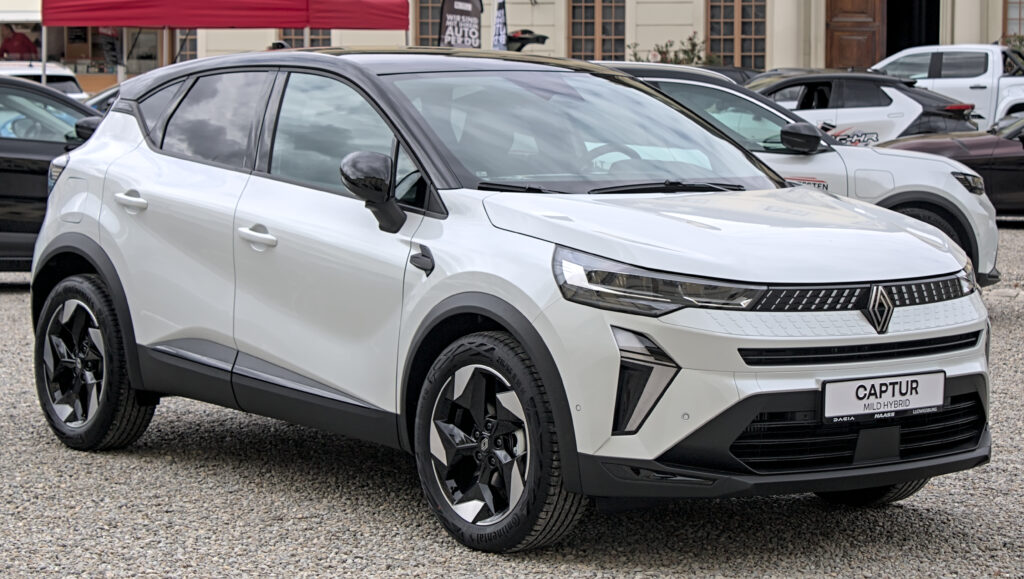
The Renault Captur has become one of Europe's most popular compact SUVs thanks to its stylish design, affordable running costs, comfortable interior and practical dimensions. Since its introduction in 2013, it has attracted drivers looking for a versatile vehicle that combines the convenience of a small hatchback with the raised driving position of an SUV.
However, like any vehicle, the Renault Captur has its share of mechanical and electrical weaknesses. Some owners experience years of trouble-free driving, while others encounter engine problems, automatic gearbox faults, infotainment glitches or expensive repairs.
The good news is that not every Renault Captur suffers from these issues. Reliability depends considerably on the engine, model year, transmission, maintenance history and driving conditions.
In this guide, we'll examine the most common Renault Captur problems, explain their symptoms and possible causes, discuss typical repair costs in the UK and help you identify which versions are worth buying.
Content in this publication
- Is the Renault Captur a Reliable Car?
- 1. Renault Captur 1.2 TCe Engine Problems
- 2. Renault Captur Timing Chain Problems
- 3. Renault Captur EDC Automatic Gearbox Problems
- 4. Renault Captur Electrical Problems
- 5. Renault Captur Infotainment System Problems
- 6. Renault Captur Diesel DPF Problems
- 7. Renault Captur EGR Valve Problems
- 8. Renault Captur Turbocharger Problems
- 9. Renault Captur Start-Stop System Problems
- 10. Renault Captur Air Conditioning Problems
- 11. Renault Captur Suspension Problems
- 12. Renault Captur Clutch Problems
- 13. Renault Captur Battery Problems
- 14. Renault Captur Keyless Entry Problems
- 15. Renault Captur E-Tech Hybrid Problems
- 16. Renault Captur Warning Lights and Dashboard Messages
- Renault Captur Problems by Model Year
- Which Renault Captur Engine Is the Most Reliable?
- Renault Captur Repair Costs in the UK
- Renault Captur Recalls: What Owners Should Check
- How to Check a Used Renault Captur Before Buying
- How to Prevent Common Renault Captur Problems
- Is the Renault Captur Expensive to Maintain?
- Is a Used Renault Captur Worth Buying?
- Frequently Asked Questions About Renault Captur Problems
- Conclusion: Should We Worry About Renault Captur Problems?
Is the Renault Captur a Reliable Car?
The Renault Captur can be a reliable and economical small SUV, particularly when properly maintained and equipped with one of the more dependable engines.
Nevertheless, its reliability record varies between generations.
The first-generation Renault Captur, produced from 2013 to 2019, is generally straightforward to maintain, but certain petrol engines and automatic transmissions require careful inspection.
The second-generation Captur, introduced in 2019 and widely sold from 2020, offers improved interior quality, more advanced technology and hybrid powertrains. However, increased electronic complexity has introduced additional potential problems.
Renault Captur Reliability by Generation
| Generation | Model years | Main problems |
|---|---|---|
| First generation | 2013–2019 | 1.2 TCe oil consumption, timing chain wear, EDC gearbox faults |
| Second generation | 2020–present | Electrical glitches, infotainment faults, software problems |
| Captur E-Tech Hybrid | 2020–present, depending on version | Hybrid system warnings, transmission behaviour, electronic faults |
| Captur 1.5 dCi | Mainly first generation and selected later markets | DPF blockage, EGR faults, diesel injection issues |
| Captur 1.3 TCe | From 2018 | Generally improved engine reliability, with normal turbo and injection-system maintenance needs |
These issues do not affect every vehicle. A well-maintained older Captur may be more dependable than a newer example with a poor maintenance history.
1. Renault Captur 1.2 TCe Engine Problems
One of the most important issues to understand before buying a used Renault Captur is the reliability of the 1.2-litre TCe petrol engine.
The turbocharged 1.2 TCe engine, fitted to certain first-generation Captur models, has a history of excessive oil consumption and potentially serious mechanical damage.
The problem is particularly associated with some engines manufactured during the earlier years of production.
Symptoms of Renault Captur 1.2 TCe Problems
Common warning signs include:
- Engine oil levels dropping between services.
- Frequent oil top-ups.
- Blue smoke coming from the exhaust.
- Rough idling or engine misfires.
- Reduced engine performance.
- Metallic rattling during startup.
- Engine management warning lights.
Excessive oil consumption is especially concerning because the engine may run dangerously low on lubrication before a driver notices an obvious problem.
What Causes Excessive Oil Consumption?
The problem can be associated with piston ring sealing, internal engine wear and other factors affecting oil consumption.
As oil enters the combustion chambers, it burns during normal engine operation.
Over time, this can contribute to carbon deposits, reduced performance and additional mechanical wear.
If the engine regularly operates with insufficient oil, the timing chain and other internal components may also suffer damage.
How Much Does It Cost to Repair?
Repair costs depend on the condition of the engine.
| Repair | Estimated UK cost |
|---|---|
| Engine inspection and diagnostic testing | £80–£200 |
| Investigation of oil consumption | £150–£400+ |
| Timing chain replacement | £600–£1,400 |
| Major internal engine repair | £1,500–£4,000+ |
| Engine replacement | £2,500–£5,000+ |
These are approximate independent-garage estimates rather than guaranteed quotations.
Our recommendation: We would approach an older Renault Captur 1.2 TCe with particular caution. If the seller cannot provide evidence of regular servicing and normal oil consumption, we would consider another engine.
2. Renault Captur Timing Chain Problems
Timing chain wear is another significant issue associated with certain Renault Captur petrol engines, particularly the 1.2 TCe.
The timing chain synchronises the movement of the crankshaft and camshafts, ensuring that the engine's valves open and close at the correct time.
Although timing chains are designed to last a long time, wear, inadequate lubrication or tensioner problems can cause them to become noisy or lose correct tension.
Signs of a Worn Timing Chain
We should pay attention to:
- Metallic rattling when starting the engine.
- Unusual noises from the timing chain area.
- Engine misfires.
- Poor acceleration.
- Difficult starting.
- Engine management warnings.
A brief noise during a cold start does not automatically confirm timing chain failure, but persistent metallic rattling should be professionally investigated.
Can a Timing Chain Failure Damage the Engine?
Yes.
If the chain stretches excessively, jumps timing or fails completely, the engine's internal components can collide.
This may result in bent valves, damaged pistons and substantial repair bills.
A technician should confirm the problem before replacing components because similar noises can originate from other parts of the engine.
How to Prevent Timing Chain Problems
Regular maintenance is essential.
We recommend checking the oil level frequently, using the correct manufacturer-approved engine oil and following the appropriate servicing schedule.
Drivers who regularly make short journeys may also benefit from more frequent oil changes, depending on vehicle use and manufacturer guidance.
3. Renault Captur EDC Automatic Gearbox Problems
The EDC automatic transmission is another area that deserves attention when evaluating Renault Captur reliability.
EDC stands for Efficient Dual Clutch. This transmission uses two clutches to manage gear changes rather than a traditional torque converter.
When operating correctly, it offers relatively quick gear changes and good fuel efficiency.
However, some owners have reported hesitation, shuddering and jerky behaviour, particularly at low speeds.
Common Renault Captur EDC Gearbox Symptoms
Typical complaints include:
- Jerky acceleration when pulling away.
- Vibrations while moving slowly.
- Delayed engagement of drive or reverse.
- Rough gear changes.
- Gearbox warning messages.
- Hesitation in stop-start traffic.
- Unusual noises during gear changes.
Some low-speed behaviour is characteristic of dual-clutch transmissions, but repeated severe shuddering or difficulty engaging gears is not normal.
What Causes EDC Gearbox Problems?
Possible causes include clutch wear, actuator faults, electronic control issues and incorrect clutch adaptations.
Software calibration can also influence how smoothly the transmission behaves.
Importantly, not every automatic Captur uses the same gearbox. The transmission fitted depends on the engine and model year.
Renault Captur Gearbox Repair Costs
| Repair | Estimated UK cost |
|---|---|
| Gearbox diagnostic inspection | £80–£180 |
| Software update or adaptation | £120–£350 |
| Clutch-related repair | £700–£1,600 |
| Actuator or control-system repair | £400–£1,500+ |
| Major gearbox repair | £1,500–£3,000+ |
Before purchasing an automatic Renault Captur, we recommend testing it in slow traffic, during parking manoeuvres and on a hill.
A gearbox that repeatedly shudders or displays warning messages deserves specialist attention before purchase.
4. Renault Captur Electrical Problems
Electrical problems are among the commonly reported complaints on both generations of the Renault Captur.
Modern vehicles rely on numerous sensors, modules and electronic systems, making electrical faults difficult to diagnose without suitable equipment.
The second-generation Captur includes more advanced driver assistance and infotainment technology, which introduces additional areas where faults may occur.
Common Electrical Faults
Owners may encounter:
- Intermittent dashboard warning lights.
- Keyless entry problems.
- Central locking malfunctions.
- Unresponsive touchscreen displays.
- Parking sensor errors.
- Reversing camera problems.
- Battery-related warning messages.
- Malfunctioning electric windows.
These issues can have different causes, and an electrical fault should not automatically be blamed on a defective control module.
Battery and Charging System Problems
A weak 12-volt battery can sometimes trigger several seemingly unrelated warning messages.
This happens because modern vehicle electronics require a stable electrical supply.
Before replacing expensive electronic components, we would check battery condition, charging performance and relevant wiring connections.
A standard 12-volt battery replacement may cost approximately £120–£250 in the UK, depending on the specification and whether battery registration is required.
5. Renault Captur Infotainment System Problems
Infotainment problems are another frequent source of frustration.
Depending on the generation and specification, the Renault Captur may feature MediaNav, R-Link or Easy Link multimedia systems.
These systems provide functions such as navigation, smartphone connectivity, audio controls and vehicle settings.
Typical Infotainment Problems
Reported symptoms include:
- Touchscreen freezing.
- Display becoming unresponsive.
- Bluetooth disconnecting.
- Navigation errors.
- Reversing camera display failures.
- Radio reception problems.
- Slow system startup.
In some cases, the problem may disappear temporarily after restarting the system.
However, repeated failures could indicate outdated software, corrupted settings or a hardware problem.
How to Fix Renault Captur Infotainment Problems
We would begin by checking whether the system has an available manufacturer-approved software update.
Next, we would test whether the problem occurs with different smartphones or without a connected device.
If the fault remains, a Renault specialist can inspect the multimedia unit and related wiring.
Replacing an infotainment unit can be expensive, so attempting appropriate software and diagnostic checks first is worthwhile.
6. Renault Captur Diesel DPF Problems
The Renault Captur 1.5 dCi diesel is often considered a sensible choice for drivers covering longer distances.
However, diesel versions can experience diesel particulate filter problems, particularly when used mainly for short urban journeys.
The diesel particulate filter, or DPF, captures soot particles from exhaust gases.
Periodically, the vehicle needs to regenerate the filter by burning accumulated soot.
Symptoms of a Blocked DPF
Warning signs include:
- DPF warning light.
- Reduced engine power.
- Increased fuel consumption.
- Engine entering reduced-power mode.
- Frequent attempted regenerations.
- Unusual exhaust smells during regeneration.
Short journeys can interrupt the regeneration process before it finishes.
Over time, repeated interrupted regenerations may allow excessive soot to accumulate.
Can We Prevent DPF Problems?
Drivers should follow the vehicle's instructions when a regeneration-related warning appears.
For suitable driving conditions, a sustained journey may help the system complete a regeneration.
However, motorway driving is not a guaranteed cure for an already blocked or faulty DPF.
If a warning remains illuminated or engine performance is significantly reduced, professional diagnosis is necessary.
Renault Captur DPF Repair Costs
Professional DPF cleaning may cost around £200–£450, while replacement can cost £700–£1,600 or more.
Costs vary according to the component, labour and underlying cause.
7. Renault Captur EGR Valve Problems
The exhaust gas recirculation valve, commonly called the EGR valve, is another component that can cause problems on diesel Renault Captur models.
Its purpose is to reduce certain exhaust emissions by recirculating a portion of exhaust gases.
Unfortunately, carbon deposits can accumulate inside the EGR system.
Symptoms of a Faulty EGR Valve
Common signs include:
- Rough engine idle.
- Hesitation during acceleration.
- Reduced power.
- Increased fuel consumption.
- Engine management warning light.
- Excessive exhaust smoke.
A faulty EGR valve may produce symptoms similar to other diesel engine problems.
Consequently, fault-code scanning and mechanical inspection are important before replacing the valve.
Cleaning may resolve certain carbon-related problems, but an electrically or mechanically failed valve may need replacement.
8. Renault Captur Turbocharger Problems
Turbocharger problems are possible on high-mileage or poorly maintained turbocharged Captur engines.
However, we should distinguish between actual turbocharger failure and other problems that produce similar symptoms.
For example, leaking boost hoses, sensor faults and fuel-system problems can all cause reduced acceleration.
Turbocharger Failure Symptoms
Possible symptoms include:
- Significant loss of engine power.
- Unusual whistling or whining.
- Increased exhaust smoke.
- Excessive oil consumption.
- Engine management warnings.
- Reduced turbo boost pressure.
A turbocharger relies on proper lubrication and cooling.
Operating with contaminated oil or insufficient lubrication can shorten its service life.
If turbocharger failure is suspected, a qualified technician should inspect the lubrication system, intake pipes and boost control components before fitting a replacement.
9. Renault Captur Start-Stop System Problems
Some Renault Captur owners report that the automatic start-stop system stops working intermittently.
The system is designed to switch off the engine when the vehicle is stationary and restart it when required.
However, it operates only when specific conditions are satisfied.
Why Does Renault Captur Start-Stop Stop Working?
Possible reasons include:
- Insufficient 12-volt battery charge.
- Engine not reaching the required temperature.
- High electrical demand.
- Climate control requirements.
- Certain environmental conditions.
- Sensor or control-system faults.
A start-stop system that does not activate is not necessarily broken.
For example, the vehicle may deliberately prevent engine shutdown to maintain battery charge or cabin temperature.
However, if warning messages appear or the system repeatedly behaves abnormally, an inspection is advisable.
10. Renault Captur Air Conditioning Problems
Air conditioning faults have also been reported by Renault Captur owners.
These problems may involve insufficient cooling, weak airflow, electronic controls or mechanical failures.
Common Air Conditioning Symptoms
We may notice:
- Air conditioning blowing warm air.
- Cooling performance becoming inconsistent.
- Unusual noises when the system operates.
- Weak airflow through the vents.
- Climate control settings failing to respond.
Possible causes include refrigerant leaks, defective compressors, malfunctioning sensors and ventilation-system issues.
A professional leak test and pressure inspection can help determine whether the system requires repair.
Simply refilling refrigerant without locating an existing leak may only provide a temporary solution.
11. Renault Captur Suspension Problems
Suspension wear is another issue to consider, particularly on older Capturs driven frequently over potholes and uneven roads.
The suspension system includes components such as shock absorbers, springs, bushes, top mounts and anti-roll bar links.
These parts gradually wear with use.
Signs of Suspension Problems
Common symptoms include:
- Knocking noises when driving over bumps.
- Excessive vibration.
- Uneven tyre wear.
- Poor steering stability.
- Clunking when turning.
- Unusual movement over rough surfaces.
Front suspension drop links and top mounts are among the components worth inspecting when knocking noises occur.
How Much Does Suspension Repair Cost?
Minor suspension repairs may cost approximately £120–£350, depending on which components need replacement.
More extensive work involving multiple parts can be significantly more expensive.
We also recommend a wheel alignment inspection after certain suspension repairs.
12. Renault Captur Clutch Problems
Manual Renault Captur models can develop clutch problems as mileage increases.
Clutch lifespan depends heavily on driving habits, road conditions and the amount of stop-start driving.
Frequent hill starts, towing where permitted and heavy urban use can accelerate wear.
Symptoms of a Worn Clutch
Signs include:
- Engine revs increasing without corresponding acceleration.
- Difficulty changing gears.
- Burning smell after manoeuvring.
- Clutch pedal feeling unusual.
- Juddering when moving away.
A slipping clutch generally requires attention because continued driving can damage associated components.
Depending on the engine and whether additional parts need replacing, a clutch repair may cost roughly £500–£1,000 or more.
13. Renault Captur Battery Problems
A weak battery is a relatively ordinary fault, but it can create particularly confusing symptoms in a modern Renault Captur.
Some owners may assume that multiple electronic systems have failed when the underlying issue is inadequate electrical voltage.
Signs of a Weak Battery
- Slow engine cranking.
- Difficulty starting.
- Dashboard displays resetting.
- Start-stop becoming unavailable.
- Intermittent electronic faults.
- Central locking behaving unpredictably.
Battery life depends on climate, usage patterns and vehicle equipment.
Cars driven only for short distances may be more susceptible to insufficient battery charging.
A battery condition and charging-system test should be performed before replacing it.
For E-Tech hybrid models, the conventional 12-volt system and the high-voltage traction battery are separate components and require different diagnostic procedures.
14. Renault Captur Keyless Entry Problems
Some second-generation Renault Captur owners have experienced difficulties with the hands-free keyless entry system.
The system may occasionally fail to unlock or lock the doors as expected.
Possible Causes
These include:
- Low key card battery.
- Vehicle 12-volt battery problems.
- Faulty door-handle sensors.
- Communication problems.
- Electrical wiring faults.
We would first replace the key card battery with the correct type and test the spare key, if available.
If the problem continues, a specialist may need to inspect the vehicle's keyless entry system.
15. Renault Captur E-Tech Hybrid Problems
The Renault Captur E-Tech brought hybrid technology to the model range, offering improved fuel efficiency and electric assistance during urban driving.
However, hybrid vehicles combine petrol engines, electric motors, power electronics and specialised transmissions.
This additional complexity means faults may require more specialised diagnosis.
Commonly Reported Hybrid Complaints
Some owners have described:
- Hybrid system warning messages.
- Unexpected changes in power delivery.
- Unusual transmission behaviour.
- Software-related faults.
- Occasional vibrations.
- Difficulties starting or engaging drive.
These complaints do not establish that every E-Tech Captur is unreliable, and some behaviour may be characteristic of the hybrid powertrain rather than evidence of failure.
Is the E-Tech Gearbox the Same as the EDC?
No.
This is an important distinction.
The E-Tech hybrid uses a specialised multimode transmission that differs from the conventional EDC dual-clutch automatic found in certain non-hybrid models.
Therefore, EDC clutch problems should not automatically be attributed to the E-Tech system.
What Should We Do When a Hybrid Warning Appears?
We recommend recording the exact warning message and arranging a diagnostic inspection with a workshop qualified to work on Renault hybrid vehicles.
If a red stop warning or a serious traction battery or electrical-system fault warning appears, follow the vehicle handbook's safety instructions and stop when it is safe.
High-voltage components should never be opened or repaired by an unqualified person.
16. Renault Captur Warning Lights and Dashboard Messages
Dashboard warnings are an important part of diagnosing Renault Captur problems.
Not every warning indicates a serious mechanical failure, but some require immediate action.
| Warning or message | Possible meaning | Recommended action |
|---|---|---|
| Check injection | Engine management or injection-system fault | Arrange diagnostic testing |
| Check gearbox | Transmission or electronic control fault | Inspect promptly |
| Check anti-pollution system | Emissions control or engine management issue | Investigate fault codes |
| Battery warning | Charging or electrical-system problem | Check the charging system promptly |
| DPF warning | Possible soot accumulation or regeneration issue | Follow handbook instructions |
| Engine overheating | Excessive engine temperature | Stop safely and switch off the engine |
| Brake system fault | Possible braking-system malfunction | Stop safely and seek assistance |
| STOP warning | Potentially serious safety or mechanical fault | Stop as soon as safely possible |
The precise meaning of a message depends on the model year and engine.
We should consult the correct owner's manual rather than assuming that every warning has the same meaning across all Captur versions.
Renault Captur Problems by Model Year
Different Renault Captur model years have different mechanical and electronic characteristics.
The following table provides a general overview rather than a definitive reliability ranking.
| Model years | Issues worth checking | Buying advice |
|---|---|---|
| 2013–2015 | 1.2 TCe oil consumption, timing chain, early recalls | Inspect carefully |
| 2016–2017 | Older 1.2 TCe engine risks, EDC performance, electrical faults | Prioritise service records |
| 2018–2019 | Remaining older-engine versions, EDC faults, electronic equipment | Consider 1.3 TCe models |
| 2020–2021 | Multimedia software, electronics, hybrid operation | Check updates and diagnostics |
| 2022–2024 | Infotainment, keyless entry, warning messages | Check warranty and recall history |
| 2025–2026 | Model-specific software campaigns and emerging faults | Verify current recalls by VIN |
We should avoid assuming that every car from a particular year has the same problems.
The engine code and production date can matter more than the registration year.
Which Renault Captur Engine Is the Most Reliable?
Choosing the correct engine is one of the most effective ways to reduce the risk of expensive repairs.
Renault Captur 0.9 TCe
The 0.9 TCe petrol engine can be a practical option for drivers who mainly travel around town.
It is relatively simple compared with some more powerful alternatives and does not share the same specific oil-consumption reputation as the older 1.2 TCe.
However, it is not particularly powerful, especially when carrying several passengers or driving on motorways.
Renault Captur 1.2 TCe
The 1.2 TCe provides stronger performance than the smaller petrol engine, but its known oil-consumption problems make it a riskier used purchase.
We would not choose this engine without convincing maintenance records and a thorough mechanical inspection.
Renault Captur 1.3 TCe
The newer 1.3 TCe petrol engine is generally considered a significant improvement over the 1.2 TCe.
It offers a useful combination of performance, refinement and everyday practicality.
Although normal turbocharged engine maintenance remains important, it avoids the widespread oil-consumption reputation associated with its predecessor.
For a used petrol Renault Captur, the 1.3 TCe would be one of our preferred choices.
Renault Captur 1.5 dCi
The 1.5 dCi diesel can be economical and durable when maintained properly.
It is particularly suitable for motorists covering longer journeys regularly.
Nevertheless, buyers who drive mostly short distances should consider the risk of DPF and EGR problems.
Renault Captur E-Tech Hybrid
The E-Tech hybrid is attractive for drivers who spend considerable time in urban traffic and want lower fuel consumption.
However, repairs can be more specialised, and checking the hybrid system's condition, fault history and warranty coverage is important.
Renault Captur Repair Costs in the UK
Understanding repair expenses helps us assess whether a used Captur represents good value.
The following prices are broad estimates for UK repairs, and actual quotations will depend on the vehicle, parts, garage and extent of damage.
| Problem | Estimated repair cost |
|---|---|
| Engine diagnostic inspection | £80–£180 |
| 12-volt battery replacement | £120–£250 |
| Suspension component replacement | £120–£350 |
| EGR valve cleaning or replacement | £150–£600 |
| DPF professional cleaning | £200–£450 |
| DPF replacement | £700–£1,600+ |
| Manual clutch replacement | £500–£1,000+ |
| EDC gearbox repair | £700–£3,000+ |
| Timing chain replacement | £600–£1,400 |
| Major engine repair | £1,500–£4,000+ |
| Complete engine replacement | £2,500–£5,000+ |
Preventive maintenance is generally much cheaper than dealing with neglected mechanical problems.
Renault Captur Recalls: What Owners Should Check
In addition to common reliability complaints, certain Renault Captur vehicles have been affected by manufacturer safety recalls.
One notable campaign concerned some early first-generation vehicles whose front wheel arch liners could come into contact with brake hoses, potentially damaging them.
Other campaigns have involved components such as lighting equipment, seat-belt fittings and electrical systems on particular production batches.
More recent vehicles have also been subject to selected software and transmission-related safety campaigns, depending on specification and production date.
Not every Renault Captur is affected.
We recommend checking the vehicle identification number, or VIN, with Renault or the appropriate official recall service.
Recall repairs are normally performed without charge when a vehicle qualifies under an applicable safety campaign.
How to Check a Used Renault Captur Before Buying
A careful inspection can reduce the risk of buying a vehicle with expensive hidden problems.
We recommend the following checks.
1. Inspect the Engine from Cold
Ask the seller not to start the engine before our arrival.
Listen for unusual rattling, inspect the oil level and check for visible leaks.
2. Review the Service History
Look for documented oil changes, routine servicing and evidence that previous problems were repaired correctly.
Incomplete service records are particularly concerning on the older 1.2 TCe engine.
3. Test the Gearbox
During the test drive, check acceleration, low-speed manoeuvring, hill starts and gear changes.
Automatic transmissions should not repeatedly shudder, refuse to engage gears or display fault warnings.
4. Check All Electronic Features
Test the touchscreen, Bluetooth, electric windows, central locking, keyless entry, climate control and reversing camera.
5. Inspect Suspension and Tyres
Listen for knocking noises and examine tyres for uneven wear.
Also review the MOT history for repeated advisories.
6. Perform a Diagnostic Scan
A professional diagnostic inspection can identify stored fault codes, including some that do not currently illuminate a dashboard warning.
7. Verify Outstanding Recalls
Confirm whether any safety campaigns remain incomplete.
8. Consider an Independent Inspection
For an older or higher-mileage Captur, paying for an independent vehicle inspection can be worthwhile.
This is particularly important when purchasing a version with a known expensive engine or transmission issue.
How to Prevent Common Renault Captur Problems
Although not every fault is preventable, regular maintenance can significantly reduce avoidable mechanical problems.
Our main recommendations are:
- Change engine oil according to the correct specification and service schedule.
- Check engine oil levels between services.
- Investigate unusual engine noises promptly.
- Maintain the battery and charging system.
- Avoid ignoring persistent warning lights.
- Follow manufacturer maintenance requirements for the transmission.
- Use diesel models appropriately for their emissions-control systems.
- Keep manufacturer software updates current when applicable.
- Inspect suspension components regularly.
- Use qualified technicians for hybrid-system repairs.
We also recommend keeping all servicing and repair invoices.
A documented maintenance history can improve resale value and give future buyers greater confidence.
Is the Renault Captur Expensive to Maintain?
For routine maintenance, the Renault Captur is generally competitive with other compact SUVs.
Basic servicing, brake replacement, tyres and suspension maintenance are usually manageable expenses.
Parts availability is generally good, particularly for popular first-generation models.
However, major engine or automatic gearbox problems can substantially increase ownership costs.
A relatively inexpensive used Captur with a defective 1.2 TCe engine could ultimately cost more than a newer, better-maintained alternative.
Therefore, we should evaluate the overall condition and mechanical risk rather than focusing exclusively on the purchase price.
Is a Used Renault Captur Worth Buying?
Yes, a used Renault Captur can be a worthwhile purchase, provided we choose the right version.
Its strengths include compact exterior dimensions, good everyday practicality, economical engines and a comfortable driving position.
The sliding rear bench found on many versions also makes the interior particularly versatile for a small SUV.
However, the vehicle is not completely free from reliability concerns.
We would be especially careful with older 1.2 TCe petrol engines showing signs of oil consumption, and automatic models displaying gearbox hesitation or shuddering.
By comparison, a well-maintained 1.3 TCe petrol model can provide a more reassuring ownership proposition.
Diesel versions may be appropriate for drivers who regularly travel longer distances, while E-Tech models can suit urban driving when their electronic and hybrid systems are functioning correctly.
Frequently Asked Questions About Renault Captur Problems
1. What Is the Most Common Problem with the Renault Captur?
Commonly reported Renault Captur problems include electrical glitches, infotainment faults and automatic gearbox hesitation. The most concerning engine-specific issue is excessive oil consumption on certain older 1.2 TCe petrol models. The frequency of each problem depends on the generation, engine and transmission.
2. Which Renault Captur Engine Should We Avoid?
The older 1.2 TCe petrol engine deserves particular caution because of its history of excessive oil consumption and potentially serious engine damage. We would favour a well-maintained 1.3 TCe petrol engine when looking for a later first-generation or second-generation petrol Captur.
3. How Long Can a Renault Captur Last?
A properly maintained Renault Captur may exceed 150,000 miles, and some examples can travel considerably farther. However, there is no guaranteed lifespan. Engine choice, servicing, driving conditions and previous repairs have a major influence on durability.
4. Are Renault Captur Automatic Gearboxes Reliable?
Some Renault Captur automatic gearboxes provide reliable service, but certain EDC dual-clutch models have experienced clutch wear, hesitation and low-speed shuddering. The E-Tech hybrid uses a different transmission design. We recommend testing the exact vehicle carefully and checking its maintenance and repair history.
5. Is the Renault Captur Expensive to Repair?
Routine Renault Captur maintenance is generally affordable compared with many larger SUVs. However, serious engine problems, timing chain repairs and automatic gearbox failures can be expensive. Choosing a well-maintained vehicle with a dependable engine can reduce the likelihood of major repair bills.
Conclusion: Should We Worry About Renault Captur Problems?
The Renault Captur remains an appealing compact SUV for drivers who value practicality, fuel efficiency and affordable everyday motoring.
However, understanding the most common Renault Captur problems is essential before purchasing a used example.
The biggest mechanical concern is the older 1.2 TCe petrol engine, which has been associated with excessive oil consumption and timing chain problems. Certain EDC automatic transmissions also require careful inspection because clutch and gearbox repairs can be costly.
Electrical faults, infotainment glitches, suspension wear and diesel emissions-system problems are other areas worth checking.
Fortunately, these weaknesses do not mean every Renault Captur is unreliable.
A well-maintained model with the 1.3 TCe petrol engine, a suitable 1.5 dCi diesel or a properly functioning E-Tech hybrid system can provide practical and economical transport.
Our advice is simple: prioritise the engine, maintenance history and mechanical condition over the registration year or purchase price.
With the right checks and regular servicing, the Renault Captur can still be a sensible and enjoyable compact SUV to own.
If you want to know other articles similar to The Most Common Renault Captur Problems: A Complete Guide you can visit the category Common Problems.
Volvo XC40 Sound Not Working? Complete Troubleshooting Guide

Mazda Diesel Engine Problems: Common Faults and Fixes
Volkswagen Key Not Detected or No Key Error: Causes and Fixes
Volvo S90 Common Problems: Reliability & Repair Guide
Volvo S90 No Sound: Causes, Fixes and Solutions

Nissan Rogue Smells Like Gas: Causes and Fixes
Leave a Reply
More content of your interest