

Tesla Model 3 Heating Not Working: Causes, Fixes, and Cold Weather Survival Guide

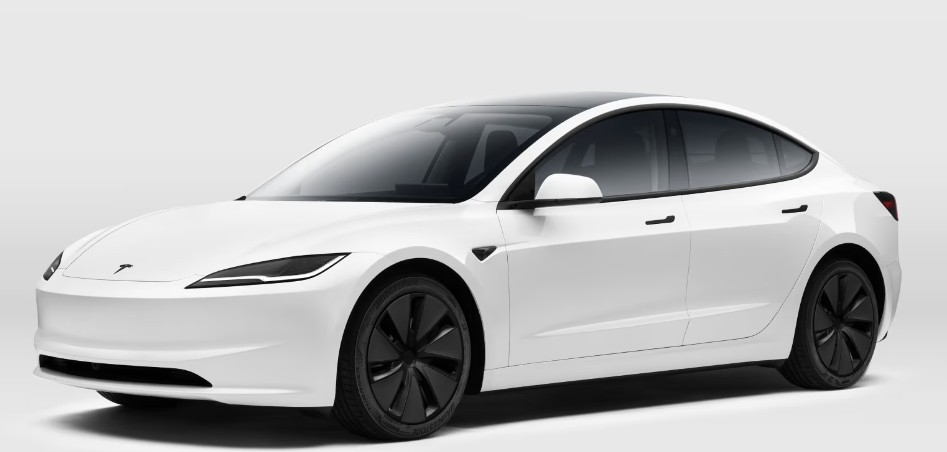
When the heating system in a Tesla Model 3 suddenly stops working, the experience can feel like stepping into a futuristic icebox on wheels. One moment we expect warm air and cozy winter drives, and the next we are gripping the steering wheel with frozen fingers while the windshield fogs like an old cabin in the mountains.
The phrase “Tesla Model 3 heating not working” has become surprisingly common among owners, especially during harsh winters. Whether the issue appears after a software update, during extreme cold, or completely out of nowhere, understanding the root cause can save time, stress, and money.
In this detailed guide, we will break down why the Tesla Model 3 heater fails, how the heating system actually works, the warning signs to watch for, and the most effective fixes available today.
Content in this publication
- Why the Tesla Model 3 Heating System Matters So Much
- How the Tesla Model 3 Heating System Works
- Common Symptoms of Tesla Model 3 Heating Problems
- The Most Common Causes of Tesla Model 3 Heating Failure
- Software Glitches After Updates
- Heat Pump Failure in Cold Weather
- Understanding the Octovalve Problem
- Low Coolant Levels Can Trigger Heating Issues
- Frozen Sensors During Winter
- Blocked Airflow and Cabin Filter Problems
- Tesla Model 3 Heater Not Working After Supercharging
- Can a Weak 12V Battery Affect Cabin Heat?
- DIY Troubleshooting Steps Before Scheduling Service
- When Tesla Service Is Necessary
- Tesla Mobile Service vs Service Center Repairs
- How Much Does It Cost to Fix Tesla Model 3 Heating Problems?
- Is Tesla Covering Heat Pump Failures Under Warranty?
- Cold Weather Habits That Help Prevent Heating Problems
- How Heating Problems Affect Tesla Range
- Can Third-Party Repairs Fix Tesla Heating Issues?
- The Difference Between “No Heat” and “Weak Heat”
- Why Some Tesla Owners Hear Strange Winter Noises
- How Tesla’s Heat Pump Changed EV Winter Driving
- What Owners Say About Tesla Model 3 Heating Issues
- Should Heating Problems Stop You From Buying a Tesla Model 3?
- Final Thoughts on Tesla Model 3 Heating Not Working
- FAQs About Tesla Model 3 Heating Not Working
Why the Tesla Model 3 Heating System Matters So Much
Unlike traditional gasoline cars that reuse engine heat to warm the cabin, the Tesla Model 3 relies entirely on electric systems for climate control.
That changes everything.
In a gasoline car, heat is almost “free” because the engine naturally produces it. In an EV, every bit of warmth comes from battery power. The heating system is not just about comfort. It affects:
- Driving range
- Battery efficiency
- Windshield visibility
- Passenger safety
- Charging performance
When the heater stops working, the entire driving experience changes overnight.
How the Tesla Model 3 Heating System Works
To understand why the heater fails, we first need to understand how Tesla engineered the system.
Older Tesla Model 3 Versions
Early Model 3 vehicles used a traditional resistive heater. This system functioned similarly to a giant electric space heater.
It worked well but consumed substantial energy.
Newer Tesla Model 3 Versions
Modern versions of the Model 3 use a heat pump system instead.
The heat pump acts like a refrigerator operating in reverse. Rather than generating heat directly, it transfers heat from outside air into the cabin and battery system.
This dramatically improves efficiency.
However, it also introduces more complexity.
Common Symptoms of Tesla Model 3 Heating Problems
Heating issues rarely appear without warning. The car usually whispers before it screams.
Here are the most common symptoms owners report:
No Warm Air at All
The vents blow cold air regardless of climate settings.
Heat Works Intermittently
The cabin warms briefly, then suddenly becomes cold again.
Cabin Takes Forever to Heat
The system eventually works, but only after an unusually long delay.
Defroster Stops Working Properly
Windows fog up and visibility decreases.
Loud Heat Pump Noises
Owners sometimes hear:
- Grinding
- Buzzing
- Clicking
- High-pitched whining
Climate Control Error Messages
The touchscreen may display alerts such as:
- “Climate Keeper Unavailable”
- “Cabin Climate Control Reduced”
- “Heat Pump Needs Service”
The Most Common Causes of Tesla Model 3 Heating Failure
Heating problems can stem from software, hardware, sensors, or environmental conditions.
Let us explore the biggest culprits.
Software Glitches After Updates
Ironically, one of the smartest cars on earth can sometimes become confused by its own software.
Tesla vehicles constantly receive over-the-air updates. While these updates improve features, they occasionally introduce bugs affecting climate control.
Many owners notice heating failures immediately after updating.
Signs It Is a Software Issue
- Heat stopped after an update
- No strange noises
- No coolant leaks
- Climate controls appear normal
Possible Solution
A soft reboot often helps.
How to Reboot a Tesla Model 3
- Park safely
- Hold both steering wheel scroll buttons
- Wait for the screen to restart
- Allow several minutes for systems to reload
Sometimes the heater returns immediately afterward.
It is surprisingly similar to restarting a frozen laptop.
Heat Pump Failure in Cold Weather
This is one of the most notorious Tesla Model 3 heating issues.
Why It Happens
Heat pumps can struggle in extremely low temperatures. Early Tesla heat pump systems occasionally experienced valve or sensor failures during severe cold.
Some owners reported complete loss of cabin heat during winter storms.
Affected Models
Primarily:
- 2020
- 2021
- Early 2022 Model 3 vehicles
Typical Symptoms
- Sudden cold cabin
- Loud noises from the front trunk area
- Reduced battery preconditioning
- Frozen windshield
Can Tesla Repair It?
Yes.
Tesla service centers often replace:
- Heat pump assemblies
- Sensors
- Octovalves
- Refrigerant components
Understanding the Octovalve Problem
The “octovalve” sounds like something from science fiction, but it is a real Tesla component.
And sometimes, it causes real headaches.
What Is the Octovalve?
The octovalve controls coolant flow between:
- Battery
- Cabin heater
- Drive unit
- Heat pump
Think of it as an intelligent traffic controller for thermal energy.
If it malfunctions, heat distribution collapses.
Symptoms of a Faulty Octovalve
- Cabin heat disappears
- Battery warms poorly
- Reduced Supercharging speeds
- Inconsistent temperature regulation
Because the octovalve is central to Tesla’s thermal architecture, even small failures can create major comfort problems.
Low Coolant Levels Can Trigger Heating Issues
Many people assume EVs do not use coolant.
That is incorrect.
The Tesla Model 3 uses coolant extensively to manage temperatures.
What Happens if Coolant Is Low?
Without proper coolant circulation:
- Heat transfer decreases
- Cabin warmth weakens
- Battery temperatures fluctuate
Potential Causes
- Leaks
- Faulty seals
- Damaged hoses
- Service issues
Warning Signs
You may notice:
- Sweet chemical smell
- Pink or blue fluid under the car
- Temperature warnings
Coolant problems should never be ignored.
Frozen Sensors During Winter
Sometimes the issue is not the heater itself.
Sometimes the sensors simply panic.
Extreme cold can interfere with:
- Temperature sensors
- Pressure sensors
- Humidity sensors
If the car receives inaccurate readings, climate control logic becomes unreliable.
It is like trying to cook dinner using a broken thermometer.
Blocked Airflow and Cabin Filter Problems
Not every heating issue involves expensive repairs.
Sometimes the simplest explanation wins.
Dirty Cabin Air Filters
Clogged filters reduce airflow dramatically.
The heater may technically work, but warm air struggles to enter the cabin.
Signs of Restricted Airflow
- Weak vent pressure
- Musty smell
- Increased fogging
- Uneven cabin temperatures
Replacing filters is one of the easiest maintenance tasks for a Tesla owner.
Tesla Model 3 Heater Not Working After Supercharging
This issue confuses many drivers.
Why Heating Problems Can Appear After Charging
During Supercharging, Tesla aggressively manages battery temperature.
If thermal systems become overloaded or confused:
- Cabin heating may temporarily reduce
- Climate control performance may fluctuate
Usually, the issue resolves after driving for several minutes.
If not, diagnostics may be necessary.
Can a Weak 12V Battery Affect Cabin Heat?
Absolutely.
The low-voltage battery in the Tesla Model 3 powers many electronic systems.
When the 12V battery weakens:
- Modules behave unpredictably
- Climate systems may malfunction
- Error messages appear randomly
A failing 12V battery often creates bizarre symptoms that seem unrelated.
The heater might simply become collateral damage.
DIY Troubleshooting Steps Before Scheduling Service
Before rushing to a service appointment, we can try several safe troubleshooting steps.
Restart the Vehicle
A reboot fixes many temporary software problems.
Turn Climate Control Fully Off
Wait two minutes before turning it back on.
Check for Software Updates
Tesla frequently releases climate system fixes.
Inspect Airflow
Ensure vents are unobstructed.
Test Different Climate Modes
Try:
- Auto
- Manual
- Defrost
- Dog Mode
Precondition the Vehicle
Use the Tesla app to warm the cabin remotely.
If the system works remotely but fails while driving, software logic may be involved.
When Tesla Service Is Necessary
Some heating failures require professional repair.
Seek Service Immediately If You Notice
- No heat during freezing weather
- Loud mechanical noises
- Persistent error messages
- Refrigerant leaks
- Battery temperature warnings
Driving without proper heat can become dangerous in winter climates.
Tesla Mobile Service vs Service Center Repairs
Tesla may resolve some heating issues through mobile service.
Mobile Service Can Handle
- Cabin filter replacement
- Minor diagnostics
- Sensor resets
- Software checks
Service Centers Handle
- Heat pump replacement
- Refrigerant work
- Octovalve repairs
- Major thermal system faults
How Much Does It Cost to Fix Tesla Model 3 Heating Problems?
Repair costs vary significantly.
Minor Repairs
| Repair Type | Estimated Cost |
|---|---|
| Cabin filter replacement | $50–$150 |
| Sensor replacement | $100–$400 |
| Software diagnostics | Often free |
Major Repairs
| Repair Type | Estimated Cost |
|---|---|
| Heat pump replacement | $1,000–$3,500 |
| Octovalve replacement | $800–$2,500 |
| Refrigerant system repair | $500–$2,000 |
Warranty coverage may reduce or eliminate these expenses.
Is Tesla Covering Heat Pump Failures Under Warranty?
In many cases, yes.
Tesla has repaired numerous heat pump failures under warranty, especially on newer vehicles.
What Typically Matters
- Vehicle age
- Mileage
- Service history
- Diagnostic findings
If your Model 3 remains under the basic warranty, heating system repairs are often covered.
Cold Weather Habits That Help Prevent Heating Problems
A little prevention can go a long way.
Precondition Before Driving
Warm the battery and cabin while plugged in.
Keep Software Updated
Tesla frequently improves thermal management logic.
Avoid Letting the Battery Stay Extremely Cold
Cold-soaked batteries stress thermal systems.
Replace Cabin Filters Regularly
Healthy airflow supports heater performance.
Use Scheduled Departure
This feature intelligently prepares the car before travel.
How Heating Problems Affect Tesla Range
Cabin heat significantly impacts EV efficiency.
Why Range Drops in Winter
Heating consumes energy directly from the battery.
If the system works inefficiently:
- Energy consumption increases
- Battery conditioning worsens
- Regenerative braking decreases
The result feels like trying to sprint through snow while carrying a backpack full of bricks.
Can Third-Party Repairs Fix Tesla Heating Issues?
Some independent EV specialists can repair Tesla heating systems.
However, there are risks.
Potential Downsides
- Limited software access
- Restricted diagnostic tools
- Warranty complications
Tesla’s thermal systems are deeply integrated with proprietary software.
That makes independent repairs more challenging than on traditional vehicles.
The Difference Between “No Heat” and “Weak Heat”
Not all heating complaints mean complete failure.
No Heat
Usually linked to:
- Heat pump failure
- Software bugs
- Major component faults
Weak Heat
Often caused by:
- Dirty filters
- Low coolant
- Sensor problems
- Extremely cold weather
Identifying the difference helps narrow the diagnosis faster.
Why Some Tesla Owners Hear Strange Winter Noises
Many owners panic when they hear unusual sounds during winter operation.
Sometimes those noises are normal.
Common Normal Sounds
- Compressor humming
- Valve clicking
- Fan spinning loudly
- Refrigerant movement
Tesla vehicles manage heat dynamically, almost like living organisms adjusting body temperature.
However, harsh grinding or metallic sounds should always be investigated.
How Tesla’s Heat Pump Changed EV Winter Driving
Despite occasional failures, Tesla’s heat pump technology revolutionized EV winter efficiency.
Compared with resistive heaters, heat pumps:
- Consume less energy
- Preserve range better
- Improve battery management
- Enable faster cabin warming
The technology is impressive.
But like many advanced systems, complexity can sometimes become its Achilles’ heel.
What Owners Say About Tesla Model 3 Heating Issues
Owner experiences vary dramatically.
Some drivers never encounter a single heating issue.
Others experience repeated winter failures.
Common themes include:
- Problems during extreme cold
- Improvement after software updates
- Faster service turnaround in recent years
Tesla appears to be refining the system continuously.
Should Heating Problems Stop You From Buying a Tesla Model 3?
For most people, probably not.
The Tesla Model 3 remains one of the most advanced EVs on the road.
Heating issues are frustrating, but they do not affect every vehicle.
Modern software updates and newer hardware revisions have improved reliability considerably.
The key is understanding:
- How the system works
- What warning signs matter
- When professional service is required
Knowledge transforms panic into confidence.
Final Thoughts on Tesla Model 3 Heating Not Working
A failed heater in a Tesla Model 3 can feel alarming, especially during winter. Yet many issues stem from solvable causes such as software glitches, clogged filters, sensor confusion, or temporary thermal management errors.
More serious failures involving the heat pump or octovalve may require professional service, but Tesla has improved repair processes and warranty support over time.
The best approach is proactive ownership:
- Keep software updated
- Precondition regularly
- Monitor warning messages
- Address small symptoms early
A Tesla without heat feels like a fireplace without fire — technically beautiful, but missing the one thing that makes cold nights bearable.
Fortunately, most heating issues can be diagnosed and resolved with the right information and timely action.
FAQs About Tesla Model 3 Heating Not Working
Why is my Tesla Model 3 blowing cold air?
The issue may stem from software glitches, heat pump failure, low coolant, faulty sensors, or clogged cabin filters.
Can a Tesla heater stop working in extreme cold?
Yes. Some Tesla Model 3 heat pump systems have experienced problems during severe winter temperatures.
How do I reset the heater in a Tesla Model 3?
Try rebooting the vehicle by holding both steering wheel scroll buttons until the touchscreen restarts.
Is Tesla repairing heat pump problems for free?
Many repairs are covered under warranty, especially for newer vehicles experiencing known heat pump defects.
Does using the heater reduce Tesla driving range?
Yes. Cabin heating consumes battery power and can noticeably reduce winter driving range.
If you want to know other articles similar to Tesla Model 3 Heating Not Working: Causes, Fixes, and Cold Weather Survival Guide you can visit the category Common Problems.
Volvo XC40 Sound Not Working? Complete Troubleshooting Guide

Mazda Diesel Engine Problems: Common Faults and Fixes

Volkswagen Key Not Detected or No Key Error: Causes and Fixes

Volvo S90 Common Problems: Reliability & Repair Guide
Volvo S90 No Sound: Causes, Fixes and Solutions

Nissan Rogue Smells Like Gas: Causes and Fixes
Leave a Reply
More content of your interest