
Toyota Prius Generations: The Evolution of Hybrid Innovation

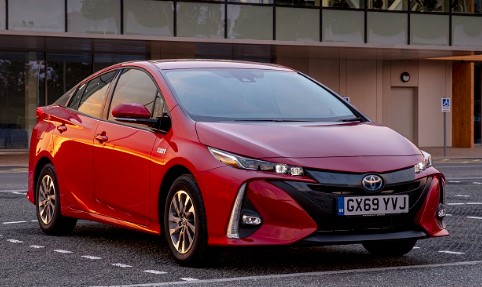
When we talk about hybrid cars, one name echoes louder than the rest: the Toyota Prius. It didn’t just join the automotive conversation—it rewrote it. From its humble beginnings to its futuristic redesigns, the Prius has evolved like a tech-savvy chameleon, adapting to the times while staying true to its eco-friendly DNA.
So, let’s take a ride through every generation of the Prius and uncover how this iconic hybrid transformed the industry—and why it still matters today.
Content in this publication
- The Birth of a Legend: What Makes the Prius So Important?
- First Generation Prius (1997–2003): The Pioneer Era
- Second Generation Prius (2003–2009): The Breakthrough
- Third Generation Prius (2009–2015): Refinement and Power
- Fourth Generation Prius (2015–2022): The Modern Hybrid
- Fifth Generation Prius (2023–Present): The Reinvention
- Prius Prime: The Plug-In Evolution
- Hybrid Technology Explained Simply
- Fuel Efficiency Across Generations
- Design Evolution: From Odd to Iconic
- Reliability Over the Years
- Common Issues by Generation
- Maintenance Costs: What to Expect
- Prius vs Competitors
- Who Should Buy a Prius?
- Future of the Prius
- Closing Thoughts: A Legacy That Keeps Evolving
- FAQs About Toyota Prius Generations
The Birth of a Legend: What Makes the Prius So Important?
Before diving into generations, let’s ask ourselves: why does the Prius even matter?
The answer is simple—it was the first mass-produced hybrid vehicle from Toyota. It wasn’t just a car; it was a statement. A quiet rebellion against fuel-hungry engines.
We’re talking about:
- Lower emissions
- Better fuel economy
- Cutting-edge hybrid technology
And perhaps most importantly… it made eco-conscious driving mainstream.
First Generation Prius (1997–2003): The Pioneer Era
A Bold First Step Into the Unknown
The first-generation Prius debuted in Japan in 1997. At the time, it looked like any other compact sedan—but under the hood, it was revolutionary.
Key Features of Gen 1 Prius
- 1.5L gasoline engine paired with electric motor
- Combined output of around 70 horsepower
- Fuel economy that stunned the world
- Nickel-metal hydride battery system
Why It Mattered
This generation proved hybrids could work in real life—not just in labs. It wasn’t flashy, but it planted the seed for everything that followed.
Second Generation Prius (2003–2009): The Breakthrough
From Niche to Mainstream
This is where things got serious. The second-gen Prius wasn’t just improved—it was reimagined.
Design Transformation
Gone was the traditional sedan look. In came the iconic hatchback silhouette that screamed “future.”
Notable Upgrades
- Hybrid Synergy Drive system
- Improved fuel efficiency (up to 50 MPG)
- More interior space
- Advanced digital dashboard
Cultural Impact
Celebrities drove it. Environmentalists praised it. Suddenly, the Prius wasn’t just a car—it was a lifestyle.
Third Generation Prius (2009–2015): Refinement and Power
More Power, Better Efficiency
The third generation took everything good and made it better.
Engine and Performance Enhancements
- Upgraded to a 1.8L engine
- Combined output of 134 horsepower
- Better highway performance
Technology Upgrades
- Solar roof option
- Touchscreen infotainment
- Enhanced regenerative braking
Why It Stood Out
This Prius felt less like a compromise and more like a complete car. It was efficient and practical—a rare combo.
Fourth Generation Prius (2015–2022): The Modern Hybrid
A Radical Redesign
Let’s be honest—this design sparked debate. Some loved it, others… not so much.
But beneath the bold styling was serious innovation.
You may be interested in reading Test Drive Review: The Fiat 500 Abarth 0-60 Acceleration
Key Improvements
- New TNGA platform (Toyota New Global Architecture)
- Lower center of gravity
- Improved handling and ride quality
- Fuel economy exceeding 56 MPG
Interior Evolution
- Sleeker dashboard
- Better materials
- Advanced driver-assist features
The Driving Experience
This generation finally made the Prius feel engaging to drive. Yes, engaging!
Fifth Generation Prius (2023–Present): The Reinvention
Wait… Is That a Prius?
The latest generation flipped expectations upside down. This isn’t the Prius we remember—it’s the Prius we didn’t know we needed.
Performance Meets Efficiency
- Up to 220 horsepower (Prius Prime)
- Plug-in hybrid capability
- Faster acceleration
Design That Turns Heads
- Sporty, coupe-like profile
- Aggressive front fascia
- Sleek LED lighting
Technology Highlights
- Massive infotainment display
- Wireless connectivity
- Advanced safety systems
Why This Generation Matters
It proves hybrids can be exciting. Not just sensible—but desirable.
Prius Prime: The Plug-In Evolution
What Is Prius Prime?
The Prius Prime is the plug-in hybrid version, offering electric-only driving for short distances.
Benefits
- Charge at home
- Drive electric for daily commutes
- Gas engine for longer trips
It’s like having two cars in one.
Hybrid Technology Explained Simply
How Does the Prius Work?
Let’s break it down:
- Gas engine powers the car at higher speeds
- Electric motor assists or takes over at low speeds
- Battery recharges through regenerative braking
It’s a seamless dance between fuel and electricity.
Fuel Efficiency Across Generations
A Quick Comparison
- Gen 1: ~41 MPG
- Gen 2: ~50 MPG
- Gen 3: ~50 MPG
- Gen 4: ~56 MPG
- Gen 5: ~57+ MPG
Each generation pushed the boundaries further.
Design Evolution: From Odd to Iconic
A Journey of Transformation
At first, the Prius looked… different. Maybe even awkward.
But over time:
- It became recognizable
- Then respected
- And now? Stylish
The latest model feels like a glow-up we didn’t expect.
Reliability Over the Years
Is the Prius Reliable?
Short answer: Yes.
Why It Stands Out
- Proven hybrid systems
- Low maintenance costs
- Long battery lifespan
Many Prius models easily surpass 200,000 miles.
Common Issues by Generation
Gen 1–2 Issues
- Battery degradation
- Limited power
Gen 3 Issues
- Oil consumption in some models
- EGR system clogging
Gen 4–5 Issues
- Minimal, mostly minor software quirks
Maintenance Costs: What to Expect
Affordable Ownership
Compared to traditional cars:
- Fewer brake replacements (thanks to regenerative braking)
- Less engine wear
- No traditional starter motor
Battery Replacement Costs
While expensive, battery failures are rare—and warranties are generous.
You may be interested in readingTest Drive Review: The Fiat 500 Abarth 0-60 AccelerationYou may be interested in reading
 Customizing Your Ride: A Comprehensive Guide to the Fiat 500 Body Kit
Prius vs Competitors
How Does It Compare?
Against rivals like hybrid sedans and EVs:
Pros:
- Proven reliability
- Excellent fuel economy
- Wide availability
Cons:
- Not fully electric
- Earlier models lacked excitement
But the newest generation? It closes that gap fast.
Who Should Buy a Prius?
Perfect For:
- Daily commuters
- Eco-conscious drivers
- Budget-minded buyers
Maybe Not For:
- Performance enthusiasts (older models)
- Off-road adventurers
Future of the Prius
What Lies Ahead?
With EVs rising, some ask: is the Prius still relevant?
We think yes.
Why?
- Not everyone is ready for full EVs
- Charging infrastructure isn’t universal
- Hybrids offer a practical middle ground
The Prius may evolve—but it won’t disappear anytime soon.
Closing Thoughts: A Legacy That Keeps Evolving
The Prius isn’t just a car—it’s a timeline of innovation. From a quirky experiment to a sleek modern hybrid, it has shaped how we think about driving.
And here’s the real question: what will the next generation look like?
If history tells us anything, it won’t just follow trends—it will set them.
FAQs About Toyota Prius Generations
1. Which Prius generation is the most reliable?
The third and fourth generations are widely considered the most reliable due to refined hybrid systems.
2. How long do Prius batteries last?
Typically between 8–15 years, often exceeding 150,000 miles.
3. Is the new Prius fast?
Compared to older models, yes—especially the latest generation with over 200 horsepower.
4. What is the best Prius for fuel economy?
The fourth and fifth generations offer the best MPG figures.
You may be interested in readingTest Drive Review: The Fiat 500 Abarth 0-60 AccelerationYou may be interested in reading
Customizing Your Ride: A Comprehensive Guide to the Fiat 500 Body KitYou may be interested in reading
 A Trip Down Memory Lane: The 1977 Fiat 124 Spider
5. Is Prius better than a fully electric car?
It depends—Prius offers flexibility without relying solely on charging infrastructure.
If you want to know other articles similar to Toyota Prius Generations: The Evolution of Hybrid Innovation you can visit the category Models.
SEAT Leon vs Skoda Scala: Which Compact Hatchback Truly Wins?
SEAT Leon vs Skoda Fabia: Which Hatchback Truly Fits Your Lifestyle?
SEAT Leon vs Mazda 3: Which Hatchback Truly Wins Our Hearts?
SEAT Leon or Ford Focus: Which Hatchback Truly Wins Our Hearts?
SEAT Leon vs Audi A3: Which Hatchback Truly Wins Our Hearts?
SEAT Leon vs CUPRA Leon: Which One Truly Deserves Your Drive?
Leave a Reply
More content of your interest