

Toyota Yaris Cross vs C-HR: Which Hybrid SUV Reigns Supreme?

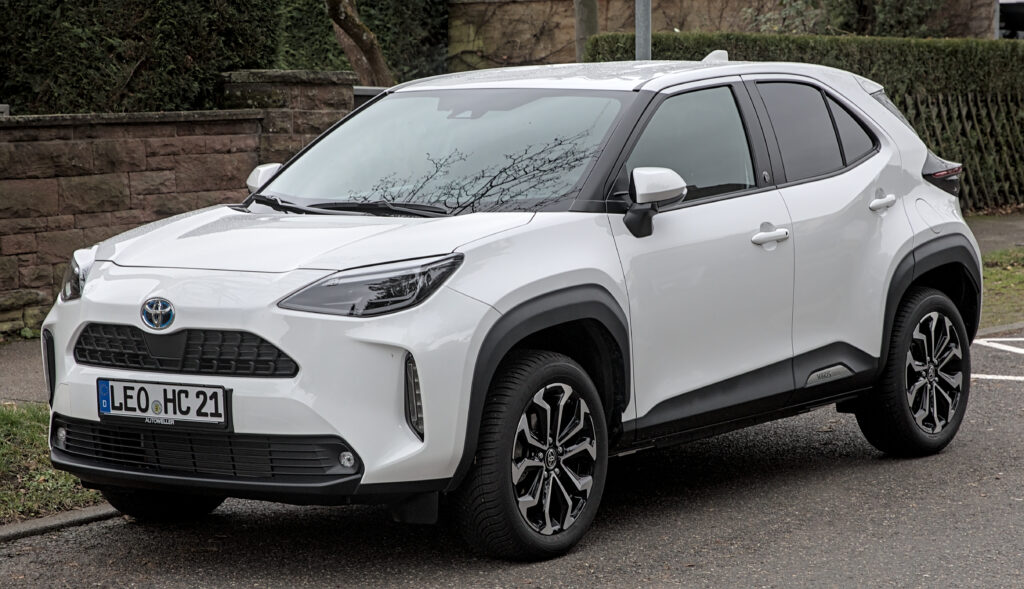
When it comes to Toyota’s hybrid SUV lineup, two names often dominate the conversation — the Toyota Yaris Cross and the Toyota C-HR. Both are stylish, tech-packed, and fuel-efficient, yet each caters to slightly different drivers. In this comprehensive comparison, we’ll uncover which of these two SUVs truly delivers the best balance of practicality, performance, and value.
Content in this publication
- 1. Overview
- 2. Exterior Design: Subtle vs Striking
- 3. Dimensions & Practicality
- 4. Interior Comfort and Cabin Quality
- 5. Infotainment and Technology
- 6. Boot Space and Storage Solutions
- 7. Engine Options and Hybrid Performance
- 8. Fuel Efficiency Comparison
- 9. Driving Experience and Handling
- 10. Ride Comfort and Refinement
- 11. Safety Features and Ratings
- 12. Reliability and Ownership Costs
- 13. Price and Value for Money
- 14. Running Costs and Insurance
- 15. Verdict: Which One Should You Choose?
- FAQs
1. Overview
Both the Toyota Yaris Cross and Toyota C-HR belong to Toyota’s rapidly expanding hybrid family. The Yaris Cross sits below the C-HR, positioned as a compact SUV perfect for city life, while the C-HR aims for a sportier, more premium audience.
| Model | Segment | Launch Year | Platform | Powertrain |
|---|---|---|---|---|
| Toyota Yaris Cross | Small SUV | 2020 | TNGA-B | 1.5L Hybrid |
| Toyota C-HR | Compact SUV | 2016 (updated 2023) | TNGA-C | 1.8L / 2.0L Hybrid |
2. Exterior Design: Subtle vs Striking
Yaris Cross – Urban Elegance
The Yaris Cross carries Toyota’s clean, understated styling — upright stance, compact lines, and a robust SUV posture. Its design favors practicality, allowing better visibility and easier maneuverability in tight city streets.
C-HR – Bold and Futuristic
In contrast, the C-HR is daring. With sharp lines, coupe-like roofline, and flared arches, it’s one of the most distinctive SUVs in its class. It looks like it’s moving even when standing still — an SUV designed to turn heads.
Verdict:
If subtle sophistication is your thing, the Yaris Cross wins. But if you want to make a statement, the C-HR takes the spotlight.
3. Dimensions & Practicality
| Specification | Toyota Yaris Cross | Toyota C-HR |
|---|---|---|
| Length | 4,180 mm | 4,390 mm |
| Width | 1,765 mm | 1,795 mm |
| Height | 1,595 mm | 1,555 mm |
| Wheelbase | 2,560 mm | 2,640 mm |
The C-HR’s longer wheelbase provides a bit more interior space, but its sloping roofline compromises rear headroom. The Yaris Cross, though smaller, feels airier inside and is easier to park — perfect for urban settings.
4. Interior Comfort and Cabin Quality
Yaris Cross
Inside, the Yaris Cross offers a minimalist layout, using soft-touch materials in key areas. The elevated seating position provides excellent visibility, and the cabin feels durable — ideal for daily driving and families.
C-HR
Step into the C-HR, and you’ll notice a more premium ambiance. With sculpted surfaces, ambient lighting, and a driver-focused dashboard, it feels like a step up in luxury.
Verdict:
For comfort and class, the C-HR edges ahead. For practicality and simplicity, the Yaris Cross shines.
5. Infotainment and Technology
Both models feature Toyota’s latest Smart Connect infotainment system, offering Apple CarPlay, Android Auto, and cloud-based navigation.
You may be interested in reading Toyota Yaris Cross vs Lexus LBX: The Compact SUV Showdown
- Yaris Cross: 9-inch touchscreen, basic graphics, intuitive layout.
- C-HR: 12.3-inch digital display (in newer models), crisper visuals, better integration.
Both include Toyota Safety Sense as standard, but the C-HR includes a few extra advanced assists, like Lane Trace Assist and Adaptive High Beam.
6. Boot Space and Storage Solutions
| Model | Boot Capacity | Seats Folded |
|---|---|---|
| Yaris Cross | 397 litres | 1,097 litres |
| C-HR | 377 litres | 1,160 litres |
The Yaris Cross surprises with its larger boot despite being smaller overall. Its square-shaped load bay and adjustable floor make it far more usable for family luggage or bulky items.
7. Engine Options and Hybrid Performance
Yaris Cross
- Engine: 1.5-litre 3-cylinder hybrid
- Power: 114 hp
- Transmission: CVT
- Drivetrain: FWD or AWD-i (optional)
C-HR
- Engines: 1.8-litre (140 hp) and 2.0-litre (196 hp) hybrids
- Transmission: CVT
- Drivetrain: FWD or AWD (depending on variant)
The C-HR 2.0L is noticeably quicker and more refined, while the Yaris Cross is all about balance — efficient, zippy in town, and calm at motorway speeds.
8. Fuel Efficiency Comparison
| Model | Engine | Fuel Economy (WLTP) |
|---|---|---|
| Yaris Cross 1.5 Hybrid | FWD | 55–60 mpg |
| Yaris Cross 1.5 Hybrid | AWD-i | 50–54 mpg |
| C-HR 1.8 Hybrid | FWD | 53–57 mpg |
| C-HR 2.0 Hybrid | FWD | 47–51 mpg |
The Yaris Cross wins the efficiency race, making it a better option for city dwellers or frequent commuters focused on lower running costs.
9. Driving Experience and Handling
Yaris Cross
Light steering and compact proportions make it effortless to handle in tight spaces. It’s agile, but prioritizes comfort over sporty dynamics.
C-HR
The C-HR delivers sharper handling, thanks to its wider stance and lower center of gravity. Steering feels more connected, and it stays composed around bends.
Verdict:
Choose the C-HR for a more dynamic feel. Pick the Yaris Cross if ease and comfort matter more.
10. Ride Comfort and Refinement
The C-HR rides smoother on highways and absorbs bumps better, especially with the 18-inch wheels.
The Yaris Cross, while firmer on rough roads, performs impressively for its class — and remains quiet thanks to Toyota’s hybrid isolation tuning.
11. Safety Features and Ratings
Both vehicles scored 5 stars in Euro NCAP safety tests, equipped with advanced systems like:
- Pre-Collision System with Pedestrian Detection
- Adaptive Cruise Control
- Lane Departure Alert
- Road Sign Assist
- Automatic Emergency Braking
The C-HR’s latest generation adds Emergency Steering Assist and Intersection Support, elevating its safety profile.
You may be interested in readingToyota Yaris Cross vs Lexus LBX: The Compact SUV ShowdownYou may be interested in reading
 Toyota Yaris Cross vs Renault Captur: Which Urban SUV Wins the Battle?
12. Reliability and Ownership Costs
Toyota’s hybrids are legendary for reliability, and both models share proven components. Owners report minimal maintenance issues, with hybrid systems designed for longevity.
- Warranty: Up to 10 years (with service plan)
- Service Intervals: Every 10,000 miles or annually
Both vehicles deliver excellent resale value, thanks to Toyota’s reliability reputation.
13. Price and Value for Money
| Model | Starting Price (UK) | Top Trim Price |
|---|---|---|
| Toyota Yaris Cross | £27,000 | £33,000 |
| Toyota C-HR | £32,000 | £40,000 |
While the C-HR is pricier, it offers a more premium experience. The Yaris Cross, however, represents better value if you want a hybrid SUV without overspending.
14. Running Costs and Insurance
- Yaris Cross: Lower insurance group (11–15) and road tax benefits.
- C-HR: Slightly higher insurance group (17–22) but still cheaper to run than many rivals.
Both are ULEZ compliant and enjoy strong fuel economy, making them ideal for eco-conscious urban drivers.
15. Verdict: Which One Should You Choose?
- Choose the Toyota Yaris Cross if you want:
- Compact dimensions for city life
- Better fuel efficiency
- Lower running and purchase costs
- Surprisingly generous boot space
- Choose the Toyota C-HR if you want:
- Sportier performance and handling
- More premium interior and tech
- A bolder, coupe-like design
- Greater long-distance comfort
Final Thought
The Toyota Yaris Cross is the rational choice — efficient, affordable, and brilliantly practical.
The C-HR is the emotional pick — stylish, dynamic, and luxurious.
In the end, it’s not about which is better — it’s about which one suits you.
FAQs
1. Which is more fuel-efficient, the Yaris Cross or C-HR?
The Yaris Cross delivers slightly better fuel economy, especially in city driving, with up to 60 mpg versus the C-HR’s 57 mpg.
2. Is the Toyota C-HR bigger than the Yaris Cross?
Yes. The C-HR is longer and wider, offering a bit more cabin room, but less boot space due to its sloping design.
3. Which one is more comfortable for long drives?
The C-HR provides a smoother, quieter ride on highways thanks to its larger engine options and superior suspension.
4. Do both come with all-wheel drive?
Only the Yaris Cross offers an AWD-i option. The C-HR is mainly front-wheel-drive in most markets.
5. Which model offers better value for money?
The Yaris Cross is the more economical choice, offering hybrid efficiency and practicality at a lower price point.
You may be interested in readingToyota Yaris Cross vs Lexus LBX: The Compact SUV ShowdownYou may be interested in reading
Toyota Yaris Cross vs Renault Captur: Which Urban SUV Wins the Battle?You may be interested in reading
 Toyota Yaris Cross vs Yaris: The Ultimate Comparison for 2025
If you want to know other articles similar to Toyota Yaris Cross vs C-HR: Which Hybrid SUV Reigns Supreme? you can visit the category Blog.
Ford Mondeo Insurance Group: The Ultimate Cost & Risk Guide
Ford Mondeo Reliability: The Real Truth Behind This Iconic Sedan

Volvo XC60 Quality: A Deep Dive Into Premium Craftsmanship and Everyday Excellence
Volvo XC60 Reliability by Year: The Complete Owner’s Guide

Which Ford Kuga Engine Is Best? The Ultimate Buyer’s Guide

Pros and Cons Mazda CX-30: The Real-World Ownership Breakdown
Leave a Reply
More content of your interest