

Vauxhall Astra Losing Power: Causes, Fixes, and What to Do Next

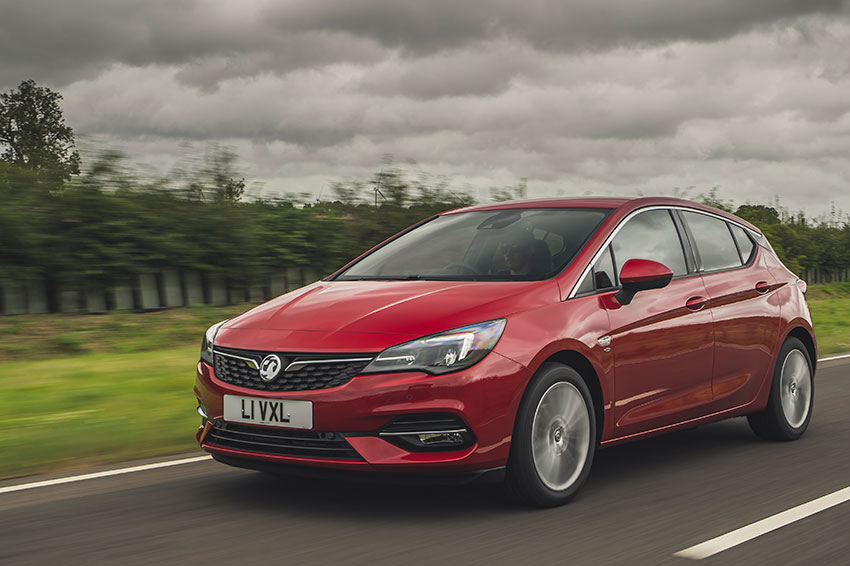
Few things sap the joy out of driving faster than a car that suddenly feels… tired. One moment your Vauxhall Astra is pulling cleanly, the next it’s wheezing uphill, hesitating on overtakes, or dropping into limp mode like it’s had enough of the day. We’ve all been there, gripping the wheel, thinking: “Come on… what’s wrong now?”
Power loss in a Vauxhall Astra isn’t a single problem with a single fix. It’s more like a conversation your car is trying to have with you—sometimes quietly, sometimes with warning lights and dramatic performance drops. In this guide, we’ll walk through why a Vauxhall Astra loses power, how to diagnose it logically, and what you can do before it turns into an expensive headache.
We’ll keep it human, practical, and grounded in real-world Astra ownership.
Content in this publication
- What Does “Losing Power” Really Mean?
- Vauxhall Astra Models Commonly Affected
- The Most Common Causes of Vauxhall Astra Losing Power
- Dirty or Blocked EGR Valve
- Diesel Particulate Filter (DPF) Problems
- Faulty Mass Air Flow (MAF) Sensor
- Turbocharger Issues (Petrol and Diesel)
- Vacuum Leaks and Boost Leaks
- Fuel System Problems
- Clogged Air Filter or Intake Issues
- Throttle Body and Pedal Sensor Issues
- Ignition System Problems (Petrol Models)
- Sensor Failures That Trigger Limp Mode
- ECU Software and Update Issues
- Automatic Gearbox Power Loss Illusion
- How to Diagnose Power Loss Step by Step
- Is It Safe to Drive a Vauxhall Astra Losing Power?
- Preventing Power Loss in the Future
- Repair Costs: What to Expect
- When to See a Specialist Instead of a Garage
- Real-World Astra Power Loss Scenarios
- Final Thoughts: Don’t Let Power Loss Define Your Astra
- FAQs
What Does “Losing Power” Really Mean?
Before diving under the bonnet, let’s get specific. Power loss doesn’t always look the same.
Common Ways Power Loss Shows Up
- Sluggish acceleration
- Flat response when pressing the throttle
- Struggling on hills or with passengers
- Engine revs rise but speed doesn’t
- Sudden drop into limp mode
- Hesitation, stuttering, or surging
Sometimes it’s gradual, like ageing knees. Other times it’s instant—one second fine, the next your Astra feels like it’s towing a caravan.
Vauxhall Astra Models Commonly Affected
Power loss complaints crop up across several Astra generations, but some are more prone than others.
Astra Generations Where Power Loss Is Often Reported
- Astra H (2004–2010)
- Astra J (2010–2015)
- Astra K (2015–2021)
Engines Most Frequently Involved
- 1.3 CDTi
- 1.6 CDTi
- 1.4 Turbo petrol
- 1.6 petrol (VVT issues)
That doesn’t mean other engines are immune—but these are repeat offenders in workshops.
The Most Common Causes of Vauxhall Astra Losing Power
Let’s break this down logically. Most power loss issues fall into a handful of categories.
Dirty or Blocked EGR Valve
The EGR valve is like your engine’s recycling system. Over time, it gets clogged with soot—especially on diesel Astras.
Symptoms of a Failing EGR Valve
- Flat acceleration
- Rough idle
- Engine warning light
- Power loss at low RPM
When the EGR sticks open or closed, airflow becomes chaotic. The engine can’t breathe properly—and power suffers.
Good news: cleaning often helps.
Bad news: ignored too long, replacement may be needed.
Diesel Particulate Filter (DPF) Problems
If your Astra is diesel, the DPF deserves your respect. Short journeys and stop-start driving are its natural enemies.
How a Blocked DPF Causes Power Loss
- Exhaust gases can’t escape efficiently
- Back pressure increases
- ECU limits power to protect the engine
Tell-Tale Signs
- Loss of power at motorway speeds
- DPF or engine warning light
- Increased fuel consumption
Sometimes a proper regeneration drive solves it. Other times, it’s already too late.
Faulty Mass Air Flow (MAF) Sensor
Think of the MAF sensor as your engine’s lungs monitor. If it lies—or stops working—the ECU makes bad decisions.
MAF Sensor Power Loss Symptoms
- Hesitation on acceleration
- Jerky throttle response
- Poor fuel economy
- Power drops without warning lights
A dirty MAF can often be cleaned. A dead one needs replacing.
Turbocharger Issues (Petrol and Diesel)
Turbocharged Astras rely heavily on boost pressure. When the turbo system falters, power disappears fast.
- Split or loose boost hoses
- Sticking wastegate
- Failing turbo actuator
- Worn turbo bearings
How It Feels
- Sudden loss of pull
- Whistling or hissing noises
- Power returns intermittently
A small vacuum hose can cause big drama here.
You may be interested in reading Vauxhall Astra Not Going Into Gear: Causes, Fixes, and Real-World Solutions
Vacuum Leaks and Boost Leaks
Power loss doesn’t always mean something big has failed. Sometimes it’s just air escaping where it shouldn’t.
Signs of Vacuum or Boost Leaks
- Hissing sounds
- Inconsistent acceleration
- Engine feels weak under load
Rubber hoses perish with age. One tiny crack can rob your Astra of its punch.
Fuel System Problems
Engines need fuel delivered at the right pressure, at the right time. When that flow stumbles, power drops.
- Blocked fuel filter
- Weak fuel pump
- Faulty fuel pressure regulator
- Dirty injectors
Diesel injectors are particularly sensitive—and expensive if ignored.
Clogged Air Filter or Intake Issues
Simple? Yes. Overlooked? Constantly.
Why This Matters
- Restricted airflow = poor combustion
- ECU compensates by limiting power
If your air filter hasn’t been changed in years, start here. It’s cheap, quick, and surprisingly effective.
Throttle Body and Pedal Sensor Issues
Modern Astras use electronic throttle control. No cable. Just sensors talking to computers.
What Goes Wrong
- Throttle body carbon buildup
- Accelerator pedal sensor faults
- ECU misinterpreting input
The result? You press the pedal… and nothing much happens.
Ignition System Problems (Petrol Models)
Petrol Astras rely on strong, consistent sparks.
Likely Culprits
- Worn spark plugs
- Failing ignition coils
- Misfires under load
Power loss from ignition issues often feels like hesitation or juddering rather than a smooth drop.
Sensor Failures That Trigger Limp Mode
Sometimes the engine is fine—but the ECU panics.
Sensors Known to Cause Limp Mode
- MAP sensor
- Crankshaft position sensor
- Camshaft position sensor
- Oxygen (lambda) sensors
When values don’t make sense, the ECU limits power as a safety net.
ECU Software and Update Issues
It’s not always mechanical. Sometimes your Astra just needs a software rethink.
When Software Causes Power Loss
- Outdated ECU mapping
- Incorrect sensor calibration
- Failed updates
A dealer or specialist reflash can restore lost performance instantly.
Automatic Gearbox Power Loss Illusion
Sometimes the engine isn’t losing power—the gearbox just isn’t delivering it.
Automatic Transmission Issues
- Delayed shifts
- Stuck in higher gears
- Torque converter slip
It feels like power loss, but the engine may be perfectly healthy.
How to Diagnose Power Loss Step by Step
Before replacing parts blindly, slow down and follow a logical path.
You may be interested in readingVauxhall Astra Not Going Into Gear: Causes, Fixes, and Real-World SolutionsYou may be interested in reading
 Vauxhall Astra 5 Speed Gearbox Problems: Real-World Issues, Causes, and Fixes
Start With the Basics
- Check dashboard warning lights
- Listen for unusual noises
- Note when power loss occurs (cold, hot, uphill, motorway)
Next Steps
- Scan for fault codes
- Inspect hoses and wiring
- Check service history
A £30 diagnostic scan can save hundreds.
Is It Safe to Drive a Vauxhall Astra Losing Power?
Short answer: sometimes.
Long answer: it depends why.
Generally Safe (Short Term)
- Dirty air filter
- Minor sensor glitch
Risky to Ignore
- Turbo issues
- DPF blockage
- Fuel pressure faults
If power loss is sudden or worsening, don’t push your luck.
Preventing Power Loss in the Future
A little prevention goes a long way.
Simple Habits That Help
- Regular servicing
- Occasional motorway runs (diesels)
- Quality fuel
- Timely filter changes
Your Astra rewards consistency.
Repair Costs: What to Expect
Power loss repairs range from pocket change to wallet pain.
Typical Cost Ranges
- Air filter: low
- MAF sensor: moderate
- EGR cleaning: moderate
- Turbo replacement: high
- DPF replacement: very high
Catching issues early is everything.
When to See a Specialist Instead of a Garage
Some faults need Astra-specific knowledge.
See a Specialist If
- Power loss is intermittent
- Multiple fault codes appear
- Turbo or DPF issues persist
Generic garages are good—but specialists see patterns others miss.
Real-World Astra Power Loss Scenarios
We’ve seen it all:
- A cracked £5 vacuum hose causing limp mode
- A blocked DPF from school-run driving
- A simple software update restoring full power
The moral? Don’t assume the worst.
Final Thoughts: Don’t Let Power Loss Define Your Astra
A Vauxhall Astra losing power can feel like betrayal—but most causes are fixable, and many are preventable. Treat power loss as a message, not a sentence. Listen early, act logically, and your Astra will usually forgive you.
Cars, like people, perform best when they’re understood.
FAQs
Why does my Vauxhall Astra lose power when accelerating?
Often due to airflow, fuel delivery, or turbo-related issues like a dirty EGR, faulty MAF sensor, or boost leak.
Can a blocked DPF cause power loss without warning lights?
Yes. Early-stage DPF blockage can reduce power before triggering dashboard warnings.
Does limp mode mean serious engine damage?
Not always. Limp mode is a protective measure and can be triggered by minor sensor faults.
Will disconnecting the battery fix power loss?
Sometimes it clears temporary ECU glitches—but it won’t fix mechanical faults.
You may be interested in readingVauxhall Astra Not Going Into Gear: Causes, Fixes, and Real-World SolutionsYou may be interested in reading
Vauxhall Astra 5 Speed Gearbox Problems: Real-World Issues, Causes, and FixesYou may be interested in reading
 Common Problems with the Vauxhall Mokka: The Definitive Owner’s Guide
Is power loss expensive to fix?
It ranges widely. Simple fixes are cheap, but turbo or DPF issues can be costly if ignored.
If you want to know other articles similar to Vauxhall Astra Losing Power: Causes, Fixes, and What to Do Next you can visit the category Common Problems.
Volvo XC60 360 Camera Not Working: Complete Troubleshooting & Fix Guide
Volvo XC60 Key Fob Not Working: Causes, Fixes, and Expert Solutions
Volvo XC60 Low Battery Warning: Causes, Fixes, and Prevention Guide
Volvo XC60 No Sound: Causes, Fixes, and Complete Troubleshooting Guide
Volvo XC60 Common Problems: What Owners Really Experience
Volvo XC60 Issues: The Truth Behind This Popular SUV
Leave a Reply
More content of your interest