
Common Problems with the Vauxhall Mokka: Full Guide

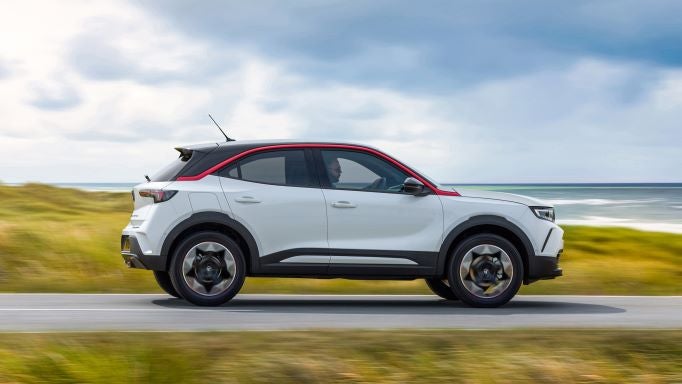
The Vauxhall Mokka is one of the UK's most recognisable compact SUVs, offering a raised driving position, practical dimensions, attractive styling, and relatively affordable running costs. However, like many popular vehicles, it has developed a reputation for certain mechanical and electrical issues.
From turbocharger failures and coolant leaks to timing chain problems, gearbox faults, and electrical malfunctions, there are several common Vauxhall Mokka problems that current owners and potential buyers should understand.
Some issues are relatively inexpensive to repair, while others can result in repair bills exceeding £1,000.
The good news is that not every Mokka suffers from these problems. Reliability depends heavily on the engine, model year, mileage, driving habits, and previous maintenance.
In this comprehensive guide, we'll explore the most common Vauxhall Mokka faults, their symptoms, likely causes, estimated UK repair costs, and practical ways to prevent expensive breakdowns.
We'll also examine the original Vauxhall Mokka, the facelifted Mokka X, and the second-generation Mokka, including petrol, diesel, hybrid, and electric versions.
Content in this publication
- Is the Vauxhall Mokka a Reliable Car?
- 1. Vauxhall Mokka Turbocharger Problems
- 2. Vauxhall Mokka Timing Chain Problems
- 3. Vauxhall Mokka 1.2 Timing Belt Problems
- 4. Vauxhall Mokka Coolant Leaks and Overheating
- 5. Vauxhall Mokka DPF Problems
- 6. Vauxhall Mokka EGR Valve Problems
- 7. Vauxhall Mokka Clutch Problems
- 8. Vauxhall Mokka Gearbox Problems
- 9. Vauxhall Mokka Electrical Problems
- 10. Vauxhall Mokka Air Conditioning Problems
- 11. Vauxhall Mokka Suspension Problems
- 12. Vauxhall Mokka Brake Problems
- 13. Vauxhall Mokka Engine Oil Leaks
- 14. Vauxhall Mokka Infotainment Problems
- 15. Vauxhall Mokka Electric Problems
- 16. Vauxhall Mokka Recalls and Safety Issues
- 17. Vauxhall Mokka Repair Costs in the UK
- 18. Which Vauxhall Mokka Years Are Best to Buy?
- 19. What to Check Before Buying a Used Vauxhall Mokka
- 20. How to Prevent Common Vauxhall Mokka Problems
- 21. When Should You Stop Driving Your Vauxhall Mokka?
- Frequently Asked Questions About Vauxhall Mokka Problems
- Final Verdict: Is the Vauxhall Mokka Reliable?
Is the Vauxhall Mokka a Reliable Car?
The Vauxhall Mokka can be a reliable everyday vehicle when properly maintained, although some engines have more significant potential weaknesses than others.
Older petrol models may experience turbocharger problems, oil leaks, coolant loss, and clutch wear. Diesel versions can develop issues involving the diesel particulate filter, EGR valve, and timing chain.
Certain newer 1.2-litre petrol engines have also attracted attention because of premature deterioration of their oil-immersed timing belts.
Meanwhile, the electric Mokka avoids many conventional engine problems but can experience issues involving charging equipment, electronic systems, and the auxiliary 12-volt battery.
Overall, we consider the Mokka a reasonable used-car option, provided we choose the right engine and carefully examine its service history.
Vauxhall Mokka Generations Compared
| Model | Approximate UK model years | Main problems to investigate |
|---|---|---|
| Vauxhall Mokka | 2012–2016 | Turbo, coolant leaks, clutch, electronics |
| Vauxhall Mokka X | 2016–2019 | Diesel timing chain, DPF, gearbox, suspension |
| Second-generation Mokka | 2021 onwards | Engine-specific timing belt issues, electronics |
| Mokka Electric | 2021 onwards | 12V battery, charging, infotainment |
| Mokka Hybrid | Recent models | Hybrid electronics, transmission operation |
These problems are inspection priorities rather than faults affecting every vehicle.
1. Vauxhall Mokka Turbocharger Problems
One of the more expensive potential problems affecting older Vauxhall Mokka vehicles involves the turbocharger, particularly on the 1.4-litre turbocharged petrol engine.
A turbocharger improves performance by forcing compressed air into the engine. Unfortunately, it operates under high temperatures and mechanical stress.
Over time, worn bearings, damaged seals, lubrication problems, or faulty boost-control components can lead to reduced performance.
Symptoms of a Failing Turbocharger
We may notice several warning signs:
- Loss of acceleration or reduced engine power.
- Whistling or whining sounds during acceleration.
- Blue or grey exhaust smoke.
- Increased engine oil consumption.
- Engine management warning lights.
- The vehicle entering limp mode.
However, these symptoms don't always mean the turbocharger needs replacing.
A split boost hose, damaged intercooler connection, or faulty pressure sensor can produce similar behaviour.
How to Fix Mokka Turbo Problems
A qualified technician should inspect the turbocharger, boost pipework, oil supply, and engine management system before recommending replacement.
If the problem involves a damaged hose, repairs may be relatively affordable.
However, a complete turbocharger replacement can cost approximately £700–£1,500 or more.
Regular oil changes using the correct specification are particularly important for turbocharged engines.
2. Vauxhall Mokka Timing Chain Problems
Timing chain problems are another concern, especially on certain older Mokka diesel engines.
The timing chain synchronises the crankshaft and camshaft, allowing the engine's valves to operate at precisely the right moment.
Unlike a conventional timing belt, a chain is generally designed for a long service life. However, its tensioners, guides, and associated components can deteriorate.
Vauxhall Mokka 1.6 CDTi Timing Chain Rattle
Some 1.6 CDTi diesel engines have been associated with timing chain tensioner problems.
A characteristic symptom is a metallic rattling noise when starting the engine from cold.
The sound may disappear once oil pressure increases, but that doesn't necessarily mean the issue is harmless.
If a timing chain becomes excessively worn or loses tension, engine timing may become incorrect.
In severe cases, this can result in expensive internal engine damage.
Does the Vauxhall Mokka 1.4 Turbo Have a Timing Chain?
Yes. The older 1.4 Turbo petrol engine uses a timing chain rather than the wet timing belt associated with certain newer 1.2-litre engines.
Although not every 1.4 Turbo develops chain problems, persistent rattling or unusual mechanical noises should be investigated.
Timing chain repairs can cost approximately £800–£2,000 or more, depending on the engine and extent of the work.
When buying a used Mokka, we recommend listening carefully during a cold start rather than inspecting the vehicle only after the engine has warmed up.
3. Vauxhall Mokka 1.2 Timing Belt Problems
One of the most important issues to understand when purchasing a newer Vauxhall Mokka concerns the timing belt fitted to certain 1.2-litre petrol engines.
Some versions use an oil-immersed timing belt, commonly described as a wet belt.
Unlike a traditional dry belt, this component operates inside the engine and comes into contact with engine oil.
Although the design can reduce friction, premature belt deterioration has been a recognised problem in some earlier versions of this engine family.
Why Does the Wet Timing Belt Fail?
Over time, the belt material can deteriorate.
When this happens, small particles may contaminate the engine oil and accumulate around the oil pickup strainer.
This can restrict lubrication and potentially damage important engine components.
Possible symptoms include:
- Low engine oil pressure warnings.
- Unusual engine noises.
- Reduced engine performance.
- Visible belt deterioration during inspection.
- Oil contamination.
- Engine management warnings.
If oil pressure becomes dangerously low, the engine may suffer serious damage.
Do All Vauxhall Mokka 1.2 Engines Have a Wet Belt?
No. This is an important distinction.
Different versions of the 1.2-litre engine use different timing systems. Some later petrol and hybrid powertrains have timing chains, while certain petrol versions retain an oil-immersed belt.
We should therefore confirm the exact engine code, model year, and timing system before buying or arranging maintenance.
A registration year alone isn't always sufficient.
How to Prevent Wet Belt Problems
Correct maintenance is particularly important.
We recommend using only the manufacturer-approved engine oil, following the current service schedule for the specific engine, and ensuring the timing belt is inspected or replaced when required.
When buying a used Mokka with a wet belt, request complete servicing documentation.
Some eligible engines may qualify for manufacturer support relating to premature timing belt deterioration, subject to conditions and maintenance history.
If the oil pressure warning light illuminates, stop safely and switch off the engine rather than continuing to drive.
4. Vauxhall Mokka Coolant Leaks and Overheating
Coolant leaks are another issue worth checking on older Mokka and Mokka X models.
The cooling system maintains a safe engine operating temperature using coolant, hoses, a radiator, thermostat, water pump, and expansion tank.
Over time, seals and plastic components can deteriorate.
Common Causes of Coolant Leaks
Possible causes include cracked thermostat housings, damaged coolant hoses, leaking water pumps, deteriorated seals, and problems involving the expansion tank.
Owners may notice coolant disappearing without an obvious puddle beneath the vehicle.
This happens because small leaks sometimes evaporate when coolant reaches hot engine components.
Symptoms of Cooling System Problems
Warning signs include falling coolant levels, steam from the engine compartment, overheating warnings, an unusual sweet smell, or poor cabin heater performance.
We should never ignore repeated coolant loss.
Even a relatively minor leak can eventually cause overheating and severe engine damage.
Vauxhall Mokka Coolant Repair Cost
A minor hose or connection repair may cost around £100–£200, while thermostat or water pump replacement can be considerably more expensive.
Depending on the component, repairs might cost approximately £100–£600.
Never remove the coolant reservoir cap while the engine is hot.
5. Vauxhall Mokka DPF Problems
Diesel particulate filter problems can affect the 1.6 CDTi and 1.7 CDTi versions of the Vauxhall Mokka.
The DPF captures soot particles produced during diesel combustion.
To prevent excessive soot accumulation, the vehicle periodically performs a regeneration process.
However, repeated short journeys can interrupt regeneration and eventually cause the filter to become restricted.
Symptoms of a Blocked DPF
Common symptoms include a DPF warning light, reduced acceleration, increased fuel consumption, and the vehicle entering reduced-power mode.
Drivers may also notice frequent cooling-fan operation or changes in engine behaviour.
How to Fix DPF Problems
If the blockage is minor and the manufacturer recommends it, completing an appropriate regeneration drive may help.
However, if the filter is heavily restricted, professional diagnosis is necessary.
A garage may need to inspect exhaust pressure sensors, temperature sensors, EGR operation, and the underlying reason regeneration has failed.
Professional cleaning may cost approximately £100–£400, while replacing the complete DPF can be substantially more expensive.
For drivers who mainly complete short urban journeys, we would generally favour a petrol Mokka over an older diesel.
6. Vauxhall Mokka EGR Valve Problems
The exhaust gas recirculation valve is designed to reduce harmful emissions by directing a controlled amount of exhaust gas back into the engine.
Over time, soot and carbon deposits can build up around the valve.
This may prevent it from opening or closing correctly.
Symptoms of a Faulty EGR Valve
A defective EGR valve can cause rough idling, hesitation, poor acceleration, increased emissions, and an illuminated engine management light.
Some symptoms are similar to DPF problems, making correct diagnosis essential.
Can an EGR Valve Be Repaired?
In certain situations, professional cleaning can restore normal operation.
However, if the electronic actuator or internal mechanism has failed, replacement may be required.
Typical replacement costs can range from approximately £200–£600.
We recommend diagnosing the system before replacing components, as an EGR-related fault code doesn't necessarily prove that the valve itself is defective.
7. Vauxhall Mokka Clutch Problems
Manual Vauxhall Mokka models can experience clutch wear, particularly as mileage increases.
The clutch transfers engine power to the gearbox and allows drivers to change gears smoothly.
Like other friction components, it eventually wears out.
However, poor driving habits, repeated stop-start driving, or mechanical problems can accelerate deterioration.
Signs of a Worn Clutch
A slipping clutch may cause the engine speed to increase without a corresponding increase in vehicle speed.
Other symptoms include a high clutch biting point, difficulty selecting gears, a burning smell, or judder when moving away.
Some vehicles may also experience problems involving the clutch hydraulic system.
Dual-Mass Flywheel Problems
Certain Mokka versions use a dual-mass flywheel to reduce drivetrain vibration.
A worn flywheel may produce rattling noises, vibration at idle, or knocking when the engine is switched off.
Replacement can be expensive because the gearbox normally needs to be removed.
A clutch replacement may cost approximately £500–£1,000, rising to £850–£1,700 or more when a dual-mass flywheel also requires replacement.
8. Vauxhall Mokka Gearbox Problems
Gearbox faults can occur in both manual and automatic Mokka models.
On manual vehicles, drivers may notice stiff gear selection, whining noises, vibration, or difficulty engaging certain gears.
Automatic models may develop delayed engagement, harsh gear changes, or occasional judder.
These symptoms can have several causes, so we shouldn't assume that the gearbox itself has suffered major internal damage.
Why Does the Mokka Automatic Gearbox Jerk?
Possible explanations include transmission control issues, fluid-related problems, worn mounts, or internal mechanical faults.
A gearbox that behaves poorly only when cold may require a different diagnosis from one that jerks during heavy acceleration.
A professional diagnostic inspection should be the starting point.
How to Avoid Gearbox Problems
When buying a used Mokka, we recommend testing the gearbox during normal acceleration, low-speed manoeuvres, hill starts, and reversing.
Automatic transmissions should change gears smoothly without persistent hesitation or harsh impacts.
Any unusual grinding or whining should be investigated before purchasing.
9. Vauxhall Mokka Electrical Problems
Electrical faults are another frequently discussed concern across the Mokka range.
Modern vehicles depend on multiple sensors, wiring systems, electronic control units, and communication networks.
A problem affecting one component can sometimes trigger several warning lights.
Common Electrical Symptoms
Owners may encounter intermittent engine management lights, ABS warnings, traction control problems, parking sensor faults, or difficulties with central locking.
Some electrical issues result from a weak battery or poor connections rather than a defective electronic control unit.
Vauxhall Mokka Engine Management Light
The engine management light can illuminate for many reasons.
Possible causes include ignition coil failures, oxygen sensor faults, turbo boost problems, emissions-system issues, and wiring defects.
A diagnostic scan helps identify the affected system.
However, fault codes should be interpreted alongside proper testing rather than treated as automatic instructions to replace a component.
ABS and Traction Control Faults
A damaged wheel-speed sensor or wiring connection can cause ABS and traction control warnings.
Since these systems contribute to vehicle safety, persistent warnings should be investigated promptly.
10. Vauxhall Mokka Air Conditioning Problems
Some Vauxhall Mokka owners experience air conditioning systems that stop producing cold air or operate intermittently.
Possible causes include refrigerant leaks, faulty compressors, damaged condensers, electrical faults, or pressure sensor problems.
Why Is My Mokka Air Conditioning Not Working?
If the system blows air but doesn't cool the cabin, a refrigerant leak is one possible explanation.
However, a compressor that fails to engage can produce similar symptoms.
We recommend having the system professionally inspected rather than repeatedly topping up the refrigerant without identifying the underlying problem.
A minor repair may be relatively affordable, while compressor replacement can cost approximately £400–£900 or more.
When buying a used Mokka, always test the air conditioning, even during winter.
11. Vauxhall Mokka Suspension Problems
Suspension problems become increasingly relevant as older Mokkas accumulate mileage.
Components including anti-roll bar links, suspension bushes, ball joints, springs, and shock absorbers can deteriorate through normal use.
Potholes and poor road conditions may accelerate wear.
Common Suspension Symptoms
Typical warning signs include knocking noises over bumps, uneven tyre wear, excessive vibration, or imprecise steering.
A defective wheel bearing may produce a humming noise that becomes louder as road speed increases.
However, tyre noise can sometimes resemble a failing wheel bearing.
How Expensive Are Suspension Repairs?
Replacing smaller components may cost approximately £80–£300, although complete suspension arms or multiple-component repairs can be more expensive.
Wheel alignment may also be required after certain suspension repairs.
We recommend investigating suspension noises early because defective components can affect both handling and tyre life.
12. Vauxhall Mokka Brake Problems
Braking system problems are another important consideration when buying an older Vauxhall Mokka.
Typical issues include worn brake pads, corroded discs, sticking brake calipers, and parking brake faults.
Like other vehicles, the Mokka can develop brake-related wear as mileage and age increase.
Why Does My Mokka Vibrate When Braking?
Vibration during braking may be associated with uneven brake disc thickness, corrosion, pad deposits, or suspension problems.
A proper inspection is necessary to identify the cause.
We should also check whether the vehicle brakes smoothly and remains stable without pulling excessively to one side.
Any defect that reduces braking performance should be repaired before continuing to drive.
13. Vauxhall Mokka Engine Oil Leaks
Engine oil leaks can occur as seals and gaskets deteriorate with age.
Potential leak locations include the rocker cover, timing cover, crankshaft seals, turbocharger oil connections, and other engine joints.
Not every leak produces a visible puddle beneath the vehicle.
Sometimes oil accumulates around engine components or burns when it contacts hot surfaces.
How to Identify an Oil Leak
Possible symptoms include falling engine oil levels, oily deposits around the engine, a burning oil smell, or smoke from the engine compartment.
Oil consumption without an obvious external leak may indicate a different problem.
Potential causes include turbocharger seal deterioration, crankcase ventilation issues, or internal engine wear.
Regularly checking the oil level is important, but repeated top-ups should never replace proper diagnosis.
14. Vauxhall Mokka Infotainment Problems
The newer Vauxhall Mokka uses touchscreen technology for entertainment, navigation, smartphone connectivity, and various vehicle settings.
Although convenient, electronic infotainment systems can occasionally experience software problems.
Some owners may notice slow responses, frozen screens, Bluetooth connection failures, or unexpected restarts.
How to Fix a Frozen Touchscreen
A temporary software glitch may be resolved by restarting the system using the procedure specified for the vehicle.
However, persistent problems may require a manufacturer software update or further electrical diagnosis.
If several unrelated electrical systems malfunction simultaneously, checking the condition of the 12-volt battery is also worthwhile.
15. Vauxhall Mokka Electric Problems
The Vauxhall Mokka Electric, previously marketed as the Mokka-e, eliminates many conventional mechanical components found in petrol and diesel vehicles.
It doesn't require a traditional engine timing belt, turbocharger, clutch, or diesel particulate filter.
However, it still contains sophisticated electrical systems that can develop faults.
Mokka Electric 12V Battery Problems
Electric vehicles generally use an auxiliary 12-volt battery alongside the main high-voltage traction battery.
If the auxiliary battery becomes weak, the vehicle may display warning messages or refuse to enter its ready-to-drive state.
This can happen even when the traction battery has plenty of charge.
A technician should check both the battery condition and the system responsible for maintaining its charge.
Mokka Electric Charging Problems
Charging problems may involve the charging cable, home charger, public charging station, vehicle software, or onboard charging equipment.
If charging repeatedly fails, try establishing whether the problem occurs at every compatible charging point.
A fault limited to one charging station may have a different cause from a fault that follows the vehicle everywhere.
High-voltage components should only be inspected by appropriately trained technicians.
Does the Mokka Electric Have Battery Degradation?
All lithium-ion traction batteries gradually lose some usable capacity over time.
However, normal degradation does not necessarily indicate a defective battery.
Battery health depends on age, temperature exposure, charging habits, and usage.
Before purchasing a used electric Mokka, we recommend requesting a battery health assessment where possible.
16. Vauxhall Mokka Recalls and Safety Issues
Vauxhall has issued recall campaigns affecting certain Mokka vehicles over the years.
The original Mokka has been included in campaigns involving components such as steering systems, seatbelt assemblies, airbags, and electrical equipment.
However, not every vehicle from a particular year is necessarily affected.
Recall eligibility normally depends on the vehicle identification number and production information.
Before purchasing a used Mokka, we should verify whether any outstanding safety recalls apply.
Authorised manufacturer safety recall repairs are normally carried out without charge.
17. Vauxhall Mokka Repair Costs in the UK
One of the biggest considerations when purchasing a used Mokka is the potential cost of repairs.
Some common maintenance issues are affordable, but major engine or transmission faults can be expensive.
The following figures are approximate UK budgeting estimates. Actual quotations will depend on the model, engine, location, parts, and labour rates.
| Repair | Estimated cost |
|---|---|
| Turbocharger replacement | £700–£1,500+ |
| Timing chain repair | £800–£2,000+ |
| Wet timing belt replacement | £500–£1,200+ |
| Coolant system repair | £100–£600 |
| DPF cleaning | £100–£400 |
| EGR valve replacement | £200–£600 |
| Clutch replacement | £500–£1,000 |
| Clutch and flywheel replacement | £850–£1,700+ |
| Suspension repair | £80–£300 |
| Air conditioning compressor | £400–£900 |
| Electrical diagnostics | £60–£150 |
Major damage caused by oil starvation, overheating, or timing-system failure can cost significantly more.
For this reason, we recommend setting aside a maintenance budget when buying an older vehicle.
18. Which Vauxhall Mokka Years Are Best to Buy?
The best Vauxhall Mokka isn't necessarily the newest or the lowest-mileage example.
Engine choice and maintenance history are particularly important.
Vauxhall Mokka 2012–2016
Early models can offer attractive used-car prices, although their age means suspension, cooling, clutch, and electrical problems deserve attention.
The 1.4 Turbo petrol provides reasonable performance, but we should check for coolant leaks, turbocharger noises, and evidence of regular oil servicing.
Diesel versions may be suitable for motorway use, although emissions-system condition matters.
Vauxhall Mokka X 2016–2019
The Mokka X introduced updated styling and equipment while retaining much of the earlier vehicle's mechanical layout.
The petrol engines may appeal to drivers covering moderate annual mileage.
However, the diesel engines require careful attention to DPF condition and possible timing chain noise.
A properly maintained example can still represent good value.
Vauxhall Mokka 2021–2024
The second-generation Mokka is a substantially different vehicle.
Its modern interior, updated styling, and range of powertrains make it attractive to many buyers.
However, certain 1.2 petrol versions require additional attention because of their wet timing belt systems.
Before purchasing one, confirm the exact engine and review its maintenance documentation.
Vauxhall Mokka 2025–2026
Later models include revised petrol, hybrid, and electric options.
Some newer petrol and hybrid powertrains use timing chains, but buyers should not assume that every recent 1.2-litre Mokka has the same timing system.
For these vehicles, accurate engine identification, warranty coverage, servicing, and software updates remain essential.
19. What to Check Before Buying a Used Vauxhall Mokka
A careful inspection can help reduce the likelihood of expensive surprises.
We recommend completing the following checks before purchasing:
- Verify the exact engine and transmission.
- Examine the full service history.
- Confirm that the correct engine oil has been used.
- Listen for timing chain rattles during cold starts.
- Check wet belt inspection or replacement records when applicable.
- Inspect the engine for coolant and oil leaks.
- Test the clutch and gearbox.
- Check for turbocharger noises or unusual smoke.
- Test the air conditioning and infotainment system.
- Listen for suspension knocking.
- Examine tyre condition and brake performance.
- Review previous MOT advisories.
- Check for outstanding recalls.
- Arrange an independent mechanical inspection when necessary.
We should also pay attention to previous owners' repair invoices.
A vehicle with documented preventative maintenance may be a better purchase than one with slightly lower mileage but an incomplete history.
20. How to Prevent Common Vauxhall Mokka Problems
Preventative maintenance plays an important role in long-term reliability.
We recommend following the manufacturer's current servicing requirements for the exact engine.
For turbocharged petrol engines, correct oil quality and timely oil changes are particularly important.
For wet timing belt engines, using the specified oil and observing the correct inspection schedule is essential.
On diesel versions, regular journeys that allow the engine to reach operating temperature can help support normal DPF regeneration.
However, motorway driving cannot repair a faulty DPF sensor, EGR valve, or heavily blocked filter.
We should also investigate coolant loss, oil consumption, new mechanical noises, and persistent dashboard warnings as soon as they appear.
Small faults are often less expensive to repair before they affect other components.
21. When Should You Stop Driving Your Vauxhall Mokka?
Some faults can be investigated during a scheduled workshop visit, while others require immediate attention.
A red oil pressure warning is particularly serious because inadequate lubrication can rapidly damage an engine.
Similarly, significant overheating, severe mechanical knocking, or sudden braking problems may make the vehicle unsafe to drive.
If the vehicle develops a serious warning or loses substantial power, move to a safe location and arrange appropriate assistance.
Continuing to drive with a major fault can turn an affordable repair into a much more expensive one.
Frequently Asked Questions About Vauxhall Mokka Problems
What Is the Most Common Problem with the Vauxhall Mokka?
There isn't one single fault affecting every generation. Older models can experience coolant leaks, clutch wear, suspension issues, and turbocharger problems. Diesel versions may suffer from DPF and EGR faults, while certain newer 1.2 petrol engines have known wet timing belt concerns.
Does the Vauxhall Mokka Have Engine Problems?
Some Vauxhall Mokka engines have reported mechanical weaknesses, including timing chain noise, turbocharger faults, and wet timing belt deterioration. However, proper servicing and early diagnosis can significantly improve ownership prospects. The exact engine matters more than the Mokka name alone.
How Many Miles Can a Vauxhall Mokka Last?
A well-maintained Vauxhall Mokka can potentially exceed 100,000 miles, with some examples lasting considerably longer. Actual lifespan depends on the engine, previous maintenance, driving conditions, and whether important repairs have been completed. Mileage alone doesn't determine vehicle condition.
Are Vauxhall Mokka Repairs Expensive?
Routine repairs are often reasonably affordable, particularly on older models with widely available replacement parts. However, timing chain replacement, turbocharger failure, major gearbox repairs, and serious engine damage can result in substantial bills. A comprehensive pre-purchase inspection can help identify costly problems before buying.
Is the Vauxhall Mokka Worth Buying Used?
Yes, a used Vauxhall Mokka can be a sensible purchase for drivers seeking a compact SUV with practical dimensions and reasonable running costs. However, we recommend choosing an engine suited to our driving habits and prioritising vehicles with complete service records. A well-maintained example is generally preferable to a cheaper vehicle with an uncertain maintenance history.
Final Verdict: Is the Vauxhall Mokka Reliable?
The Vauxhall Mokka can be a practical and enjoyable compact SUV, but understanding its mechanical weaknesses is essential before purchasing one.
Older Mokka and Mokka X models deserve careful inspection for turbocharger issues, timing chain noise, coolant leaks, clutch wear, and diesel emissions-system problems.
Certain second-generation petrol models require additional attention because premature wet timing belt deterioration can lead to expensive engine damage.
Electric versions eliminate many traditional mechanical concerns but introduce different considerations involving charging systems, batteries, and electronic components.
Ultimately, we wouldn't automatically avoid buying a Vauxhall Mokka because of its reported problems.
Instead, we would prioritise the exact engine specification, complete maintenance history, mechanical condition, and evidence of previous repairs.
A properly serviced Mokka with no unresolved faults can still provide dependable everyday transport and represent good value in the competitive UK used SUV market.
If you want to know other articles similar to Common Problems with the Vauxhall Mokka: Full Guide you can visit the category Common Problems.
Volvo S90 Common Problems: Reliability & Repair Guide
Volvo S90 No Sound: Causes, Fixes and Solutions

Nissan Rogue Smells Like Gas: Causes and Fixes
Vauxhall Agila Problems: Common Faults & Fixes

Kia Sorento Jerking When Accelerating: Causes & Fixes

Jaguar F-Pace Low Battery: Causes, Warning Signs, and How to Fix It
Leave a Reply
More content of your interest