

Renault Kadjar 1.5 dCi Problems: The Honest Owner’s Guide

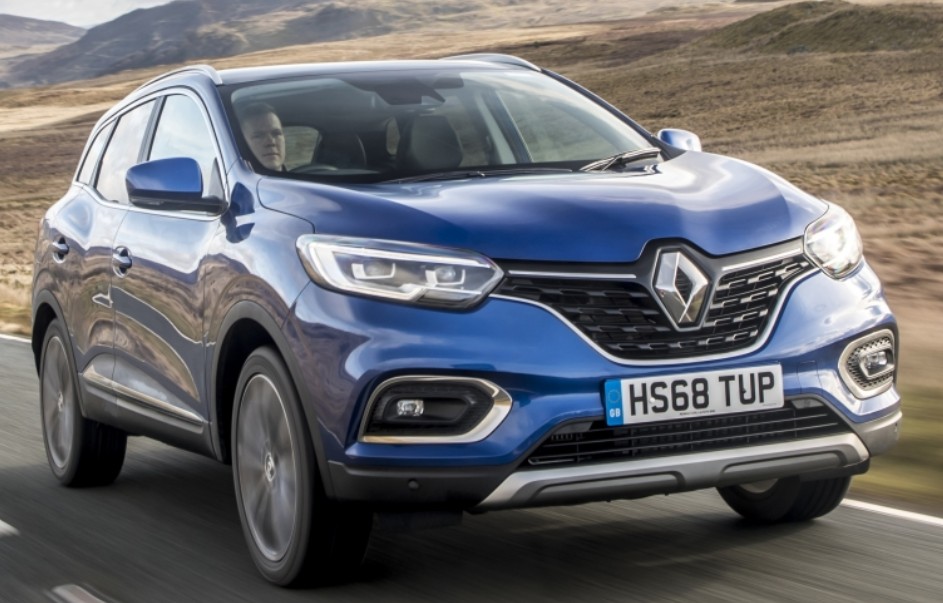
Content in this publication
- Why We Need to Talk About the Kadjar 1.5 dCi
- Understanding the 1.5 dCi Engine
- Most Common Renault Kadjar 1.5 dCi Problems
- 1. EGR Valve Issues (The Silent Performance Killer)
- 2. DPF Blockage (A Modern Diesel Headache)
- 3. Injector Problems (Precision Gone Wrong)
- 4. Turbocharger Wear and Failure
- 5. Timing Belt Concerns
- 6. Oil Dilution and Contamination
- 7. Clutch and Flywheel Wear
- 8. Electrical Gremlins
- 9. Cooling System Issues
- 10. Fuel Pump Problems
- Are These Problems Deal-Breakers?
- How to Avoid Most Kadjar 1.5 dCi Problems
- Maintenance Checklist (Keep This Handy)
- High Mileage Reality: What Happens After 100,000 Miles?
- Is the 1.5 dCi Engine Reliable Overall?
- Used Kadjar 1.5 dCi: Should You Buy One?
- What Owners Often Say
- Final Thoughts: A Car That Rewards Care
- Conclusion
- FAQs
Why We Need to Talk About the Kadjar 1.5 dCi
The Renault Kadjar equipped with the 1.5 dCi engine is one of those cars that quietly dominates European roads. It’s efficient, comfortable, and surprisingly refined for a diesel SUV.
But here’s the truth we don’t always hear upfront: no car is perfect.
And when it comes to the 1.5 dCi engine—shared across brands like Renault and Nissan—there are some recurring issues that owners should absolutely know.
So, let’s break it down. No fluff. No fear-mongering. Just real-world insight.
Understanding the 1.5 dCi Engine
A Brief Look Under the Hood
The 1.5 dCi (also known as K9K) is a turbocharged diesel engine designed for:
- Fuel efficiency
- Low emissions
- Long-distance reliability
You’ll also find it in cars like the Nissan Qashqai, which tells you something—it’s widely trusted.
But high usage also means patterns of problems become very visible.
Most Common Renault Kadjar 1.5 dCi Problems
1. EGR Valve Issues (The Silent Performance Killer)
What Happens?
The Exhaust Gas Recirculation (EGR) valve can clog with carbon buildup—especially in city driving.
Symptoms
- Loss of power
- Rough idling
- Black smoke
- Engine warning light
Why It Happens
Diesel engines thrive on long runs. Short trips = carbon buildup.
Quick Fix
- Cleaning (temporary)
- Replacement (long-term solution)
2. DPF Blockage (A Modern Diesel Headache)
What Is the DPF?
The Diesel Particulate Filter traps soot to reduce emissions.
The Problem
It clogs. And when it does, it’s not subtle.
Symptoms
- Warning lights
- Limp mode
- Increased fuel consumption
Real Talk
If you mainly drive short distances, this problem is almost inevitable.
Prevention Tips
- Weekly highway drives (15–20 minutes)
- Use correct oil (low SAPS)
- Avoid constant stop-start driving
3. Injector Problems (Precision Gone Wrong)
Why Injectors Matter
They deliver fuel with surgical precision.
When they fail, everything feels off.
Symptoms
- Hard starting
- Engine knocking
- Poor fuel economy
- Excessive smoke
Root Causes
- Poor fuel quality
- Wear over time
- Contamination
Cost Reality
Injectors aren’t cheap. Think of them like the “heart valves” of your engine.
4. Turbocharger Wear and Failure
The Power Booster… and Weak Link
The turbo gives the Kadjar its punch. But it also works under extreme stress.
Signs of Trouble
- Whistling noise
- Loss of power
- Blue or black smoke
Why It Fails
- Oil starvation
- Poor maintenance
- Aggressive driving when cold
Golden Rule
Let the engine warm up—and cool down—before pushing it.
5. Timing Belt Concerns
A Critical Component
If the timing belt fails, the engine can suffer catastrophic damage.
Recommended Replacement
- Around 60,000–100,000 miles (varies by usage)
Warning Signs
- Ticking noises
- Engine misfires
- Visible wear (if inspected)
Don’t Gamble Here
Skipping this service is like walking a tightrope blindfolded.
6. Oil Dilution and Contamination
What’s Going On?
Fuel can mix with engine oil—especially during failed DPF regenerations.
Symptoms
- Rising oil levels
- Reduced lubrication efficiency
Why It Matters
This accelerates engine wear.
Best Practice
Frequent oil checks = long engine life.
7. Clutch and Flywheel Wear
Manual Drivers, Pay Attention
The dual-mass flywheel can wear out over time.
Symptoms
- Vibrations
- Difficulty shifting
- Noise when engaging gears
Driving Style Matters
Aggressive driving = faster wear.
8. Electrical Gremlins
Modern Cars, Modern Problems
The Kadjar isn’t immune to electrical quirks.
Common Complaints
- Faulty sensors
- Warning lights with no clear cause
- Infotainment glitches
Reality Check
Not always serious—but definitely annoying.
9. Cooling System Issues
Overheating Risks
Though less common, cooling system problems can arise.
Watch For
- Coolant loss
- Temperature spikes
- Heater not working
Simple Fixes Often Work
- Replace thermostat
- Check radiator
- Inspect hoses
10. Fuel Pump Problems
The Lifeline of the Engine
A failing fuel pump disrupts everything.
Symptoms
- Engine stalling
- Poor acceleration
- Difficulty starting
Are These Problems Deal-Breakers?
Let’s pause here.
Because reading all this might make the Kadjar sound like a nightmare.
It’s not.
Here’s the Balanced Truth
- Most issues are preventable with maintenance
- Many occur after high mileage
- The engine itself is fundamentally solid
Think of it like this: the Kadjar is a marathon runner. Treat it like a sprinter, and problems show up.
How to Avoid Most Kadjar 1.5 dCi Problems
Smart Ownership Habits
We’ve seen patterns. And patterns mean solutions.
Do This Consistently:
- Change oil every 8,000–10,000 miles
- Use high-quality diesel fuel
- Drive on highways regularly
- Replace filters on schedule
- Warm up the engine before pushing it
Maintenance Checklist (Keep This Handy)
Every 10,000 Miles
- Oil + filter
- Air filter
Every 20,000–30,000 Miles
- Fuel filter
- Cabin filter
Every 60,000+ Miles
- Timing belt
- Water pump
High Mileage Reality: What Happens After 100,000 Miles?
What We Typically See
- Injector wear
- Turbo fatigue
- DPF issues
But here’s the twist…
Many Kadjar 1.5 dCi engines cross 150,000 miles with proper care.
Is the 1.5 dCi Engine Reliable Overall?
Short Answer: Yes… with Conditions
If you:
- Maintain it properly
- Drive it correctly
- Don’t ignore warning signs
Then yes, it’s reliable.
If You Don’t?
Well… the problems we listed start knocking on your door.
Used Kadjar 1.5 dCi: Should You Buy One?
Green Flags
- Full service history
- Mostly highway mileage
- Smooth engine performance
Red Flags
- Warning lights
- Rough idle
- Smoke from exhaust
What Owners Often Say
The Good
- Excellent fuel economy
- Comfortable ride
- Quiet diesel engine
The Not-So-Good
- DPF issues in city driving
- Occasional sensor faults
- Maintenance sensitivity
Final Thoughts: A Car That Rewards Care
Owning a Renault Kadjar 1.5 dCi is a bit like owning a well-trained dog.
Treat it right, and it’s loyal, efficient, and dependable.
Neglect it… and it starts acting up.
So the real question isn’t: “Does it have problems?”
It’s: “Are we willing to take care of it properly?”
Conclusion
The Renault Kadjar 1.5 dCi is not a problematic car by design—but it is a sensitive one.
Its issues are predictable, manageable, and often avoidable.
And that’s actually good news.
Because when problems are predictable, we can stay ahead of them.
FAQs
1. Is the Renault Kadjar 1.5 dCi engine reliable?
Yes, it’s generally reliable if properly maintained and driven regularly on longer journeys.
2. What is the most common problem with the Kadjar 1.5 dCi?
DPF blockage is one of the most common issues, especially for city drivers.
3. How long does the 1.5 dCi engine last?
With good maintenance, it can exceed 150,000–200,000 miles.
4. Is the Kadjar expensive to maintain?
Not particularly, but neglecting maintenance can lead to costly repairs.
5. Should I avoid buying a used Kadjar diesel?
No—but always check service history and look for signs of poor maintenance.
If you want to know other articles similar to Renault Kadjar 1.5 dCi Problems: The Honest Owner’s Guide you can visit the category Common Problems.
Volvo XC40 Sound Not Working? Complete Troubleshooting Guide

Mazda Diesel Engine Problems: Common Faults and Fixes

Volkswagen Key Not Detected or No Key Error: Causes and Fixes

Volvo S90 Common Problems: Reliability & Repair Guide
Volvo S90 No Sound: Causes, Fixes and Solutions

Nissan Rogue Smells Like Gas: Causes and Fixes
Leave a Reply
More content of your interest