
Cupra Formentor Engine Size: The Complete Guide to Power, Performance, and Precision

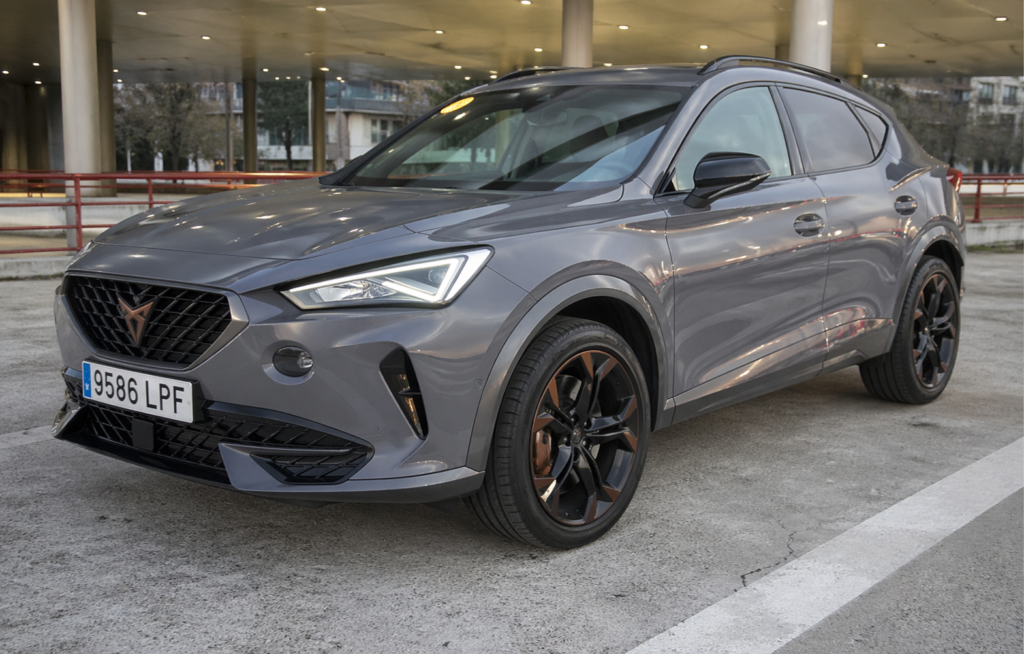
When we talk about the Cupra Formentor, we’re not just discussing another crossover—we’re stepping into a world where performance meets personality. And at the heart of that personality? The engine.
So, what exactly is the engine size of the Cupra Formentor? The short answer: it varies. The long answer? That’s where things get interesting.
Let’s dive deep into every engine option, what it means for real-world driving, and how to choose the right one for your needs.
Content in this publication
- Understanding Engine Size: Why It Matters
- Overview of Cupra Formentor Engine Sizes
- 1.0L TSI Engine: The Entry-Level Performer
- 1.5L TSI Engine: The Sweet Spot
- 2.0L TSI Engine: Performance Unleashed
- Cupra Formentor VZ: The Flagship Powerhouse
- 1.4L e-Hybrid: Efficiency Meets Innovation
- 2.0L TDI Diesel: The Long-Distance Champion
- Engine Size vs Performance: What’s the Relationship?
- Turbocharging: The Secret Sauce
- Fuel Efficiency Across Engine Sizes
- Which Engine Size Should You Choose?
- Engine Size and Insurance Costs
- Maintenance Considerations by Engine Size
- Real-World Driving: What We’ve Noticed
- How Engine Size Affects Resale Value
- Future of Cupra Engines
- Closing Thoughts: Choosing the Right Engine Size
- FAQs About Cupra Formentor Engine Size
- Summary: Engine Sizes at a Glance
Understanding Engine Size: Why It Matters
Before we explore specific engines, let’s get one thing straight—engine size isn’t just a number.
What Does Engine Size Mean?
Engine size (measured in liters or cubic centimeters) represents the total volume of all cylinders in the engine.
- A larger engine = more power (usually)
- A smaller engine = better fuel efficiency (typically)
But modern engineering flips the script. Turbocharging, hybrid tech, and smart tuning mean even small engines can pack a punch.
Why It Matters for Drivers
Think of engine size like a personality trait:
- Want efficiency? Go smaller.
- Want thrills? Go bigger.
- Want both? Welcome to the Formentor lineup.
Overview of Cupra Formentor Engine Sizes
The Cupra has equipped the Formentor with a diverse engine range. Here’s the lineup:
Available Engine Sizes
- 1.0L TSI (3-cylinder)
- 1.5L TSI (4-cylinder)
- 2.0L TSI (4-cylinder)
- 1.4L e-Hybrid (PHEV)
- 2.0L TDI (diesel)
Each one offers a different driving experience—like choosing between espresso, cappuccino, or a full-on energy drink.
1.0L TSI Engine: The Entry-Level Performer
Compact Yet Capable
The smallest engine in the range is a 1.0-liter 3-cylinder turbocharged unit.
Key Specs
- Power: ~110 hp
- Torque: ~200 Nm
- Transmission: Manual
- Drivetrain: Front-wheel drive
Who Is It For?
This engine is perfect if:
- You mostly drive in the city
- Fuel economy is your priority
- You don’t need aggressive acceleration
Driving Feel
It’s like riding a nimble bicycle in traffic—light, efficient, and surprisingly responsive.
1.5L TSI Engine: The Sweet Spot
Balanced Performance and Efficiency
This 1.5-liter 4-cylinder turbocharged engine is arguably the most popular choice.
Key Specs
- Power: ~150 hp
- Torque: ~250 Nm
- Available with DSG automatic
Why It Stands Out
- Smooth acceleration
- Great fuel economy
- Ideal for mixed driving
Our Take
If the Formentor were a playlist, this engine would be the “repeat all” option—reliable and enjoyable every time.
2.0L TSI Engine: Performance Unleashed
Where the Magic Happens
Now we’re talking serious power. The 2.0-liter TSI engine comes in multiple outputs.
Variants Include
- 190 hp
- 245 hp
- 310 hp (VZ model)
What Makes It Special
- AWD available (4Drive system)
- Rapid acceleration
- Sport-tuned dynamics
Driving Experience
This is where the Formentor transforms—from a practical SUV into a performance beast. Press the accelerator, and it feels like being pulled by an invisible force.
Cupra Formentor VZ: The Flagship Powerhouse
2.0L TSI (310 hp)
The VZ version is the crown jewel of the lineup.
Highlights
- 0–100 km/h: ~4.9 seconds
- AWD system
- Performance exhaust
Who Should Choose This?
- Driving enthusiasts
- People who crave speed
- Those who want a sporty SUV without compromise
This isn’t just an engine—it’s a statement.
1.4L e-Hybrid: Efficiency Meets Innovation
Plug-In Hybrid Power
The Formentor also offers a 1.4-liter petrol engine paired with an electric motor.
Combined Output
- 204 hp or 245 hp
Why It’s a Game-Changer
- Electric-only driving mode
- Lower emissions
- Tax and fuel savings
Driving Feel
Silent when you want it. Powerful when you need it. It’s like having two personalities in one car.
2.0L TDI Diesel: The Long-Distance Champion
Built for Efficiency and Range
The diesel option offers practicality for high-mileage drivers.
Key Features
- Strong torque
- Excellent fuel economy
- Ideal for highway cruising
Best For
- Long commutes
- Road trips
- Drivers prioritizing MPG
Engine Size vs Performance: What’s the Relationship?
Let’s simplify it:
- 1.0L → Efficient, urban driving
- 1.5L → Balanced daily use
- 2.0L → Performance-focused
- Hybrid → Efficiency + power
But remember—technology matters just as much as size.
Turbocharging: The Secret Sauce
Almost every Formentor engine uses turbocharging.
What Does It Do?
- Forces more air into the engine
- Increases power without increasing size
Result?
A 1.5L engine can feel like a bigger one. It’s like adding a turbo boost button to your driving experience.
Fuel Efficiency Across Engine Sizes
Estimated Economy
- 1.0L: Excellent (best in range)
- 1.5L: Very good
- 2.0L: Moderate
- Hybrid: Outstanding (especially in city driving)
- Diesel: Excellent for long trips
Which Engine Size Should You Choose?
Let’s break it down.
Choose 1.0L if:
- You want low running costs
- You mainly drive in the city
Choose 1.5L if:
- You want balance
- You do mixed driving
Choose 2.0L if:
- You love performance
- You want AWD capability
Choose Hybrid if:
- You want eco-friendly driving
- You have access to charging
Choose Diesel if:
- You drive long distances regularly
Engine Size and Insurance Costs
Generally:
- Smaller engines = cheaper insurance
- Larger engines = higher premiums
But factors like trim level and driver profile also matter.
Maintenance Considerations by Engine Size
Smaller Engines
- Lower servicing costs
- Simpler components
Larger Engines
- Higher maintenance costs
- More performance parts
Hybrid Systems
- More complex
- Potential long-term savings
Real-World Driving: What We’ve Noticed
After analyzing real-world feedback, here’s what stands out:
- The 1.5L engine feels more powerful than expected
- The 2.0L VZ delivers true sports car vibes
- The hybrid excels in urban environments
How Engine Size Affects Resale Value
Interestingly:
- Mid-range engines (like 1.5L) often hold value best
- High-performance models appeal to niche buyers
- Hybrids are gaining popularity
Future of Cupra Engines
With electrification on the rise, Cupra is shifting toward:
- More hybrid options
- Fully electric vehicles
- Smaller, more efficient engines
The future? Less noise, more innovation.
Closing Thoughts: Choosing the Right Engine Size
Choosing the right engine size in the Cupra Formentor is like choosing the right pair of shoes—it depends on where you’re going.
- City streets? Go small.
- Open highways? Go diesel.
- Twisty roads? Go 2.0L.
- Eco-conscious? Go hybrid.
There’s no one-size-fits-all answer—but that’s exactly what makes the Formentor so compelling.
FAQs About Cupra Formentor Engine Size
1. What is the most powerful engine in the Cupra Formentor?
The 2.0L TSI engine with 310 hp in the VZ model is the most powerful.
2. Is the 1.0L engine enough for daily driving?
Yes, especially for city use, but it may feel underpowered on highways.
3. Which engine is best for fuel economy?
The hybrid and diesel options offer the best efficiency.
4. Does engine size affect reliability?
Not directly—maintenance and driving habits matter more.
5. Is the hybrid version worth it?
Yes, if you want lower fuel costs and eco-friendly driving.
Summary: Engine Sizes at a Glance
- 1.0L → Budget-friendly, city-focused
- 1.5L → Best all-rounder
- 2.0L → Performance-driven
- Hybrid → Efficient and modern
- Diesel → Long-distance efficiency
If you want to know other articles similar to Cupra Formentor Engine Size: The Complete Guide to Power, Performance, and Precision you can visit the category Service and Parts.
Vauxhall Mokka Tyre Pressure Reset: Complete Guide
How to Reset the Tire Pressure System on Your Hyundai Tucson
Hyundai Kona Tire Pressure: Complete PSI Guide
Vauxhall Corsa Timing Belt Replacement Cost UK 2026
Mazda CX-5 Tire Size Chart: 2013–2026 Guide
How to Reset a Honda Civic: Complete Step-by-Step Guide
Leave a Reply
More content of your interest