

Cupra Formentor Towing Capacity: The Complete Practical Guide

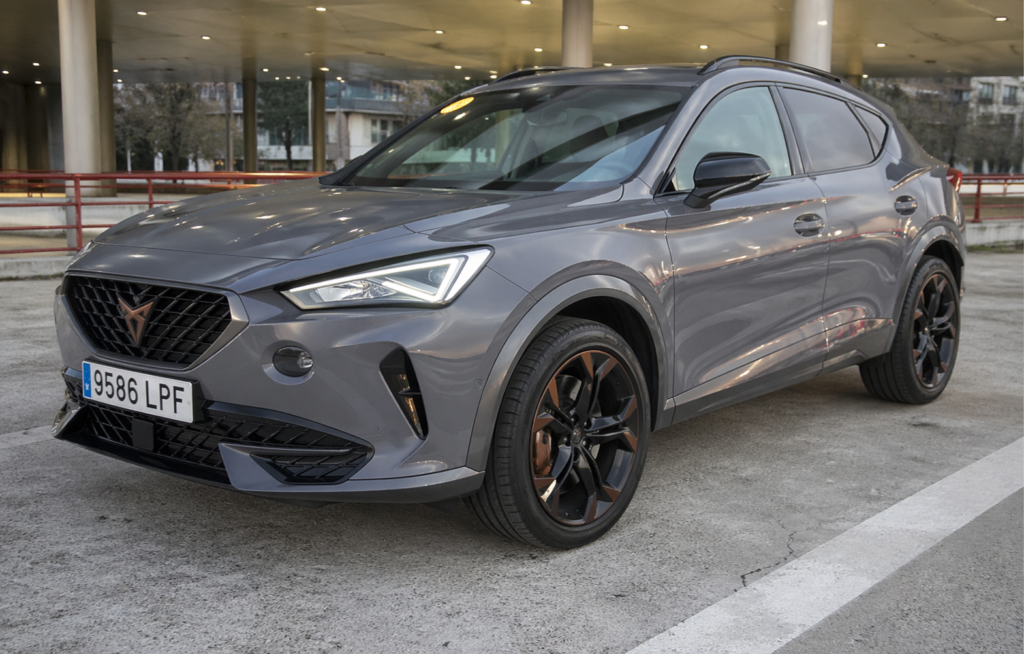
When we talk about sporty SUVs, towing isn’t always the first thing that comes to mind. But here’s the twist—what if performance and practicality actually shake hands? That’s exactly where the Cupra Formentor enters the conversation.
In this guide, we’re going to break down everything you need to know about the Cupra Formentor towing capacity—not just numbers, but real-world usability, limitations, and whether this stylish machine is truly built for hauling.
Content in this publication
- What Is the Cupra Formentor Towing Capacity?
- Why Towing Capacity Isn’t Just One Number
- Breaking Down Towing Capacity by Engine Variant
- Braked vs Unbraked Towing Explained
- Real-World Towing: What Can You Actually Pull?
- The Role of Torque in Towing
- Drivetrain Matters: FWD vs AWD
- Tow Bar Options for the Cupra Formentor
- Does Towing Affect Fuel Economy?
- Driving Tips When Towing With a Cupra Formentor
- Payload vs Towing Capacity: Don’t Confuse Them
- Is the Cupra Formentor Good for Towing?
- Cupra Formentor vs Competitors for Towing
- Legal Considerations When Towing
- Safety Features That Help While Towing
- Common Mistakes to Avoid
- How to Maximize Towing Performance
- Maintenance Considerations When Towing Regularly
- Is It Worth Using the Formentor for Towing?
- Final Thoughts: Style Meets Practicality
- FAQs About Cupra Formentor Towing Capacity
What Is the Cupra Formentor Towing Capacity?
Let’s start with the headline figure.
The towing capacity of the Cupra Formentor varies depending on engine configuration, drivetrain, and transmission. Generally speaking:
- Braked towing capacity: up to 1,500 kg
- Unbraked towing capacity: around 700–750 kg
That’s respectable for a compact performance SUV—but there’s nuance here.
Why Towing Capacity Isn’t Just One Number
Understanding the Basics
Towing capacity isn’t a single universal figure. It depends on:
- Engine power and torque
- Gearbox type
- Drivetrain (FWD vs AWD)
- Cooling systems
- Structural reinforcement
Think of it like asking how much weight a runner can carry—it depends on their build, stamina, and terrain.
Breaking Down Towing Capacity by Engine Variant
1. 1.5 TSI Petrol (150 PS)
- Drivetrain: Front-wheel drive
- Max towing: ~1,300 kg (braked)
- Best for light trailers or small campers
This version is efficient but not built for heavy-duty towing.
2. 2.0 TSI Petrol (190 PS / 245 PS)
- Drivetrain: AWD (4Drive)
- Max towing: up to 1,500 kg
- Ideal for medium caravans and utility trailers
This is where things start to get serious.
3. VZ Models (310 PS Performance Variant)
- Drivetrain: AWD
- Max towing: still around 1,500 kg
Surprisingly, even with all that power, towing capacity doesn’t increase dramatically. Why? Because towing limits are more about chassis and cooling than raw horsepower.
4. Plug-in Hybrid (PHEV)
- Max towing: around 1,200–1,300 kg
Hybrid systems add weight, which can slightly reduce towing capability.
Braked vs Unbraked Towing Explained
Braked Trailers
These have their own braking system.
- Safer for heavier loads
- Allow higher towing limits
- Required for caravans and large trailers
Unbraked Trailers
No independent brakes.
- Limited to lighter loads (~750 kg)
- Best for small utility trailers
Real-World Towing: What Can You Actually Pull?
Let’s translate those numbers into reality.
With 1,500 kg Towing Capacity, You Can Tow:
- Small to medium caravans
- Jet skis or small boats
- Motorcycle trailers
- Compact camping trailers
But Not Ideal For:
- Large twin-axle caravans
- Heavy horseboxes
- Big construction trailers
The Role of Torque in Towing
Why Torque Matters More Than Power
Horsepower gets the spotlight—but torque does the heavy lifting.
- Higher torque = better pulling ability
- Diesel engines usually excel here (though Formentor is petrol-focused)
The Formentor’s turbocharged engines provide solid torque, making it capable despite its sporty DNA.
Drivetrain Matters: FWD vs AWD
Front-Wheel Drive (FWD)
- Less traction under load
- Lower towing stability
- Better fuel economy
All-Wheel Drive (AWD / 4Drive)
- Superior grip when towing
- More stable under acceleration
- Ideal for slippery conditions
If towing is part of your lifestyle, AWD is the smarter pick.
Tow Bar Options for the Cupra Formentor
Types of Tow Bars
- Fixed Tow Bar
- Always visible
- Strong and cost-effective
- Detachable Tow Bar
- Removable when not in use
- Keeps the car’s sporty look intact
- Retractable Tow Bar
- Hidden electrically
- Premium but expensive
Does Towing Affect Fuel Economy?
Short answer? Yes—and significantly.
What Happens When You Tow:
- Increased engine load
- Higher fuel consumption
- Reduced acceleration efficiency
Expect fuel consumption to increase by 20–40%, depending on weight and driving conditions.
Driving Tips When Towing With a Cupra Formentor
Keep It Smooth and Controlled
- Accelerate gradually
- Brake earlier than usual
- Maintain steady speeds
Mind Your Speed
In many countries:
- Lower speed limits apply when towing
- Stability decreases at high speeds
Payload vs Towing Capacity: Don’t Confuse Them
Payload
Weight inside the car (passengers + cargo)
Towing Capacity
Weight behind the car (trailer)
Both combined must not exceed the Gross Train Weight (GTW).
Is the Cupra Formentor Good for Towing?
Strengths
- Strong turbocharged engines
- AWD availability
- Stable chassis for moderate loads
Limitations
- Not designed for heavy-duty towing
- Lower capacity compared to larger SUVs
- Sport-focused suspension may feel firm
Cupra Formentor vs Competitors for Towing
Let’s compare briefly.
Vs Volkswagen Tiguan
- Tiguan: up to 2,500 kg
- Formentor: up to 1,500 kg
👉 Tiguan wins for heavy towing.
Vs Hyundai Tucson
- Tucson: ~1,650–1,900 kg
- Formentor: ~1,500 kg
👉 Tucson edges ahead slightly.
Vs BMW X2
- Similar towing capacities
- Formentor feels sportier
👉 More balanced competition.
Legal Considerations When Towing
Before hitching up, always check:
- Driving license restrictions
- Trailer registration requirements
- Local towing laws and limits
Ignoring this is like driving blindfolded—risky and unnecessary.
Safety Features That Help While Towing
The Cupra Formentor includes:
- Electronic Stability Control (ESC)
- Trailer Stability Assist
- Rear parking sensors and cameras
These systems act like a safety net when things get unpredictable.
Common Mistakes to Avoid
- Overloading the trailer
- Ignoring tire pressure
- Poor weight distribution
- Driving too fast
Even a capable SUV can struggle if misused.
How to Maximize Towing Performance
Quick Checklist
- Use AWD models when possible
- Install a quality tow bar
- Balance trailer weight properly
- Keep tires properly inflated
- Avoid sudden steering inputs
Think of towing like dancing—it’s all about rhythm and balance.
Maintenance Considerations When Towing Regularly
Towing adds stress to your vehicle.
Pay Extra Attention To:
- Brakes
- Transmission fluid
- Engine cooling system
- Tires
Regular maintenance keeps everything running smoothly.
Is It Worth Using the Formentor for Towing?
Here’s the honest take:
If you’re planning occasional towing—weekend trips, light caravans, or sports equipment—the Formentor handles it beautifully.
But if your life revolves around hauling heavy loads? You might want something bigger.
Final Thoughts: Style Meets Practicality
The Cupra Formentor proves that you don’t have to sacrifice style for functionality. It’s not a workhorse—but it’s not pretending to be one either.
Instead, it sits comfortably in that sweet spot:
👉 Sporty enough for fun
👉 Capable enough for real-life needs
And honestly, that balance is what makes it stand out.
FAQs About Cupra Formentor Towing Capacity
1. What is the maximum towing capacity of the Cupra Formentor?
Up to 1,500 kg (braked), depending on the engine and drivetrain.
2. Can the Cupra Formentor tow a caravan?
Yes, small to medium caravans are well within its capabilities.
3. Is AWD necessary for towing?
Not strictly, but AWD improves traction and stability significantly.
4. Does towing damage the Cupra Formentor?
Not if done within limits and with proper maintenance.
5. Can a plug-in hybrid Formentor tow as much as petrol versions?
No, PHEV versions typically have slightly lower towing capacities.
If you want to know other articles similar to Cupra Formentor Towing Capacity: The Complete Practical Guide you can visit the category Service and Parts.
Kia Sorento Service Reset: How to Reset the Service Light
Kia Sorento Fuel Tank Capacity: Gallons, Litres and Model Differences
Kia Sorento Tyre Pressure: Recommended PSI, Bar and Complete Guide
Kia Sorento Boot Space: How Much Luggage Space Does It Really Have?
Kia Sorento Towing Capacity: How Much Can a Sorento Tow?

Honda Passport Payload Capacity: How Much Weight Can It Carry?
Leave a Reply
More content of your interest