

What Subaru Crosstrek Years to Avoid: The Honest Buyer’s Guide We Wish We Had

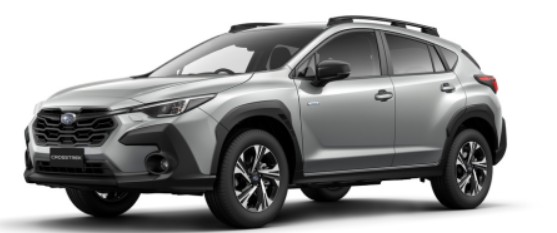
When we’re hunting for a used Subaru Crosstrek, it’s easy to fall for its rugged charm—like a hiking boot that somehow learned how to drive. But here’s the truth: not every model year is created equal.
Some years shine like a perfectly tuned boxer engine. Others? Well… they can feel like a trail filled with unexpected potholes.
So, let’s cut through the noise and dig into what Subaru Crosstrek years to avoid, why they matter, and how to make a smart, confident purchase.
Content in this publication
- Why Knowing Problematic Model Years Actually Matters
- A Quick Look at the Subaru Crosstrek Generations
- The Worst Subaru Crosstrek Years to Avoid
- 2013 Subaru Crosstrek: The Risky Debut
- 2014 Subaru Crosstrek: Slightly Better, Still Flawed
- 2016 Subaru Crosstrek: The Unexpected Letdown
- Are These Years Always Bad? Not Exactly
- Subaru Crosstrek Years That Are Actually Safe Bets
- Why 2018 Was a Turning Point
- Common Problems Across All Crosstrek Years
- Engine Performance: Why Some Years Feel Sluggish
- Transmission Talk: CVT Pros and Cons
- Reliability vs. Perception: The Subaru Reputation
- What to Check Before Buying a Used Crosstrek
- Is the Crosstrek Still Worth Buying?
- Our Final Verdict: The Years to Avoid and Embrace
- Closing Thoughts: Choose Smart, Drive Happy
- FAQs
Why Knowing Problematic Model Years Actually Matters
We’ve all heard someone say, “It’s a Subaru—it’ll last forever.” And yes, Subaru builds durable vehicles. But even the most reliable lineup has its hiccups.
Choosing the wrong year can mean:
- Unexpected repair bills
- Annoying recurring issues
- Lower resale value
- A driving experience that feels… off
Think of it like buying a smartphone—same model name, but some versions just glitch more than others.
A Quick Look at the Subaru Crosstrek Generations
Before we call out specific years, let’s understand the timeline.
First Generation (2013–2017)
- Essentially a lifted Subaru Impreza
- Introduced the Crosstrek name globally
- Early adoption issues
Second Generation (2018–2023)
- Built on Subaru Global Platform
- Improved ride quality and safety
- Fewer complaints overall
Third Generation (2024–Present)
- Refined design and tech
- Too new for long-term reliability data
The Worst Subaru Crosstrek Years to Avoid
Let’s get straight to the point—these are the years that deserve extra caution.
2013 Subaru Crosstrek: The Risky Debut


Why It’s Problematic
The 2013 model was the very first Crosstrek. And like most first attempts, it had growing pains.
Common Issues
- Excessive oil consumption
- Weak engine performance
- CVT transmission hesitation
- Interior quality concerns
What It Feels Like
Driving this year can feel like asking too much from a small engine—it tries, but struggles.
2014 Subaru Crosstrek: Slightly Better, Still Flawed


Improvements… But Not Enough
Subaru made tweaks, but many issues carried over.
Key Problems
- Continued oil consumption complaints
- Transmission quirks
- Slow acceleration
Verdict
Not a total disaster—but still not a year we’d rush to buy.
2016 Subaru Crosstrek: The Unexpected Letdown


Why It Surprises Buyers
You’d expect reliability to improve mid-generation—but 2016 had its share of complaints.
Reported Issues
- Infotainment glitches
- Transmission hesitation
- Minor electrical problems
Reality Check
It’s not the worst year—but it’s inconsistent enough to raise eyebrows.
You may be interested in reading Subaru Crosstrek vs Outback: Which One Truly Fits Your Life?
Are These Years Always Bad? Not Exactly
Here’s where things get nuanced.
Even a “bad” year can be a great buy if:
- The car was well-maintained
- Recalls were addressed
- Service history is clean
Think of it like buying a used laptop—same model, totally different experience depending on the owner.
Subaru Crosstrek Years That Are Actually Safe Bets
Let’s flip the script.
Best Years to Consider
- 2018
- 2019
- 2020
- 2021
These models benefit from:
- Improved Subaru Global Platform
- Better ride comfort
- Fewer reported issues
Why 2018 Was a Turning Point


The 2018 model wasn’t just an update—it was a transformation.
What Changed
- Stronger chassis
- Quieter cabin
- More refined driving experience
Driving Feel
Finally, the Crosstrek felt like it matched its adventurous image.
Common Problems Across All Crosstrek Years
Even the best years aren’t perfect.
Issues You Might Still Encounter
- Mild oil consumption
- CVT responsiveness quirks
- Road noise at highway speeds
But here’s the key: these are annoyances—not deal-breakers.
Engine Performance: Why Some Years Feel Sluggish
The Crosstrek’s 2.0L engine has always been… modest.
What That Means for You
- Slow acceleration
- Struggles on steep hills
- Better suited for city and light off-road use
Later models introduced a 2.5L engine—much needed, honestly.
Transmission Talk: CVT Pros and Cons
Subaru’s CVT gets mixed reviews.
Pros
- Smooth driving
- Better fuel economy
Cons
- Feels unresponsive at times
- Can hesitate under load
Earlier years (especially 2013–2015) had more complaints.
Reliability vs. Perception: The Subaru Reputation
Subaru has a loyal fanbase—and for good reason.
You may be interested in readingSubaru Crosstrek vs Outback: Which One Truly Fits Your Life?You may be interested in reading
Subaru Crosstrek vs Toyota RAV4: Which SUV Truly Fits Your Lifestyle?But reputation doesn’t mean perfection.
What We’ve Learned
- Reliability improved significantly after 2018
- Early Crosstreks need more scrutiny
- Maintenance history matters more than model year alone
What to Check Before Buying a Used Crosstrek
If you’re considering one, don’t skip this checklist:
Must-Check Items
- Oil consumption history
- Transmission performance
- Service records
- Recall completion
Pro Tip
Always get a pre-purchase inspection. It’s like a lie detector for cars.
Is the Crosstrek Still Worth Buying?
Absolutely—but with strategy.
If you avoid the problematic years and choose wisely, the Crosstrek can be:
- Reliable
- Fuel-efficient
- Adventure-ready
It’s not a speed machine—but it’s a dependable companion.
Our Final Verdict: The Years to Avoid and Embrace
Avoid If Possible
- 2013
- 2014
- 2016
Best Picks
- 2018 and newer
Bottom Line
Think of early Crosstreks as prototypes—and later ones as polished products.
Closing Thoughts: Choose Smart, Drive Happy
Buying a used car is a bit like dating—you don’t just go for looks, you look for consistency.
The Subaru Crosstrek can be an incredible partner on the road… as long as you pick the right year.
Take your time, do your homework, and trust your instincts.
FAQs
1. What is the worst Subaru Crosstrek year?
The 2013 model is widely considered the worst due to oil consumption and early CVT issues.
2. Are Subaru Crosstreks reliable overall?
Yes, especially models from 2018 onward, which show improved reliability and fewer complaints.
3. Does the Crosstrek have engine problems?
Early models had oil consumption issues, but newer ones are much more stable.
4. Is the Crosstrek underpowered?
Yes, especially with the 2.0L engine. Later models with 2.5L perform better.
You may be interested in readingSubaru Crosstrek vs Outback: Which One Truly Fits Your Life?You may be interested in reading
Subaru Crosstrek vs Toyota RAV4: Which SUV Truly Fits Your Lifestyle?You may be interested in reading
Subaru Crosstrek vs Mazda CX-30: Which Compact SUV Truly Wins?5. Should I avoid all early Crosstrek models?
Not necessarily—but inspect them carefully and prioritize maintenance history.
If you want to know other articles similar to What Subaru Crosstrek Years to Avoid: The Honest Buyer’s Guide We Wish We Had you can visit the category Models.
Kia Sorento Models: Complete Guide to Trims, Engines and Versions
BYD Shark 6 vs Ranger vs HiLux: Which Ute Makes the Most Sense in 2026?
BYD Shark 6 vs MG U9: Which Ute Makes More Sense in 2026?
BYD Shark 6 vs Ford Ranger Raptor: Which Performance Ute Is Better in 2026?
BYD Shark 6 vs Kia Tasman: Which Ute Is Better?
BYD Shark 6 vs 7: What We Know So Far
Leave a Reply
More content of your interest