

Suzuki S-Cross Insurance Group: What We Need to Know Before Buying

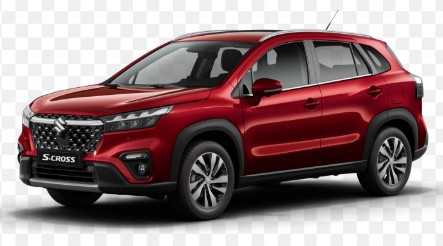
When we think about owning a car like the Suzuki S-Cross, we often focus on fuel economy, comfort, or reliability. But let’s be honest—insurance costs can quietly shape the entire ownership experience.
So, where does the Suzuki S-Cross sit in terms of insurance group? And more importantly, how does that translate into real-world premiums?
Let’s break it down together in a way that actually makes sense—no jargon, no fluff, just useful insight.
Content in this publication
- Understanding Insurance Groups: The Basics We Often Ignore
- Where Does the Suzuki S-Cross Sit?
- Breaking Down S-Cross Variants and Their Insurance Groups
- What Actually Affects the Insurance Group?
- Why the Suzuki S-Cross Is Relatively Cheap to Insure
- How It Compares to Rivals
- Real-World Insurance Costs: What We Can Expect
- Tips to Lower Your Suzuki S-Cross Insurance
- Does Engine Choice Impact Insurance?
- Manual vs Automatic: Does It Matter?
- Hybrid Models and Insurance
- Is the Suzuki S-Cross Good for Young Drivers?
- Insurance Group vs Actual Risk: A Reality Check
- Long-Term Ownership Costs: The Bigger Picture
- Who Should Buy the Suzuki S-Cross?
- Is It Worth It From an Insurance Perspective?
- Closing Thoughts: The Smart Choice We Often Overlook
- FAQs About Suzuki S-Cross Insurance Group
Understanding Insurance Groups: The Basics We Often Ignore
Insurance groups might sound like something only insurers care about—but they matter a lot more than we think.
What Are Insurance Groups?
Insurance groups are categories (usually from 1 to 50) that insurers use to determine how expensive it is to cover a vehicle.
- Group 1 → Cheapest to insure
- Group 50 → Most expensive to insure
Think of it like hotel stars. A 5-star hotel costs more because of what it offers—and the same logic applies here.
Where Does the Suzuki S-Cross Sit?
Typical Insurance Group Range
The Suzuki S-Cross usually falls between:
- Insurance Group 11 to 20 (depending on engine and trim)
That puts it comfortably in the lower-to-mid range, which is great news.
Why This Matters
- Affordable for young drivers (relatively speaking)
- Competitive for families
- Lower long-term ownership cost
It’s not bargain-basement cheap—but it’s far from premium-level expensive.
Breaking Down S-Cross Variants and Their Insurance Groups
Entry-Level Models
Lower trims with smaller engines (like 1.0 Boosterjet or mild hybrid variants):
- Insurance Group: 11–14
- Cheapest to insure
- Ideal for budget-conscious buyers
Mid-Range Models
Balanced trims with more features:
- Insurance Group: 15–17
- Slightly higher premiums
- Still very manageable
Top-Spec Models
AllGrip AWD versions or higher trims:
- Insurance Group: 18–20
- Higher repair costs = higher insurance
- Still below many competitors
What Actually Affects the Insurance Group?
Let’s be real—insurance groups aren’t random. They’re calculated based on specific factors.
Key Elements Insurers Consider
- Repair Costs → Expensive parts = higher group
- Performance → Faster cars = higher risk
- Safety Features → Better safety = lower group
- Value of the Car → Pricier cars cost more to insure
- Theft Risk → Popular targets increase premiums
The S-Cross scores well because it balances practicality with modest performance.
Why the Suzuki S-Cross Is Relatively Cheap to Insure
Here’s where things get interesting.
1. Modest Performance
The S-Cross isn’t built to race—it’s built to cruise.
- Lower horsepower
- Predictable driving behavior
- Lower accident risk
2. Strong Safety Features
Modern S-Cross models include:
- Lane departure warning
- Adaptive cruise control
- Automatic emergency braking
Safety reduces claims—and insurers love that.
You may be interested in reading Is the Suzuki S-Cross a Good Car? A Deep, Honest Look
3. Affordable Parts
Suzuki is known for:
- Reasonably priced components
- Widely available parts
- Lower repair times
4. Practical Design
This isn’t a flashy sports SUV—it flies under the radar.
- Less attractive to thieves
- Lower vandalism risk
How It Compares to Rivals
Let’s put things into perspective.
Suzuki S-Cross vs Competitors
- Nissan Qashqai → Typically higher insurance groups (15–25)
- Peugeot 2008 → Similar but slightly higher trims
- Hyundai Tucson → Usually higher (20–30 range)
What This Means
The S-Cross often undercuts rivals in insurance costs—making it a smart financial choice.
Real-World Insurance Costs: What We Can Expect
Insurance groups give us a hint—but what about actual premiums?
Estimated Annual Costs (UK-style benchmark)
- Young driver (20s): £900–£1,800
- Experienced driver: £400–£800
- Low-risk driver: £300–£600
Of course, these vary wildly depending on:
- Location
- Driving history
- No-claims bonus
Tips to Lower Your Suzuki S-Cross Insurance
Let’s be practical—how do we actually pay less?
Simple Ways to Save
- Increase voluntary excess
- Park in a secure garage
- Install a dashcam
- Limit annual mileage
- Add a named experienced driver
Smart Strategy
Insurance is like negotiating rent—you don’t accept the first offer.
Does Engine Choice Impact Insurance?
Absolutely—and more than we think.
- 1.0 Boosterjet → cheaper
- Hybrid models → moderate
- AWD versions → higher
Why? More power = more risk.
Manual vs Automatic: Does It Matter?
Yes—but slightly.
- Manual → Usually cheaper
- Automatic → Slightly higher premiums
The difference isn’t huge, but it exists.
Hybrid Models and Insurance
Modern S-Cross models often include mild hybrid tech.
Are Hybrids More Expensive to Insure?
Not necessarily.
- Slightly higher repair complexity
- But lower accident risk (smoother driving)
It balances out.
Is the Suzuki S-Cross Good for Young Drivers?
Let’s be honest—it’s not the cheapest option, but it’s not bad either.
Pros for Younger Drivers
- Moderate insurance group
- Easy handling
- Good visibility
Cons
- Not in the lowest groups (like city cars)
Think of it as a middle ground—safe, sensible, and not too punishing.
Insurance Group vs Actual Risk: A Reality Check
Here’s something we often forget.
You may be interested in readingIs the Suzuki S-Cross a Good Car? A Deep, Honest LookYou may be interested in reading
Suzuki S-Cross vs Vitara: Which One Truly Fits Your Life?Insurance group ≠ exact premium.
Two people with the same car can pay completely different prices.
Why?
- Driving history
- Credit profile
- Location
- Usage
So while the S-Cross sits in a friendly group, your personal profile still matters.
Long-Term Ownership Costs: The Bigger Picture
Insurance is just one piece of the puzzle.
Other Costs to Consider
- Fuel economy
- Maintenance
- Depreciation
- Road tax
The S-Cross performs well across the board, making it a well-rounded choice.
Who Should Buy the Suzuki S-Cross?
Let’s zoom out for a second.
Ideal Buyers
- Families wanting low running costs
- Commuters prioritizing efficiency
- Drivers avoiding high insurance premiums
Less Ideal For
- Performance enthusiasts
- Luxury-focused buyers
Is It Worth It From an Insurance Perspective?
Short answer? Yes.
Long answer? It’s one of those cars that quietly saves you money over time.
It’s not flashy—but it’s smart. Like choosing a reliable backpack instead of a designer one—you just get more value.
Closing Thoughts: The Smart Choice We Often Overlook
When we look at the Suzuki S-Cross through the lens of insurance, something becomes clear:
It’s built for balance.
Not too expensive, not too basic—just right.
And in a world where car ownership costs keep rising, that balance feels more valuable than ever.
FAQs About Suzuki S-Cross Insurance Group
1. What insurance group is the Suzuki S-Cross?
It typically falls between Groups 11 and 20, depending on the model and trim.
2. Is the Suzuki S-Cross cheap to insure?
Yes, compared to many SUVs, it’s relatively affordable.
3. Are hybrid S-Cross models more expensive to insure?
Slightly, but the difference is usually minimal.
4. Is the S-Cross good for first-time drivers?
It can be, though smaller cars may be cheaper to insure.
You may be interested in readingIs the Suzuki S-Cross a Good Car? A Deep, Honest LookYou may be interested in reading
Suzuki S-Cross vs Vitara: Which One Truly Fits Your Life?You may be interested in reading
Suzuki S-Cross vs Dacia Duster: Which SUV Truly Wins Our Hearts?5. Does AWD increase insurance costs?
Yes, AWD versions usually sit in higher insurance groups.
If you want to know other articles similar to Suzuki S-Cross Insurance Group: What We Need to Know Before Buying you can visit the category Blog.
Vauxhall Meriva Insurance Group UK: Costs, Ratings and Savings

Is Hyundai i40 a Good Car? An Honest Used-Car Review
Hyundai i40 Years to Avoid: The Complete Used-Car Guide
Hyundai i40 Reliability: Common Problems, Lifespan, and Buying Advice
Which Kia Rio Engine Is Best? A Smart Buyer’s Guide
Kia Rio Reliability: A Real-World Guide for Smart Buyers
Leave a Reply
More content of your interest