

Are Toyota Highlanders Reliable? A Deep Dive Into One of America’s Favorite SUVs

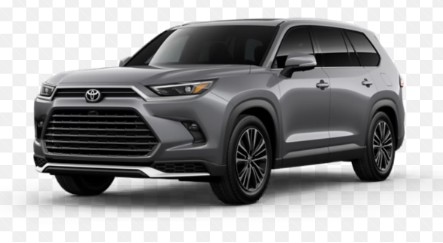
When we talk about midsize SUVs that seem to age like fine wine, the Toyota Highlander almost always enters the conversation. It’s the kind of vehicle we see everywhere — school drop-offs, family road trips, snowy mountain highways, and even parked proudly with 200,000 miles still ticking along like a loyal golden retriever.
But here’s the real question: Are Toyota Highlanders actually reliable, or are we simply repeating a reputation built decades ago?
Let’s peel back the layers. Because reliability isn’t just about whether an engine starts in the morning. It’s about long-term ownership costs, transmission durability, repair frequency, comfort over time, and whether the vehicle still feels trustworthy after years of abuse from potholes, grocery runs, and endless traffic jams.
The answer? The Highlander has earned its reputation — but not without nuance.
Content in this publication
- Why the Toyota Highlander Has Such a Strong Reliability Reputation
- What Reliability Really Means in an SUV
- How Long Do Toyota Highlanders Usually Last?
- Toyota Highlander Engines: Are They Dependable?
- Are Toyota Highlander Hybrid Models Reliable?
- Transmission Reliability: One of the Highlander’s Biggest Strengths
- Most Reliable Toyota Highlander Years
- Toyota Highlander Years to Be Careful With
- Common Toyota Highlander Problems
- How the Highlander Compares to Rival SUVs
- Maintenance Costs: Are Highlanders Expensive to Own?
- Why Toyota Reliability Feels Different
- Do Highlanders Hold Their Value Well?
- Is the Toyota Highlander Good for Families?
- The Hidden Reliability Advantage: Conservative Engineering
- What Owners Commonly Say About the Highlander
- Can a Toyota Highlander Reach 300,000 Miles?
- Are Used Toyota Highlanders Worth Buying?
- The Reliability Myth: Are Toyotas Overhyped?
- Should You Buy a Toyota Highlander for Long-Term Ownership?
- Final Verdict: Are Toyota Highlanders Reliable?
- Frequently Asked Questions
Why the Toyota Highlander Has Such a Strong Reliability Reputation
Toyota didn’t accidentally stumble into reliability dominance. The brand built its empire around predictable engineering and conservative design choices.
The Highlander embodies that philosophy perfectly.
Unlike some SUVs that chase flashy gimmicks or experimental tech, the Highlander traditionally focuses on:
- Proven powertrains
- Gradual engineering updates
- Durable transmissions
- Efficient hybrid systems
- High-quality manufacturing consistency
That formula may sound boring on paper, but in the real world, boring often equals dependable.
And dependable is exactly what most families want.
What Reliability Really Means in an SUV
Before crowning any SUV king, we need to define reliability properly.
A reliable vehicle should offer:
Low Frequency of Repairs
Nobody wants monthly visits to the mechanic.
Affordable Maintenance Costs
Oil changes and brake jobs are normal. Catastrophic engine rebuilds are not.
Long Lifespan
A reliable SUV should comfortably surpass 200,000 miles with proper care.
Strong Component Durability
Transmission, suspension, electronics, and cooling systems matter just as much as the engine.
Consistency Across Model Years
Some vehicles shine for a few years then collapse later. The Highlander has remained surprisingly stable over generations.
How Long Do Toyota Highlanders Usually Last?
This is where the Highlander starts flexing its muscles.
Many owners report reaching:
- 200,000 miles
- 250,000 miles
- Even 300,000+ miles
And they often do it without major engine failures.
That kind of longevity isn’t magic. It comes from a combination of:
- Conservative engine tuning
- High manufacturing standards
- Reliable automatic transmissions
- Well-balanced drivetrain engineering
Think of the Highlander like a marathon runner instead of a sprinter. It may not always be the flashiest SUV in the parking lot, but it keeps moving long after others have waved the white flag.
Toyota Highlander Engines: Are They Dependable?
The V6 Engines Are Particularly Strong
Toyota’s V6 engines in older and mid-generation Highlanders are widely respected.
Notable reliable engines include:
- 3.3L V6
- 3.5L V6
These engines are known for:
- Smooth power delivery
- Long-term durability
- Low internal failure rates
- Minimal oil consumption compared to rivals
Many owners barely stress these engines before crossing 150,000 miles.
That’s impressive for a family SUV constantly hauling passengers and cargo.
What About the Turbocharged Engine?
Newer Highlanders introduced turbocharged four-cylinder engines.
Turbo engines can sometimes raise eyebrows because forced induction adds complexity.
However, Toyota tends to engineer turbo systems conservatively compared to performance-oriented brands.
Early signs suggest the turbo Highlander remains fairly dependable, though it’s still too early to compare it with the legendary older V6 longevity.
Are Toyota Highlander Hybrid Models Reliable?
Surprisingly, yes — extremely.
The Toyota Highlander Hybrid is one of the most reliable hybrid SUVs on the market.
Toyota’s hybrid technology is practically the gold standard.
Why?
Because Toyota has decades of hybrid experience dating back to the Toyota Prius.
The Highlander Hybrid benefits from:
- Proven battery technology
- Reliable electric motors
- Excellent fuel efficiency
- Reduced engine stress
- Smooth drivetrain integration
In fact, some hybrid owners experience fewer drivetrain issues than gasoline-only owners because the electric system reduces wear on the combustion engine.
Transmission Reliability: One of the Highlander’s Biggest Strengths
Some SUVs develop terrifying transmission reputations.
The Highlander generally does not.
Toyota automatic transmissions are often praised for:
- Smooth shifting
- Long lifespan
- Predictable operation
- Lower failure rates
That doesn’t mean they’re indestructible.
Poor maintenance can still destroy any transmission.
But compared to many competitors, Highlander transmissions tend to age gracefully.
Most Reliable Toyota Highlander Years
Some model years stand above the rest.
Best Toyota Highlander Years for Reliability
2017–2019 Models
These years strike an excellent balance between modern technology and mature engineering.
Benefits include:
- Strong V6 performance
- Refined transmission tuning
- Updated safety tech
- Fewer major complaints
2009–2013 Models
Older but extremely durable.
You may be interested in reading What Year Is the Best for Toyota Highlander?
These Highlanders became known for:
- Robust engines
- Comfortable interiors
- Long-term dependability
2020–Present Hybrid Models
Early data suggests strong reliability so far, especially in hybrid trims.
Toyota Highlander Years to Be Careful With
No SUV is perfect.
Even the Highlander has weaker years.
2008 Highlander
Some owners reported:
- Oil leaks
- Steering issues
- Premature component wear
2014–2015 Models
A few complaints emerged involving:
- Transmission hesitation
- Infotainment glitches
- Minor electrical concerns
These issues weren’t catastrophic compared to some competitors, but they’re worth noting.
Common Toyota Highlander Problems
Even reliable SUVs have patterns.
Let’s talk honestly about the Highlander’s weak spots.
Oil Leaks
Older models may develop:
- Valve cover gasket leaks
- Timing cover seepage
Usually manageable, but repairs can become expensive if ignored.
Infotainment Problems
Modern SUVs increasingly depend on software.
Some Highlanders experience:
- Frozen screens
- Bluetooth pairing issues
- Laggy interfaces
Thankfully, these problems are usually annoying rather than dangerous.
Brake Wear
Because the Highlander is relatively heavy, brakes can wear faster depending on driving habits.
Aggressive city driving accelerates this.
Minor Transmission Hesitation
Some owners noticed delayed acceleration in certain model years.
This was often related to transmission programming rather than mechanical failure.
How the Highlander Compares to Rival SUVs
Reliability becomes more interesting when compared directly.
Toyota Highlander vs Honda Pilot
The Honda Pilot is reliable too, but the Highlander often edges ahead in long-term ownership satisfaction.
Why?
- Fewer transmission concerns historically
- Better hybrid reliability
- Strong resale value
Toyota Highlander vs Ford Explorer
The Ford Explorer offers performance and space, but reliability consistency favors Toyota.
Explorer owners have historically reported more:
- Transmission issues
- Electrical gremlins
- Turbo-related concerns
Toyota Highlander vs Kia Telluride
The Kia Telluride is newer and highly praised, but the Highlander has decades of proven durability behind it.
Toyota’s reliability reputation is built over generations, not just a few strong years.
Maintenance Costs: Are Highlanders Expensive to Own?
Not particularly.
That’s another reason people adore them.
Average maintenance costs are often lower than European competitors and many domestic SUVs.
Common maintenance includes:
- Oil changes
- Brake pads
- Tires
- Fluid services
- Filters
The key difference is frequency of major repairs.
The Highlander typically avoids wallet-destroying surprises.
Why Toyota Reliability Feels Different
Some vehicles survive because owners constantly repair them.
Toyota reliability feels different because many Highlanders simply keep operating with minimal drama.
That matters psychologically.
You trust the vehicle.
And trust is hard to quantify.
There’s something comforting about turning the key — or pressing the start button — without wondering whether today is the day the transmission explodes like a volcano in a disaster movie.
Do Highlanders Hold Their Value Well?
Absolutely.
The Toyota Highlander has excellent resale value.
Reliability directly influences this.
Used buyers actively search for dependable SUVs, and the Highlander consistently appears near the top of shopping lists.
A vehicle with strong resale value often signals market confidence in long-term durability.
Is the Toyota Highlander Good for Families?
This is arguably where the Highlander shines brightest.
Families prioritize:
- Reliability
- Safety
- Predictability
- Comfort
- Low ownership stress
The Highlander delivers all five.
Why Parents Love It
Comfortable Ride
It absorbs rough roads smoothly.
Strong Safety Reputation
Toyota Safety Sense features add peace of mind.
You may be interested in readingWhat Year Is the Best for Toyota Highlander?You may be interested in reading
Toyota Grand Highlander vs Jeep Grand Cherokee LQuiet Cabin
Road trips become less exhausting.
Fuel Efficiency
Especially in hybrid versions.
Low Stress Ownership
That may be the biggest advantage of all.
Some manufacturers chase innovation aggressively.
Toyota tends to evolve slowly.
That may sound less exciting, but it prevents many disasters.
Instead of reinventing the wheel every few years, Toyota refines proven systems repeatedly.
The result?
Fewer catastrophic surprises.
Like a chef perfecting a classic recipe instead of experimenting with bizarre ingredients every night.
What Owners Commonly Say About the Highlander
Owner feedback consistently highlights:
- Dependability
- Smooth driving
- Longevity
- Comfortable interiors
- Minimal major repairs
Negative comments usually focus on:
- Conservative styling
- Less sporty handling
- Bland infotainment systems
Interestingly, reliability complaints remain relatively rare compared to competitors.
Can a Toyota Highlander Reach 300,000 Miles?
Yes — and many have.
But longevity depends heavily on maintenance.
Key Factors That Help Highlanders Last
- Regular oil changes
- Transmission fluid servicing
- Cooling system maintenance
- Quality tires
- Timely brake replacement
- Avoiding neglected repairs
Treat the Highlander properly, and it often rewards owners with extraordinary durability.
Neglect it, and even Toyota engineering eventually surrenders.
Are Used Toyota Highlanders Worth Buying?
In many cases, yes.
A well-maintained used Highlander can be one of the smartest SUV purchases available.
What to Check Before Buying
Service Records
Maintenance history matters more than mileage alone.
Transmission Behavior
Test for smooth shifts.
Oil Leaks
Inspect underneath carefully.
Suspension Wear
Listen for clunks over bumps.
Hybrid Battery Health
Important for hybrid versions.
The Reliability Myth: Are Toyotas Overhyped?
Let’s be fair.
No vehicle is immortal.
Some people exaggerate Toyota perfection as if every Highlander is forged from mythical metal under a sacred mountain.
Reality is more balanced.
The Highlander still needs:
- Maintenance
- Repairs
- Responsible ownership
But compared to many rivals, the frequency and severity of problems are generally lower.
So while Toyota reliability may occasionally be romanticized, it’s rooted in real-world consistency.
Should You Buy a Toyota Highlander for Long-Term Ownership?
If your priorities include:
- Dependability
- Low stress
- Family practicality
- Strong resale value
- Long lifespan
Then the Highlander deserves serious consideration.
It’s not the most thrilling SUV.
It won’t corner like a sports car.
It probably won’t make your neighbors gasp dramatically.
But years later, when other SUVs start turning into expensive headaches, the Highlander often keeps quietly doing its job.
That silent competence is exactly why so many owners stay loyal to it generation after generation.
Final Verdict: Are Toyota Highlanders Reliable?
Yes — the Toyota Highlander is widely considered one of the most reliable midsize SUVs available.
Its strengths include:
- Durable engines
- Proven hybrid systems
- Long-lasting transmissions
- Low ownership stress
- Excellent resale value
- Consistent long-term dependability
While certain years have minor weaknesses, the Highlander’s overall reliability record remains impressively strong.
It’s the kind of SUV that feels less like a risky purchase and more like a dependable life companion.
And honestly, in today’s automotive world filled with complicated technology and unpredictable repair bills, that reliability feels almost luxurious.
Frequently Asked Questions
How many miles can a Toyota Highlander last?
A properly maintained Toyota Highlander can often exceed 200,000–300,000 miles.
Are Toyota Highlander hybrids reliable?
Yes. Toyota’s hybrid technology is among the most dependable in the industry, and Highlander Hybrid models have strong reliability records.
Which Toyota Highlander years are best?
Many experts and owners favor 2009–2013 and 2017–2019 models for their strong reliability balance.
Are Toyota Highlanders expensive to repair?
Generally no. Maintenance and repair costs are often lower than many competitors, especially luxury SUVs.
You may be interested in readingWhat Year Is the Best for Toyota Highlander?You may be interested in reading
Toyota Grand Highlander vs Jeep Grand Cherokee LYou may be interested in reading
 Kia Seltos Years to Avoid
Do Toyota Highlanders have transmission problems?
Most Highlanders have reliable transmissions, though some model years experienced minor hesitation or software-related shifting complaints.
If you want to know other articles similar to Are Toyota Highlanders Reliable? A Deep Dive Into One of America’s Favorite SUVs you can visit the category Blog.
Is Hyundai i40 a Good Car? An Honest Used-Car Review
Hyundai i40 Years to Avoid: The Complete Used-Car Guide
Hyundai i40 Reliability: Common Problems, Lifespan, and Buying Advice
Which Kia Rio Engine Is Best? A Smart Buyer’s Guide
Kia Rio Reliability: A Real-World Guide for Smart Buyers
Kia Rio Insurance Group UK: What We Should Know Before Buying or Insuring One
Leave a Reply
More content of your interest