
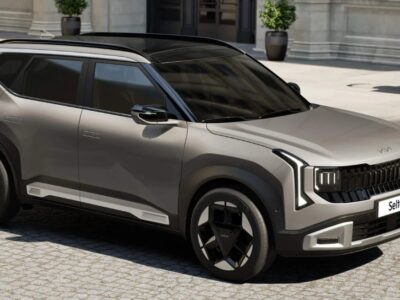
Chevrolet Trailblazer Fuel Consumption: Real MPG, Costs, and Efficiency Explained

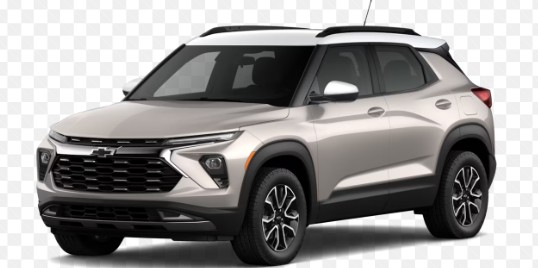
Content in this publication
- Why Fuel Consumption Matters More Than Ever
- Understanding the Chevrolet Trailblazer’s Engine Lineup
- Official Chevrolet Trailblazer Fuel Consumption Figures
- Real-World Fuel Consumption vs Official Ratings
- Driving Style Changes Everything
- City Driving and Fuel Economy Challenges
- Highway Fuel Consumption Is Where the Trailblazer Shines
- How All-Wheel Drive Affects Fuel Consumption
- Fuel Tank Capacity and Driving Range
- Does Premium Fuel Improve Trailblazer Fuel Economy?
- Turbocharged Engines and Fuel Consumption
- Weather Conditions and Their Impact on Fuel Economy
- Tire Pressure and Fuel Consumption
- How Vehicle Weight Changes Fuel Economy
- Maintenance Habits That Improve Fuel Consumption
- The Role of Transmission Efficiency
- Comparing Trailblazer Fuel Economy to Rivals
- Fuel Costs Over a Year
- Tips to Maximize Chevrolet Trailblazer Fuel Economy
- Is the Chevrolet Trailblazer Fuel Efficient Enough?
- Who Will Be Happiest With Trailblazer Fuel Consumption?
- Final Thoughts on Chevrolet Trailblazer Fuel Consumption
- FAQs
Why Fuel Consumption Matters More Than Ever
Fuel economy used to be one of those things we casually glanced at before buying an SUV. Today, it feels like a financial survival skill. Whether we commute through endless city traffic, head out on cross-country adventures, or simply try to stretch every gallon further, understanding the real-world fuel consumption of the Chevrolet Trailblazer has become essential.
The Trailblazer sits in an interesting corner of the SUV market. It’s compact enough for urban life yet adventurous enough to tempt us into weekend road trips. But how thirsty is it really? Does it sip fuel politely or gulp it down like a marathon runner at the finish line?
Let’s unpack everything about Chevrolet Trailblazer fuel consumption—from official MPG figures to real-world driving experiences, maintenance habits, driving styles, and hidden factors that quietly drain your tank.
Understanding the Chevrolet Trailblazer’s Engine Lineup
Before discussing fuel economy numbers, we need to understand what powers the Trailblazer.
Different engines produce different consumption figures. Chevrolet designed the Trailblazer to balance performance with efficiency, offering turbocharged engines that attempt to deliver both power and economy.
1.2L Turbocharged Engine
This smaller engine focuses heavily on efficiency.
Key highlights include:
- 3-cylinder turbocharged setup
- Lightweight construction
- Front-wheel drive availability
- Optimized for city commuting
Drivers who mainly navigate urban environments often prefer this engine because it prioritizes lower fuel consumption over outright speed.
1.3L Turbocharged Engine
The larger engine adds more confidence during highway driving.
Benefits include:
- Improved acceleration
- Available all-wheel drive
- Better overtaking capability
- Slightly higher fuel consumption
Think of it like choosing between a marathon runner and a sprinter. One conserves energy carefully, while the other is ready to leap forward when needed.
Official Chevrolet Trailblazer Fuel Consumption Figures
Fuel economy ratings vary depending on drivetrain configuration and engine selection.
Front-Wheel Drive Models
Typical EPA estimates include:
- Around 29 MPG city
- Around 31–33 MPG highway
- Combined average near 30 MPG
These numbers place the Trailblazer among the more efficient compact SUVs on the market.
All-Wheel Drive Models
AWD models consume slightly more fuel because extra mechanical components increase resistance and weight.
Expected figures usually fall around:
- 26–28 MPG city
- 29–31 MPG highway
- Combined average near 28–29 MPG
That difference may sound small, but over thousands of miles, it adds up significantly.
Real-World Fuel Consumption vs Official Ratings
Here’s where things get interesting.
Official figures are tested under controlled conditions. Real life is messy. Traffic jams, steep hills, aggressive acceleration, overloaded cargo areas, and poor weather can all affect consumption dramatically.
Many owners report real-world averages such as:
| Driving Type | Real Consumption |
|---|---|
| City driving | 24–28 MPG |
| Highway driving | 30–35 MPG |
| Mixed driving | 27–31 MPG |
In other words, the Trailblazer can be impressively efficient if driven sensibly.
But there’s a catch.
Driving Style Changes Everything
The biggest variable in fuel consumption isn’t always the engine.
It’s us.
Aggressive Driving Burns Fuel Fast
Rapid acceleration causes the turbocharger to work harder. That means more fuel injection and increased consumption.
Habits that hurt MPG include:
- Hard launches from traffic lights
- Sudden braking
- High-speed cruising
- Constant stop-and-go acceleration
Smooth Driving Improves Efficiency
Gentle throttle inputs help the engine remain in its most efficient operating range.
Efficient drivers often:
- Accelerate gradually
- Maintain consistent speed
- Use cruise control
- Anticipate traffic flow
The difference can easily exceed 5 MPG.
That’s substantial.
City Driving and Fuel Economy Challenges
Compact SUVs often advertise impressive numbers, but city driving tells the truth.
Urban traffic creates the perfect storm for higher fuel consumption.
Why Cities Hurt Fuel Economy
In city environments:
- Engines idle frequently
- Acceleration happens constantly
- Air conditioning usage increases
- Braking wastes momentum
Even efficient vehicles struggle under these conditions.
The Trailblazer’s small turbo engines help reduce some of that burden, but physics still wins eventually.
Highway Fuel Consumption Is Where the Trailblazer Shines
Open highways reveal the Trailblazer’s strengths.
At steady cruising speeds, the engine operates efficiently and avoids excessive turbo boost demands.
Best Highway Efficiency Speeds
Most owners see optimal fuel economy between:
- 55–70 mph
- Moderate traffic conditions
- Minimal cargo load
Push beyond 75 mph consistently, and fuel consumption rises sharply because aerodynamic resistance increases exponentially.
Driving fast is like running into a strong wind while carrying groceries. Your engine must work much harder.
How All-Wheel Drive Affects Fuel Consumption
AWD provides better traction and confidence, especially during rain or snow.
But it comes at a price.
Why AWD Uses More Fuel
Additional drivetrain components create:
You may be interested in reading What to Expect When Driving a Fiat 500: Owner's Perspective
- Extra mechanical drag
- Increased vehicle weight
- More rotating resistance
That typically reduces fuel economy by 1–3 MPG compared to front-wheel drive models.
For some drivers, the trade-off is absolutely worth it.
For others living in warmer climates, front-wheel drive may be the smarter efficiency-focused choice.
Fuel Tank Capacity and Driving Range
Fuel efficiency means little without understanding driving range.
The Chevrolet Trailblazer typically features a fuel tank capacity around 13.2 gallons.
Estimated Driving Range
Approximate ranges include:
| Driving Scenario | Estimated Range |
|---|---|
| Efficient highway driving | 400+ miles |
| Mixed driving | 350–390 miles |
| Heavy urban traffic | 300–340 miles |
That makes the Trailblazer practical for road trips without constant fuel stops.
This question appears constantly among SUV owners.
The answer is surprisingly nuanced.
Most Trailblazer models are engineered for regular unleaded gasoline.
Using premium fuel usually:
- Does not dramatically improve MPG
- Rarely offsets the higher fuel cost
- Offers minimal real-world benefit
Unless Chevrolet specifically recommends premium fuel for your configuration, regular fuel is generally sufficient.
Think of premium fuel like buying designer running shoes for casual walking. Nice? Sure. Necessary? Usually not.
Turbocharged Engines and Fuel Consumption
Turbocharged engines create an interesting paradox.
They can be incredibly efficient—or surprisingly thirsty.
Why Turbo Engines Save Fuel
Small turbo engines consume less fuel during gentle driving because:
- Smaller displacement requires less fuel
- Lower cruising loads improve efficiency
- Modern engine management systems optimize combustion
Why Turbo Engines Sometimes Consume More
Heavy acceleration activates turbo boost pressure, increasing fuel demand significantly.
This means driving behavior matters even more in turbocharged vehicles.
A calm driver may achieve excellent MPG.
An aggressive driver may wonder where the fuel disappeared.
Weather Conditions and Their Impact on Fuel Economy
Temperature quietly influences consumption.
Many drivers overlook this factor entirely.
Cold Weather Effects
Fuel economy often drops during winter because:
- Engines take longer to warm up
- Oil thickens
- Tire pressure decreases
- Cabin heating demands increase
Short winter trips can destroy efficiency figures.
Hot Weather Effects
Summer heat also affects consumption through:
- Heavy air conditioning use
- Increased cooling fan operation
- Hot road surfaces increasing tire resistance
The difference between seasons can easily reach 10–15%.
Tire Pressure and Fuel Consumption
This is one of the easiest ways to improve efficiency immediately.
Underinflated tires create rolling resistance that forces the engine to work harder.
Benefits of Proper Tire Pressure
Correct inflation helps:
- Improve MPG
- Enhance handling
- Reduce tire wear
- Improve braking stability
Even slightly low pressure can noticeably increase fuel usage.
Checking tires monthly is like giving your wallet a tiny raise.
How Vehicle Weight Changes Fuel Economy
Every extra pound matters.
The Trailblazer may be compact, but loading it heavily affects efficiency quickly.
Common Weight Factors
Fuel consumption rises with:
- Roof racks
- Heavy cargo
- Towing loads
- Multiple passengers
Roof-mounted accessories are especially harmful because they damage aerodynamics.
Driving with a loaded roof rack is almost like dragging a parachute behind the vehicle.
Maintenance Habits That Improve Fuel Consumption
A poorly maintained SUV slowly becomes less efficient.
Many fuel economy problems begin quietly and worsen gradually.
Important Maintenance Tasks
Regular servicing helps maintain optimal efficiency.
Critical areas include:
- Oil changes
- Air filter replacement
- Spark plug maintenance
- Wheel alignment
- Tire balancing
Ignoring maintenance doesn’t just hurt reliability.
It directly impacts fuel costs too.
The Role of Transmission Efficiency
The Trailblazer’s automatic transmission plays a major role in consumption.
You may be interested in readingWhat to Expect When Driving a Fiat 500: Owner's PerspectiveYou may be interested in reading
 Comparing the Fiat 500e to the Traditional Fiat 500: Pros and Cons
Modern transmissions attempt to keep engine RPM low during cruising.
Why Transmission Tuning Matters
Efficient gear ratios help:
- Reduce engine strain
- Improve highway MPG
- Lower cabin noise
- Enhance smoothness
Chevrolet tuned the transmission to prioritize efficiency during relaxed driving.
However, sudden acceleration forces downshifts that increase fuel usage.
Comparing Trailblazer Fuel Economy to Rivals
The compact SUV segment is fiercely competitive.
How does the Trailblazer compare?
Against Other Compact SUVs
Compared with rivals like the Honda HR-V, Hyundai Kona, and Kia Seltos, the Trailblazer generally performs well in fuel efficiency.
Competitive Advantages
The Trailblazer stands out through:
- Strong highway MPG
- Lightweight platform
- Efficient turbocharged engines
- Balanced city consumption
Some competitors may offer hybrids, but among traditional gasoline SUVs, the Trailblazer remains competitive.
Fuel Costs Over a Year
Fuel economy becomes more meaningful when converted into real money.
Example Annual Fuel Cost
Assuming:
- 12,000 miles annually
- Average fuel economy of 30 MPG
- Gas price around $3.75 per gallon
Estimated annual fuel cost:
- Approximately $1,500
More aggressive driving or higher fuel prices can raise costs significantly.
Small efficiency improvements create surprisingly large savings over time.
Tips to Maximize Chevrolet Trailblazer Fuel Economy
Let’s make things practical.
Here are the most effective strategies for improving Trailblazer fuel consumption.
Best Fuel-Saving Habits
Drive Smoothly
Avoid sudden acceleration whenever possible.
Reduce Excess Weight
Remove unnecessary cargo.
Maintain Correct Tire Pressure
Check monthly.
Avoid Excessive Idling
Modern engines don’t need long warm-ups.
Use Cruise Control on Highways
Consistency improves efficiency.
Keep Up With Maintenance
A healthy engine burns fuel more efficiently.
Limit Roof Accessories
Aerodynamics matter more than many realize.
Is the Chevrolet Trailblazer Fuel Efficient Enough?
For most drivers, yes.
The Trailblazer delivers a compelling balance between practicality, comfort, modern technology, and fuel economy.
It’s not a hybrid miracle machine that barely sips fuel, but it also avoids becoming a gas-hungry SUV monster.
Instead, it lands in a practical middle ground.
That balance is exactly why many drivers appreciate it.
Who Will Be Happiest With Trailblazer Fuel Consumption?
The ideal owner is someone who:
- Drives moderate daily distances
- Wants SUV practicality
- Prefers compact dimensions
- Appreciates highway efficiency
- Doesn’t need extreme towing capability
Drivers expecting sports-car acceleration while maintaining hybrid-like fuel economy may feel disappointed.
Everyone else will likely find the efficiency more than acceptable.
Final Thoughts on Chevrolet Trailblazer Fuel Consumption
The Chevrolet Trailblazer proves that compact SUVs no longer need to sacrifice practicality for efficiency.
Its turbocharged engines deliver respectable MPG figures while still offering enough punch for modern driving demands. Real-world consumption depends heavily on driving style, road conditions, maintenance habits, and vehicle configuration, but overall, the Trailblazer performs admirably in its class.
What makes it appealing is balance.
It doesn’t try to be the fastest SUV.
It doesn’t pretend to be a full hybrid.
Instead, it quietly delivers usable efficiency wrapped in a practical, comfortable, and modern package.
And honestly, that’s exactly what many drivers need.
FAQs
No. Most Trailblazer models are designed to run on regular unleaded gasoline.
What is the average real-world MPG of the Chevrolet Trailblazer?
Most drivers report between 27 and 31 MPG during mixed driving conditions.
Does AWD reduce fuel economy significantly?
AWD typically lowers fuel economy by about 1–3 MPG compared to front-wheel drive models.
Is the Chevrolet Trailblazer good for long road trips?
Yes. Its highway fuel efficiency and comfortable ride make it well suited for extended travel.
Can driving habits really affect Trailblazer fuel consumption?
Absolutely. Aggressive acceleration and speeding can dramatically reduce fuel economy.
You may be interested in readingWhat to Expect When Driving a Fiat 500: Owner's PerspectiveYou may be interested in reading
Comparing the Fiat 500e to the Traditional Fiat 500: Pros and ConsYou may be interested in reading
 Understanding the Fiat 500's Infotainment System and Common Issues
If you want to know other articles similar to Chevrolet Trailblazer Fuel Consumption: Real MPG, Costs, and Efficiency Explained you can visit the category Driving.
Kia Seltos 0 to 100 Time: How Fast Is Kia’s Popular SUV Really?
Toyota Grand Highlander Miles Per Gallon

Jaecoo 7 Fuel Consumption: Real MPG, Efficiency, and What Owners Should Expect
Jaecoo 7 Hybrid Range: Everything We Need to Know About Real-World Efficiency
Jaecoo 7 Electric Range
Jaecoo 7 MPG: Real-World Fuel Economy, Costs, and Efficiency Explained
Leave a Reply
More content of your interest