
Tesla Model 3 Cold Weather Feature: The Hidden Winter Tech That Changes Everything

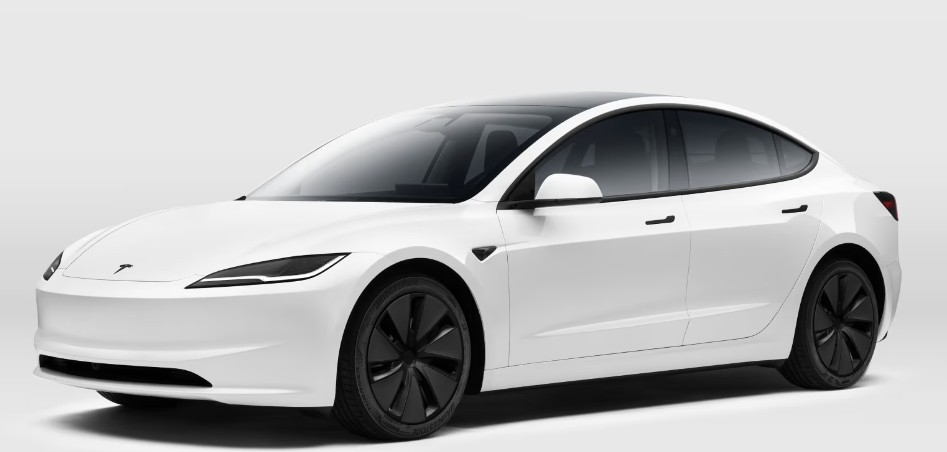
When winter arrives and roads begin to resemble frozen rivers rather than asphalt highways, electric vehicles face their toughest exam. Yet the Tesla Model 3 enters cold weather like a marathon runner wearing thermal armor. While many drivers still wonder whether EVs can survive harsh winters, the Model 3 quietly packs a collection of cold-weather technologies designed to transform icy mornings into manageable journeys.
And honestly? That’s where things become fascinating.
Most people assume electric cars crumble in freezing temperatures. We’ve heard the myths: dead batteries, disappearing range, endless charging times, frozen door handles, weak cabin heating. But Tesla approached winter driving like a chess player planning ten moves ahead. Instead of adding one or two gimmicks, the company engineered an entire ecosystem of cold-weather features that work together behind the scenes.
So, what exactly makes the Tesla Model 3 such an intriguing winter companion?
Let’s pull back the curtain.
Content in this publication
- Why Cold Weather Impacts Electric Vehicles So Much
- The Tesla Heat Pump: The Real Winter Hero
- Battery Preconditioning: Tesla’s Secret Weapon
- Scheduled Departure: The Underrated Winter Feature
- Cabin Preconditioning Through the Tesla App
- Heated Seats and Heated Steering Wheel
- Winter Mode and Traction Management
- Regenerative Braking in Cold Weather
- Cold Weather Charging Features
- Defrost and Defogging Technology
- The Tesla Mobile App Winter Experience
- Cold Weather Range Loss: The Honest Reality
- How to Maximize Tesla Model 3 Winter Efficiency
- Tesla Model 3 vs Older EVs in Winter
- Snow Driving Capability
- The Silent Advantage of Winter EV Driving
- Common Winter Concerns Tesla Drivers Have
- Future Tesla Winter Innovations
- Why Tesla’s Cold Weather Features Matter More Than Ever
- Closing Thoughts
- FAQs
Why Cold Weather Impacts Electric Vehicles So Much
Before we explore the Tesla-specific features, we need to understand the battlefield itself.
Cold temperatures affect EVs differently than gasoline cars because batteries depend on chemical reactions. When temperatures drop, those reactions slow down like syrup pouring from a bottle. That means:
- Reduced driving range
- Slower charging speeds
- Less regenerative braking
- Higher energy consumption for cabin heating
Imagine trying to sprint while breathing through a straw. That’s essentially what a cold battery experiences.
The Tesla Model 3 combats these issues with intelligent thermal management systems that actively prepare the vehicle for winter conditions rather than simply reacting to them.
The Tesla Heat Pump: The Real Winter Hero
What Is the Heat Pump in the Tesla Model 3?
One of the most important cold-weather features in newer Model 3 vehicles is the heat pump system.
Instead of relying solely on traditional electric resistance heating—which consumes enormous amounts of energy—the heat pump transfers heat efficiently from outside air and vehicle components into the cabin.
Think of it like recycling warmth instead of constantly generating new heat.
This dramatically improves winter efficiency.
How the Heat Pump Improves Winter Range
Older EVs often suffered massive range losses in freezing weather because cabin heating drained the battery quickly. Tesla’s heat pump changed the game.
Benefits include:
- Better energy efficiency
- Reduced battery drain
- Faster cabin warming
- Improved long-distance winter driving
In some situations, the heat pump can help reduce winter range loss significantly compared to older electric heating systems.
That matters more than many drivers realize.
A winter road trip without efficient heating can feel like carrying buckets of water through a desert. Every unnecessary watt matters.
Battery Preconditioning: Tesla’s Secret Weapon
What Is Battery Preconditioning?
Battery preconditioning is one of the smartest cold-weather technologies Tesla offers.
The system automatically warms the battery before:
- Fast charging
- Scheduled departures
- Long drives in freezing weather
This ensures the battery operates within an ideal temperature range.
Why Battery Temperature Matters
A cold lithium-ion battery behaves cautiously. It resists accepting power quickly and delivers energy less efficiently.
Tesla combats this by gently heating the battery pack before you even begin driving.
The result?
- Faster Supercharging
- Better efficiency
- Improved regenerative braking
- Smoother performance
It’s almost like stretching muscles before exercise. A warmed-up battery simply performs better.
Scheduled Departure: The Underrated Winter Feature
How Scheduled Departure Works
Many drivers overlook Scheduled Departure, but in winter, it becomes a lifesaver.
You can tell the Model 3 exactly when you plan to leave, and the vehicle automatically:
- Preheats the cabin
- Warms the battery
- Optimizes charging timing
Instead of entering an icebox at 6 AM, you step into a warm cabin with a ready-to-go battery.
Why This Feature Feels Magical
There’s something oddly luxurious about walking toward a snow-covered car while the cabin is already warm.
No scraping frost.
No freezing hands.
No idling engine wasting fuel.
It feels futuristic in the best possible way.
Cabin Preconditioning Through the Tesla App
Remote Climate Control Explained
Using the Tesla app, drivers can remotely activate:
- Cabin heating
- Seat heaters
- Defrosters
- Steering wheel heating
This feature becomes incredibly useful during winter mornings.
Why Remote Heating Is Better Than Traditional Remote Start
Gasoline vehicles usually idle inefficiently to produce heat. Tesla skips that ritual entirely.
The Model 3 can heat the cabin directly from battery power while plugged in, meaning you preserve driving range while staying comfortable.
That’s efficiency meeting convenience head-on.
Heated Seats and Heated Steering Wheel
Small Features That Make a Huge Difference
Sometimes comfort matters just as much as technology.
The Tesla Model 3 includes heated front and rear seats, while newer models also offer a heated steering wheel.
These features consume less power than heating the entire cabin, making them energy-efficient ways to stay warm.
Why Seat Heating Helps Preserve Range
Instead of blasting hot air continuously, Tesla encourages localized heating.
Heating your body directly:
You may be interested in reading Tesla Model 3 5 Year Depreciation
- Uses less electricity
- Warms occupants faster
- Reduces cabin energy consumption
It’s surprisingly effective.
Like wrapping yourself in an electric blanket instead of heating an entire house.
Winter Mode and Traction Management
How Tesla Handles Snowy Roads
The dual-motor AWD versions of the Model 3 shine in winter conditions.
Tesla’s traction control system constantly monitors wheel grip and adjusts torque distribution almost instantly.
Unlike traditional mechanical AWD systems, Tesla’s electric motors react with lightning speed.
Benefits of Electric AWD in Winter
Advantages include:
- Instant torque adjustments
- Improved traction
- Better stability
- Reduced wheel spin
- Enhanced snow performance
The sensation feels different from gasoline vehicles. Smooth. Controlled. Precise.
Like skating with perfectly sharpened blades.
Regenerative Braking in Cold Weather
Why Regen Changes During Winter
Regenerative braking can become limited when the battery is cold.
Tesla warns drivers through on-screen indicators whenever regenerative braking power is temporarily reduced.
How Tesla Minimizes Regen Limitations
Battery preconditioning helps restore regenerative braking faster by warming the battery before driving.
This allows:
- More energy recovery
- Better efficiency
- More familiar driving behavior
Without warming, regen may feel weaker during the first portion of your trip.
Cold Weather Charging Features
How Tesla Optimizes Winter Charging
Charging an EV in freezing weather can feel painfully slow if the battery isn’t prepared.
Tesla addresses this with intelligent charging management.
When navigating to a Supercharger, the car automatically preconditions the battery for optimal charging speed.
Why This Matters for Road Trips
Without battery preconditioning:
- Charging may slow dramatically
- Energy intake becomes inconsistent
- Wait times increase
Tesla reduces those problems by actively warming the battery before arrival.
It’s the difference between pouring hot coffee into a warm mug versus an ice-cold glass.
Defrost and Defogging Technology
Fast Windshield Defrosting
The Model 3 includes aggressive windshield defrost settings that rapidly clear:
- Ice
- Fog
- Frost
- Condensation
The large glass surfaces in the vehicle could become problematic in winter, but Tesla’s climate software manages airflow intelligently.
Mirror and Rear Window Heating
Additional winter-friendly features include:
- Heated side mirrors
- Rear window defroster
- Automatic climate balancing
These smaller touches quietly improve visibility and safety.
The Tesla Mobile App Winter Experience
Why the App Feels Essential in Winter
During summer, the Tesla app feels convenient.
During winter, it feels necessary.
Drivers can remotely:
- Warm the cabin
- Check charging progress
- Monitor battery temperature
- Activate defrosting
- Schedule departures
The experience feels like carrying part of the car inside your pocket.
Cold Weather Range Loss: The Honest Reality
Does the Tesla Model 3 Lose Range in Winter?
Yes.
Every EV experiences reduced efficiency in cold temperatures, including the Model 3.
Common causes include:
- Battery chemistry limitations
- Cabin heating demands
- Cold tires
- Increased air density
- Snow-covered roads
How Much Range Loss Should Drivers Expect?
Winter range reduction varies depending on:
- Outside temperature
- Driving speed
- Wind
- Terrain
- Wheel size
- Cabin heating usage
Extreme cold can noticeably reduce range, especially during short trips where the battery never fully warms.
But Tesla’s thermal management helps minimize the impact better than many competitors.
How to Maximize Tesla Model 3 Winter Efficiency
Best Practices for Cold Weather Driving
Drivers can dramatically improve winter performance by following a few simple habits.
Keep the Car Plugged In
When parked overnight, keeping the car plugged in allows:
- Battery warming
- Preconditioning
- More efficient energy management
Use Scheduled Departure
This ensures the battery and cabin are warmed using external power rather than draining driving range.
Prefer Seat Heaters Over Maximum Cabin Heat
Localized heating uses less energy.
Precondition Before Fast Charging
Always navigate to a Supercharger rather than simply driving there manually.
This triggers battery preconditioning automatically.
Tesla Model 3 vs Older EVs in Winter
Why Tesla Often Performs Better
Tesla invested heavily in thermal efficiency long before many competitors.
The combination of:
You may be interested in readingTesla Model 3 5 Year DepreciationYou may be interested in reading
Tesla Model 3 Jump Start Another Car: Can You Do It Safely?- Heat pump systems
- Battery preconditioning
- Advanced software
- Efficient drivetrain management
creates a more refined winter experience.
Software Makes a Massive Difference
Tesla’s over-the-air updates continuously improve winter behavior.
The car evolves over time.
That’s something many traditional vehicles simply cannot replicate.
Snow Driving Capability
Can the Tesla Model 3 Handle Deep Snow?
With proper winter tires, the AWD versions perform impressively in snowy conditions.
However, ground clearance remains limited compared to SUVs.
The Model 3 excels on:
- Plowed roads
- Packed snow
- Ice-covered highways
- Urban winter driving
But deep snow can still become challenging.
Winter Tires Matter More Than Drivetrain
Even the best AWD system struggles without proper tires.
Winter tires improve:
- Braking distance
- Steering response
- Ice traction
- Overall stability
They transform the driving experience completely.
The Silent Advantage of Winter EV Driving
Why EVs Feel Different in Snow
Electric cars deliver power smoothly and instantly.
The absence of gear shifts creates more predictable traction behavior.
And because the battery pack sits low in the chassis, the Model 3 benefits from a low center of gravity.
That translates into:
- Better stability
- Reduced body roll
- Improved balance
Winter driving feels calmer and more composed.
Common Winter Concerns Tesla Drivers Have
Frozen Door Handles
Unlike some other Tesla models, the Model 3’s handles are generally less problematic in winter.
Still, ice buildup can occasionally occur during freezing rain.
Charging in Extreme Cold
Charging remains possible in cold temperatures, though speeds may initially slow until the battery warms.
Battery Degradation From Winter Use
Cold weather itself does not typically damage the battery long-term. In fact, heat is generally more harmful to battery longevity than cold.
Future Tesla Winter Innovations
Will Tesla Continue Improving Cold Weather Features?
Almost certainly.
Tesla’s software-focused philosophy means winter performance can improve through updates.
Future advancements may include:
- Smarter thermal routing
- Faster battery warming
- More efficient heat pumps
- Enhanced winter navigation predictions
The car you buy today may literally become better next winter.
That’s a strange and wonderful concept.
Why Tesla’s Cold Weather Features Matter More Than Ever
Electric vehicles are no longer experimental gadgets. They’re becoming mainstream transportation.
And winter performance remains one of the final psychological barriers for many buyers.
Tesla understood this early.
Instead of pretending cold weather isn’t a challenge, the company attacked the problem layer by layer:
- Thermal engineering
- Smart software
- Battery management
- Cabin comfort
- Predictive charging optimization
The result is a vehicle that doesn’t merely survive winter.
It adapts to it.
Closing Thoughts
The Tesla Model 3 proves that cold weather and electric vehicles are no longer enemies locked in eternal battle. Through intelligent engineering, advanced thermal systems, and software-driven innovation, Tesla transformed winter driving from a liability into something surprisingly manageable.
Sure, range drops in freezing temperatures. Physics still exists. Snow still falls. Ice still forms.
But the Model 3 approaches winter like a seasoned mountaineer carrying specialized gear for every condition.
The heat pump conserves energy.
Battery preconditioning boosts efficiency.
Remote climate controls add convenience.
AWD systems enhance traction.
Software constantly adapts.
Together, these features create a winter driving experience that feels modern, thoughtful, and occasionally even magical.
For drivers living in colder climates, that combination matters more than flashy acceleration figures or giant touchscreens.
Because on a freezing January morning, comfort and confidence become the real luxury.
FAQs
Does the Tesla Model 3 have a heat pump?
Yes, newer Tesla Model 3 versions include a heat pump system that improves winter efficiency and reduces cabin heating energy consumption.
How much range does the Tesla Model 3 lose in cold weather?
Range loss varies depending on temperature and driving conditions, but cold weather can noticeably reduce efficiency due to battery chemistry and heating demands.
Can the Tesla Model 3 drive well in snow?
Yes, especially AWD versions equipped with proper winter tires. The low center of gravity and advanced traction control improve winter stability.
You may be interested in readingTesla Model 3 5 Year DepreciationYou may be interested in reading
Tesla Model 3 Jump Start Another Car: Can You Do It Safely?You may be interested in reading
Why Tesla Model 3 Is Still One of the Smartest Cars We Can BuyWhat is battery preconditioning in the Tesla Model 3?
Battery preconditioning warms the battery before driving or charging to improve efficiency, charging speed, and regenerative braking performance.
Can I heat the Tesla Model 3 remotely?
Yes. Using the Tesla app, drivers can remotely warm the cabin, activate seat heaters, and defrost windows before entering the vehicle.
If you want to know other articles similar to Tesla Model 3 Cold Weather Feature: The Hidden Winter Tech That Changes Everything you can visit the category Blog.
How Long Will a Subaru XV Last? Mileage, Lifespan, and Reliability Explained
Is Subaru XV a Good Car? An Honest Look at Reliability, Comfort, AWD and Ownership
Is Mazda CX-9 a Luxury Car? A Surprisingly Complicated Answer
How to Charge Leapmotor C10: Complete Charging Guide
Is Leapmotor C10 a Good Car? Full Review and Buyer’s Guide
BMW M2 Depreciation: How Well Does the M2 Hold Its Value?
Leave a Reply
More content of your interest