

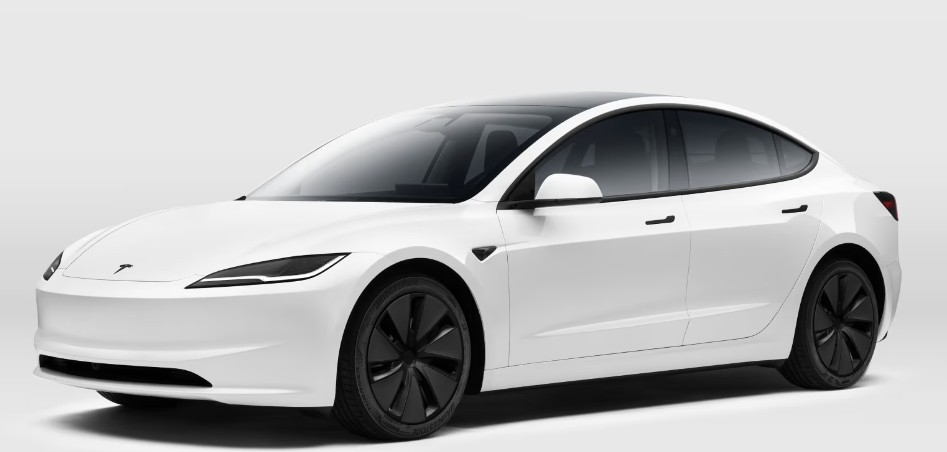
Tesla Model 3 5 Year Depreciation

Content in this publication
- Why Tesla Model 3 Depreciation Matters More Than Ever
- What Is Car Depreciation?
- How Much Does a Tesla Model 3 Depreciate in 5 Years?
- Why the Tesla Model 3 Holds Value Better Than Many EVs
- Tesla Model 3 Depreciation by Trim
- The First Year Is the Hardest Hit
- Battery Degradation and Its Impact on Resale
- How Tesla Price Cuts Affect Depreciation
- Supply and Demand Shape Everything
- Mileage Matters More Than Many Owners Expect
- Does Full Self-Driving Increase Resale Value?
- Tesla Model 3 vs Other EVs in 5-Year Depreciation
- Regional Differences Affect Depreciation
- Seasonal Trends in Tesla Resale Prices
- Maintenance Costs and Depreciation
- Insurance Costs Also Influence Value
- How Charging Habits Affect Long-Term Value
- Will Future EV Technology Hurt Older Teslas?
- Should You Buy a New or Used Tesla Model 3?
- Tips to Minimize Tesla Model 3 Depreciation
- The Emotional Side of Depreciation
- What the Future Looks Like for Tesla Model 3 Values
- Is Tesla Model 3 5 Year Depreciation Actually Bad?
- Conclusion
- FAQs
Why Tesla Model 3 Depreciation Matters More Than Ever
Buying a car used to feel simple. We picked a model, checked fuel economy, and maybe argued over color. But electric vehicles changed the game completely. Now, depreciation sits at the center of the conversation like a heavyweight boxer in the middle of the ring. And when we talk about EV depreciation, the Tesla Model 3 always steals the spotlight.
The Tesla Model 3 is one of the world’s most recognizable electric cars. It disrupted the auto market, shook traditional manufacturers awake, and made EV ownership feel mainstream instead of futuristic. Yet despite its popularity, one question keeps echoing across forums, dealerships, and kitchen tables:
How much does a Tesla Model 3 lose in value after 5 years?
That question matters because depreciation is often the biggest ownership cost. Bigger than charging. Bigger than insurance. Bigger than maintenance. The value your car loses over time can quietly drain thousands from your wallet without you noticing.
In this guide, we will unpack Tesla Model 3 5 year depreciation from every angle. We will explore real-world resale trends, compare trims, analyze battery concerns, and look at why some Model 3s hold value better than others.
Buckle up. This ride gets interesting.
What Is Car Depreciation?
Before diving into Tesla-specific numbers, we need to understand the engine behind the conversation.
Depreciation is the decline in a vehicle’s value over time. The moment a new car leaves the dealership, it begins losing value. Like ice melting under sunlight, the process is unavoidable.
Typical gas-powered vehicles lose:
- 20% to 30% in the first year
- Around 50% to 60% after 5 years
Electric vehicles historically depreciated even faster because buyers worried about:
- Battery lifespan
- Charging infrastructure
- Rapid technology improvements
- Expensive replacement costs
But Tesla changed many of those assumptions.
How Much Does a Tesla Model 3 Depreciate in 5 Years?
The average Tesla Model 3 typically loses around 35% to 50% of its original value after 5 years, depending on:
- Trim level
- Mileage
- Battery condition
- Market demand
- Software features
- Accident history
- Regional EV incentives
That means a Model 3 purchased for $50,000 could still be worth between $25,000 and $32,000 after five years.
Compared to many luxury sedans, that is surprisingly strong.
Why the Tesla Model 3 Holds Value Better Than Many EVs
Brand Power Works Like Gravity
Tesla has something most automakers dream about: obsession-level brand loyalty.
People do not merely buy Teslas for transportation. They buy into an ecosystem, a philosophy, and sometimes even a status symbol.
That brand recognition helps used Model 3 prices remain stronger than lesser-known EV competitors.
Software Updates Keep the Car Feeling Fresh
Traditional cars age like milk.
Teslas age more like smartphones.
Over-the-air software updates continuously add features, improve range efficiency, tweak interfaces, and enhance performance. A five-year-old Model 3 can still receive meaningful improvements long after purchase.
That creates a psychological advantage in the used market.
A 5-year-old BMW may feel outdated.
A 5-year-old Tesla may still feel modern.
Charging Infrastructure Supports Resale Value
The Tesla Supercharger network acts like a safety blanket for buyers.
Used EV shoppers often fear charging inconvenience. Tesla owners enjoy one of the best charging systems globally, which boosts confidence and strengthens resale demand.
Tesla Model 3 Depreciation by Trim
Not all Model 3 variants depreciate equally.
Some trims age like fine wine.
Others age like forgotten leftovers in the fridge.
Tesla Model 3 Standard Range
The Standard Range models generally experience the highest depreciation because:
- Lower battery range becomes less competitive over time
- Newer base models often improve rapidly
- Budget buyers are highly price-sensitive
Still, these models remain attractive in the used market due to affordability.
Tesla Model 3 Long Range
The Long Range trim often holds value best.
Why?
Because range anxiety still matters.
Buyers shopping used EVs frequently prioritize maximum range, especially in colder climates. The Long Range version balances practicality, speed, and efficiency beautifully.
This trim tends to sit in the sweet spot of depreciation.
Tesla Model 3 Performance
Performance models can be unpredictable.
On one hand:
- Strong enthusiast appeal
- Incredible acceleration
- Premium features
On the other hand:
- Higher tire replacement costs
- More aggressive driving histories
- Insurance concerns
Performance trims sometimes lose value slightly faster after the initial excitement fades.
The First Year Is the Hardest Hit
Like most vehicles, the Tesla Model 3 takes its biggest depreciation punch early.
Typical Depreciation Timeline
Year 1
- 10% to 20% loss
Year 2
- Additional 8% to 12%
Year 3
- Additional 6% to 10%
Year 4
- Additional 5% to 8%
Year 5
- Additional 5% to 7%
The curve gradually softens over time. Once the steep early drop passes, depreciation becomes more manageable.
Battery Degradation and Its Impact on Resale
Do Tesla Batteries Really Last?
This is the elephant in the room.
Battery anxiety follows EVs everywhere like a persistent shadow.
You may be interested in reading Tesla Model 3 Jump Start Another Car: Can You Do It Safely?
Fortunately, Tesla batteries generally perform well long term. Many owners report only 10% to 15% battery degradation after 150,000 to 200,000 miles.
That durability helps maintain resale value.
Why Buyers Check Battery Health Carefully
Used Tesla buyers often examine:
- Remaining range at full charge
- Charging speed
- Battery warranty status
- Service history
A healthy battery acts like a strong heartbeat for the car’s value.
A weak battery?
That is where depreciation can suddenly accelerate.
How Tesla Price Cuts Affect Depreciation
Tesla’s pricing strategy sometimes feels like a roller coaster designed by chaos engineers.
The company has repeatedly slashed new car prices, which dramatically impacts used values.
Imagine buying a Model 3 for $58,000.
Then Tesla cuts new pricing to $46,000 months later.
Suddenly, your resale value falls like a piano from a skyscraper.
This pricing volatility is one of the biggest depreciation risks Tesla owners face.
Supply and Demand Shape Everything
Used EV Demand Is Growing
The used EV market keeps expanding because many buyers want electric transportation without paying new-car prices.
That trend helps support Model 3 resale values.
But Oversupply Can Hurt Prices
When rental companies or fleet operators dump thousands of Teslas into the market, prices can soften quickly.
The used car market behaves like an ocean tide:
sometimes rising,
sometimes retreating,
never staying still.
Mileage Matters More Than Many Owners Expect
Mileage significantly affects Tesla depreciation.
Many buyers assume EVs care less about mileage because they have fewer moving parts.
That is partially true.
But higher mileage still raises concerns about:
- Battery wear
- Suspension components
- Interior aging
- Warranty expiration
Ideal Mileage for Strong Resale
A 5-year-old Tesla Model 3 with:
- Under 60,000 miles often commands premium pricing
- 60,000 to 100,000 miles remains desirable
- Over 120,000 miles may face sharper depreciation
Does Full Self-Driving Increase Resale Value?
This topic sparks debates hotter than summer asphalt.
Tesla’s Full Self-Driving package (FSD) can cost thousands upfront. But does it actually boost 5-year resale value?
The answer:
partially.
What Helps
- Buyers like advanced features
- Tech enthusiasts pay premiums
- Scarcity can increase appeal
What Hurts
- Tesla changes pricing frequently
- Some buyers distrust FSD promises
- Software subscriptions reduce perceived exclusivity
In many cases, owners recover only part of the original FSD investment.
Tesla Model 3 vs Other EVs in 5-Year Depreciation
The Model 3 often performs better than many EV rivals.
Compared to Nissan Leaf
Nissan Leaf models historically depreciate faster due to shorter range and less premium perception.
Compared to Hyundai Ioniq 5
Hyundai Ioniq 5 values remain strong, but Tesla still benefits from superior brand recognition.
Compared to BMW 3 Series
BMW 3 Series depreciation can rival or even exceed Tesla in some markets due to expensive maintenance concerns.
Compared to Polestar 2
Polestar 2 faces steeper depreciation partly because of smaller brand awareness.
Regional Differences Affect Depreciation
Where you live can dramatically influence Tesla resale value.
Areas With Strong EV Adoption
- California
- Norway
- Netherlands
- British Columbia
These regions usually support higher resale values.
Areas With Weak Charging Infrastructure
Some rural markets still struggle with EV adoption, which can reduce demand and increase depreciation.
Seasonal Trends in Tesla Resale Prices
Oddly enough, timing matters.
Best Times to Sell
- Spring
- Early summer
- Periods of high gas prices
Worst Times to Sell
- Major Tesla price-cut announcements
- Economic downturns
- EV tax incentive changes
Selling a Tesla at the wrong moment can feel like trying to surf during a hurricane.
Maintenance Costs and Depreciation
One major reason the Model 3 holds value reasonably well is reduced maintenance.
There are:
- No oil changes
- Fewer moving engine parts
- Less brake wear thanks to regenerative braking
That lower ownership cost improves buyer confidence.
However, repairs can still become expensive when they involve:
- Battery systems
- Cameras
- Sensors
- Suspension components
- Glass roofs
Insurance Costs Also Influence Value
Insurance companies sometimes charge higher premiums for Teslas because repair costs can be substantial.
Higher insurance expenses may slightly reduce used buyer demand, especially among younger drivers.
Still, strong demand usually offsets this issue.
How Charging Habits Affect Long-Term Value
Battery care matters.
You may be interested in readingTesla Model 3 Jump Start Another Car: Can You Do It Safely?You may be interested in reading
Why Tesla Model 3 Is Still One of the Smartest Cars We Can BuyOwners who repeatedly fast-charge to 100% may see faster battery degradation over time.
Best Practices for Resale Protection
- Avoid excessive Supercharging
- Keep daily charging between 20% and 80%
- Limit deep battery discharges
- Store the car properly during long inactivity
Healthy charging habits help preserve battery health and future resale value.
Will Future EV Technology Hurt Older Teslas?
Absolutely possible.
Electric vehicles evolve rapidly. Every year brings:
- Better range
- Faster charging
- Improved batteries
- New software capabilities
A 2021 Model 3 may someday feel outdated compared to future solid-state battery EVs.
That rapid innovation can pressure long-term depreciation.
Yet Tesla still benefits from one huge advantage:
it moves faster than most automakers already.
Should You Buy a New or Used Tesla Model 3?
Buying New
Pros:
- Full warranty
- Latest tech
- Maximum battery life
- Tax incentives in some regions
Cons:
- Initial depreciation hit
- Higher purchase cost
Buying Used
Pros:
- Lower entry price
- Slower future depreciation
- Potentially better value overall
Cons:
- Reduced warranty coverage
- Older hardware versions
- Unknown charging habits
For many buyers, a 2- to 4-year-old Model 3 represents the sweet spot.
Tips to Minimize Tesla Model 3 Depreciation
Choose the Right Trim
Long Range models often age best.
Protect Battery Health
Battery condition directly affects resale value.
Avoid Excessive Mileage
Keeping mileage moderate helps tremendously.
Maintain Cosmetic Condition
Interior wear, curb rash, and paint damage reduce buyer appeal quickly.
Keep Service Records
Detailed documentation increases trust.
Sell Before Major Warranty Expiration
Many owners target resale before battery warranty concerns grow.
The Emotional Side of Depreciation
Depreciation is not just math.
It is emotional.
Watching a car lose value can feel frustrating, especially after a large purchase. But we must remember something important:
Cars are tools.
Experiences matter too.
The Tesla Model 3 delivers:
- Instant acceleration
- Modern technology
- Quiet driving
- Lower fuel costs
- A futuristic ownership experience
Sometimes the joy of ownership offsets the cold numbers on paper.
What the Future Looks Like for Tesla Model 3 Values
Predicting future depreciation is like forecasting weather five years ahead. Trends help, but surprises always appear.
Still, several factors could shape future values:
Positive Factors
- Growing EV adoption
- Improved charging infrastructure
- Tesla brand loyalty
- Lower maintenance perception
Negative Factors
- Aggressive Tesla price cuts
- Rapid battery innovation
- Increased EV competition
- Market saturation
The used Tesla market will likely remain dynamic for years.
Is Tesla Model 3 5 Year Depreciation Actually Bad?
Compared to many vehicles?
Not really.
Compared to older expectations for EVs?
It is actually impressive.
The Tesla Model 3 has proven far more resilient than many critics predicted. While depreciation remains unavoidable, the Model 3 often outperforms numerous luxury sedans and competing EVs in value retention.
That does not mean every owner wins financially.
But it does mean the Model 3 has matured into a legitimate long-term vehicle rather than a risky technology experiment.
And honestly, that may be Tesla’s greatest achievement.
Conclusion
Tesla Model 3 5 year depreciation tells a fascinating story about how the automotive world is evolving. Electric vehicles were once viewed as disposable gadgets with uncertain futures. Today, the Model 3 stands as evidence that EVs can maintain meaningful long-term value while reshaping the driving experience.
Yes, depreciation still happens. It always will. But the Model 3 benefits from strong brand recognition, software innovation, charging infrastructure, and consistent market demand. Those strengths help it weather the storm better than many rivals.
If we approach ownership strategically—choosing the right trim, protecting battery health, and understanding market timing—the Tesla Model 3 can remain one of the smarter EV purchases available.
In many ways, the Model 3 is not just a car.
It is a rolling snapshot of the future.
And surprisingly, the future still resells pretty well.
FAQs
How much is a Tesla Model 3 worth after 5 years?
Most Tesla Model 3 vehicles retain roughly 50% to 65% of their original value after 5 years, depending on trim, mileage, and condition.
Does Tesla battery degradation hurt resale value?
Yes, battery health strongly impacts resale value. Buyers prefer vehicles with minimal degradation and strong remaining range.
Which Tesla Model 3 trim depreciates the least?
The Long Range trim often holds value best because it balances performance, practicality, and battery range.
Do Tesla software updates help resale value?
Absolutely. Over-the-air updates help older Teslas feel modern longer, improving used market appeal.
You may be interested in readingTesla Model 3 Jump Start Another Car: Can You Do It Safely?You may be interested in reading
Why Tesla Model 3 Is Still One of the Smartest Cars We Can BuyYou may be interested in reading
When to Charge Tesla Model 3: The Smart Owner’s Complete GuideIs buying a used Tesla Model 3 a good idea?
For many buyers, yes. A used Model 3 often provides excellent value because the first owner absorbs most early depreciation.
If you want to know other articles similar to Tesla Model 3 5 Year Depreciation you can visit the category Blog.
Dacia Jogger Reliability: Is This Budget Family Car Built to Last?

Is Vauxhall Meriva a Good Car? An Honest Used-Car Guide
Are Vauxhall Meriva Reliable? A Complete Used-Car Guide
Vauxhall Meriva Insurance Group UK: Costs, Ratings and Savings

Is Hyundai i40 a Good Car? An Honest Used-Car Review
Hyundai i40 Years to Avoid: The Complete Used-Car Guide
Leave a Reply
More content of your interest