
Tesla Model 3 Jump Start Another Car: Can You Do It Safely?

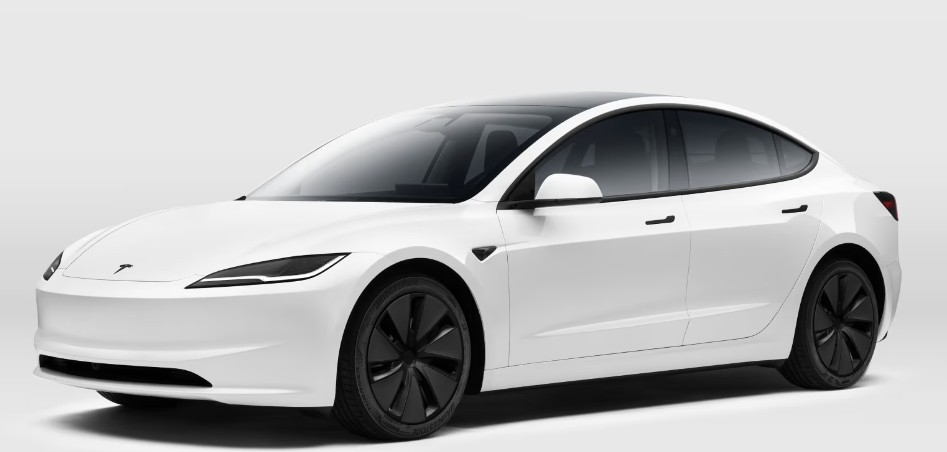
The idea sounds simple enough. One car has a dead battery, another car comes to the rescue, jumper cables connect, engines roar back to life, and everyone drives away like heroes in an action movie. But what happens when the rescue vehicle is a Tesla Model 3?
Can a Tesla Model 3 jump start another car?
The short answer is: not in the traditional way.
And that single detail changes everything.
Unlike gasoline vehicles that rely on a large 12V starter battery designed to crank engines, the Tesla Model 3 operates with an entirely different electrical architecture. Trying to jump start another vehicle incorrectly could lead to damaged electronics, costly repairs, or a very unpleasant surprise from your dashboard.
So, before we grab jumper cables and play roadside savior, let’s unpack how the Tesla Model 3 electrical system actually works, whether it can help another car, and what safer alternatives exist.
Content in this publication
- Why This Question Confuses So Many Tesla Owners
- Can a Tesla Model 3 Jump Start Another Car?
- Understanding the Tesla Model 3 Electrical System
- Why Jump Starting Another Car Is Risky
- What Happens If You Try Anyway?
- Can You Use the Tesla’s 12V Battery Directly?
- The Better Alternative: Portable Jump Starters
- Best Features To Look For in a Portable Jump Starter
- Can Another Car Jump Start a Tesla Model 3?
- When a Tesla Needs a Jump Start
- How To Safely Revive a Tesla Model 3
- Why EVs Handle Power Differently
- Common Myths About Tesla Jump Starting
- What Tesla Owners Should Carry Instead
- Can You Charge Another EV From a Tesla Model 3?
- What About Using the Cigarette Lighter Socket?
- How Roadside Assistance Handles Teslas
- Could Future Teslas Support Jump Starting?
- Tesla Model 3 Ownership Requires a Different Mindset
- What To Do If Someone Asks You for a Jump Start
- The Financial Risk of Doing It Wrong
- Environmental Irony: EVs Still Need Tiny Batteries
- Practical Tips for Tesla Model 3 Owners
- The Real Lesson Here
- Conclusion
- FAQs
Why This Question Confuses So Many Tesla Owners
Electric vehicles changed more than just how we drive. They changed how cars think.
For decades, nearly every vehicle followed the same logic:
- Big 12V battery
- Alternator
- Starter motor
- Engine ignition
The Tesla Model 3 flips that script upside down.
There’s no alternator. No starter motor. No engine cranking sequence. Instead, the vehicle uses a high-voltage battery pack alongside a smaller 12V system that powers accessories and electronics.
That means many traditional roadside habits no longer apply.
And that’s where confusion begins.
Can a Tesla Model 3 Jump Start Another Car?
The Official Answer
Tesla does not recommend using a Tesla Model 3 to jump start another vehicle.
That means:
- No attaching jumper cables from your Tesla to another car
- No traditional battery boosting
- No direct 12V rescue attempts
Why?
Because the Tesla’s low-voltage system was never engineered to function like a conventional donor battery.
Trying to use it that way can overload components and potentially damage sensitive systems.
Understanding the Tesla Model 3 Electrical System
Before we talk about risks, we need to understand what’s happening under the metaphorical hood.
The High-Voltage Battery
The Tesla Model 3 mainly runs on a massive lithium-ion battery pack.
This battery:
- Powers the motors
- Handles acceleration
- Supports charging
- Feeds the vehicle’s systems
Depending on the trim, this pack operates at hundreds of volts.
That’s far beyond traditional automotive systems.
The Smaller 12V Battery
Like most modern EVs, the Tesla Model 3 still uses a 12V battery.
But its role is very different.
The 12V battery powers:
- Interior electronics
- Locks
- Windows
- Lights
- Infotainment
- Control modules
It is not designed to crank combustion engines.
Think of it less like a muscular bodybuilder and more like a careful orchestra conductor coordinating digital systems.
Why Jump Starting Another Car Is Risky
Electrical Surges Can Damage Tesla Electronics
Modern Teslas are packed with:
- Sensors
- Inverters
- Control modules
- Battery management systems
- High-voltage converters
Improper current flow can damage these components.
And repairs on a Tesla rarely come cheap.
A mistake that costs $150 on an old gasoline sedan could cost thousands on an EV.
Tesla’s DC-DC Converter Isn’t Meant for This
Instead of an alternator, Teslas use a DC-DC converter.
This component converts high-voltage battery energy into 12V power.
But it’s calibrated for Tesla systems — not for suddenly reviving a dead gasoline engine battery demanding huge bursts of current.
Trying to force that workload onto the system is like asking a laptop charger to start a bulldozer.
What Happens If You Try Anyway?
Some owners online claim they’ve successfully jump started another car using a Tesla Model 3.
But success stories don’t erase the risks.
Possible outcomes include:
- Blown fuses
- Fault warnings
- Battery errors
- Software issues
- Damaged low-voltage systems
- Warranty concerns
And worst of all?
The problem may not appear immediately.
Electrical damage sometimes behaves like a slow leak rather than a dramatic explosion.
Can You Use the Tesla’s 12V Battery Directly?
Technically, the Tesla has a 12V battery.
But practically speaking, it’s not intended for external boosting applications.
The system monitors current flow extremely carefully. Unexpected power draw can trigger protective shutdowns or system faults.
That’s why Tesla owners should avoid direct jumper cable use entirely.
The Better Alternative: Portable Jump Starters
If you want to help stranded drivers, portable jump starters are the safest solution.
You may be interested in reading Why Tesla Model 3 Is Still One of the Smartest Cars We Can Buy
These compact battery packs:
- Store enough energy to jump start most cars
- Avoid stressing the Tesla’s systems
- Work independently
- Are safer and more reliable
Ironically, the smartest roadside companion for a Tesla owner is not the Tesla itself — it’s a small box sitting quietly in the trunk.
Best Features To Look For in a Portable Jump Starter
Battery Capacity
Look for:
- At least 1000 peak amps
- Lithium battery technology
- Reliable cold-weather performance
Built-In Safety Features
Choose units with:
- Reverse polarity protection
- Overcharge protection
- Spark-proof clamps
- Temperature monitoring
Extra Convenience Features
Modern jump packs often include:
- USB charging
- Flashlights
- Tire inflators
- Emergency strobes
Some practically feel like Swiss Army knives for motorists.
Can Another Car Jump Start a Tesla Model 3?
This is where things get interesting.
Yes — in some cases — another vehicle or external power source can help revive a Tesla’s low-voltage battery.
But the process is very specific.
When a Tesla Needs a Jump Start
Usually, the main high-voltage battery isn’t the problem.
Instead, the small 12V battery dies.
When that happens:
- Doors may not open
- Screens may stay black
- The car may appear completely dead
It feels dramatic, but often the issue is simply the low-voltage battery.
How To Safely Revive a Tesla Model 3
Step 1: Open the Frunk Manually
If the battery is dead, the front trunk may not open electronically.
Tesla provides hidden emergency release wires behind the tow hook cover.
Using a small external battery source can temporarily power the release.
Step 2: Access the Jump Terminals
Inside the frunk, Tesla includes dedicated low-voltage terminals.
These exist specifically for:
- Reviving the 12V system
- Accessing the vehicle
- Restoring electronics
Step 3: Apply Low-Voltage Power Carefully
A small external 12V source can wake the system temporarily.
Important:
- Follow Tesla procedures exactly
- Never reverse polarity
- Avoid high-current boosting
Why EVs Handle Power Differently
Traditional cars are mechanical creatures.
Electric vehicles are digital ecosystems.
That distinction matters enormously.
A gasoline vehicle says:
“Give me electricity and I’ll crank the engine.”
A Tesla says:
“First verify system integrity, voltage balance, thermal conditions, software states, and battery management parameters.”
It’s less like starting an old lawn mower and more like booting up a spaceship.
Common Myths About Tesla Jump Starting
Myth #1: “All Cars Can Jump Start Other Cars”
Not anymore.
EVs changed the rules.
Myth #2: “The Tesla Battery Is Huge, So It Should Be Easy”
The main battery is huge, yes.
But accessing and converting that power safely is another story entirely.
The car protects itself aggressively.
Myth #3: “If It Worked Once, It’s Safe”
Not necessarily.
Electrical damage isn’t always immediate.
Repeated stress can shorten component lifespan silently.
What Tesla Owners Should Carry Instead
If you own a Tesla Model 3, your emergency kit should look slightly different from a gasoline vehicle owner’s kit.
Recommended Emergency Items
- Portable jump starter
- Tire inflator
- Mobile charging cable
- Flashlight
- Gloves
- Reflective triangle
- USB battery pack
Preparedness matters more in EV ownership because roadside solutions differ from traditional vehicles.
Can You Charge Another EV From a Tesla Model 3?
This is another common misunderstanding.
The Tesla Model 3 cannot directly charge another EV like a giant rolling power bank.
Unlike some future bidirectional charging systems being developed across the industry, the Model 3 was not designed for vehicle-to-vehicle charging.
So:
- No direct EV charging rescue
- No battery sharing
- No emergency power export
At least not in the conventional sense.
What About Using the Cigarette Lighter Socket?
Some people wonder whether they can help another car using the Tesla’s 12V outlet.
The answer is still no.
These outlets:
- Provide low-power accessory output
- Are fused for limited loads
- Cannot deliver starter-level current
Trying to pull excessive power could trip protections or damage circuits.
How Roadside Assistance Handles Teslas
Professional roadside technicians approach Teslas differently from gasoline vehicles.
You may be interested in readingWhy Tesla Model 3 Is Still One of the Smartest Cars We Can BuyYou may be interested in reading
When to Charge Tesla Model 3: The Smart Owner’s Complete GuideThey often use:
- Dedicated low-voltage boosters
- Diagnostic tools
- EV-safe procedures
- Isolated power systems
This isn’t because Teslas are fragile.
It’s because they are sophisticated.
There’s a difference.
Could Future Teslas Support Jump Starting?
Possibly.
The automotive world is rapidly evolving toward:
- Bidirectional charging
- Vehicle-to-home power
- Vehicle-to-grid systems
- Power-sharing ecosystems
Future EVs may eventually rescue stranded vehicles directly.
But today’s Tesla Model 3 is not designed for that role.
Tesla Model 3 Ownership Requires a Different Mindset
Owning a Tesla isn’t simply driving a car without gasoline.
It’s transitioning into a different technological philosophy.
Many habits we learned over decades suddenly become outdated:
- Oil changes disappear
- Engine warmups become irrelevant
- Gear shifts fade away
- Jump starting changes completely
And honestly?
That adjustment period catches many people off guard.
What To Do If Someone Asks You for a Jump Start
Here’s the smartest approach.
Option 1: Use a Portable Jump Starter
This is ideal.
You help the stranded driver without risking your Tesla.
Option 2: Call Roadside Assistance
Sometimes the safest solution is professional help.
Option 3: Offer Transportation Instead
Not every roadside rescue requires cables and sparks.
Sometimes helping means offering a ride or calling support.
The Financial Risk of Doing It Wrong
Tesla repairs can become expensive fast.
Potential damage areas include:
- DC-DC converter
- Wiring harnesses
- Control modules
- Battery management systems
Even minor electrical faults can require specialized diagnostics.
Saving someone a tow truck bill isn’t worth risking thousands in repairs.
Environmental Irony: EVs Still Need Tiny Batteries
Here’s the funny part.
Despite having enormous battery packs, Teslas still depend on a humble low-voltage battery.
It’s like owning a futuristic skyscraper that still relies on a tiny key to unlock the front door.
That little battery remains critical.
And when it fails, the car can appear completely lifeless.
Practical Tips for Tesla Model 3 Owners
Keep the 12V System Healthy
Watch for:
- Warning messages
- Slow wake-up behavior
- Electronics glitches
- Unusual resets
These can hint at low-voltage battery issues.
Carry Emergency Equipment
A portable jump starter is almost mandatory for peace of mind.
Learn Tesla Emergency Procedures
Knowing how to:
- Open the frunk manually
- Access jump terminals
- Contact roadside support
Can save enormous stress later.
The Real Lesson Here
The Tesla Model 3 represents the future of driving.
But the future doesn’t always behave like the past.
Trying to jump start another car using a Tesla is a perfect example of old automotive instincts colliding with modern EV reality.
The safest answer is simple:
- Don’t use the Tesla as a donor vehicle
- Use a portable jump starter instead
- Protect the vehicle’s sensitive electronics
Sometimes the smartest rescue move is knowing when not to connect the cables.
Conclusion
The Tesla Model 3 is an engineering marvel, but it was never designed to function as a traditional jump-start donor car. While it still contains a low-voltage battery, the vehicle’s electrical architecture is fundamentally different from gasoline-powered cars.
Attempting to jump start another vehicle directly from a Tesla may expose the car to unnecessary electrical stress, expensive repairs, and potential warranty complications. The safer and smarter solution is carrying a portable jump starter designed specifically for emergency roadside use.
As EV ownership continues to evolve, so will our understanding of vehicle-to-vehicle power sharing. But for now, the best way to help another stranded driver is by using the right tools — not by turning your Tesla into something it was never meant to be.
FAQs
Can a Tesla Model 3 jump start another gasoline car?
Tesla does not recommend using the Model 3 to jump start another vehicle. Doing so may damage the electrical system.
Can another car jump start a Tesla Model 3?
Yes, another 12V power source can temporarily revive the Tesla’s low-voltage battery when done correctly.
Does the Tesla Model 3 have a normal 12V battery?
Yes. The Tesla Model 3 uses a low-voltage battery to power electronics and vehicle systems.
What is the safest way to help a stranded driver if you own a Tesla?
Using a portable jump starter pack is the safest and most practical option.
Can a Tesla charge another EV directly?
No. The Tesla Model 3 does not support direct vehicle-to-vehicle charging.
You may be interested in readingWhy Tesla Model 3 Is Still One of the Smartest Cars We Can BuyYou may be interested in reading
When to Charge Tesla Model 3: The Smart Owner’s Complete GuideYou may be interested in reading
Are Tesla Model 3 Expensive to Insure?If you want to know other articles similar to Tesla Model 3 Jump Start Another Car: Can You Do It Safely? you can visit the category Blog.
BMW 2 Series Insurance Group UK: Costs, Ratings and Buying Guide
BMW 2 Series Reliability: A Complete Owner’s Guide
BMW 2 Series Boot Space: Capacity, Practicality and Luggage Guide

Are Vauxhall Antara Good Cars? An Honest Used SUV Guide
Vauxhall Antara Insurance Group UK: Costs, Ratings and Ways to Save
Vauxhall Antara Reliability: Is This Used SUV Worth Buying?
Leave a Reply
More content of your interest