

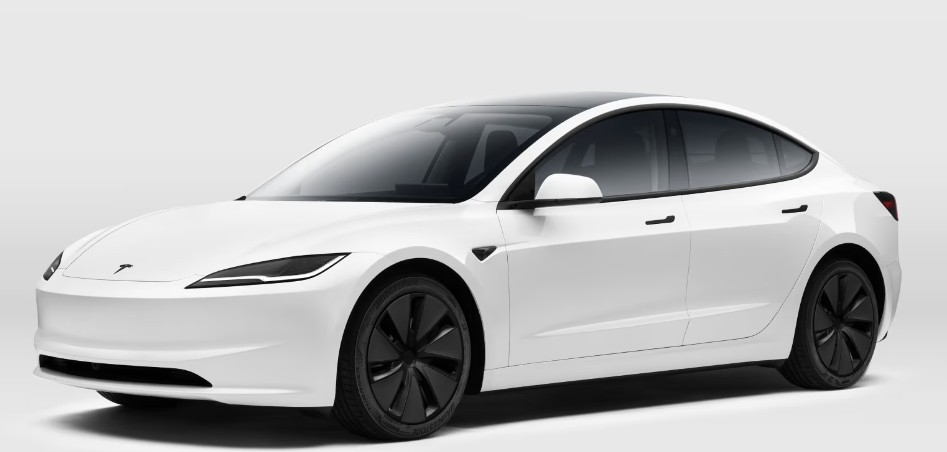
Tesla Model 3 Yearly Maintenance Cost

Content in this publication
- Why the Tesla Model 3 Changed the Maintenance Conversation
- Average Tesla Model 3 Yearly Maintenance Cost
- What Makes Tesla Maintenance Cheaper?
- The Biggest Ongoing Expense: Tires
- Tesla Recommended Maintenance Schedule
- Cabin Air Filter Replacement
- Brake Fluid Testing
- Air Conditioning Desiccant Bag Service
- Wheel Alignment Costs
- Battery Maintenance Costs
- Tesla Warranty Coverage and Maintenance Savings
- How Tesla Service Centers Affect Ownership Costs
- Insurance vs Maintenance: A Common Confusion
- Comparing Tesla Model 3 Maintenance Costs to Gas Cars
- DIY Tesla Maintenance: Is It Worth It?
- Seasonal Maintenance Considerations
- Unexpected Tesla Model 3 Repairs
- How Driving Habits Impact Maintenance Costs
- Long-Term Ownership Costs Beyond Maintenance
- Five-Year Tesla Model 3 Maintenance Estimate
- Ways to Reduce Tesla Model 3 Maintenance Costs
- Is Tesla Model 3 Maintenance Really Cheap?
- Who Benefits Most From Low Tesla Maintenance Costs?
- Final Thoughts on Tesla Model 3 Yearly Maintenance Cost
- FAQs
Why the Tesla Model 3 Changed the Maintenance Conversation
The automotive world used to treat maintenance like an unavoidable tax. Oil changes, spark plugs, timing belts, exhaust systems, transmission fluid, and mysterious engine noises were simply part of owning a car. Then the Tesla Model 3 arrived and flipped the script like a gust of wind turning pages in a notebook.
When we talk about the Tesla Model 3 yearly maintenance cost, we are not discussing maintenance in the traditional sense. We are discussing a completely different ownership philosophy. Electric vehicles have fewer moving parts, fewer fluids, and fewer mechanical systems that wear out over time. That changes the financial equation dramatically.
But here is the interesting part: “low maintenance” does not mean “no maintenance.” Tires still wear. Cabin filters still collect dust. Brake fluid still ages. Suspension parts still endure potholes. And if we ignore these realities, ownership costs can quietly creep upward like ivy climbing a wall.
So how much does a Tesla Model 3 really cost to maintain each year? Is it cheaper than a gasoline car? What surprises should owners expect? And what expenses tend to catch buyers off guard?
Let’s unpack everything.
Average Tesla Model 3 Yearly Maintenance Cost
For most owners, the yearly maintenance cost of a Tesla Model 3 typically falls between $300 and $900 annually.
That range depends heavily on:
- Driving habits
- Climate
- Tire choices
- Mileage
- Warranty status
- Whether repairs are needed
A lightly driven Model 3 in mild weather may cost barely more than a smartphone subscription each month to maintain. Meanwhile, a high-mileage vehicle chewing through performance tires can cost considerably more.
Here is a rough annual breakdown:
| Maintenance Item | Estimated Annual Cost |
|---|---|
| Tire rotation | $50–$120 |
| Cabin air filter | $40–$120 |
| Brake fluid service | $0–$150 |
| Tire replacement savings fund | $300–$800 |
| Wiper blades | $20–$60 |
| Air conditioning service | $0–$150 |
| Miscellaneous inspections | $50–$200 |
Compared with many gasoline sedans, the savings become obvious almost immediately.
What Makes Tesla Maintenance Cheaper?
No Oil Changes
This is the elephant that never enters the room.
Traditional vehicles need regular oil changes because internal combustion engines create heat, friction, and contamination. The Tesla Model 3 has no engine oil because it has no combustion engine.
That instantly removes:
- Oil changes
- Oil filters
- Engine sludge concerns
- Engine lubrication services
For drivers used to spending hundreds every year at repair shops, this feels almost surreal.
Fewer Moving Parts
Gasoline vehicles are mechanical orchestras. Pistons dance. Valves open and close thousands of times per minute. Belts spin endlessly. Exhaust systems roast beneath the chassis.
The Model 3 is simpler.
Its electric drivetrain has dramatically fewer moving components. Fewer parts usually mean fewer failures. That simplicity is one of the hidden superpowers of EV ownership.
Regenerative Braking Reduces Brake Wear
The Tesla Model 3 uses regenerative braking to slow the vehicle while recovering energy. Instead of relying heavily on brake pads, the electric motors help reduce speed.
This means:
- Brake pads last longer
- Brake rotors wear more slowly
- Brake servicing intervals increase
Some Tesla owners report going over 100,000 miles before needing brake pad replacement. That would sound almost mythical in many gasoline cars.
The Biggest Ongoing Expense: Tires
Why Tesla Tires Wear Faster
If there is one area where Tesla maintenance can bite back, it is tire wear.
Electric vehicles are heavier because of their battery packs. The Model 3 also delivers instant torque. Push the accelerator, and the car lunges forward like a sprinter exploding off the blocks.
That performance is thrilling.
It also eats tires.
Typical Tire Lifespan
Most Tesla Model 3 owners replace tires between:
- 20,000–40,000 miles
Aggressive driving can shorten that dramatically.
Performance trims like the Model 3 Performance often wear tires faster because of:
- Larger wheels
- Softer tire compounds
- More aggressive acceleration
Estimated Tire Costs Per Year
Depending on mileage and tire choice:
| Tire Type | Approximate Annual Cost |
|---|---|
| Standard all-season tires | $300–$600 |
| Premium performance tires | $600–$1,200 |
This is often the single largest maintenance expense for Model 3 owners.
Tesla Recommended Maintenance Schedule
Unlike traditional manufacturers, Tesla does not require frequent routine servicing.
Instead, Tesla recommends maintenance as needed.
Here are the primary recommendations.
Cabin Air Filter Replacement
How Often Should It Be Changed?
Tesla recommends replacing cabin air filters every:
- 2 years in most regions
These filters trap:
- Dust
- Pollen
- Pollution particles
- Odors
Neglecting them can create musty smells and reduce HVAC efficiency.
Cost of Cabin Filter Service
Typical cost:
- DIY: $35–$60
- Tesla service center: $80–$150
Many owners replace them themselves in under an hour.
Brake Fluid Testing
Why Brake Fluid Still Matters
Even though regenerative braking reduces wear, brake fluid still absorbs moisture over time.
Tesla recommends testing brake fluid every:
- 4 years
If contaminated, it should be replaced.
Expected Cost
Brake fluid service usually costs:
- $100–$200
Thankfully, this is not an annual expense.
Air Conditioning Desiccant Bag Service
A Rare but Important Maintenance Item
Tesla recommends replacing the air conditioning desiccant bag approximately every:
- 4–6 years
This component helps control moisture within the air conditioning system.
It sounds obscure, but neglecting it can affect HVAC performance over time.
Estimated Cost
Typical service cost:
- $250–$400
Again, this is infrequent rather than yearly.
Wheel Alignment Costs
Alignment Problems Can Increase Tire Wear
The Model 3’s weight and torque make wheel alignment important.
If alignment drifts even slightly:
- Tires wear unevenly
- Range efficiency drops
- Steering feel suffers
Average Alignment Cost
Typical alignment pricing:
- $100–$250
Many owners perform alignments every 1–2 years depending on road conditions.
Battery Maintenance Costs
Do Tesla Batteries Require Maintenance?
Not really.
The high-voltage battery is largely maintenance-free.
Owners do not need:
- Battery fluid changes
- Regular battery servicing
- Scheduled battery tune-ups
The battery management system handles most of the work automatically.
Battery Degradation Reality
The real long-term concern is battery degradation, not maintenance.
Most Model 3 batteries lose:
- Around 10% capacity after 100,000–150,000 miles
That is generally considered normal.
For many owners, the battery lasts longer than they expected.
Tesla Warranty Coverage and Maintenance Savings
Basic Vehicle Warranty
The Tesla Model 3 includes:
- 4 years / 50,000 miles basic warranty
This covers many defects and unexpected issues.
Battery and Drive Unit Warranty
Depending on trim:
- 8 years / 100,000–120,000 miles battery warranty
That coverage provides significant peace of mind.
A failing battery outside warranty can be extremely expensive, but widespread catastrophic failures are uncommon.
How Tesla Service Centers Affect Ownership Costs
The Convenience Factor
Tesla service centers operate differently from traditional dealerships.
Some services can even be completed through:
- Mobile service technicians
That means technicians may come directly to your home or workplace.
It feels futuristic because, honestly, it is.
Potential Downsides
However, repair availability varies by location.
Some owners experience:
- Long appointment wait times
- Expensive out-of-warranty repairs
- Limited independent repair options
This is one of the more controversial aspects of Tesla ownership.
Insurance vs Maintenance: A Common Confusion
Many buyers confuse maintenance savings with total ownership savings.
Yes, the Tesla Model 3 often has lower maintenance costs.
But insurance can sometimes offset those savings.
Why Insurance Can Be Expensive
Factors include:
- High repair costs
- Advanced sensors
- Aluminum body components
- Expensive glass replacement
Depending on location and driving history, insurance may cost more than expected.
Maintenance and insurance should always be evaluated separately.
Comparing Tesla Model 3 Maintenance Costs to Gas Cars
Tesla Model 3 vs Toyota Camry
A typical gasoline sedan like the Toyota Camry requires:
- Oil changes
- Transmission servicing
- Spark plugs
- Exhaust maintenance
- Engine air filters
The Model 3 avoids many of these entirely.
Over five years, maintenance savings can become substantial.
Tesla Model 3 vs BMW 3 Series
Compared with luxury sedans like the BMW 3 Series, the difference becomes even sharper.
German luxury vehicles often bring:
- Higher labor costs
- Complex engine systems
- Expensive repairs
The Model 3 generally costs much less to maintain annually.
DIY Tesla Maintenance: Is It Worth It?
What Owners Can Easily Do Themselves
Some Tesla maintenance tasks are surprisingly DIY-friendly.
These include:
- Cabin air filter replacement
- Wiper blade replacement
- Tire pressure checks
- Tire rotations
- Cleaning radiator areas
Doing these tasks yourself can save hundreds annually.
When Professional Service Is Better
Certain repairs are better left to trained technicians, especially involving:
- High-voltage systems
- Suspension repairs
- Battery components
- Advanced diagnostics
Electric vehicles are simple in some ways and highly sophisticated in others.
Seasonal Maintenance Considerations
Winter Driving Costs
Cold climates can increase ownership costs because:
- Tires wear differently
- Winter tires may be required
- Road salt affects components
- Energy consumption rises
Winter tires alone can add significant yearly expense.
Summer Heat Effects
Hot climates can impact:
- Cabin air filter lifespan
- Tire wear
- HVAC system workload
Extreme heat is like asking your car to jog through a desert carrying a backpack.
Eventually, something sweats.
Unexpected Tesla Model 3 Repairs
Not Everything Is Cheap
While maintenance is lower, repairs can sometimes be expensive.
Examples include:
- Windshield replacement
- Suspension components
- Touchscreen repairs
- Door handles
- Sensors and cameras
These are not routine maintenance items, but they matter when calculating long-term ownership costs.
Out-of-Warranty Anxiety
Once the warranty expires, some owners become more cautious.
Why?
Because Tesla parts and labor are not always cheap.
A single unexpected repair can temporarily erase several years of maintenance savings.
How Driving Habits Impact Maintenance Costs
Aggressive Driving Increases Costs Fast
Frequent hard acceleration:
- Wears tires faster
- Increases suspension strain
- Reduces efficiency
The Model 3 encourages spirited driving because it feels effortless and addictive.
That instant torque can become a guilty pleasure.
Gentle Drivers Spend Less
Smooth driving habits can dramatically reduce:
- Tire wear
- Brake wear
- Energy consumption
Sometimes maintenance savings are less about the car and more about the person behind the wheel.
Long-Term Ownership Costs Beyond Maintenance
Electricity Costs Matter Too
Maintenance is only one slice of the ownership pie.
Charging costs vary depending on:
- Electricity rates
- Charging habits
- Supercharger usage
Home charging is typically far cheaper than gasoline.
Frequent Supercharger use narrows the savings gap somewhat.
Depreciation Can Overshadow Maintenance
One overlooked reality is depreciation.
Even if maintenance costs stay low, resale values fluctuate based on:
- Market demand
- EV competition
- Battery technology changes
- Incentives
Depreciation often impacts ownership cost more than maintenance itself.
Five-Year Tesla Model 3 Maintenance Estimate
Here is a realistic five-year maintenance estimate for a typical owner.
| Service Item | Estimated 5-Year Cost |
|---|---|
| Tires | $2,000–$4,500 |
| Cabin filters | $150–$400 |
| Brake fluid | $100–$200 |
| Wheel alignments | $300–$700 |
| Wiper blades | $100–$250 |
| Miscellaneous | $300–$800 |
Estimated Total
Most owners spend approximately:
- $3,000–$6,500 over five years
That is generally lower than many gasoline or luxury competitors.
Ways to Reduce Tesla Model 3 Maintenance Costs
Rotate Tires Frequently
Regular tire rotations help extend tire life dramatically.
Tesla typically recommends rotation every:
- 6,250 miles
Skipping this can shorten tire lifespan significantly.
Avoid Excessive Launches
Instant acceleration is fun.
Repeated launches are fun for tire manufacturers too.
Keep Tire Pressure Properly Inflated
Underinflated tires:
- Wear faster
- Reduce efficiency
- Hurt handling
Checking tire pressure monthly is one of the simplest money-saving habits.
Use Regenerative Braking Wisely
Smooth regenerative braking reduces mechanical brake usage even further.
Think of it as letting the car glide rather than slam on invisible anchors.
Is Tesla Model 3 Maintenance Really Cheap?
The answer is nuanced.
Compared with traditional gasoline vehicles, yes, the Tesla Model 3 is generally cheaper to maintain.
But “cheap” depends on expectations.
If we compare it to premium luxury sedans, the savings can feel dramatic.
If we compare it to ultra-reliable economy hybrids, the difference narrows.
The biggest financial advantage comes from avoiding:
- Oil changes
- Major engine repairs
- Transmission failures
- Exhaust system repairs
The biggest recurring disadvantage is usually tire wear.
Who Benefits Most From Low Tesla Maintenance Costs?
The ideal owner is someone who:
- Drives high annual mileage
- Charges at home
- Maintains tires carefully
- Keeps the vehicle long-term
- Avoids aggressive driving habits
For these drivers, the maintenance savings become genuinely impressive.
Final Thoughts on Tesla Model 3 Yearly Maintenance Cost
The Tesla Model 3 transformed what many drivers expect from vehicle ownership. Instead of constantly scheduling oil changes and mechanical servicing, owners spend more time driving and less time sitting in waiting rooms sipping burnt coffee under fluorescent lights.
Yearly maintenance costs are typically modest, especially when compared with gasoline luxury sedans. Tires remain the largest routine expense, but the absence of traditional engine maintenance offsets much of that burden.
The real beauty of the Model 3 lies in its simplicity. It strips away many of the mechanical rituals we once accepted as normal. Owning one can feel a bit like switching from an old desktop computer filled with noisy fans to a sleek modern tablet that simply works.
No car is maintenance-free. But the Tesla Model 3 comes remarkably close.
FAQs
How much is the average Tesla Model 3 yearly maintenance cost?
Most owners spend between $300 and $900 annually, depending on mileage, tire wear, and driving habits.
Does the Tesla Model 3 need oil changes?
No. The Tesla Model 3 is fully electric and does not require engine oil changes.
Why do Tesla Model 3 tires wear quickly?
The car’s heavy battery pack and instant torque place additional stress on tires, especially during aggressive acceleration.
Is Tesla maintenance cheaper than BMW maintenance?
Generally, yes. The Tesla Model 3 usually costs significantly less to maintain than luxury gasoline sedans like the BMW 3 Series.
What is the biggest maintenance expense for a Tesla Model 3?
For most owners, tire replacement is the largest recurring maintenance cost.
If you want to know other articles similar to Tesla Model 3 Yearly Maintenance Cost you can visit the category Maintenance.
Subaru XV Maintenance Cost: A Complete Ownership Guide

Leapmotor C10 Service Schedule UK: Complete Maintenance Guide
Mazda CX-9 Maintenance Schedule: Complete Service Guide
Are Alfa Romeos Expensive to Maintain? A Real-World Ownership Guide

BMW M4 Yearly Maintenance Cost: What Owners Should Really Budget

How Often BMW Oil Change: The Complete Guide to BMW Oil Change Intervals
Leave a Reply
More content of your interest