

Tesla Model S Headlight Adjustment

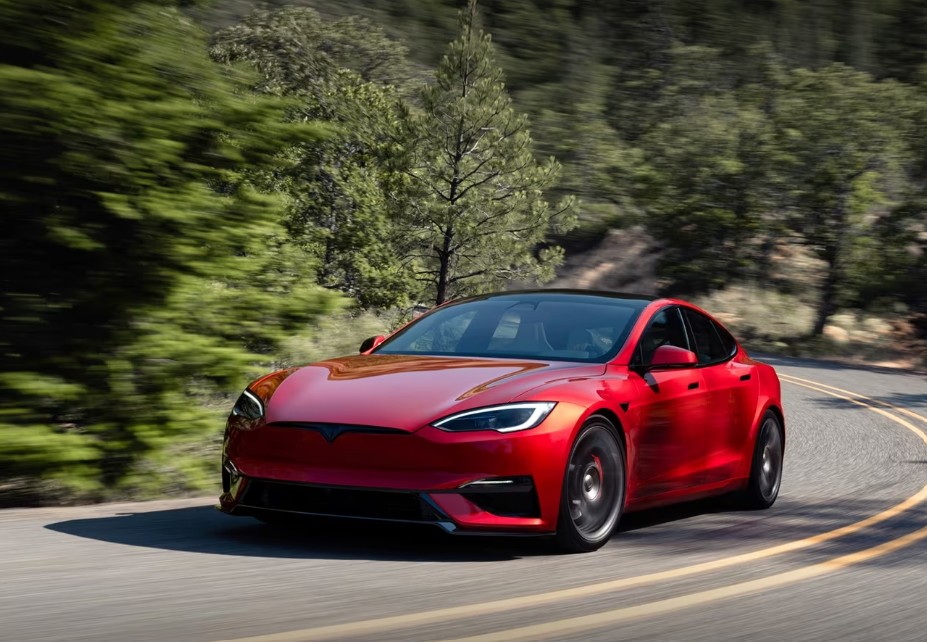
Content in this publication
- Why Tesla Model S Headlight Adjustment Matters
- How Tesla Model S Headlights Work
- Common Signs the Headlights Need Adjustment
- What Causes Tesla Model S Headlight Misalignment
- When Headlight Adjustment Becomes Necessary
- Preparing the Tesla Model S for Adjustment
- How To Access Tesla Headlight Adjustment Mode
- Using the Wall Alignment Method
- Vertical Headlight Adjustment Explained
- Horizontal Headlight Adjustment
- Manual Adjustment Screws on Older Model S Vehicles
- Understanding Adaptive Headlights
- Signs Adaptive Headlight Calibration Is Incorrect
- Tesla Matrix Headlights and Alignment
- Headlight Adjustment After Lowering the Tesla Model S
- Tesla Air Suspension and Headlight Calibration
- Common Tesla Model S Headlight Problems
- DIY Adjustment vs Tesla Service Center
- How To Improve Night Visibility Beyond Adjustment
- Safety Risks of Improper Headlight Alignment
- Why Tesla’s Lighting Technology Feels Different
- Final Thoughts on Tesla Model S Headlight Adjustment
- FAQs
Why Tesla Model S Headlight Adjustment Matters
Driving a Tesla Model S at night should feel effortless. The road ahead should glow clearly, curves should appear naturally, and obstacles should reveal themselves long before they become dangerous. But when the headlights are improperly aligned, nighttime driving can suddenly feel like navigating through fog with a flashlight taped to the hood.
Headlight adjustment is one of the most overlooked aspects of vehicle maintenance, yet it directly affects safety, comfort, and visibility. If the beams point too high, we blind other drivers. If they point too low, our own reaction time shrinks dramatically. It is a delicate balance, almost like tuning a musical instrument where tiny changes create massive differences.
Tesla Model S owners commonly experience headlight issues after suspension changes, software updates, repairs, or simply years of driving. Fortunately, Tesla provides built-in adjustment tools that make recalibration far easier than in many traditional luxury vehicles.
In this guide, we will explore everything about Tesla Model S headlight adjustment, including how the system works, common problems, step-by-step calibration methods, adaptive lighting behavior, troubleshooting tips, and best practices for maximizing nighttime visibility.
How Tesla Model S Headlights Work
Modern Tesla Model S headlights are far more advanced than the halogen lamps older vehicles once relied on. Depending on the model year and trim level, the car may include adaptive LED systems, matrix lighting, and software-controlled beam calibration.
Unlike conventional headlights that remain fixed in place, Tesla’s system continuously adapts to driving conditions. Some versions automatically alter beam direction based on steering angle, vehicle speed, and road elevation. That means the headlights behave less like static bulbs and more like intelligent visual assistants.
Tesla integrates much of the adjustment process directly into the touchscreen interface. Instead of manually turning screws under the hood for hours, drivers can access electronic calibration controls through the vehicle’s service settings.
This digital approach makes the process more precise, but it also means alignment issues can occasionally stem from software or sensor-related problems rather than purely mechanical faults.
Common Signs the Headlights Need Adjustment
Headlights usually provide warning signs before becoming a major problem. Many owners notice subtle visibility changes first, especially during nighttime highway driving.
Typical symptoms include:
- Poor road illumination
- One beam appearing higher than the other
- Oncoming drivers flashing their headlights
- Excessive glare
- Shortened visibility distance
- Uneven beam patterns
- Strange adaptive lighting behavior
Sometimes the issue feels almost psychological at first. The road simply “looks wrong.” Curves seem darker, lane markings appear dimmer, and nighttime driving becomes more tiring than usual.
These symptoms often indicate the headlights have shifted out of proper alignment.
What Causes Tesla Model S Headlight Misalignment
Headlight alignment problems rarely happen without a reason. Several factors can gradually or suddenly alter beam positioning.
Suspension Changes
The Tesla Model S frequently adjusts ride height through its air suspension system. Even small changes in vehicle stance can affect beam angle dramatically.
Software Updates
Tesla software updates occasionally alter lighting behavior or recalibration settings. Some owners notice beam changes immediately after updates.
Road Vibrations
Years of driving expose headlight assemblies to constant vibration. Over time, mounting points may shift slightly.
Collision Damage
Even minor impacts can affect headlight positioning or sensor calibration.
Heavy Cargo Loads
Additional weight in the rear of the vehicle changes front-end angle, altering beam projection.
Component Wear
Suspension wear, uneven tire pressure, or alignment changes can indirectly affect headlight aim.
When Headlight Adjustment Becomes Necessary
Not every lighting issue requires immediate calibration, but certain situations strongly indicate the need for adjustment.
We should check alignment after:
- Suspension repairs
- Tire replacements
- Front-end collision work
- Headlight replacement
- Air suspension recalibration
- Lowering spring installation
- Wheel alignment service
It is also wise to inspect beam patterns periodically even without obvious symptoms. Headlight alignment can drift slowly over time without attracting immediate attention.
Preparing the Tesla Model S for Adjustment
Preparation is critical. Improper setup can create misleading results and incorrect calibration.
Before adjusting headlights:
- Park on level ground
- Check tire pressures
- Remove heavy cargo
- Ensure suspension height is normal
- Clean the headlight lenses
- Fully close doors and trunk
The vehicle should represent typical driving conditions during calibration. Think of it like setting up a camera tripod. If the base is uneven, every adjustment afterward becomes inaccurate.
How To Access Tesla Headlight Adjustment Mode
Tesla simplifies adjustment through the touchscreen interface.
To enter calibration mode:
- Open Controls
- Select Service
- Tap Adjust Headlights
Once activated, directional controls appear on the screen. These controls allow precise vertical and horizontal beam adjustments.
The process feels surprisingly futuristic compared to traditional headlight calibration methods. Instead of crawling beneath the hood with screwdrivers, we interact directly with software-driven controls.
Using the Wall Alignment Method
The wall method remains one of the most reliable ways to verify proper beam positioning.
How To Set It Up
- Park approximately 25 feet from a flat wall
- Ensure the vehicle faces directly forward
- Mark headlight center height using tape
- Activate low beams
The beam cutoff should generally appear slightly below the height marks on the wall.
You may be interested in reading How Long Tesla Model S Battery Last
What Proper Alignment Looks Like
A properly aligned beam should:
- Remain level
- Avoid pointing upward aggressively
- Slightly angle downward
- Illuminate the road evenly
If the lights resemble stadium floodlights aimed at second-story windows, adjustment is definitely needed.
Vertical Headlight Adjustment Explained
Vertical alignment controls how high or low the headlights project.
Problems With High Beams
Overly high headlights can:
- Blind other drivers
- Create dangerous glare
- Reduce near-road visibility
Ironically, aiming headlights too high often worsens visibility directly ahead.
Problems With Low Beams
If the beams point too low:
- Reaction time decreases
- Highway driving becomes stressful
- Curves appear darker
- Obstacles emerge later
Finding the correct balance is essential.
Horizontal Headlight Adjustment
Horizontal calibration controls left-to-right beam positioning.
Improper horizontal alignment may cause:
- Poor lane illumination
- Excessive shoulder lighting
- Uneven visibility
- Reduced corner clarity
Small corrections matter enormously here. A tiny shift can dramatically change how the road appears at night.
Manual Adjustment Screws on Older Model S Vehicles
Some earlier Tesla Model S variants still include physical adjustment screws behind the headlight housing.
These screws usually control:
- Vertical beam movement
- Horizontal positioning
Tools commonly required include:
- Torx drivers
- Phillips screwdrivers
- Socket extensions
Manual adjustment requires patience because even quarter-turn movements can significantly alter beam direction.
Understanding Adaptive Headlights
Adaptive headlights represent one of Tesla’s most impressive lighting technologies.
These systems dynamically adjust beam direction based on:
- Steering input
- Vehicle speed
- Road incline
- Suspension movement
Imagine a flashlight that automatically points where the road is about to go rather than where the car currently faces.
That is essentially what adaptive lighting accomplishes.
Signs Adaptive Headlight Calibration Is Incorrect
Adaptive systems sometimes behave unpredictably when calibration drifts.
Common symptoms include:
- Delayed directional movement
- Uneven corner illumination
- Flickering beam adjustments
- Dashboard warnings
- Headlights moving independently
In many cases, recalibration resolves the issue.
Tesla Matrix Headlights and Alignment
Newer Tesla Model S models may feature matrix LED headlights capable of intelligent beam segmentation.
Instead of simply turning high beams on or off, matrix systems selectively dim specific portions of the beam to avoid blinding other drivers.
This technology feels almost magical during nighttime driving. The car intelligently sculpts light around surrounding traffic.
However, even matrix systems require proper baseline alignment. Advanced software cannot compensate fully for badly aimed headlights.
Headlight Adjustment After Lowering the Tesla Model S
Lowering the suspension dramatically affects beam angle.
When the front of the car sits lower:
- Headlights naturally point upward
- Glare increases
- Oncoming traffic visibility worsens
This creates the illusion of brighter lighting while actually reducing safety.
Every suspension modification should be followed immediately by headlight recalibration.
Tesla Air Suspension and Headlight Calibration
Tesla’s air suspension interacts closely with the lighting system.
Changes in ride height affect:
You may be interested in readingHow Long Tesla Model S Battery LastYou may be interested in reading
How Long Do Tesla Model S Tires Last?- Beam projection
- Adaptive lighting behavior
- Sensor calibration
If suspension recalibration occurs, headlight alignment should also be verified afterward.
Ignoring this relationship is like leveling a ladder on shifting sand.
Common Tesla Model S Headlight Problems
Owners occasionally report recurring lighting issues.
Headlights Pointing Too High
Often linked to:
- Suspension recalibration
- Incorrect adjustment
- Sensor errors
Uneven Headlights
Possible causes include:
- Damaged brackets
- Mounting shifts
- Faulty actuators
Adjustment Resetting Itself
Some systems may override manual settings if adaptive calibration conflicts with stored values.
Dashboard Warning Messages
Warning alerts may indicate:
- Sensor communication faults
- Motor failures
- Software synchronization issues
DIY Adjustment vs Tesla Service Center
Many owners wonder whether to handle calibration themselves or seek professional service.
Advantages of DIY Adjustment
- Faster
- Convenient
- Lower cost
- Simple for minor corrections
Advantages of Professional Calibration
- Factory diagnostic tools
- Precision measurement equipment
- Sensor verification
- Software diagnostics
Minor adjustments are often manageable at home, but persistent issues usually require professional evaluation.
How To Improve Night Visibility Beyond Adjustment
Headlight alignment is only part of the equation.
Keep Lenses Clean
Dirty or oxidized lenses scatter light inefficiently.
Check Tire Pressures
Improper pressure changes ride height and beam angle.
Avoid Cheap Aftermarket Bulbs
Poor-quality bulbs often create inconsistent beam patterns.
Inspect Beam Patterns Monthly
A quick wall test can reveal developing issues before they worsen.
Safety Risks of Improper Headlight Alignment
Improperly adjusted headlights affect far more than comfort.
Reduced Reaction Time
Low beams shorten visible stopping distance.
Glare for Other Drivers
High beams aimed incorrectly can temporarily blind approaching traffic.
Increased Driver Fatigue
Poor visibility forces our eyes to strain continuously.
Inspection Failures
In some regions, improper headlight alignment can fail roadworthiness inspections.
Why Tesla’s Lighting Technology Feels Different
Tesla transformed headlight adjustment from a purely mechanical process into a software-driven experience.
Traditional vehicles relied mostly on:
- Fixed bulbs
- Manual screws
- Mechanical calibration
The Model S combines:
- Sensors
- Software logic
- Adaptive movement
- Electronic calibration
The result is a lighting system that feels intelligent rather than static.
But intelligence also introduces complexity. Owners must think about headlights not just as bulbs, but as interconnected systems.
Final Thoughts on Tesla Model S Headlight Adjustment
Tesla Model S headlight adjustment might seem like a small maintenance detail, yet it profoundly shapes the nighttime driving experience.
Properly aligned headlights improve:
- Visibility
- Safety
- Comfort
- Driver confidence
- Adaptive lighting performance
Whether we adjust the beams through Tesla’s touchscreen controls or seek professional calibration after suspension work, the objective remains the same: clear, balanced illumination that enhances the road without creating danger for others.
A correctly calibrated Tesla Model S does not merely light the pavement. It transforms darkness into clarity.
FAQs
Can Tesla Model S headlights be adjusted manually?
Yes. Most models allow adjustment through the touchscreen service menu, while some older versions also include physical adjustment screws.
Why do Tesla headlights suddenly appear too high?
This often happens after suspension changes, software updates, or incorrect recalibration.
Do adaptive headlights require recalibration?
Yes. Adaptive systems may need recalibration after repairs, suspension adjustments, or headlight replacement.
You may be interested in readingHow Long Tesla Model S Battery LastYou may be interested in reading
How Long Do Tesla Model S Tires Last?You may be interested in reading
Tesla Model S vs Mercedes EQSHow far should Tesla low beams project?
Low beams should illuminate the road clearly without shining directly into oncoming drivers’ eyes.
Should headlights be adjusted after lowering the car?
Absolutely. Lowering the suspension changes beam angle significantly and usually causes excessive glare if calibration is ignored.
If you want to know other articles similar to Tesla Model S Headlight Adjustment you can visit the category Service and Parts.
Dacia Jogger Engine Size: Petrol and Hybrid Options Explained
Dacia Jogger Towing Capacity: Complete Practical Guide
Dacia Jogger Tyre Pressure: The Complete Owner’s Guide
Dacia Jogger Boot Space: Dimensions, Capacity and Practicality
Vauxhall Meriva Code 24: Meaning, Causes, and Easy Fixes
Vauxhall Meriva Code 16: Meaning, Causes, and Fixes
Leave a Reply
More content of your interest