
How Long Do Tesla Model S Tires Last?

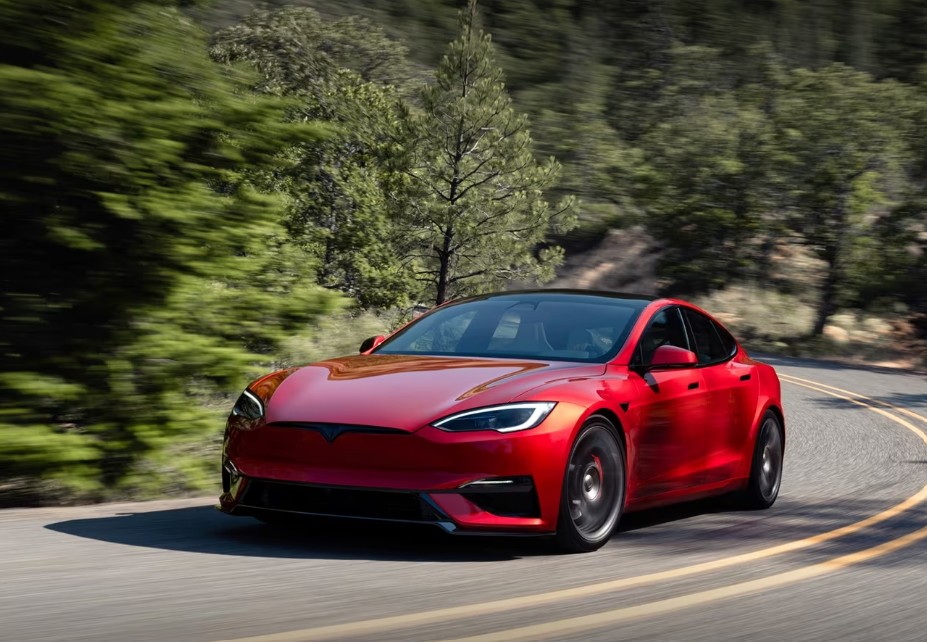
When we talk about the ownership experience of the Tesla Model S, conversations usually orbit around battery life, charging speed, or acceleration that feels like a roller coaster strapped to a spaceship. But there’s another piece of the puzzle many drivers overlook until it’s staring them in the face at a tire shop: tire wear.
So, how long do Tesla Model S tires last?
The short answer is this: most Tesla Model S tires last between 20,000 and 40,000 miles, depending on driving habits, tire type, road conditions, alignment, and wheel size. Some owners burn through rear tires in under 15,000 miles, while others stretch a set well beyond 45,000 miles with careful driving and routine maintenance.
That’s a massive gap.
And honestly, it makes sense. The Model S is not a lightweight commuter car. It’s a high-torque electric performance machine capable of launching like a cheetah chasing dinner. Tires take the beating.
In this guide, we’ll unpack everything we need to know about Tesla Model S tire life, what affects longevity, how to extend tire lifespan, warning signs of premature wear, maintenance tips, costs, and whether EV tires truly wear out faster than those on gasoline vehicles.
Content in this publication
- Why Tesla Model S Tires Wear Faster Than Many Cars
- Average Tesla Model S Tire Lifespan
- Do Tesla Model S Rear Tires Wear Faster?
- Wheel Size Matters More Than People Think
- How Driving Style Changes Tire Longevity
- Do EVs Wear Tires Faster Than Gas Cars?
- Best Tire Types for Tesla Model S Longevity
- How Often Should Tesla Model S Tires Be Rotated?
- Signs Your Tesla Model S Tires Need Replacement
- Tesla Alignment Problems and Tire Wear
- Proper Tire Pressure for Tesla Model S
- Can Regenerative Braking Reduce Tire Wear?
- How Climate Affects Tesla Tire Life
- How Much Does It Cost to Replace Tesla Model S Tires?
- Best Ways to Make Tesla Model S Tires Last Longer
- Should We Buy EV-Specific Tires for the Tesla Model S?
- How Long Do Tesla Model S Tires Last Compared to Model 3 Tires?
- Can Tire Warranty Cover Tesla Tire Wear?
- How to Check Tesla Model S Tire Tread
- Are Michelin Tires Best for Tesla Model S?
- Do Tesla Model S Tires Wear Unevenly?
- Tesla Plaid Tire Wear Is a Different Beast
- Seasonal Tire Swaps Can Extend Tire Life
- Road Quality Has a Huge Impact on Tesla Tires
- How Tesla Software Can Influence Tire Wear
- Should We Replace All Four Tires at Once?
- The Hidden Relationship Between Efficiency and Tire Wear
- Final Thoughts on Tesla Model S Tire Longevity
- FAQs
Why Tesla Model S Tires Wear Faster Than Many Cars
There’s a simple reason Tesla tires often wear faster: instant torque.
Traditional gasoline cars build power gradually. The Model S, on the other hand, delivers power immediately. The moment we touch the accelerator, torque arrives like a lightning strike. That explosive force creates tremendous friction between the tires and the road.
The result?
- Faster tread wear
- Increased rear tire degradation
- More stress during acceleration
- Greater heat buildup
Add the heavy battery pack into the equation, and the car becomes significantly heavier than many sedans in its class.
A heavier vehicle means the tires constantly support more load, especially during cornering and braking.
It’s a bit like asking running shoes to carry a backpack full of bricks every day. They’ll wear out sooner.
Average Tesla Model S Tire Lifespan
Typical Mileage Expectations
Here’s a realistic breakdown of tire longevity for most Tesla Model S owners:
| Tire Type | Expected Lifespan |
|---|---|
| Performance summer tires | 20,000–25,000 miles |
| All-season touring tires | 30,000–40,000 miles |
| High-performance EV tires | 25,000–35,000 miles |
| Aggressive driving conditions | 15,000–20,000 miles |
Drivers with Plaid or Performance variants often experience shorter lifespan because those trims unleash absurd levels of acceleration.
A Tesla Plaid can devour tires like a hungry wolf at a buffet if we constantly launch it hard.
Do Tesla Model S Rear Tires Wear Faster?
Yes — Especially on Performance Models
Rear tires almost always wear faster on the Model S.
Why?
Because the rear wheels often handle most of the acceleration load. Every rapid launch transfers weight backward, pressing harder into the rear rubber.
Common signs include:
- Inner edge wear
- Bald rear tread
- Uneven shoulder wear
- Faster rear degradation compared to front
Some owners replace rear tires twice before replacing fronts once.
That’s not unusual.
Wheel Size Matters More Than People Think
19-Inch vs 21-Inch Tesla Wheels
Tesla offers multiple wheel configurations, and they dramatically influence tire life.
19-Inch Wheels
Benefits include:
- Longer tire lifespan
- Better comfort
- Lower replacement cost
- Improved efficiency
Typical lifespan:
30,000–40,000 miles
21-Inch Wheels
Benefits include:
- Sharper handling
- More aggressive appearance
- Better cornering feel
Drawbacks include:
- Faster wear
- More expensive tires
- Harsher ride quality
Typical lifespan:
20,000–30,000 miles
Low-profile tires on 21-inch wheels simply have less cushioning and usually wear faster under aggressive driving.
How Driving Style Changes Tire Longevity
Gentle Driving vs Aggressive Driving
Nothing impacts tire lifespan more than how we drive.
A calm Tesla owner who accelerates smoothly may double the life of their tires compared to someone constantly flooring the accelerator.
Habits That Destroy Tesla Tires Faster
Frequent Launches
The Model S can accelerate brutally fast.
Every launch scrubs rubber from the tread.
Hard Cornering
Sharp cornering places heavy pressure on tire shoulders.
Sudden Braking
EV regenerative braking helps somewhat, but panic stops still increase wear.
Driving at High Speeds
Highway cruising at extreme speeds generates extra heat and faster tread breakdown.
Do EVs Wear Tires Faster Than Gas Cars?
In Many Cases, Yes
Electric vehicles generally wear tires faster than gasoline cars because they combine:
- Instant torque
- Heavier curb weight
- Faster acceleration
- Stronger traction demands
However, tire technology is evolving rapidly.
Modern EV-specific tires now feature:
- Reinforced sidewalls
- Lower rolling resistance
- Stronger compounds
- Noise-reduction foam
These improvements help extend lifespan considerably.
Best Tire Types for Tesla Model S Longevity
All-Season Tires
These usually provide the best balance between:
- Durability
- Comfort
- Grip
- Efficiency
Excellent for daily driving.
Performance Tires
These prioritize grip and handling over longevity.
Think of them like athletic shoes. Incredible performance, but faster wear.
Winter Tires
Necessary in snowy climates, but softer rubber compounds wear quickly in warm weather.
Never run winter tires year-round unless we enjoy replacing them constantly.
How Often Should Tesla Model S Tires Be Rotated?
Recommended Rotation Interval
Tesla generally recommends tire rotation every:
6,250 miles
Regular rotation helps:
- Even out wear
- Extend tire life
- Improve ride quality
- Maintain traction balance
Skipping rotations is like refusing to rotate a mattress. Eventually, uneven wear becomes unavoidable.
Signs Your Tesla Model S Tires Need Replacement
1. Low Tread Depth
Most tires should be replaced around:
- 4/32" for wet safety
- 2/32" absolute legal minimum
2. Cracking or Dry Rot
Rubber deteriorates over time even if tread remains.
3. Uneven Wear Patterns
This often indicates:
- Poor alignment
- Suspension issues
- Improper inflation
4. Increased Road Noise
Worn EV tires can become dramatically louder.
5. Vibration at Highway Speeds
Possible causes include:
- Tire imbalance
- Flat spots
- Internal tire damage
Tesla Alignment Problems and Tire Wear
Alignment Is Critical
Improper alignment can destroy a new set of Tesla tires surprisingly fast.
Common symptoms include:
- Pulling left or right
- Uneven tread wear
- Crooked steering wheel
- Rapid inner shoulder wear
Because the Model S is heavy and performance-oriented, alignment specifications matter enormously.
Even slight misalignment can shave thousands of miles off tire life.
Proper Tire Pressure for Tesla Model S
Why Tire Pressure Matters
Underinflated tires create:
- Excess heat
- Increased rolling resistance
- Faster shoulder wear
Overinflated tires create:
- Center tread wear
- Reduced grip
- Harsher ride
Maintaining proper PSI improves:
- Efficiency
- Safety
- Tire lifespan
Most Tesla Model S configurations operate around:
- 42–45 PSI
Always verify the exact specification on the driver-side door jamb.
Can Regenerative Braking Reduce Tire Wear?
Yes — But Only Partially
Regenerative braking reduces wear on brake pads significantly.
Tire wear reduction is more nuanced.
Because regenerative braking slows the car smoothly, it can reduce abrupt weight transfer and aggressive braking force.
However, the benefits are often offset by:
- Instant acceleration torque
- Heavy vehicle weight
So while regen helps somewhat, it doesn’t magically preserve tires forever.
How Climate Affects Tesla Tire Life
Hot Weather
High temperatures accelerate rubber degradation.
Extreme heat can cause:
- Faster tread wear
- Cracking
- Blowout risk
Cold Weather
Cold temperatures stiffen rubber compounds, reducing grip.
Snow and Ice
Winter driving increases stress through:
- Spinning wheels
- Slippage
- Abrupt traction changes
Climate plays a larger role in tire longevity than many owners realize.
How Much Does It Cost to Replace Tesla Model S Tires?
Average Tire Replacement Costs
Tesla tires aren’t cheap.
Typical pricing per set:
| Tire Type | Average Cost |
|---|---|
| Standard all-season set | $900–$1,400 |
| Performance tires | $1,500–$2,500 |
| EV-specific premium tires | $1,200–$2,000 |
Larger wheels dramatically increase replacement costs.
And yes, 21-inch tires can sting the wallet like stepping barefoot on Lego bricks.
Best Ways to Make Tesla Model S Tires Last Longer
Drive Smoothly
Gentle acceleration matters enormously.
Rotate Tires Regularly
Stick to the 6,250-mile interval.
Maintain Proper Alignment
Check alignment annually or after pothole impacts.
Keep Tires Properly Inflated
Use Tesla’s recommended PSI settings.
Avoid Excessive Speed
High-speed driving generates extra heat.
Choose Durable Tire Compounds
Touring tires often outlast ultra-performance tires substantially.
Should We Buy EV-Specific Tires for the Tesla Model S?
Usually, Yes
EV-specific tires offer advantages like:
- Lower road noise
- Better efficiency
- Enhanced load handling
- Improved durability
Manufacturers now design tires specifically for heavy electric vehicles.
These tires often include reinforced structures that better tolerate Tesla torque and weight.
How Long Do Tesla Model S Tires Last Compared to Model 3 Tires?
Model S Tires Usually Wear Faster
The Model S tends to consume tires faster because it is:
- Heavier
- More powerful
- Often driven more aggressively
The Tesla Model 3 generally achieves slightly better tire longevity, especially in standard-range trims.
Can Tire Warranty Cover Tesla Tire Wear?
Sometimes
Many tire manufacturers offer treadwear warranties ranging from:
- 40,000 miles
- 50,000 miles
- 60,000 miles
However, warranty claims can become tricky if:
- Rotations weren’t performed
- Alignment problems exist
- Tires show uneven wear
Always keep maintenance records.
They matter more than many drivers expect.
How to Check Tesla Model S Tire Tread
Simple Methods
Penny Test
Insert a penny into the tread groove.
If Lincoln’s head is fully visible, tread is dangerously low.
Tread Depth Gauge
More accurate than coin tests.
Tesla Service Inspection
Tesla service centers can measure tread during routine maintenance.
Are Michelin Tires Best for Tesla Model S?
Popular Tesla Tire Brands
Several brands perform exceptionally well on the Model S:
- Michelin
- Continental
- Pirelli
- Goodyear
- Hankook
Michelin tires are especially popular because they balance:
- Quietness
- Efficiency
- Grip
- Longevity
Many Tesla owners consider them the sweet spot between comfort and performance.
Do Tesla Model S Tires Wear Unevenly?
They Can — Especially on Inner Edges
Uneven wear is common when:
- Alignment drifts
- Suspension geometry changes
- Tires remain unrotated
Inner tire wear often sneaks up silently.
The outside tread may look acceptable while the inside edge becomes nearly bald.
That’s why visual inspections matter.
Tesla Plaid Tire Wear Is a Different Beast
Performance Comes at a Cost
The Tesla Model S Plaid is brutally fast.
That performance extracts a price from tires.
Some Plaid owners report:
- Rear tire replacement under 15,000 miles
- Rapid shoulder wear
- Frequent balancing needs
Three electric motors generating astonishing torque simply stress tires more aggressively than standard trims.
The car is essentially a supercar disguised as a luxury sedan.
Seasonal Tire Swaps Can Extend Tire Life
Using Dedicated Winter and Summer Sets
Many owners maximize longevity by using:
- Summer tires in warm months
- Winter tires during cold seasons
This prevents:
- Winter compounds melting in summer heat
- Summer compounds hardening in freezing temperatures
Seasonal rotation can dramatically improve overall tire lifespan.
Road Quality Has a Huge Impact on Tesla Tires
Potholes Are Tire Killers
Heavy EVs hate rough roads.
Poor road surfaces can cause:
- Sidewall damage
- Alignment shifts
- Uneven wear
- Rim damage
Even one severe pothole impact can shorten tire lifespan significantly.
How Tesla Software Can Influence Tire Wear
Drive Modes Matter
Tesla drive modes alter acceleration response.
Using:
- Chill Mode
- Smooth acceleration profiles
can noticeably reduce tire wear.
Meanwhile, aggressive performance settings encourage faster tread consumption.
It’s basically the difference between jogging and sprinting everywhere we go.
Should We Replace All Four Tires at Once?
Usually Recommended
Replacing all four tires ensures:
- Balanced traction
- Consistent handling
- Better stability control performance
However, if front and rear wear differ substantially, replacing pairs may be acceptable temporarily.
Always match tire types and tread patterns whenever possible.
Worn Tires Affect Range
As tires degrade:
- Rolling resistance changes
- Efficiency can decrease
- Road noise increases
Fresh EV tires often improve driving range slightly compared to badly worn ones.
That’s another reason proper maintenance matters beyond simple safety.
Final Thoughts on Tesla Model S Tire Longevity
Tesla Model S tires typically last between 20,000 and 40,000 miles, but the true answer depends heavily on how we drive, maintain the vehicle, and choose our tires.
If we constantly unleash the car’s breathtaking acceleration, tire wear will happen quickly. That’s simply the nature of a high-performance electric sedan carrying immense torque and weight.
But with smart habits — smooth acceleration, regular rotations, proper inflation, and alignment checks — we can dramatically extend tire life while improving efficiency and comfort.
The Model S is a remarkable machine. Yet even futuristic technology still depends on four patches of rubber touching the pavement.
And those four patches work harder than most people realize.
FAQs
How often should Tesla Model S tires be replaced?
Most Tesla Model S tires need replacement every 20,000 to 40,000 miles depending on tire type and driving habits.
Do Tesla tires wear out faster than normal car tires?
Yes, Tesla tires often wear faster because EVs are heavier and produce instant torque during acceleration.
Can Tesla tire rotation extend tire life?
Absolutely. Rotating tires every 6,250 miles helps distribute wear evenly and increases longevity.
Why do Tesla rear tires wear faster?
Rear tires handle much of the acceleration force, especially during hard launches and rapid acceleration.
What are the best tires for Tesla Model S longevity?
High-quality all-season EV-specific tires from brands like Michelin and Continental typically offer the best balance of durability and efficiency.
If you want to know other articles similar to How Long Do Tesla Model S Tires Last? you can visit the category Service and Parts.
Volvo S90 Engine Oil: Type, Capacity & Change Guide
Volvo S90 Boot Space: Size, Capacity and Practicality
SEO Title: Volvo S90 Oil Capacity: Complete Guide by Engine

Kia Sorento Oil Type: Complete Guide by Year & Engine
Kia Sorento Engine Capacity: Complete Guide by Year
Peugeot 308 Clutch Replacement Cost: Complete UK Guide for 2026
Leave a Reply
More content of your interest