

BMW i3 Heater Not Working: Causes, Fixes, and Winter Survival Guide

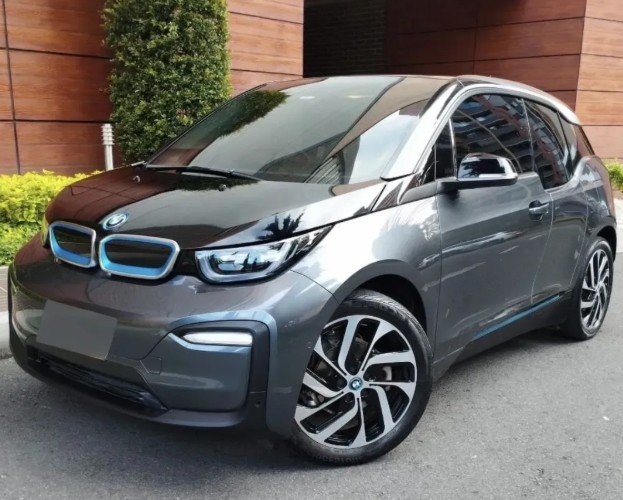
When the heater in a BMW i3 suddenly stops working, it can feel like winter has invaded the cabin with a vengeance. One moment we are enjoying the silent comfort of this futuristic electric car, and the next we are gripping the steering wheel with frozen fingers while fog creeps across the windshield like a slow-moving storm cloud.
The BMW i3 is famous for innovation, efficiency, and quirky engineering. But like any modern EV, its heating system is more complex than the old-school setups found in gasoline vehicles. When something goes wrong, the issue can range from a weak 12V battery to a failed high-voltage heater module.
The good news? Most BMW i3 heater problems are diagnosable and fixable.
In this detailed guide, we will explore the most common reasons why the BMW i3 heater is not working, how to troubleshoot the issue, repair costs, warning signs, preventative maintenance, and whether the problem affects all model years equally.
Content in this publication
- Why the BMW i3 Heater Matters More Than You Think
- Common Symptoms of a BMW i3 Heater Problem
- How the BMW i3 Heating System Works
- Most Common Causes of BMW i3 Heater Not Working
- BMW i3 Heat Pump Problems
- Software Glitches and BMW i3 Heater Issues
- Cold Weather and BMW i3 Heating Performance
- Diagnosing a BMW i3 Heater Problem
- BMW i3 Heater Repair Costs
- Can You Drive a BMW i3 Without Heat?
- DIY Fixes for BMW i3 Heater Problems
- When to Visit a BMW Specialist
- BMW i3 Model Years Most Affected
- Preventing BMW i3 Heater Problems
- How Heater Problems Affect BMW i3 Range
- Signs the Heater Issue Is Getting Worse
- Is BMW i3 Heater Failure Common?
- Should You Buy a Used BMW i3 With Heater Issues?
- Final Thoughts on BMW i3 Heater Not Working
- FAQs
Why the BMW i3 Heater Matters More Than You Think
Unlike traditional gasoline cars, EVs do not generate excess engine heat. A petrol engine naturally creates warmth as fuel burns, and the heater simply redirects that heat into the cabin.
The BMW i3 does not have that luxury.
Instead, it relies on an electric heating system that draws energy directly from the battery pack. That means:
- Cabin heat affects driving range
- Heating components are more specialized
- Electrical failures become more important
- Cold weather amplifies weaknesses
When the heater stops working, it is not just about comfort. It can impact:
- Windshield defrosting
- Battery efficiency
- Cabin safety
- Winter drivability
- Passenger visibility
A failed heater in freezing temperatures can transform a premium EV into an uncomfortable icebox on wheels.
Common Symptoms of a BMW i3 Heater Problem
Before diving into repairs, we need to recognize the warning signs.
No Warm Air From Vents
This is the most obvious symptom. The climate control appears operational, but only cold air comes through the vents.
Sometimes the air is slightly lukewarm, while other times it feels as cold as the outside air.
Heater Works Intermittently
One drive feels normal. The next feels like driving inside a refrigerator.
Intermittent heating often points toward:
- Electrical connection problems
- Weak 12V battery
- Failing heater module
- Software glitches
Cabin Takes Forever to Warm Up
The BMW i3 typically heats quickly compared to many EVs. If the cabin suddenly needs 15–20 minutes to warm up, something may already be deteriorating.
Foggy Windows That Won’t Clear
A failing heater can reduce defrost performance. Moisture lingers on the windshield, especially in rainy or cold climates.
This symptom should never be ignored.
Error Messages on the Dashboard
Some drivers encounter messages such as:
- “Heating and air conditioning malfunction”
- “Drivetrain malfunction”
- Climate control warnings
- Reduced comfort mode notifications
Modern EVs behave like rolling computers. Even a small sensor issue can trigger multiple alerts.
How the BMW i3 Heating System Works
To understand failures, we first need to understand the system itself.
Electric Resistance Heater
Most BMW i3 models use a high-voltage electric resistance heater. Think of it like a giant hairdryer for the cabin.
Electricity passes through heating elements and generates warmth.
Heat Pump System
Some i3 models include an optional heat pump.
A heat pump is more energy-efficient because it transfers existing heat instead of creating it entirely from scratch.
This helps preserve battery range during winter.
Climate Control Module
The climate control system communicates with:
- Temperature sensors
- Cabin sensors
- Battery management systems
- High-voltage components
A software issue can sometimes mimic mechanical failure.
Most Common Causes of BMW i3 Heater Not Working
Now we arrive at the heart of the problem.
Failed High-Voltage Heater
This is one of the most common and expensive BMW i3 heater failures.
The high-voltage heater unit can burn out over time, especially in colder regions where it operates constantly.
Symptoms include:
- Completely cold air
- Fault codes
- Heater shutting down suddenly
Unfortunately, replacement is rarely cheap.
Weak or Dead 12V Battery
Here is where the BMW i3 surprises many owners.
Even though the car uses a large high-voltage battery, the 12V battery still powers critical electronics.
When the 12V battery weakens:
- Climate systems malfunction
- Sensors behave erratically
- Heater controls fail
- Random warning messages appear
A dying 12V battery can create chaos like a conductor leading an orchestra of electrical confusion.
Blown Fuse
Sometimes the simplest answer is the correct one.
A blown HVAC fuse can disable the heating system entirely.
Checking the fuse box is always worth doing before replacing expensive parts.
BMW i3 Heat Pump Problems
If your BMW i3 has a heat pump, additional failure points exist.
Refrigerant Leaks
Low refrigerant levels can prevent the heat pump from operating correctly.
Symptoms may include:
- Weak heat
- Inconsistent cabin temperatures
- Strange noises
- Reduced efficiency
Compressor Failure
The heat pump compressor is essential for moving refrigerant through the system.
A failed compressor often produces:
- Loud noises
- No cabin heat
- AC malfunction
- Error codes
This repair can become costly quickly.
Faulty Temperature Sensors
Modern EVs rely heavily on sensor data.
If a temperature sensor sends incorrect readings, the system may:
- Refuse to activate heating
- Deliver weak airflow
- Cycle unpredictably
It is like a thermostat in a house insisting the room is already warm while everyone is shivering.
Software Glitches and BMW i3 Heater Issues
The BMW i3 is packed with software-driven systems.
Sometimes the problem is not mechanical at all.
Climate Control Software Bugs
A corrupted software update or communication error can disable heater functions.
Drivers occasionally report:
- Heater suddenly stops after updates
- Climate control freezes
- Fan speed behaves oddly
Resetting the System
In some cases, rebooting the vehicle helps.
Basic steps include:
- Turn the vehicle off completely
- Exit and lock the car
- Wait 10–15 minutes
- Restart the vehicle
This soft reset occasionally restores climate functionality.
Cold Weather and BMW i3 Heating Performance
EVs behave differently in winter.
Reduced Battery Efficiency
Cold batteries deliver less efficient performance.
The heater must work harder, drawing more energy.
Energy Prioritization
Sometimes the BMW i3 prioritizes battery preservation over cabin warmth.
This can lead to:
- Reduced heating output
- Slower cabin warming
- Lower airflow
Extreme Temperatures Expose Weak Components
A heater that works fine at 50°F may fail at 10°F.
Cold weather acts like a stress test for aging electrical components.
Diagnosing a BMW i3 Heater Problem
Proper diagnosis prevents unnecessary repairs.
Step 1: Check Cabin Settings
It sounds obvious, but mistakes happen.
Verify:
- Temperature is set high enough
- Eco Pro mode is not limiting heat
- Airflow settings are correct
- Defrost mode is activated if needed
Step 2: Look for Warning Messages
Dashboard alerts provide valuable clues.
Even seemingly unrelated warnings may point toward voltage or HVAC issues.
Step 3: Test the 12V Battery
A weak 12V battery causes countless strange BMW i3 issues.
If the battery is more than 3–5 years old, testing it should be a priority.
Step 4: Scan for Fault Codes
Using an OBD2 scanner capable of reading BMW EV systems can reveal:
- Heater faults
- Sensor issues
- Voltage irregularities
- HVAC communication errors
Generic scanners may miss EV-specific data.
BMW i3 Heater Repair Costs
Repair expenses vary dramatically depending on the root cause.
Typical Repair Price Ranges
| Problem | Estimated Cost |
|---|---|
| Blown fuse | $20–$100 |
| 12V battery replacement | $200–$500 |
| Sensor replacement | $150–$400 |
| Refrigerant recharge | $150–$300 |
| Heat pump repair | $800–$2,500 |
| High-voltage heater replacement | $1,500–$4,000 |
Labor costs can significantly increase totals at dealerships.
Can You Drive a BMW i3 Without Heat?
Technically, yes.
But in winter conditions, it becomes risky.
Visibility Concerns
Without proper defrosting:
- Windows fog quickly
- Ice accumulates
- Driver visibility decreases
Comfort and Safety
Cold cabins can impair concentration and reaction times during long drives.
Battery Impact
Ironically, some heater failures also affect battery temperature management systems.
Ignoring the issue may lead to reduced efficiency or additional stress on EV components.
DIY Fixes for BMW i3 Heater Problems
Some issues are manageable at home.
Replace the Cabin Air Filter
A clogged filter restricts airflow and can make heating feel weak.
Replacing it is relatively simple and inexpensive.
Inspect Fuses
Consult the owner’s manual and check HVAC-related fuses.
Restart the Vehicle
Software glitches occasionally resolve after a full reboot.
Monitor Battery Voltage
A weak 12V battery should never be ignored.
Preventive replacement can avoid larger electrical problems later.
When to Visit a BMW Specialist
Certain repairs require professional expertise.
High-Voltage Systems Are Dangerous
The BMW i3 uses high-voltage electrical systems that can be hazardous without proper training.
Never attempt:
- High-voltage heater replacement
- Battery disassembly
- Heat pump compressor repair
EV Specialists Understand BMW Diagnostics
Not every mechanic is comfortable with electric vehicles.
An experienced BMW EV technician can diagnose issues faster and more accurately.
BMW i3 Model Years Most Affected
Some owners report more heater issues in earlier production years.
2014–2016 Models
Early i3 versions occasionally experienced:
- Heater module failures
- Software inconsistencies
- 12V battery-related electrical glitches
2017+ Models
Later models improved reliability somewhat, though heater failures can still occur.
Heat Pump Variations
Cars equipped with optional heat pumps introduce additional complexity and repair possibilities.
Preventing BMW i3 Heater Problems
Prevention is always cheaper than repair.
Keep the 12V Battery Healthy
Replace aging batteries proactively.
Many BMW i3 electrical nightmares begin with low voltage.
Use Preconditioning
Preconditioning warms the cabin while plugged in, reducing strain on the heater system.
Avoid Ignoring Small Symptoms
Weak heat today can become complete failure tomorrow.
Maintain Software Updates
BMW occasionally releases updates that improve climate system behavior.
How Heater Problems Affect BMW i3 Range
Heating is one of the biggest energy consumers in an EV.
Resistance Heaters Consume Significant Power
Using maximum heat can noticeably reduce range.
Heat Pumps Improve Efficiency
Heat pump-equipped models typically lose less range during winter.
Faulty Systems Can Drain Batteries Faster
A malfunctioning heater may:
- Cycle excessively
- Run inefficiently
- Consume abnormal power
Sometimes owners notice range drops before realizing the heater is failing.
Signs the Heater Issue Is Getting Worse
Watch for escalation.
Burning Smells
Electrical odors should never be ignored.
Clicking or Buzzing Sounds
Unusual noises from behind the dashboard may indicate failing HVAC components.
Repeated Error Messages
Persistent warnings suggest deeper electrical or module issues.
Sudden Range Reduction
Heating system inefficiency can impact overall energy usage.
Is BMW i3 Heater Failure Common?
It is not guaranteed, but it is not rare either.
The BMW i3 uses advanced EV technology that ages differently than traditional combustion vehicles.
Many owners enjoy years of trouble-free operation. Others experience heater issues tied to:
- Aging electronics
- Cold climates
- Heavy winter usage
- Battery-related problems
In many ways, the i3 is like an ambitious science project wrapped inside a premium hatchback. Brilliant, innovative, and occasionally temperamental.
Should You Buy a Used BMW i3 With Heater Issues?
Proceed carefully.
Questions to Ask
- Has the high-voltage heater been replaced?
- Is the 12V battery new?
- Are there stored HVAC fault codes?
- Does the car heat quickly during test drives?
Pre-Purchase Inspection Matters
A professional EV inspection can save thousands later.
Never assume weak heat is “normal EV behavior.”
Final Thoughts on BMW i3 Heater Not Working
A BMW i3 heater not working can range from a minor inconvenience to a major repair bill. The challenge lies in the vehicle’s sophisticated EV architecture, where heating, software, voltage systems, and battery management all intertwine like threads in a digital spider web.
Fortunately, most issues reveal warning signs before total failure occurs.
By understanding the common causes, checking the 12V battery early, scanning for codes, and maintaining the vehicle properly, we can often prevent small problems from snowballing into expensive repairs.
The BMW i3 remains one of the most fascinating electric cars ever built. But like any advanced machine, it rewards attentive ownership. Listen to the symptoms, act quickly, and winter drives can remain warm, efficient, and surprisingly enjoyable.
FAQs
Why is my BMW i3 blowing cold air only?
The most common causes include a failed high-voltage heater, weak 12V battery, blown fuse, or software issue affecting climate control.
Can a bad 12V battery cause heater problems in a BMW i3?
Yes. A failing 12V battery can trigger HVAC malfunctions, warning lights, and inconsistent heater performance.
How much does it cost to fix a BMW i3 heater?
Repair costs vary from under $100 for a fuse replacement to over $4,000 for a high-voltage heater replacement.
Does cold weather affect BMW i3 heating performance?
Absolutely. Cold temperatures reduce battery efficiency and increase strain on the heating system, especially in older vehicles.
Is it safe to drive a BMW i3 without heat?
Short drives may be manageable, but poor defrosting and limited visibility can become dangerous in winter conditions.
If you want to know other articles similar to BMW i3 Heater Not Working: Causes, Fixes, and Winter Survival Guide you can visit the category Common Problems.
Toyota Hilux DPF Problems: Causes, Symptoms, Fixes, and Prevention
Toyota Hilux Issues: Common Problems, Causes and What to Check

Subaru XV Not Starting: Causes, Diagnosis, and Fixes
BMW M2 Issues: Common Problems, Reliability and What Owners Should Know
Subaru XV Issues: Common Problems, Reliability and What Owners Should Know
Subaru XV Hybrid Problems: What Owners Should Know
Leave a Reply
More content of your interest