
BMW i3 Issues: The Complete Guide to Common Problems, Reliability, and Ownership Costs

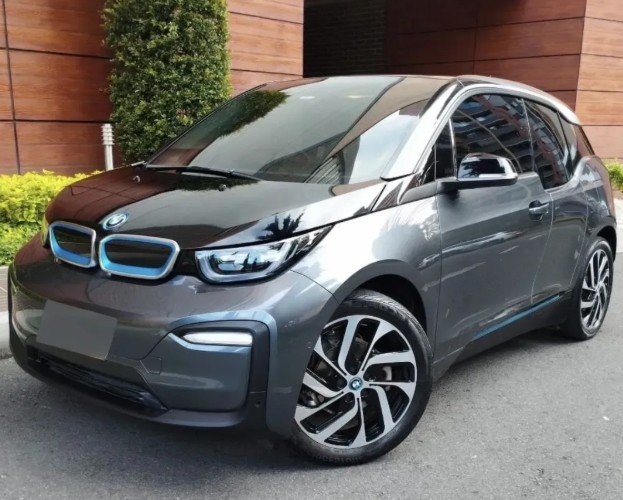
The BMW i3 arrived like a lightning bolt in the automotive world. It looked futuristic, drove like a spaceship, and dared to be different in a market crowded with ordinary hatchbacks. Carbon-fiber construction? Absolutely. Rear-wheel drive? Of course. Tiny turning circle? Like a shopping cart upgraded with rocket boosters.
But beneath the quirky charm and eco-friendly image lies a question many buyers quietly ask before purchasing one:
What are the most common BMW i3 issues?
That question matters more today than ever. The BMW i3 has become surprisingly affordable on the used market, attracting drivers searching for a budget-friendly electric vehicle with premium DNA. Yet buying one without understanding its weak points can feel like adopting a tiger because it looked cute in photos.
In this guide, we’ll explore the most common BMW i3 problems, reliability concerns, drivetrain faults, battery issues, charging troubles, repair costs, and ownership realities. We’ll also uncover which model years are the safest bets and whether the i3 is still worth buying in today’s EV market.
Content in this publication
- Why the BMW i3 Still Feels Ahead of Its Time
- Most Common BMW i3 Issues
- Drivetrain Malfunction Warnings
- The 12V Battery Problem
- BMW i3 Charging Problems
- BMW i3 Tire Wear Issues
- Suspension and Ride Quality Complaints
- BMW i3 Air Conditioning Problems
- Infotainment and Technology Glitches
- Carbon Fiber Repair Costs
- BMW i3 Door Complaints
- Heat Pump Problems
- BMW i3 Reliability by Model Year
- BMW i3 Maintenance Costs
- Most Expensive BMW i3 Repairs
- Software Updates Matter More Than You Think
- Should You Buy a Used BMW i3?
- Who the BMW i3 Is Perfect For
- Who Should Avoid the BMW i3
- How to Avoid Major BMW i3 Problems
- Are BMW i3 Issues Overblown?
- BMW i3 vs Other Early Electric Cars
- Final Thoughts on BMW i3 Issues
- Frequently Asked Questions
Why the BMW i3 Still Feels Ahead of Its Time
The BMW i3 never tried to blend in. While many automakers cautiously experimented with electrification, BMW launched a vehicle that looked like it came from another decade.
The i3 introduced:
- A carbon-fiber reinforced body
- Sustainable interior materials
- Rear-hinged coach doors
- Instant electric torque
- Optional range extender technology
- Lightweight engineering unlike most modern EVs
Driving the i3 feels less like operating a traditional car and more like controlling a futuristic gadget.
But innovation often comes with compromises.
And the BMW i3 certainly has a few.
Most Common BMW i3 Issues
Let’s jump straight into the problems owners report most frequently.
Battery Degradation Concerns
Battery health is the biggest concern for nearly every EV buyer.
Fortunately, the BMW i3 battery generally ages better than many early electric vehicles. However, degradation still occurs over time, particularly in older 60 Ah models.
Common symptoms include:
- Reduced driving range
- Inconsistent range estimates
- Slower charging
- Increased battery conditioning cycles
A 2014 BMW i3 with noticeable battery degradation may only achieve around 60–70 miles of real-world range.
That’s manageable for city commuting but far less ideal for highway travel.
BMW i3 Range Extender Problems
The Range Extender version adds a tiny gasoline engine that acts as a generator when battery charge becomes low.
It sounds brilliant on paper.
But in real life, it introduces extra complexity.
Common Range Extender issues include:
- Fuel system faults
- Emissions warnings
- Generator startup failures
- Software-related shutdowns
- Excessive vibrations
- Engine mount wear
The Range Extender system essentially combines EV technology with traditional combustion components. That means more parts that can fail.
Engine Mount Failures
One of the most infamous BMW i3 issues involves the engine mounts on early Range Extender models.
BMW originally used plastic motor mounts that sometimes cracked under stress.
Symptoms include:
- Vibrations during driving
- Clunking noises
- Drivetrain malfunction warnings
- Rough operation when the Range Extender activates
BMW later improved the design, and many vehicles received upgraded mounts under warranty.
Still, this remains something every used buyer should inspect carefully.
Drivetrain Malfunction Warnings
Few dashboard messages create panic faster than this:
“Drivetrain Malfunction: Drive Moderately”
This warning can appear for several reasons.
Possible causes include:
- Weak 12V battery
- Faulty electronics
- Charging system errors
- Sensor failures
- Range Extender issues
- Software glitches
Ironically, many drivetrain warnings stem from something surprisingly simple: the 12V battery.
The 12V Battery Problem
If there’s one silent villain in the BMW i3 story, it’s the tiny 12V battery.
Many owners underestimate how important it is.
When the 12V battery begins failing, the BMW i3 can behave like a confused laptop during a software crash.
Symptoms of a Failing 12V Battery
- Random warning lights
- Failure to start
- Charging interruptions
- Frozen infotainment systems
- Drivetrain malfunction alerts
- Vehicle shutdowns
Unlike conventional cars, EVs rely heavily on low-voltage electronics for communication between systems.
A weak 12V battery can create chaos throughout the vehicle.
Replacing it proactively every few years is one of the smartest maintenance decisions an owner can make.
BMW i3 Charging Problems
Charging issues occasionally appear, particularly on older examples.
Common complaints include:
- Slow charging speeds
- Charging interruptions
- Public charger incompatibility
- Failure to initiate charging
- Charging port lock problems
Sometimes the issue comes from charging infrastructure rather than the vehicle itself.
Public chargers can be unpredictable. One works perfectly, while the next behaves like it survived a thunderstorm.
Still, software updates often improve charging consistency significantly.
DC Fast Charging Limitations
Not every BMW i3 came with DC fast charging capability.
Some early models without this option now feel outdated.
Even equipped models may experience:
- Reduced fast charging speeds
- Battery heat-related throttling
- Inconsistent charging curves
Heat management plays a major role here.
Repeated fast charging sessions can trigger protective systems that slow charging speeds to preserve battery health.
BMW i3 Tire Wear Issues
The BMW i3 uses narrow, specially designed tires focused on efficiency.
They help maximize range, but they also create frustrations.
Why Tire Problems Are Common
The i3’s tires:
- Wear quickly
- Cost more than standard tires
- Offer limited replacement choices
- Can be difficult to source locally
Instant electric torque also contributes to accelerated rear tire wear.
The i3 may look small and harmless, but its instant acceleration can chew through tires faster than many drivers expect.
Suspension and Ride Quality Complaints
The BMW i3 delivers agile handling, but some owners find the ride harsh.
Common complaints include:
- Stiff suspension
- Cabin noise on rough roads
- Front strut noises
- Premature suspension wear
The lightweight structure amplifies road imperfections.
On smooth pavement, the i3 feels playful and futuristic.
On rough roads, it can feel like riding a shopping cart over cobblestones.
BMW i3 Air Conditioning Problems
Climate control problems occasionally appear in aging models.
Typical issues include:
- Weak cooling performance
- Compressor failures
- Refrigerant leaks
- Cabin preconditioning malfunctions
The climate system matters even more in EVs because heating and cooling directly affect driving range.
A struggling AC system can noticeably reduce efficiency during hot weather.
Infotainment and Technology Glitches
For a futuristic vehicle, the BMW i3 occasionally behaves like an aging smartphone.
Owners report:
- Frozen screens
- Bluetooth connectivity issues
- Navigation glitches
- Software crashes
- Delayed system responses
Fortunately, most infotainment problems are irritating rather than catastrophic.
Still, they can make the ownership experience feel less premium than expected from BMW.
Carbon Fiber Repair Costs
One of the BMW i3’s greatest engineering achievements also becomes one of its biggest ownership concerns.
The carbon-fiber structure is incredibly strong.
But repairing it can be expensive.
Why Repairs Cost More
Many body shops lack experience working with carbon fiber.
Minor accidents may lead to:
- Higher labor costs
- Specialized repair procedures
- Longer repair timelines
- Increased insurance expenses
This is one reason some insurers classify the BMW i3 as relatively expensive to repair despite its compact size.
BMW i3 Door Complaints
The rear coach-style doors look dramatic and futuristic.
But practicality sometimes suffers.
Common complaints include:
- Difficulty entering tight parking spaces
- Door latch problems
- Wind noise
- Alignment issues
The rear doors cannot open independently, which can become frustrating during everyday use.
Stylish? Absolutely.
Convenient? Not always.
Heat Pump Problems
Many BMW i3 models feature a heat pump system designed to improve winter efficiency.
When it works properly, it’s excellent.
When it fails, range can drop noticeably.
Heat Pump Failure Symptoms
- Reduced cabin heat
- Lower winter range
- Strange noises
- Increased power consumption
Cold weather already challenges EV efficiency.
A failing heat pump makes winter driving even harder.
BMW i3 Reliability by Model Year
Not all BMW i3 model years are equal.
Some deserve extra caution, while others are surprisingly dependable.
2014 BMW i3 Issues
The first production year experienced the highest number of reported complaints.
Common 2014 problems include:
- Motor mount failures
- Software bugs
- Charging glitches
- Range Extender reliability issues
- Early battery concerns
Buying a 2014 i3 isn’t automatically a bad idea, but maintenance history becomes extremely important.
2015–2016 BMW i3 Improvements
BMW gradually refined the i3 after launch.
These years generally feature:
- Improved software stability
- Better reliability
- Fewer drivetrain complaints
- More refined charging behavior
However, battery size remained relatively limited compared to modern EV standards.
2017–2018 BMW i3 Upgrades
The 94 Ah battery upgrade significantly improved usability.
Benefits included:
- Better driving range
- Reduced range anxiety
- Improved practicality
- Better overall ownership experience
For many buyers, these years represent the sweet spot between price and reliability.
2019–2021 BMW i3 Best Years
Later BMW i3 models are widely considered the most reliable.
Advantages include:
- Larger 120 Ah battery
- Better software
- Improved charging performance
- Fewer mechanical complaints
- Stronger real-world range
If budget allows, these are typically the safest choices.
BMW i3 Maintenance Costs
One pleasant surprise of BMW i3 ownership is relatively low routine maintenance.
Because there are:
- No oil changes on BEV models
- Fewer moving parts
- Reduced brake wear from regenerative braking
Daily running costs can remain impressively low.
However, repairs become expensive when specialized components fail.
Most Expensive BMW i3 Repairs
Potentially costly repairs include:
| Repair Item | Estimated Cost Level |
|---|---|
| Battery replacement | Very high |
| Carbon-fiber repairs | High |
| Charging module replacement | High |
| AC compressor replacement | Moderate to high |
| Motor mount replacement | Moderate |
| Suspension repairs | Moderate |
The good news is that catastrophic battery failures remain relatively uncommon.
Software Updates Matter More Than You Think
Modern EVs rely heavily on software.
An outdated BMW i3 may experience:
- Charging inconsistencies
- Drivetrain warnings
- Connectivity bugs
- Incorrect range calculations
Keeping software current can dramatically improve reliability.
Sometimes the difference between a frustrating i3 and a fantastic one is simply updated code.
Should You Buy a Used BMW i3?
Honestly, it depends on your expectations.
If you want:
- A quirky city EV
- Low commuting costs
- Fun handling
- Premium interior quality
- Unique styling
The BMW i3 can feel like a hidden gem.
But if you need:
- Long-distance road-trip capability
- Large cargo space
- Cheap collision repairs
- Easy servicing everywhere
You may encounter frustrations.
Who the BMW i3 Is Perfect For
The BMW i3 works best for:
- Urban commuters
- Tech enthusiasts
- Eco-conscious drivers
- Second-car households
- Drivers with home charging
Its compact dimensions make city driving incredibly easy.
Parking feels effortless.
Turning corners feels playful.
And the instant torque still delivers smiles years after launch.
Who Should Avoid the BMW i3
The BMW i3 may not suit drivers who:
- Regularly travel long highway distances
- Need maximum practicality
- Live far from EV service centers
- Prefer traditional vehicle layouts
- Want simple repair costs
The i3 is unconventional.
That’s both its magic and its challenge.
How to Avoid Major BMW i3 Problems
A smart purchase dramatically reduces ownership headaches.
Before buying, always inspect:
- Battery health
- Charging performance
- Tire condition
- Service history
- Software updates
- 12V battery age
- AC performance
- Motor mount replacement history
If buying a Range Extender model, verify the generator starts and runs smoothly.
Skipping a proper inspection with an EV can feel like skydiving without checking the parachute first.
Are BMW i3 Issues Overblown?
In many ways, yes.
Internet forums naturally amplify horror stories.
Thousands of owners drive their BMW i3 daily with minimal trouble.
The car also benefits from:
- Strong battery longevity
- Excellent efficiency
- Durable interiors
- Low routine maintenance
- Unique engineering
The key is understanding the vehicle before buying.
The i3 rewards informed ownership.
BMW i3 vs Other Early Electric Cars
Compared with many early EVs, the BMW i3 actually holds up remarkably well.
Against rivals like the Nissan Leaf, the i3 often offers:
- Better driving dynamics
- Superior interior quality
- More advanced engineering
- Better thermal battery management
However, repair costs can also be higher.
Owning an i3 feels more “premium experiment” than “basic electric appliance.”
Final Thoughts on BMW i3 Issues
The BMW i3 remains one of the boldest electric cars ever created.
Even years after production ended, it still looks futuristic enough to seem like it skipped a decade.
Yes, the i3 has issues.
Some are annoying.
Some are expensive.
And some stem from BMW pushing boundaries before the EV market fully matured.
But despite its quirks, the BMW i3 possesses personality in a way many modern EVs simply don’t.
It feels alive.
It feels different.
And in a world where many electric vehicles resemble oversized smartphones on wheels, that uniqueness matters.
Choose the right model year, inspect it carefully, maintain the 12V battery proactively, and the BMW i3 can become one of the most enjoyable urban EVs ever built.
It isn’t perfect.
But perfection is overrated anyway.
Frequently Asked Questions
What is the most common BMW i3 issue?
The most commonly reported problem is 12V battery failure, which can trigger multiple electronic warning messages and charging problems.
Are BMW i3 batteries reliable?
Yes, overall battery reliability is strong. Most owners experience gradual degradation rather than sudden battery failure.
Which BMW i3 years should be avoided?
Early 2014 models tend to have the highest number of reported problems, especially involving motor mounts and software glitches.
Is the BMW i3 expensive to repair?
Routine maintenance is relatively affordable, but specialized repairs involving carbon fiber or battery systems can become costly.
Is the BMW i3 worth buying used?
Yes, especially later 2019–2021 models. They offer excellent efficiency, unique styling, and enjoyable city-driving characteristics.
If you want to know other articles similar to BMW i3 Issues: The Complete Guide to Common Problems, Reliability, and Ownership Costs you can visit the category Common Problems.
Volvo XC40 Sound Not Working? Complete Troubleshooting Guide

Mazda Diesel Engine Problems: Common Faults and Fixes

Volkswagen Key Not Detected or No Key Error: Causes and Fixes
Volvo S90 Common Problems: Reliability & Repair Guide
Volvo S90 No Sound: Causes, Fixes and Solutions

Nissan Rogue Smells Like Gas: Causes and Fixes
Leave a Reply
More content of your interest