

BMW i3 Parking Brake Failure: Causes, Fixes, Warning Signs, and Repair Costs

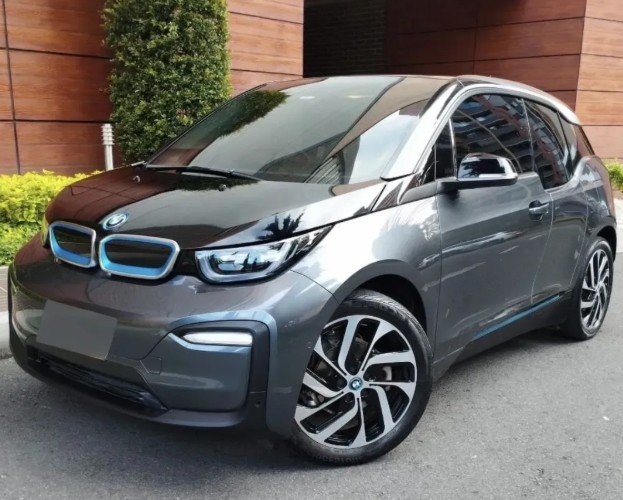
The BMW i3 feels like a glimpse into the future wrapped in carbon fiber. Quiet, quirky, and surprisingly fun, it’s one of those electric cars that turns daily commuting into something almost playful. But even futuristic machines have their weak spots. One issue that catches many owners off guard is the dreaded BMW i3 parking brake failure warning.
And when it appears, it can feel like the car suddenly speaks in riddles.
One moment we park normally. The next, a warning light flashes across the dashboard, the parking brake refuses to engage, or worse, refuses to release. It’s enough to make any driver’s stomach sink like an anchor dropped into deep water.
In this guide, we’ll break down everything we need to know about BMW i3 parking brake failure symptoms, causes, repairs, reset methods, costs, and prevention tips. Whether the issue is electrical, mechanical, or simply software-related, we’ll walk through it in plain English without drowning in technical jargon.
Content in this publication
- What Does BMW i3 Parking Brake Failure Mean?
- How the BMW i3 Electronic Parking Brake Works
- Common BMW i3 Parking Brake Failure Symptoms
- Most Common Causes of BMW i3 Parking Brake Failure
- Can a Bad 12V Battery Cause Parking Brake Failure?
- How to Check the BMW i3 12V Battery
- BMW i3 Parking Brake Failure After Battery Replacement
- How to Reset BMW i3 Parking Brake Failure
- BMW i3 Parking Brake Failure Codes
- Can You Drive With BMW i3 Parking Brake Failure?
- BMW i3 Parking Brake Stuck On
- Cold Weather and BMW i3 Parking Brake Problems
- BMW i3 Parking Brake Repair Costs
- DIY vs Professional Repair
- How BMW Dealers Diagnose Parking Brake Failure
- Preventing BMW i3 Parking Brake Failure
- BMW i3 Parking Brake Failure and Regenerative Braking
- Is BMW i3 Parking Brake Failure Common?
- Should You Buy a BMW i3 With Parking Brake Issues?
- The Hidden Connection Between EVs and Electronic Brake Complexity
- Final Thoughts on BMW i3 Parking Brake Failure
- FAQs
What Does BMW i3 Parking Brake Failure Mean?
The parking brake system in the BMW i3 is electronic rather than traditional mechanical. Instead of pulling a manual handbrake lever, the system uses electronic actuators and control modules to lock the rear wheels when we park.
When the system detects a fault, the car may display messages such as:
- “Parking Brake Malfunction”
- “Parking Brake Failure”
- “Parking Brake Limited”
- “Electronic Parking Brake Failure”
Sometimes the brake stops engaging entirely. Other times, it remains stuck on.
Think of the parking brake system like a digital gatekeeper. If one sensor, module, or actuator stops communicating properly, the whole system can panic and shut down.
How the BMW i3 Electronic Parking Brake Works
Before diagnosing problems, it helps to understand the basics.
The BMW i3 parking brake system includes:
- Electronic parking brake switch
- Rear brake actuators
- Brake control module
- ABS/DSC module
- Wheel speed sensors
- Battery voltage monitoring system
When we press the parking brake button, the control module sends signals to small electric motors attached to the rear brake calipers. These motors clamp the brakes electronically.
It’s elegant when it works.
But because the system depends heavily on electronics, even a weak 12V battery can trigger failures.
Common BMW i3 Parking Brake Failure Symptoms
Parking brake issues rarely arrive quietly. The car usually gives warning signs before things become serious.
Dashboard Warning Lights
The most obvious symptom is a warning on the instrument cluster.
Common indicators include:
- Red parking brake light
- Yellow brake system warning
- ABS light
- DSC traction control warning
Sometimes these warnings appear together like dominoes falling in sequence.
Parking Brake Won’t Engage
We press the button.
Nothing happens.
No sound, no locking action, no reassuring click from the rear brakes.
This often points toward:
- Failed actuator
- Faulty switch
- Weak battery voltage
- Module communication issues
Parking Brake Won’t Release
This is the more frustrating version.
The brake stays locked, and the car refuses to move properly. Drivers may hear grinding noises or feel resistance from the rear wheels.
In some cases, the system enters limp mode.
Grinding or Clicking Noises
Strange mechanical noises from the rear brakes may signal actuator failure.
The sound can resemble:
- Rapid clicking
- Electric buzzing
- Grinding gears
- Metallic snapping
Like an exhausted robot trying to open a rusted door.
Intermittent Errors
Sometimes the warning disappears after restarting the vehicle.
That usually suggests:
- Low voltage
- Software glitches
- Early-stage actuator failure
Intermittent faults are dangerous because they tempt us to ignore them.
Most Common Causes of BMW i3 Parking Brake Failure
The BMW i3 parking brake system can fail for several reasons. Some are inexpensive fixes. Others can become costly if ignored.
Weak 12V Battery
Ironically, one of the most common causes has nothing to do with the parking brake itself.
The BMW i3 relies heavily on its 12V auxiliary battery for electronics. When this battery weakens, systems begin behaving unpredictably.
Symptoms include:
- Random warning lights
- Parking brake errors
- Infotainment glitches
- Failure to start
The i3’s 12V battery is like the nervous system of the car. Once voltage drops too low, everything starts misfiring.
Faulty Parking Brake Actuator
The electronic actuator attached to the rear brake caliper can wear out over time.
Common causes include:
- Water intrusion
- Corrosion
- Internal gear damage
- Motor burnout
When the actuator fails, the brake may stick or stop responding altogether.
Damaged Wheel Speed Sensors
The parking brake system communicates with the ABS and DSC modules.
If a wheel speed sensor fails, the parking brake may disable itself as a safety precaution.
Signs include:
- ABS warning light
- Traction control warning
- Speedometer issues
Corroded Wiring or Connectors
Electric vehicles still battle an old enemy: moisture.
Road salt, rain, and humidity can corrode wiring connectors near the rear wheels.
Even minor corrosion can interrupt communication signals.
Software Glitches
Modern cars are essentially computers on wheels.
Sometimes the issue isn’t hardware at all. Software bugs or outdated firmware may trigger parking brake faults.
BMW occasionally releases software updates that solve strange electronic behavior.
Can a Bad 12V Battery Cause Parking Brake Failure?
Absolutely.
This deserves special attention because many BMW i3 owners replace expensive parts unnecessarily when the real culprit is the auxiliary battery.
The parking brake system needs stable voltage to operate correctly.
When voltage drops:
- Modules lose communication
- Sensors behave erratically
- Actuators malfunction
- Error codes multiply
A weak 12V battery can mimic catastrophic brake failure even when the actual braking hardware is perfectly fine.
How to Check the BMW i3 12V Battery
Before replacing brake components, we should always inspect battery health first.
Signs the 12V Battery Is Weak
Look for:
- Slow system startup
- Multiple warning lights
- Random electronic glitches
- Vehicle failing to wake up properly
Voltage Testing
A healthy 12V battery should read approximately:
12.6 V≤V≤12.8 V
Anything significantly below 12 volts may indicate a failing battery.
Battery Age Matters
Most BMW i3 12V batteries last:
3 to 5 years
Once the battery reaches this age range, strange electrical issues become increasingly common.
BMW i3 Parking Brake Failure After Battery Replacement
Oddly enough, some owners experience parking brake warnings immediately after installing a new battery.
This can happen because:
- Battery registration wasn’t completed
- Voltage temporarily fluctuated
- Modules require recalibration
In many cases, the system resets itself after several driving cycles.
How to Reset BMW i3 Parking Brake Failure
Sometimes the problem is temporary.
A reset may clear the fault if the underlying issue isn’t severe.
Basic Restart Procedure
- Park safely
- Turn off the vehicle
- Exit and lock the car
- Wait 10–15 minutes
- Restart the vehicle
This allows modules to power down completely.
Battery Disconnect Reset
Some owners disconnect the 12V battery briefly to force a system reboot.
However, caution is important because improper battery handling can trigger additional electronic issues.
OBD Diagnostic Reset
Using a BMW-compatible diagnostic scanner is often the best solution.
Popular tools include:
- BimmerLink
- ISTA+
- Foxwell BMW scanners
These tools can:
- Read fault codes
- Reset parking brake modules
- Calibrate actuators
BMW i3 Parking Brake Failure Codes
Diagnostic trouble codes help pinpoint the issue.
Common codes include:
| Fault Code | Possible Meaning |
|---|---|
| 480A11 | Parking brake actuator malfunction |
| 480A12 | Brake motor communication error |
| D35A53 | Voltage supply issue |
| 5DF0 | Hydraulic unit pump fault |
| 5DB3 | Wheel speed sensor issue |
Fault codes act like breadcrumbs leading toward the true problem.
Can You Drive With BMW i3 Parking Brake Failure?
Technically, sometimes yes.
But it depends on the severity.
When Driving May Be Possible
If the brake releases normally and only a warning light appears, short trips may still be manageable.
When You Should Stop Driving Immediately
Do not continue driving if:
- Rear brakes remain engaged
- Burning smells appear
- The car struggles to move
- ABS and DSC systems fail simultaneously
Driving with partially engaged brakes can destroy rotors and pads quickly.
BMW i3 Parking Brake Stuck On
A stuck parking brake can turn a peaceful morning into a stressful ordeal.
Common Reasons
- Failed actuator motor
- Corrosion inside caliper
- Frozen mechanism in cold weather
- Electrical communication failure
Temporary Emergency Solutions
Some drivers attempt:
- Gentle rocking motion
- Repeated brake button presses
- Battery reset
But forcing movement can worsen damage.
Cold Weather and BMW i3 Parking Brake Problems
Winter can be brutal on electronic parking brakes.
Moisture freezes inside the brake assembly, causing:
- Frozen actuators
- Ice buildup
- Delayed release
- Grinding noises
In freezing climates, some owners avoid engaging the parking brake overnight.
BMW i3 Parking Brake Repair Costs
Repair costs vary dramatically depending on the root cause.
12V Battery Replacement
Typical cost:
$150 to $400
Including installation and registration.
Parking Brake Actuator Replacement
Expected range:
$400 to $1,000
Depending on labor rates and whether both sides are replaced.
Wheel Speed Sensor Replacement
Usually costs:
$100 to $300
Control Module Replacement
This can become expensive quickly.
Costs may exceed:
$1,500
Especially if programming is required.
DIY vs Professional Repair
Some fixes are DIY-friendly.
Others absolutely are not.
Good DIY Repairs
- 12V battery replacement
- Fuse inspection
- OBD scanning
- Basic reset procedures
Repairs Best Left to Professionals
- Actuator replacement
- Brake module programming
- Caliper disassembly
- Electrical diagnostics
The i3’s systems are interconnected like spiderweb strands. Pull one thread incorrectly, and several systems may react.
How BMW Dealers Diagnose Parking Brake Failure
BMW technicians typically follow a structured process.
Step 1: Battery Voltage Check
Low voltage causes countless false faults.
Step 2: Fault Code Scan
Technicians use ISTA diagnostic software.
Step 3: Actuator Testing
The system checks whether actuators respond correctly.
Step 4: Wiring Inspection
Corrosion and broken connectors are common findings.
Step 5: Software Updates
Outdated firmware may require reprogramming.
Preventing BMW i3 Parking Brake Failure
Prevention is always cheaper than repair.
Maintain the 12V Battery
Replace it proactively every few years.
Drive the Car Regularly
Long periods of inactivity accelerate electrical issues.
Keep Rear Brakes Clean
Road grime and salt accelerate corrosion.
Address Warning Lights Early
Ignoring intermittent warnings often leads to larger failures later.
Use Diagnostic Scanners Periodically
Early fault detection can save thousands.
BMW i3 Parking Brake Failure and Regenerative Braking
Some drivers confuse regenerative braking issues with parking brake problems.
They are separate systems.
Regenerative braking slows the vehicle using the electric motor, while the parking brake physically locks the rear brakes.
However, because the systems share electronic communication networks, one fault can sometimes trigger warnings in another.
Is BMW i3 Parking Brake Failure Common?
It’s not among the absolute worst BMW i3 issues, but it’s far from rare.
Most commonly affected vehicles are:
- Older high-mileage models
- Cars with aging 12V batteries
- Vehicles exposed to harsh winters
The good news?
Many cases are solved without replacing major brake components.
Should You Buy a BMW i3 With Parking Brake Issues?
That depends entirely on diagnosis.
Potentially Minor Issues
- Weak battery
- Software reset
- Sensor replacement
Potentially Expensive Problems
- Control module failure
- Severe corrosion
- Multiple actuator replacements
A pre-purchase diagnostic scan is essential.
Without one, buying a used EV with parking brake warnings can feel like stepping onto thin ice blindfolded.
Electric vehicles simplify many things.
No oil changes.
Fewer moving parts.
Less drivetrain maintenance.
But they also introduce new layers of electronic dependency. The BMW i3 is a brilliant example of this tradeoff. A tiny voltage fluctuation can create chaos across multiple systems.
The parking brake failure warning often acts more like a messenger than the true villain.
Sometimes it’s telling us the battery is dying.
Sometimes it’s exposing sensor communication issues.
And occasionally, yes, the brake itself is genuinely failing.
The key is proper diagnosis rather than guessing.
Final Thoughts on BMW i3 Parking Brake Failure
The BMW i3 remains one of the most innovative electric cars BMW has ever produced. Its futuristic design, lightweight carbon-fiber construction, and city-friendly personality still make it feel special years after launch.
But like many advanced vehicles, it depends heavily on electronics working in harmony.
When parking brake failure warnings appear, the smartest approach is methodical troubleshooting:
- Check the 12V battery first
- Scan for fault codes
- Inspect sensors and wiring
- Avoid ignoring intermittent warnings
In many situations, the repair is simpler and cheaper than owners initially fear.
And once resolved, the i3 often returns to being the quiet, nimble urban spaceship we fell in love with in the first place.
FAQs
Why does my BMW i3 say parking brake malfunction?
The most common causes include a weak 12V battery, faulty parking brake actuator, damaged wheel speed sensor, or software communication issue.
Can a low battery trigger parking brake failure in a BMW i3?
Yes. Low voltage from the 12V battery is one of the most common reasons for parking brake warnings in the BMW i3.
How much does it cost to fix BMW i3 parking brake failure?
Repairs may range from around $150 for a battery replacement to over $1,500 for module-related issues.
Can I reset BMW i3 parking brake failure myself?
Sometimes. Restarting the car, disconnecting the battery briefly, or using a BMW diagnostic scanner may clear temporary faults.
Is it safe to drive with a parking brake failure warning?
Only if the brakes release normally and the car drives properly. If the brakes remain engaged or multiple brake warnings appear, the vehicle should not be driven.
If you want to know other articles similar to BMW i3 Parking Brake Failure: Causes, Fixes, Warning Signs, and Repair Costs you can visit the category Common Problems.
Volvo XC40 Sound Not Working? Complete Troubleshooting Guide

Mazda Diesel Engine Problems: Common Faults and Fixes
Volkswagen Key Not Detected or No Key Error: Causes and Fixes
Volvo S90 Common Problems: Reliability & Repair Guide
Volvo S90 No Sound: Causes, Fixes and Solutions

Nissan Rogue Smells Like Gas: Causes and Fixes
Leave a Reply
More content of your interest