
Jeep Grand Cherokee 3.0 CRD Reliability

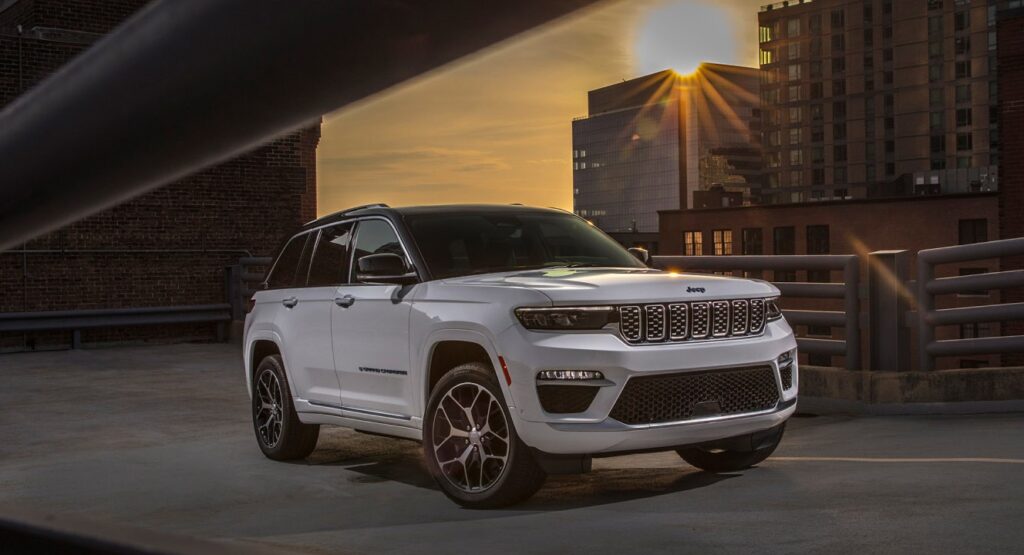
The Jeep Grand Cherokee has built a reputation that feels both legendary and controversial at the same time. Some owners praise it like an indestructible road warrior capable of towing, off-roading, and cruising for hundreds of thousands of miles. Others tell horror stories involving warning lights, suspension failures, and expensive repair bills that arrive like surprise thunderstorms.
So where does the truth really sit?
In reality, the Jeep Grand Cherokee 3.0 CRD lives somewhere in the middle. It can absolutely be reliable, but only when it receives the attention and maintenance this sophisticated diesel SUV demands. Ignore service intervals, buy a neglected example, or treat it like a cheap commuter, and the experience can quickly become frustrating.
What makes this vehicle fascinating is how much personality it carries. Unlike many modern SUVs that feel sterile and forgettable, the Grand Cherokee 3.0 CRD has character. It blends American toughness with European diesel engineering in a way that feels unusual, almost rebellious. It’s the kind of SUV that can tow a heavy trailer through rain on Friday night and still feel comfortable enough for a family road trip on Sunday morning.
In this complete guide, we’ll explore the real reliability of the Jeep Grand Cherokee 3.0 CRD, the common issues owners face, expected lifespan, maintenance costs, buying advice, and whether this diesel SUV is still worth considering today.
Content in this publication
- Why the Jeep Grand Cherokee 3.0 CRD Still Has Strong Appeal
- Understanding the 3.0 CRD Diesel Engine
- How Reliable Is the Jeep Grand Cherokee 3.0 CRD Overall?
- The Most Reliable Grand Cherokee 3.0 CRD Generations
- Common Jeep Grand Cherokee 3.0 CRD Problems
- Oil Cooler Failure
- DPF Problems
- EGR Valve Issues
- Swirl Motor Failure
- Air Suspension Problems
- Electrical Gremlins
- Turbocharger Wear
- Transmission Reliability
- 4WD System Reliability
- Real-World Ownership Experience
- Excellent Long-Distance Comfort
- Impressive Towing Capability
- Strong Fuel Economy for Its Size
- Where Reliability Usually Falls Apart
- Short-Distance Driving
- Maintenance Costs
- Buying a Used Jeep Grand Cherokee 3.0 CRD
- Signs of a Good Example
- Jeep Grand Cherokee 3.0 CRD vs Rivals
- How to Improve Jeep Grand Cherokee 3.0 CRD Reliability
- Should You Buy a Jeep Grand Cherokee 3.0 CRD?
- Final Verdict
- FAQs
Why the Jeep Grand Cherokee 3.0 CRD Still Has Strong Appeal
There’s a reason buyers continue searching for used Grand Cherokee diesel models even years after production.
This SUV offers a combination that’s surprisingly difficult to find:
- Strong diesel torque
- Genuine off-road capability
- Comfortable highway driving
- Premium interior feel
- Excellent towing ability
- Long-distance efficiency
Many SUVs specialize in only one area. Some are luxurious but useless off-road. Others are rugged but uncomfortable on long journeys.
The Grand Cherokee 3.0 CRD tries to do everything.
And surprisingly, it often succeeds.
Understanding the 3.0 CRD Diesel Engine
Mercedes-Benz Engineering Underneath
One of the biggest reasons the 3.0 CRD gained popularity is the engine itself.
Earlier Jeep Grand Cherokee diesel models used the famous OM642 diesel engine developed by Mercedes-Benz. This V6 turbo diesel became widely respected across multiple vehicles because of its balance between:
- Performance
- Torque
- Fuel efficiency
- Durability
This engine also appeared in several Mercedes-Benz models, which gave it a strong mechanical reputation long before it entered the Jeep lineup.
That doesn’t mean it’s flawless, but it does mean the foundation is stronger than many people assume.
How Reliable Is the Jeep Grand Cherokee 3.0 CRD Overall?
The Honest Answer
The Jeep Grand Cherokee 3.0 CRD can be extremely reliable when maintained properly.
However, neglected examples can become expensive quickly.
That’s the critical distinction.
This SUV rewards careful ownership and punishes neglect. Think of it like a high-end mechanical watch. Service it correctly, and it runs beautifully for years. Ignore maintenance, and tiny problems snowball into major repairs.
Many owners report exceeding:
- 150,000 miles
- 200,000 miles
- Even 250,000 miles
without catastrophic engine failure.
The engine itself is usually not the biggest problem. Supporting systems such as electronics, suspension, emissions components, and sensors tend to create more headaches.
The Most Reliable Grand Cherokee 3.0 CRD Generations
WK Generation (2005–2010)
The WK generation feels more mechanical and rugged.
Advantages include:
- Simpler electronics
- Proven diesel engine
- Strong drivetrain durability
- Less technological complexity
Disadvantages include:
- Aging interior quality
- More cabin noise
- Older infotainment systems
- Potential rust issues
Many enthusiasts actually prefer these earlier models because fewer electronics often means fewer things to fail.
WK2 Generation (2011–2021)
The WK2 generation introduced a much more premium feel.
It offered:
- Better ride comfort
- Improved interior materials
- Modern technology
- Superior highway refinement
- Better safety features
But complexity increased significantly.
And complexity often affects long-term reliability.
More sensors, more computers, and more luxury systems naturally create more potential failure points.
Common Jeep Grand Cherokee 3.0 CRD Problems
Every vehicle has weak spots, and the Grand Cherokee certainly isn’t immune.
Understanding these issues before buying is essential.
Oil Cooler Failure
One of the Most Frequent Problems
Oil cooler leaks are incredibly common on the 3.0 CRD engine.
Symptoms often include:
- Oil smell inside the cabin
- Visible oil leaks
- Oil collecting around the engine
- Low oil warnings
The issue usually comes from failing seals or cracked plastic components within the oil cooler assembly.
Repair costs can be high because mechanics often need to remove significant engine components to access the cooler.
This is one repair many owners eventually encounter.
DPF Problems
Diesel Particulate Filter Blockage
Modern diesel engines rely heavily on emissions systems, and the Grand Cherokee is no exception.
The Diesel Particulate Filter, or DPF, can become clogged over time.
This happens especially when:
- The vehicle only drives short distances
- Regeneration cycles fail
- Low-quality fuel is repeatedly used
Symptoms include:
- Warning lights
- Reduced power
- Poor fuel economy
- Excessive smoke
The 3.0 CRD prefers long motorway journeys where the engine fully warms up and regenerates properly.
Short urban commutes are often the enemy of diesel reliability.
EGR Valve Issues
The EGR valve can become clogged with carbon deposits.
This may cause:
- Rough idling
- Hesitation during acceleration
- Reduced MPG
- Check engine lights
Cleaning sometimes solves the problem temporarily, but replacement is often necessary on higher-mileage vehicles.
Swirl Motor Failure
Another known issue involves the intake swirl motor.
You may be interested in reading Jeep Grand Cherokee Years to Avoid
When it fails, drivers may experience:
- Limp mode
- Reduced engine performance
- Warning lights
- Poor throttle response
It’s a common enough fault that many diesel specialists recognize it immediately.
Air Suspension Problems
Luxury and Complexity Collide
Models equipped with Quadra-Lift air suspension ride beautifully.
The comfort level feels almost cloud-like on rough roads.
But as mileage increases:
- Air struts can leak
- Compressors can fail
- Sensors may malfunction
Repair bills can become substantial.
Many owners adore the air suspension system right up until the first major repair estimate appears.
Electrical Gremlins
This area contributes heavily to Jeep’s mixed reliability reputation.
Owners occasionally report:
- Infotainment glitches
- Sensor failures
- Random warning lights
- Window regulator issues
- Keyless entry problems
Not every vehicle suffers these issues, but electrical inconsistency remains a recurring complaint.
It’s one reason why service history matters so much.
Turbocharger Wear
Turbochargers generally last well when oil changes are performed correctly.
However, high-mileage vehicles may eventually develop:
- Turbo whining
- Oil consumption
- Reduced acceleration
- Blue smoke
Using the correct oil and allowing the engine to warm up properly helps extend turbo lifespan significantly.
Transmission Reliability
Is the Automatic Gearbox Durable?
The automatic transmissions paired with the 3.0 CRD are generally strong.
Later 8-speed gearboxes especially gained praise for:
- Smooth shifting
- Efficiency
- Long-distance comfort
However, many owners make one major mistake: believing the “lifetime fluid” claim.
Transmission fluid absolutely should be serviced periodically.
Ignoring fluid maintenance can dramatically shorten gearbox lifespan.
4WD System Reliability
One of the Grand Cherokee’s strongest qualities is its four-wheel-drive system.
The drivetrain is usually very durable when:
- Fluids are changed regularly
- Matching tyres are used
- Off-road abuse remains reasonable
These SUVs were built with genuine off-road capability in mind, not merely soft-road marketing.
That rugged engineering still shows today.
Real-World Ownership Experience
What Owners Love Most
Despite reliability concerns, many owners become fiercely loyal to the Grand Cherokee 3.0 CRD.
Why?
Because few SUVs feel quite like it.
Excellent Long-Distance Comfort
This SUV shines on highways.
The cabin feels:
- Quiet
- Stable
- Relaxed
- Comfortable
Long journeys feel effortless.
The diesel torque allows the engine to cruise calmly at motorway speeds without constant strain.
It’s the kind of vehicle that makes road trips feel shorter than they actually are.
Impressive Towing Capability
Many buyers specifically choose the 3.0 CRD for towing.
It handles:
- Caravans
- Horse trailers
- Boats
- Utility trailers
with impressive stability and confidence.
The diesel torque transforms towing into a much less stressful experience.
Strong Fuel Economy for Its Size
For a large SUV, fuel economy is surprisingly respectable.
Typical figures include:
- 25–35 MPG combined
- Better motorway efficiency
- Lower city fuel economy
Driving style changes everything.
Aggressive acceleration quickly reduces efficiency.
Where Reliability Usually Falls Apart
Poor Maintenance History
Neglect destroys these vehicles.
A poorly maintained Grand Cherokee can become extremely expensive.
Warning signs include:
- Missed oil changes
- Cheap aftermarket parts
- Incomplete service records
- Persistent warning lights
- Delayed repairs
Mileage alone means very little.
A carefully maintained 180,000-mile example may actually be safer than a neglected 90,000-mile vehicle.
Short-Distance Driving
Diesel engines dislike repetitive short trips.
The 3.0 CRD especially benefits from:
- Long drives
- Fully warmed engine temperatures
- Regular DPF regeneration
Constant stop-start driving accelerates carbon buildup dramatically.
You may be interested in readingJeep Grand Cherokee Years to AvoidYou may be interested in reading
Jeep Grand Cherokee Models by Year: The Complete Evolution GuideMaintenance Costs
Used Grand Cherokee diesels often look attractively affordable.
But ownership costs can include:
- Premium tyres
- Suspension repairs
- Diesel emissions maintenance
- Specialist diagnostics
- Higher insurance costs
This isn’t a budget SUV wearing luxury clothing.
It’s a genuine luxury SUV with luxury repair potential.
Buying a Used Jeep Grand Cherokee 3.0 CRD
What to Inspect Carefully
Before buying, inspect:
- Suspension operation
- Service records
- Gearbox smoothness
- Oil leaks
- Turbo performance
- Warning lights
- Electrical systems
A proper pre-purchase inspection is essential.
Skipping one can become extremely expensive later.
Signs of a Good Example
Strong indicators include:
- Full maintenance history
- Highway mileage
- Smooth cold starts
- Quiet engine operation
- No suspension sagging
- Consistent gearbox shifts
A well-maintained Grand Cherokee usually feels solid immediately.
Jeep Grand Cherokee 3.0 CRD vs Rivals
Compared to the BMW X5 Diesel
The BMW X5 feels sportier on-road.
However, the Grand Cherokee often delivers:
- Better off-road ability
- Lower used purchase prices
- More rugged personality
The BMW may corner better, but repair bills can be equally intimidating.
Compared to the Land Rover Discovery
The Land Rover Discovery offers superb practicality.
But reliability concerns exist there too.
Both vehicles can experience:
- Air suspension failures
- Electrical issues
- Expensive maintenance
Choosing between them often comes down to personal taste.
The Discovery feels aristocratic.
The Jeep feels rebellious.
Compared to the Toyota Land Cruiser
The Toyota Land Cruiser wins the reliability battle almost every time.
Still, the Grand Cherokee offers:
- Better interior luxury
- Lower purchase prices
- More refined highway comfort
The Toyota feels unstoppable.
The Jeep feels charismatic.
How to Improve Jeep Grand Cherokee 3.0 CRD Reliability
Use High-Quality Oil
Cheap oil is a terrible idea for turbo diesel engines.
Proper oil protects:
- Turbochargers
- Timing components
- Internal engine parts
Always follow the correct specification.
Drive It Properly
Occasional long journeys help:
- Prevent DPF blockage
- Reduce soot buildup
- Maintain turbo efficiency
These SUVs dislike endless short city trips.
Warm the Engine Gradually
Avoid hard acceleration when cold.
Allowing the engine to warm up gently reduces long-term wear significantly.
Service the Gearbox
Fresh transmission fluid dramatically improves:
- Shift quality
- Longevity
- Reliability
Ignoring gearbox maintenance is one of the most expensive mistakes owners make.
Should You Buy a Jeep Grand Cherokee 3.0 CRD?
The answer depends entirely on expectations.
If you want:
- Cheap maintenance
- Minimal complexity
- Economy-car ownership costs
this probably isn’t the right SUV.
But if you value:
- Comfort
- Torque
- Capability
- Character
- Long-distance cruising
- Strong towing ability
the Grand Cherokee 3.0 CRD remains deeply appealing.
It’s not perfect.
But perfection is rarely memorable.
This SUV has flaws, personality, strengths, and quirks all mixed together like a complicated but fascinating character in a great novel.
And honestly, that’s part of its charm.
Final Verdict
The Jeep Grand Cherokee 3.0 CRD can absolutely be reliable, but ownership success depends heavily on maintenance history and driving habits.
The engine itself is generally robust. Most serious concerns come from surrounding systems such as:
- Air suspension
- Electronics
- Diesel emissions equipment
- Oil cooler leaks
Buy a neglected example, and ownership may feel financially exhausting.
Buy a carefully maintained one, and you’ll likely enjoy one of the most versatile diesel SUVs ever produced.
It blends luxury, toughness, comfort, and capability in a way few competitors truly manage.
Not flawless.
Not cheap.
But undeniably full of character.
FAQs
Is the Jeep Grand Cherokee 3.0 CRD reliable?
Yes, the 3.0 CRD can be reliable when maintained properly. Many examples exceed 200,000 miles with regular servicing.
What are the most common Jeep Grand Cherokee 3.0 CRD problems?
Common issues include oil cooler leaks, DPF blockage, air suspension failures, and electrical glitches.
How long does a Jeep Grand Cherokee 3.0 CRD engine last?
A well-maintained engine can often exceed 200,000 miles without major internal failure.
You may be interested in readingJeep Grand Cherokee Years to AvoidYou may be interested in reading
Jeep Grand Cherokee Models by Year: The Complete Evolution GuideYou may be interested in reading
What Jeep Grand Cherokee Is the Best?Is the Jeep Grand Cherokee 3.0 CRD expensive to maintain?
Maintenance costs are higher than mainstream SUVs because of diesel systems, suspension complexity, and premium components.
Should I buy a high-mileage Jeep Grand Cherokee 3.0 CRD?
Yes, if it has a complete maintenance history and has been serviced properly throughout its life.
If you want to know other articles similar to Jeep Grand Cherokee 3.0 CRD Reliability you can visit the category Blog.
How Long Will a Subaru XV Last? Mileage, Lifespan, and Reliability Explained
Is Subaru XV a Good Car? An Honest Look at Reliability, Comfort, AWD and Ownership
Is Mazda CX-9 a Luxury Car? A Surprisingly Complicated Answer
How to Charge Leapmotor C10: Complete Charging Guide
Is Leapmotor C10 a Good Car? Full Review and Buyer’s Guide
BMW M2 Depreciation: How Well Does the M2 Hold Its Value?
Leave a Reply
More content of your interest