
Jeep Grand Cherokee Years to Avoid

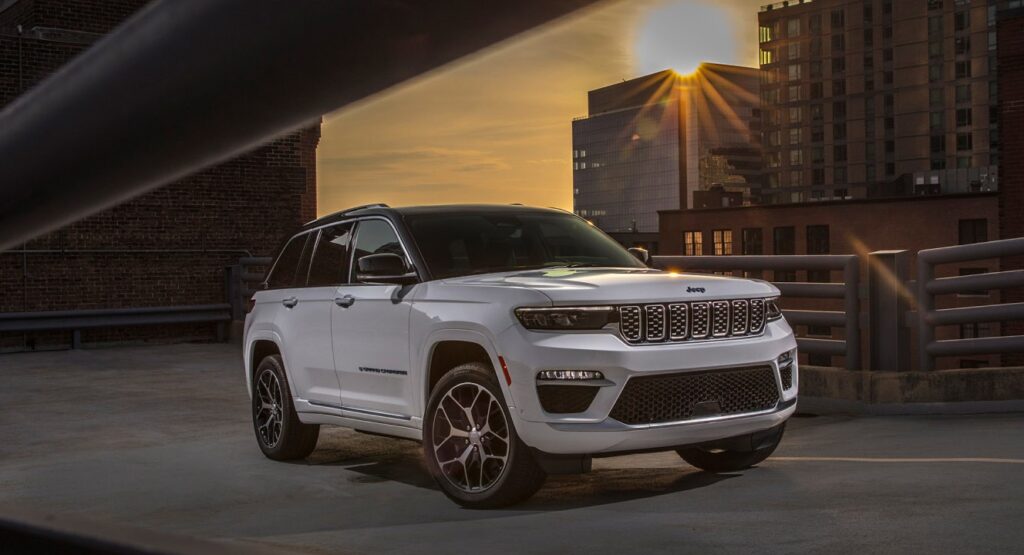
The Jeep Grand Cherokee has long been one of those SUVs that feels like a Swiss Army knife on wheels. It can tow boats, tackle muddy trails, cruise highways in comfort, and still look sharp parked outside a downtown café. But here’s the uncomfortable truth many buyers discover too late: not every Grand Cherokee model year deserves our trust.
Some years are mechanical masterpieces. Others? They behave like ticking time bombs wrapped in leather upholstery.
If we are shopping for a used Jeep Grand Cherokee, knowing which years to avoid can save us thousands in repairs, endless headaches, and enough frustration to make us swear off SUVs forever. In this guide, we’ll break down the worst model years, the common problems behind them, and which versions are actually worth buying.
Content in this publication
- Why the Jeep Grand Cherokee Remains So Popular
- The Most Problematic Jeep Grand Cherokee Years
- 2011 Jeep Grand Cherokee: The Electrical Nightmare
- 2012 Jeep Grand Cherokee: Reliability Took Another Hit
- 2014 Jeep Grand Cherokee: The Shifter Controversy
- 2015 Jeep Grand Cherokee: Better but Still Flawed
- 2018 Jeep Grand Cherokee: Modern Tech, Modern Problems
- 2021 Jeep Grand Cherokee: First-Year Caution
- Common Jeep Grand Cherokee Problems Across Multiple Years
- Transmission Issues Are Surprisingly Common
- Air Suspension Repairs Can Be Brutal
- Which Jeep Grand Cherokee Years Are the Best?
- 2019 Jeep Grand Cherokee
- 2020 Jeep Grand Cherokee
- Should We Avoid All Older Grand Cherokees?
- The Importance of Vehicle History Reports
- Why Maintenance Changes Everything
- Best Engine Choices for Reliability
- What About the HEMI V8?
- Is the Jeep Grand Cherokee Expensive to Maintain?
- How the Grand Cherokee Compares to Competitors
- Signs of a Bad Used Jeep Grand Cherokee
- Should We Buy a Jeep Grand Cherokee With High Mileage?
- The Most Reliable Grand Cherokee Generations
- Should We Buy One Today?
- Final Thoughts on Jeep Grand Cherokee Years to Avoid
- FAQs
Why the Jeep Grand Cherokee Remains So Popular
Before we dive into the bad years, it helps to understand why people continue buying Grand Cherokees despite their mixed reliability history.
The Grand Cherokee offers:
- Strong towing capacity
- Luxurious interiors
- Excellent off-road capability
- Powerful engine choices
- Comfortable ride quality
- Premium technology in newer generations
It sits in that sweet spot between rugged adventure vehicle and upscale family SUV. Think of it as a hiking boot wearing a tuxedo.
That versatility keeps buyers coming back generation after generation.
The Most Problematic Jeep Grand Cherokee Years
Not every Grand Cherokee deserves a warning label, but some years consistently show higher complaint rates, expensive repairs, and major reliability concerns.
The worst Jeep Grand Cherokee years to avoid include:
| Model Year | Main Problems |
|---|---|
| 2011 | TIPM failures, electrical issues |
| 2012 | Engine stalling, transmission problems |
| 2014 | Shifter defects, recalls |
| 2015 | Transmission hesitation |
| 2018 | Electrical glitches, software bugs |
| 2021 | Early production quality concerns |
Let’s explore each one in detail.
2011 Jeep Grand Cherokee: The Electrical Nightmare
The 2011 model introduced a redesigned generation, and while it looked modern and refined, underneath the surface lurked serious issues.
TIPM Failures Became Infamous
One of the biggest problems involved the Totally Integrated Power Module (TIPM). Sounds sophisticated, right? Unfortunately, it acted more like the SUV’s nervous system having a meltdown.
Symptoms included:
- Random stalling
- Fuel pump failures
- Non-functioning headlights
- Battery drain
- Difficulty starting
Repair costs often climbed into four figures.
Air Suspension Problems
Many owners also reported issues with the Quadra-Lift air suspension system.
The SUV could:
- Sag unevenly
- Refuse to raise or lower
- Display suspension warnings
Air suspension repairs are rarely cheap. Replacing components can feel like paying luxury-car maintenance prices on a mainstream SUV.
2012 Jeep Grand Cherokee: Reliability Took Another Hit
If 2011 opened the door to problems, 2012 kicked it wide open.
Engine Stalling Complaints
Owners frequently reported sudden engine shutdowns while driving. Imagine cruising down the highway only for the engine to quit like a tired marathon runner collapsing before the finish line.
This issue created serious safety concerns.
Transmission Hesitation
The automatic transmission developed a reputation for:
- Rough shifting
- Delayed acceleration
- Jerking movements
- Unpredictable gear changes
For a vehicle marketed as premium and refined, these problems felt unacceptable.
Electronic Gremlins Everywhere
The 2012 model suffered from:
- Frozen infotainment systems
- Dashboard warning lights
- Sensor failures
- Malfunctioning keyless entry systems
Modern vehicles rely heavily on electronics, and when those systems fail, ownership becomes exhausting.
2014 Jeep Grand Cherokee: The Shifter Controversy
The 2014 Grand Cherokee became notorious because of one particularly dangerous design flaw.
Confusing Electronic Shifter Design
The electronic gear selector confused many drivers because it lacked clear physical feedback.
Drivers sometimes believed the SUV was in Park when it was actually in Neutral or Drive.
This issue became so serious that it triggered major recalls and lawsuits.
Transmission Software Problems
The eight-speed automatic transmission also experienced:
- Harsh downshifts
- Sudden jerking
- Delayed response
- Software calibration issues
It often felt like the transmission and engine were arguing with each other instead of working together.
2015 Jeep Grand Cherokee: Better but Still Flawed
The 2015 model improved in some areas but still carried over several frustrating issues.
Persistent Transmission Complaints
The transmission remained a sore spot.
Common complaints included:
- Clunky shifts
- Gear hunting
- Hesitation during acceleration
- Rough low-speed driving behavior
Some owners adapted to the quirks. Others simply gave up and sold the vehicle.
Electrical Reliability Issues Continued
Electrical faults remained common:
- Uconnect screen freezing
- Bluetooth failures
- Backup camera malfunctions
- Random warning lights
When technology stops cooperating, even short commutes become annoying.
2018 Jeep Grand Cherokee: Modern Tech, Modern Problems
The 2018 model looked polished and upscale, but newer technology introduced fresh complications.
Infotainment System Glitches
Owners frequently complained about:
You may be interested in reading Jeep Grand Cherokee Models by Year: The Complete Evolution Guide
- Screen blackouts
- Navigation failures
- Audio problems
- System lag
The Uconnect system is generally praised, but software bugs still plagued some vehicles.
Electrical System Concerns
The 2018 model also experienced:
- Battery drain issues
- Sensor malfunctions
- Random dashboard alerts
- Start-stop system failures
These issues didn’t always leave owners stranded, but they chipped away at confidence.
2021 Jeep Grand Cherokee: First-Year Caution
The redesigned 2021 generation introduced updated styling and improved technology, but first-year redesigns often carry risks.
Early Build Quality Problems
Some owners reported:
- Interior rattles
- Software bugs
- Electronic failures
- Fit-and-finish inconsistencies
It’s a reminder that buying the first model year of a redesign can sometimes feel like volunteering to beta test a new product.
Common Jeep Grand Cherokee Problems Across Multiple Years
Certain issues appear repeatedly across different generations.
Electrical Problems
Electrical failures are arguably the Grand Cherokee’s Achilles’ heel.
Common symptoms include:
- Dead batteries
- Faulty sensors
- Lighting failures
- Infotainment glitches
As vehicles become more computerized, these issues grow increasingly expensive to diagnose and repair.
Transmission Issues Are Surprisingly Common
Transmission complaints appear across multiple model years.
Drivers often report:
- Hard shifting
- Delayed acceleration
- Jerking between gears
- Premature wear
The eight-speed automatic improved fuel economy but introduced software complexity.
Air Suspension Repairs Can Be Brutal
The Quadra-Lift suspension system delivers an impressively smooth ride, but long-term reliability is questionable.
Potential repairs include:
- Air compressor replacement
- Leaking air bags
- Faulty ride height sensors
These repairs can cost thousands.
For some buyers, traditional suspension setups may be the smarter long-term choice.
Which Jeep Grand Cherokee Years Are the Best?
Thankfully, not every Grand Cherokee year is problematic.
Several model years stand out positively.
2017 Jeep Grand Cherokee
The 2017 model is often considered one of the best modern Grand Cherokees.
Why?
- Improved transmission tuning
- Better reliability ratings
- Refined interior
- Fewer major complaints
It strikes a strong balance between modern features and acceptable reliability.
2019 Jeep Grand Cherokee
The 2019 model benefited from years of refinement.
Highlights include:
- More stable electronics
- Mature powertrain
- Strong engine lineup
- Comfortable cabin
Many reliability experts consider it one of the safest used choices.
2020 Jeep Grand Cherokee
The 2020 version also performs relatively well.
Advantages include:
- Proven drivetrain
- Refined infotainment
- Fewer recalls
- Better overall build quality
It represents the final evolution of a long-running generation, which usually helps reliability.
Should We Avoid All Older Grand Cherokees?
Not necessarily.
Older Grand Cherokees can still offer excellent value if:
- Maintenance records are complete
- The vehicle received recalls
- Previous owners cared for it properly
A neglected “good year” can be worse than a well-maintained “bad year.”
Condition matters enormously.
The Importance of Vehicle History Reports
Before buying any used Grand Cherokee, we should always check:
- Accident history
- Recall completion
- Service records
- Ownership history
A clean history report can reveal whether the SUV has been responsibly maintained or abused like an off-road rental car.
Why Maintenance Changes Everything
Many Jeep owners underestimate maintenance importance.
Regular servicing dramatically reduces the risk of:
- Transmission failure
- Engine wear
- Suspension breakdowns
- Electrical issues
Oil changes, fluid inspections, and software updates matter more than many buyers realize.
Skipping maintenance on a Grand Cherokee is like ignoring chest pains and hoping cardio fixes everything later.
You may be interested in readingJeep Grand Cherokee Models by Year: The Complete Evolution GuideYou may be interested in reading
What Jeep Grand Cherokee Is the Best?Best Engine Choices for Reliability
Not all Grand Cherokee engines are equally dependable.
3.6L Pentastar V6
This engine is generally the safest bet.
Benefits include:
- Good fuel economy
- Solid reliability
- Lower maintenance costs
- Widely available parts
It may not sound exciting, but dependability rarely does.
What About the HEMI V8?
The HEMI V8 offers thrilling performance and impressive towing capability.
However, potential downsides include:
- Higher fuel consumption
- More expensive repairs
- Potential lifter issues
- Increased maintenance costs
For buyers prioritizing reliability over power, the V6 often makes more sense.
Is the Jeep Grand Cherokee Expensive to Maintain?
Compared to some rivals, yes.
Annual maintenance costs can exceed those of competitors like:
- Toyota 4Runner
- Honda Pilot
- Toyota Highlander
Luxury features and complex electronics contribute to higher repair bills.
Still, many owners accept those costs because the Grand Cherokee offers capabilities many competitors simply cannot match.
How the Grand Cherokee Compares to Competitors
The Grand Cherokee shines in:
- Off-road capability
- Engine performance
- Towing strength
- Luxury feel
But competitors often outperform it in:
- Long-term reliability
- Repair frequency
- Ownership costs
Choosing a Grand Cherokee often means balancing passion with practicality.
Signs of a Bad Used Jeep Grand Cherokee
When inspecting a used model, watch for:
- Rough shifting
- Dashboard warning lights
- Air suspension sagging
- Water leaks
- Electrical malfunctions
- Excessive engine ticking
A thorough pre-purchase inspection from a trusted mechanic is absolutely worth the cost.
Should We Buy a Jeep Grand Cherokee With High Mileage?
High mileage alone is not automatically bad.
A properly maintained Grand Cherokee with 150,000 miles may outperform a neglected one with 70,000 miles.
Focus on:
- Maintenance history
- Driving behavior
- Repair records
- Overall condition
Mileage tells only part of the story.
The Most Reliable Grand Cherokee Generations
Some generations earned stronger reputations than others.
WK2 Generation (2011–2021)
This generation delivered:
- Improved comfort
- Better technology
- Upscale interiors
But reliability varied dramatically by model year.
The later years generally proved more dependable.
Should We Buy One Today?
The answer depends on expectations.
If we want:
- Rugged capability
- Luxury features
- Strong towing
- Stylish design
The Grand Cherokee can be an excellent SUV.
But if absolute reliability is the top priority, competitors from Toyota or Honda may offer greater peace of mind.
The Grand Cherokee appeals to the heart as much as the brain.
And honestly? That emotional connection explains why people continue loving them despite the flaws.
Final Thoughts on Jeep Grand Cherokee Years to Avoid
The Jeep Grand Cherokee remains one of the most versatile SUVs on the market, but buying the wrong model year can turn ownership into an expensive adventure.
The years most commonly worth avoiding include:
- 2011
- 2012
- 2014
- 2015
- Certain 2018 models
- Early 2021 builds
Meanwhile, safer bets often include:
- 2017
- 2019
- 2020
A careful inspection, complete maintenance records, and awareness of common issues can make all the difference.
Buying a used SUV shouldn’t feel like gambling in a casino. The more informed we are, the better our odds of driving home in a Grand Cherokee we actually enjoy owning.
FAQs
What is the worst Jeep Grand Cherokee year?
Many experts and owners consider the 2011 and 2012 models among the worst due to severe electrical and transmission problems.
Which Jeep Grand Cherokee year is the most reliable?
The 2017, 2019, and 2020 models are generally considered some of the most reliable modern Grand Cherokee years.
Are Jeep Grand Cherokees expensive to repair?
Yes, repair costs can be higher than average because of complex electronics, air suspension systems, and premium features.
You may be interested in readingJeep Grand Cherokee Models by Year: The Complete Evolution GuideYou may be interested in reading
What Jeep Grand Cherokee Is the Best?You may be interested in reading
Why Do Jeep Grand Cherokees Last Long?Is the Jeep Grand Cherokee good for high mileage?
It can be, especially with proper maintenance. Many well-maintained models exceed 200,000 miles successfully.
Should I avoid air suspension models?
Not necessarily, but buyers should understand that Quadra-Lift air suspension repairs can be expensive compared to standard suspension systems.
If you want to know other articles similar to Jeep Grand Cherokee Years to Avoid you can visit the category Blog.
How to Reset the Oil Light on a Kia Sportage
Volvo S90 Reliability: Problems, Costs & Best Years
Is Haval Jolion a Good Car? Honest Review, Reliability, Pros and Cons
How to Start Haval Jolion With Spare Key: Complete Guide
How to Calculate Per Diem on an Auto Loan

How to Calculate the Residual Value of a Car
Leave a Reply
More content of your interest