

Jeep Grand Cherokee 3.0 CRD Problems

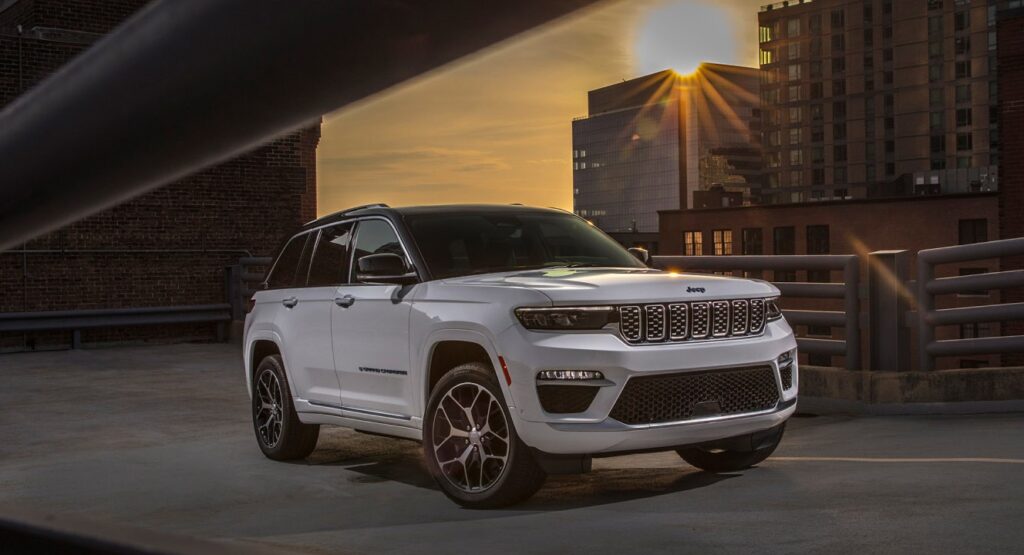
The Jeep Grand Cherokee has always carried a certain rugged charisma. It is the kind of SUV that looks equally comfortable outside a luxury hotel or crawling through muddy forest tracks. The 3.0 CRD diesel version, powered largely by the Mercedes-derived V6 diesel engine in earlier generations, became especially popular because it blended torque, refinement, and towing strength into one muscular package.
But let us be honest for a second. Owning one can sometimes feel like dating a rock star. Exciting? Absolutely. Reliable every single day? Not always.
The Jeep Grand Cherokee 3.0 CRD has developed a reputation for several recurring issues that buyers and owners should understand before diving in. Some problems are minor annoyances. Others can turn into wallet-draining nightmares if ignored.
In this detailed guide, we will explore the most common Jeep Grand Cherokee 3.0 CRD problems, what causes them, how expensive they are to fix, and whether this diesel SUV is still worth buying today.
Content in this publication
- Why the Jeep Grand Cherokee 3.0 CRD Became So Popular
- The Most Common Jeep Grand Cherokee 3.0 CRD Problems
- Swirl Motor Problems
- EGR Valve Issues
- DPF Blockage Problems
- Transmission Problems
- Electrical Problems
- Suspension Problems
- Oil Cooler Leaks
- Injector Problems
- Cooling System Failures
- Crankshaft and Bearing Concerns
- Fuel Economy Problems
- Interior Quality Complaints
- Are Older Jeep Grand Cherokee 3.0 CRD Models Worse?
- Which Model Years Should We Approach Carefully?
- How Much Does Maintenance Really Cost?
- Can We Prevent Most Jeep Grand Cherokee 3.0 CRD Problems?
- What to Check Before Buying a Used Jeep Grand Cherokee 3.0 CRD
- Is the Jeep Grand Cherokee 3.0 CRD Reliable Overall?
- Who Should Buy a Jeep Grand Cherokee 3.0 CRD?
- Should We Avoid the Jeep Grand Cherokee 3.0 CRD Entirely?
- Final Thoughts on Jeep Grand Cherokee 3.0 CRD Problems
- FAQs
Why the Jeep Grand Cherokee 3.0 CRD Became So Popular
Before talking about faults, we should understand why people fell in love with this SUV in the first place.
The 3.0 CRD offered:
- Strong diesel torque
- Excellent towing capability
- Comfortable highway cruising
- Genuine off-road performance
- Premium cabin feel
- Impressive road presence
At its best, driving this Jeep feels like commanding a locomotive wrapped in leather. The diesel grunt is addictive. Long-distance journeys become effortless. Towing caravans, trailers, or boats feels almost unfairly easy.
That is exactly why many owners tolerate its flaws.
The Most Common Jeep Grand Cherokee 3.0 CRD Problems
Some issues appear more frequently than others. Let us start with the biggest trouble spots owners commonly report.
Turbocharger Failures
Turbo issues are among the most feared problems on the 3.0 CRD.
Symptoms often include:
- Loss of power
- Excessive smoke
- Whining noises
- Poor acceleration
- Engine warning lights
The turbocharger works under extreme heat and pressure. Over time, oil contamination, poor servicing, or blocked oil feed lines can damage the turbo bearings.
Ignoring early warning signs can turn a manageable repair into complete turbo failure.
What Causes Turbo Problems?
Several factors contribute:
- Infrequent oil changes
- Low-quality engine oil
- Carbon buildup
- Oil starvation
- Aggressive driving when cold
Diesel engines are marathon runners, not sprinters. Hammering the throttle before the engine warms up is like forcing an athlete to sprint immediately after waking up.
Turbo Replacement Costs
Replacing the turbo can be expensive depending on labor and parts quality.
Typical costs include:
- Turbo rebuild: moderate cost
- Brand-new turbo: high cost
- Additional oil system cleaning
- Intercooler inspection
If metal debris enters the engine system, costs can escalate rapidly.
Swirl Motor Problems
The swirl motor issue is almost legendary among Jeep Grand Cherokee diesel owners.
What Is the Swirl Motor?
The swirl motor controls intake manifold flaps that regulate airflow into the engine.
When it fails, you may notice:
- Check engine light
- Reduced performance
- Limp mode activation
- Rough running
The problem usually stems from oil contamination or worn internal gears.
Why This Problem Matters
The frustrating part is not always the motor itself. Sometimes the intake manifold must also be replaced, increasing repair costs dramatically.
It is a small component capable of causing very large bills.
EGR Valve Issues
The Exhaust Gas Recirculation system is another weak point.
Symptoms of EGR Problems
Watch for:
- Rough idling
- Excessive smoke
- Hesitation during acceleration
- Poor fuel economy
- Engine warning lights
Diesel engines naturally create soot. Over time, the EGR valve becomes clogged with carbon deposits.
Imagine trying to breathe through a straw stuffed with ash. That is essentially what the engine experiences.
Can the EGR Valve Be Cleaned?
Sometimes yes.
Minor carbon buildup can often be cleaned, but severely damaged valves may require replacement.
Regular highway driving can help reduce soot accumulation compared to constant short trips.
DPF Blockage Problems
Modern diesel engines rely on Diesel Particulate Filters to reduce emissions.
Unfortunately, the DPF is one of the most expensive headache generators on the 3.0 CRD.
Why DPF Problems Happen
Short journeys are the enemy.
The DPF needs high exhaust temperatures to regenerate and burn off trapped soot. Constant city driving prevents proper regeneration.
Symptoms include:
- Warning lights
- Reduced power
- Increased fuel consumption
- Limp mode
- Failed regeneration cycles
How to Prevent DPF Trouble
We can dramatically reduce risk by:
- Taking regular highway drives
- Using quality diesel fuel
- Avoiding repeated short trips
- Maintaining proper servicing
Think of the DPF like a fireplace chimney. If smoke keeps building without cleaning itself out, blockage becomes inevitable.
Transmission Problems
The automatic gearbox in the Jeep Grand Cherokee 3.0 CRD can be smooth when healthy, but not every owner gets lucky.
Common Transmission Symptoms
Drivers often report:
- Hard shifting
- Delayed gear engagement
- Jerking movements
- Transmission warning lights
- Slipping gears
Some issues come from neglected transmission fluid changes.
The “Lifetime Fluid” Myth
Many manufacturers once claimed transmission fluid was “lifetime.”
Reality tells a different story.
Heat gradually destroys fluid quality over time. Dirty fluid reduces lubrication and increases wear inside the gearbox.
Regular fluid changes can significantly extend transmission life.
Electrical Problems
Electrical gremlins haunt many modern SUVs, and the Grand Cherokee is no exception.
Common Electrical Faults
Owners frequently mention:
- Faulty sensors
- Random warning lights
- Battery drain
- Infotainment glitches
- Window regulator failures
- Keyless entry problems
Modern vehicles are essentially computers on wheels. The Grand Cherokee sometimes behaves like a laptop having a nervous breakdown.
Battery and Voltage Issues
Low battery voltage can trigger strange electronic behavior.
In some cases, replacing an aging battery solves multiple “mystery” faults instantly.
Suspension Problems
Certain versions feature air suspension systems that provide excellent comfort.
When working properly, the ride feels almost magical.
When broken, it feels financially terrifying.
Air Suspension Failures
Common problems include:
- Sagging suspension
- Uneven ride height
- Compressor failure
- Warning messages
Air suspension repairs are rarely cheap.
Why Air Suspension Fails
Rubber air bags naturally age and crack over time. Moisture can also damage compressors and valves.
Cold climates may accelerate wear.
Oil Cooler Leaks
Oil cooler leaks are another notorious issue on the 3.0 CRD engine.
Signs of Oil Cooler Failure
Look for:
- Oil leaks under the vehicle
- Burning oil smell
- Low oil levels
- Oil pooling in the engine valley
Unfortunately, repairing the oil cooler often involves major labor because of its location within the engine.
Why Repairs Become Expensive
The labor cost is usually worse than the part itself.
Mechanics often need to remove multiple engine components to access the oil cooler assembly.
Injector Problems
Diesel injectors play a critical role in fuel delivery.
When they fail, performance quickly suffers.
Symptoms of Bad Injectors
Common warning signs include:
- Hard starting
- Excessive smoke
- Knocking noises
- Poor fuel economy
- Rough idle
Faulty injectors can also damage pistons if ignored long enough.
Injector Replacement Costs
Replacing one injector may not sound terrible. Replacing all six? That can feel like paying rent twice in one month.
Cooling System Failures
Overheating issues occasionally affect the 3.0 CRD.
Potential Cooling System Weak Points
Common failures include:
- Thermostats
- Water pumps
- Radiators
- Coolant leaks
- Cooling fans
Overheating should never be ignored.
Diesel engines generate significant heat, and continued overheating can destroy head gaskets or warp engine components.
Crankshaft and Bearing Concerns
Some owners have reported catastrophic engine failures involving crankshaft bearings.
What Causes Bearing Failure?
Possible causes include:
- Poor lubrication
- Delayed oil changes
- Contaminated oil
- Excessive engine stress
Although not every engine suffers this issue, it remains one of the most feared possibilities because repair costs can exceed vehicle value.
Early Warning Signs
Listen carefully for:
- Knocking sounds
- Metallic noises
- Low oil pressure warnings
Ignoring these symptoms is like ignoring chest pain during a marathon. The outcome rarely improves.
Fuel Economy Problems
Ironically, some owners complain about fuel consumption despite choosing the diesel version.
Why Fuel Economy Suffers
Poor MPG can result from:
- DPF issues
- Dirty injectors
- EGR problems
- Heavy driving style
- Large wheel upgrades
This SUV is heavy. Very heavy.
Driving it aggressively turns diesel into disappearing magic.
Interior Quality Complaints
The Grand Cherokee cabin feels premium at first glance, but some aging examples reveal weaknesses.
Common Cabin Issues
Owners report:
- Peeling trim
- Leather wear
- Rattles
- Infotainment freezing
- Dashboard creaks
Luxury and durability do not always age together gracefully.
Are Older Jeep Grand Cherokee 3.0 CRD Models Worse?
Generally, earlier models tend to experience more reliability issues.
Older Generations Often Suffer From
- More electrical faults
- Less refined emissions systems
- Higher corrosion risk
- Aging suspension components
However, maintenance history matters more than age alone.
A well-maintained older Jeep can outperform a neglected newer one every single day.
Which Model Years Should We Approach Carefully?
Certain production years receive more owner complaints.
Potentially Riskier Years
Some earlier WK generation models are often criticized for:
- Electrical instability
- Transmission quirks
- Turbo-related issues
That does not automatically make every example bad. Maintenance records remain the true goldmine when shopping.
How Much Does Maintenance Really Cost?
Owning a Jeep Grand Cherokee 3.0 CRD is not usually cheap.
Typical Ownership Costs
Expect expenses related to:
- Premium diesel servicing
- Larger tires
- Expensive suspension repairs
- Diesel emissions components
- Transmission servicing
This is not an economy SUV pretending to be rugged. It is a luxury off-roader with luxury-sized repair bills.
Can We Prevent Most Jeep Grand Cherokee 3.0 CRD Problems?
Surprisingly, yes.
Preventive maintenance dramatically improves reliability.
Best Practices for Long-Term Reliability
Use High-Quality Oil
Cheap oil can destroy turbochargers and bearings over time.
Warm the Engine Properly
Avoid aggressive acceleration immediately after startup.
Drive Long Distances Occasionally
Regular highway driving helps the DPF regenerate.
Service the Transmission
Ignoring transmission fluid is gambling with expensive components.
Inspect Suspension Regularly
Early detection prevents larger failures.
What to Check Before Buying a Used Jeep Grand Cherokee 3.0 CRD
Buying used requires caution.
Essential Inspection Checklist
Check Service History
A thick folder of receipts is worth its weight in gold.
Inspect for Oil Leaks
Look carefully underneath the vehicle and around the engine.
Test the Suspension
Uneven ride height may indicate air suspension trouble.
Scan for Fault Codes
Electronic diagnostics can reveal hidden problems.
Observe Cold Starts
Hard starting may signal injector or glow plug issues.
Watch for Smoke
Blue, black, or white smoke can indicate serious engine trouble.
Is the Jeep Grand Cherokee 3.0 CRD Reliable Overall?
This question sparks endless debate.
The honest answer is complicated.
The Good Side
When maintained properly, the 3.0 CRD can deliver:
- Excellent towing capability
- Comfortable long-distance travel
- Strong diesel performance
- Impressive off-road ability
The Bad Side
Neglected examples can become mechanical black holes that consume money at alarming speed.
This SUV rewards careful ownership but punishes neglect brutally.
Who Should Buy a Jeep Grand Cherokee 3.0 CRD?
This vehicle suits drivers who:
- Tow regularly
- Travel long highway distances
- Appreciate diesel torque
- Want genuine off-road capability
It may not suit buyers seeking ultra-low maintenance ownership.
The Grand Cherokee 3.0 CRD is more like a powerful working dog than a quiet house cat. Treat it properly, and it becomes loyal and capable. Ignore its needs, and chaos follows.
Should We Avoid the Jeep Grand Cherokee 3.0 CRD Entirely?
Not necessarily.
A carefully maintained example can still be an outstanding SUV.
The key lies in:
- Thorough inspections
- Preventive maintenance
- Realistic ownership expectations
Buying the cheapest one available is usually a mistake. Often, the cheaper purchase price simply hides future repair costs waiting patiently around the corner.
Final Thoughts on Jeep Grand Cherokee 3.0 CRD Problems
The Jeep Grand Cherokee remains one of the most charismatic diesel SUVs ever built. It combines muscle, comfort, and genuine off-road credibility in a way few rivals truly manage.
But charisma alone does not pay repair bills.
Turbo failures, swirl motor issues, EGR faults, DPF blockages, electrical gremlins, and suspension repairs all form part of the ownership reality. The difference between a great experience and a nightmare often comes down to maintenance history.
If we approach ownership with realistic expectations and proactive care, the Grand Cherokee 3.0 CRD can still deliver years of rewarding driving. Ignore warning signs, skip servicing, or buy blindly, and it can become a financial avalanche rolling downhill.
Like a campfire in the wilderness, this Jeep is wonderful when controlled and respected. Left unattended, things can escalate quickly.
FAQs
Is the Jeep Grand Cherokee 3.0 CRD engine reliable?
The engine can be reliable when properly maintained, but issues such as turbo failure, EGR problems, and oil cooler leaks are relatively common.
What is the most common Jeep Grand Cherokee 3.0 CRD problem?
DPF blockage, swirl motor failure, and electrical issues are among the most frequently reported problems.
Are Jeep Grand Cherokee 3.0 CRD repairs expensive?
Yes. Repairs can become costly due to labor-intensive engine work and complex electronic systems.
How long does the Jeep Grand Cherokee 3.0 CRD engine last?
With proper maintenance, many engines exceed 200,000 miles. Neglected examples may experience major failures much earlier.
Should we buy a used Jeep Grand Cherokee 3.0 CRD?
Yes, but only after a detailed inspection and verification of strong maintenance history.
If you want to know other articles similar to Jeep Grand Cherokee 3.0 CRD Problems you can visit the category Service and Parts.
Vauxhall Mokka Tyre Pressure Reset: Complete Guide
How to Reset the Tire Pressure System on Your Hyundai Tucson
Hyundai Kona Tire Pressure: Complete PSI Guide
Vauxhall Corsa Timing Belt Replacement Cost UK 2026
Mazda CX-5 Tire Size Chart: 2013–2026 Guide
How to Reset a Honda Civic: Complete Step-by-Step Guide
Leave a Reply
More content of your interest