

Jeep Grand Cherokee Tyre Pressure

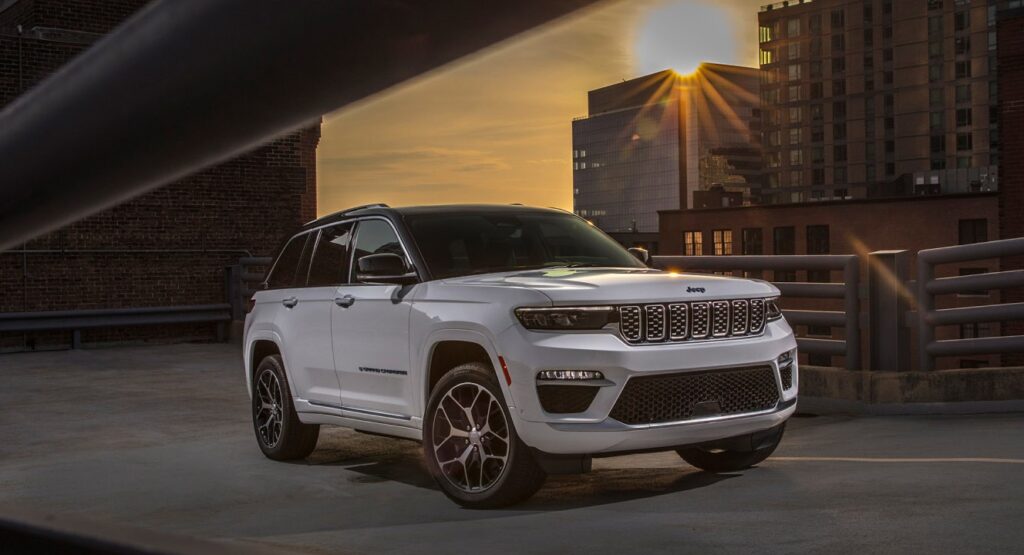
When we talk about the driving experience of the Jeep Grand Cherokee, most people jump straight to horsepower, towing power, luxury trims, or off-road capability. Yet one of the most overlooked details quietly shapes everything from ride comfort to fuel economy: tyre pressure.
It sounds simple, doesn’t it? Just pump air into the tyres and drive away. But tyre pressure in a Jeep Grand Cherokee behaves a little like the heartbeat of the vehicle. Too low, and the SUV feels sluggish and thirsty. Too high, and the ride becomes harsh, twitchy, and less predictable. Get it right, however, and the Grand Cherokee transforms into the balanced machine Jeep intended it to be.
In this guide, we’ll explore everything about Jeep Grand Cherokee tyre pressure — recommended PSI levels, warning lights, seasonal adjustments, off-road settings, TPMS resets, and practical tips that many owners only discover after years of driving.
Content in this publication
- Why Tyre Pressure Matters More Than Most Drivers Think
- Recommended Jeep Grand Cherokee Tyre Pressure
- Where To Find The Correct Tyre Pressure
- Understanding PSI In The Jeep Grand Cherokee
- How Incorrect Tyre Pressure Affects Fuel Economy
- Jeep Grand Cherokee TPMS Explained
- Common Reasons The TPMS Light Comes On
- How To Reset Jeep Grand Cherokee Tyre Pressure Light
- Best Tyre Pressure For Highway Driving
- Tyre Pressure For Towing
- Off-Road Tyre Pressure Adjustments
- Winter Tyre Pressure Tips
- Summer Heat And Overinflation Risks
- How Often Should You Check Tyre Pressure?
- Best Tools For Checking Tyre Pressure
- How To Properly Check Jeep Grand Cherokee Tyre Pressure
- Signs Your Tyres Are Underinflated
- Signs Your Tyres Are Overinflated
- How Tyre Size Changes Recommended Pressure
- Can Incorrect Tyre Pressure Damage Suspension Components?
- The Relationship Between Tyre Pressure And Ride Comfort
- Should You Use Nitrogen In Grand Cherokee Tyres?
- Tyre Pressure Tips For Long Tyre Life
- What Happens If You Ignore The TPMS Warning?
- Best Seasonal Tyre Pressure Strategy
- Final Thoughts On Jeep Grand Cherokee Tyre Pressure
- FAQs
Why Tyre Pressure Matters More Than Most Drivers Think
Tyres are the only part of the vehicle touching the road. That tiny contact patch is responsible for:
- Acceleration
- Braking
- Steering response
- Fuel efficiency
- Ride quality
- Stability
- Tyre lifespan
Think of tyre pressure as the foundation of a house. Even a beautiful mansion starts to crack if the base is unstable. The same logic applies to the Grand Cherokee.
Incorrect tyre pressure can lead to:
- Uneven tyre wear
- Increased fuel consumption
- Poor handling
- Reduced braking performance
- Tyre overheating
- Blowouts at highway speeds
For a large SUV like the Jeep Grand Cherokee, these effects become even more noticeable because of its weight and performance capabilities.
Recommended Jeep Grand Cherokee Tyre Pressure
The ideal tyre pressure depends on the specific model year, wheel size, and trim level. However, most Jeep Grand Cherokee models generally fall within this range:
| Driving Condition | Recommended PSI |
|---|---|
| Front Tyres | 33–36 PSI |
| Rear Tyres | 33–36 PSI |
| Full Load/Towing | 38–42 PSI |
| Off-Road Use | Lower than standard |
Always verify the exact recommendation on the sticker inside the driver’s door jamb.
Where To Find The Correct Tyre Pressure
Many drivers instinctively check the tyre sidewall. That’s actually one of the biggest mistakes people make.
The number on the tyre itself indicates the maximum pressure the tyre can safely hold — not the recommended operating pressure.
Instead, check:
Driver’s Door Jamb Sticker
This is the most reliable source.
It typically includes:
- Front tyre PSI
- Rear tyre PSI
- Spare tyre pressure
- Recommended tyre sizes
Owner’s Manual
The manual provides additional guidance for:
- Towing
- Heavy cargo
- Winter driving
- Off-road conditions
Understanding PSI In The Jeep Grand Cherokee
PSI stands for pounds per square inch. It measures how much air pressure sits inside the tyre.
Imagine a balloon.
- Too little air? Squishy and unstable.
- Too much air? Hard and ready to burst.
- Correct amount? Balanced and controlled.
The Jeep Grand Cherokee needs this balance because it’s designed to handle multiple personalities:
- Comfortable family SUV
- Highway cruiser
- Off-road explorer
- Towing machine
Each scenario places different demands on tyre pressure.
How Incorrect Tyre Pressure Affects Fuel Economy
Fuel prices have a way of making every driver suddenly care about tyre pressure.
Underinflated tyres create more rolling resistance. That means the engine must work harder to move the SUV forward.
Even being 5 PSI below recommendation can noticeably affect fuel consumption.
Signs Low Tyre Pressure Is Hurting MPG
- Reduced highway efficiency
- Sluggish acceleration
- Heavier steering feel
- More frequent fuel stops
For a large SUV like the Grand Cherokee, maintaining proper tyre pressure can genuinely save money over time.
Jeep Grand Cherokee TPMS Explained
Modern Grand Cherokee models include a TPMS system.
TPMS stands for Tyre Pressure Monitoring System.
It constantly monitors tyre pressure and warns the driver when levels fall too low.
What The TPMS Warning Light Looks Like
The symbol resembles:
- A horseshoe-shaped tyre
- With an exclamation mark in the center
When illuminated, your Jeep is basically saying:
“Something’s wrong with the tyres. Check them now.”
Common Reasons The TPMS Light Comes On
Not every warning means disaster. Sometimes the issue is minor.
Cold Weather Pressure Drops
Temperature changes dramatically affect tyre pressure.
For every 10°F temperature drop, tyres lose roughly 1 PSI.
That’s why many Grand Cherokee owners suddenly see warning lights during winter mornings.
Slow Air Leak
A nail or damaged valve stem can gradually reduce pressure.
Overinflation
Yes, too much pressure can also trigger warnings.
Faulty TPMS Sensor
Sensors eventually wear out, especially on older models.
How To Reset Jeep Grand Cherokee Tyre Pressure Light
Most Jeep Grand Cherokee models automatically reset the TPMS after proper inflation and a short drive.
Typical Reset Process
- Inflate all tyres to recommended PSI
- Start the vehicle
- Drive for 10–20 minutes above 15 mph
- Allow the system to recalibrate
If the warning remains:
- Recheck pressures
- Inspect for punctures
- Consider sensor issues
Some older models may require a manual reset through the infotainment menu.
Best Tyre Pressure For Highway Driving
Long-distance highway driving generates heat inside the tyres.
That heat naturally increases PSI.
Because of this, it’s important to:
- Inflate tyres while cold
- Avoid overinflating before trips
- Check pressures monthly
Highway Driving Tips
- Stay within factory PSI recommendations
- Inspect tyres before long journeys
- Increase pressure slightly when carrying heavy luggage
A properly inflated Grand Cherokee feels planted and composed at highway speed, almost like a train confidently riding smooth rails.
Tyre Pressure For Towing
The Jeep Grand Cherokee is known for strong towing capability. But towing dramatically changes tyre demands.
Extra weight compresses the tyres and increases heat buildup.
When Towing, Consider
- Increasing rear tyre PSI
- Following door sticker towing specifications
- Checking tyre temperatures during long trips
Ignoring tyre pressure while towing is like asking an athlete to sprint while wearing shoes two sizes too small.
Off-Road Tyre Pressure Adjustments
One reason enthusiasts love the Grand Cherokee is its off-road capability.
Interestingly, serious off-road drivers often reduce tyre pressure intentionally.
Why?
Lower pressure increases the tyre’s contact patch with the terrain.
This improves:
- Traction
- Grip
- Ride comfort on rough surfaces
Typical Off-Road PSI Range
| Terrain Type | Approximate PSI |
|---|---|
| Sand | 15–20 PSI |
| Rocks | 18–22 PSI |
| Mud | 20–25 PSI |
However, driving on pavement at low pressure can damage tyres quickly.
Always reinflate before returning to normal roads.
Winter Tyre Pressure Tips
Cold weather is tyre pressure’s sneaky enemy.
A Jeep parked overnight during winter can lose noticeable PSI by morning.
Winter Tyre Care Checklist
Check Pressure More Frequently
At least every two weeks.
Inflate When Tyres Are Cold
Warm tyres give inaccurate readings.
Don’t Ignore Warning Lights
Winter warnings often indicate real pressure drops.
Use Winter Tyres If Necessary
Especially in snowy regions.
The Grand Cherokee may feel unstoppable in winter, but even the best SUV relies on properly inflated tyres to stay safe.
Summer Heat And Overinflation Risks
Heat expands air inside the tyres.
That means summer can naturally increase PSI.
Potential Problems Of Overinflation
- Harsh ride quality
- Reduced traction
- Center tyre wear
- Increased risk of impact damage
It’s tempting to add “extra air for safety,” but too much pressure can backfire.
Tyres need flexibility to grip the road effectively.
How Often Should You Check Tyre Pressure?
Most experts recommend:
- Once per month
- Before long trips
- During seasonal temperature changes
Honestly, many drivers wait until the TPMS light appears. But by then, the tyres may already be significantly underinflated.
Checking pressure regularly takes less than five minutes.
That tiny habit can prevent expensive tyre replacements later.
Best Tools For Checking Tyre Pressure
A quality tyre gauge is one of the cheapest yet smartest tools a driver can own.
Popular Gauge Types
Digital Gauges
- Highly accurate
- Easy to read
- Fast results
Dial Gauges
- Durable
- Reliable
- Mechanical simplicity
Pencil Gauges
- Cheap
- Portable
- Less accurate
For a premium SUV like the Grand Cherokee, a digital gauge usually makes the most sense.
How To Properly Check Jeep Grand Cherokee Tyre Pressure
Many people accidentally get incorrect readings.
Correct Method
Check Tyres Cold
Preferably before driving.
Remove Valve Cap
Keep it somewhere safe.
Press Gauge Firmly
Avoid air escaping during measurement.
Compare To Recommended PSI
Not the tyre sidewall number.
Adjust As Needed
Use an air compressor if necessary.
Simple? Absolutely. Important? Even more so.
Signs Your Tyres Are Underinflated
Sometimes the Jeep tells you something is wrong before the warning light appears.
Common Symptoms
- Steering feels heavy
- Vehicle pulls slightly
- Increased fuel consumption
- Soft or unstable handling
- Tyre edges wearing faster
The Grand Cherokee normally feels solid and confident. Underinflated tyres can make it feel strangely lazy and disconnected.
Signs Your Tyres Are Overinflated
Too much air can also create issues.
Symptoms Of Excessive Pressure
- Bumpy ride
- Reduced grip
- Center tread wear
- Increased sensitivity to potholes
A properly inflated tyre absorbs road imperfections. An overinflated tyre behaves more like a basketball bouncing across asphalt.
How Tyre Size Changes Recommended Pressure
Different trims of the Jeep Grand Cherokee use different wheel and tyre sizes.
Larger wheels often require slightly different PSI settings.
For example:
- 18-inch wheels may use one specification
- 20-inch wheels may use another
- Performance trims may vary further
That’s why generic internet advice can sometimes mislead owners.
Always prioritize factory specifications.
Can Incorrect Tyre Pressure Damage Suspension Components?
Absolutely.
Poor tyre pressure doesn’t only affect tyres.
It can place additional stress on:
- Suspension bushings
- Shocks
- Struts
- Wheel bearings
The Grand Cherokee’s suspension system is designed around specific tyre behavior. When pressures fall outside the intended range, the entire vehicle absorbs extra strain.
Over time, that can become expensive.
The Relationship Between Tyre Pressure And Ride Comfort
One reason many people buy a Grand Cherokee is comfort.
Correct tyre pressure directly influences ride quality.
Balanced Pressure Creates
- Smoother driving
- Better noise isolation
- More predictable handling
- Improved passenger comfort
Too low feels mushy.
Too high feels stiff.
Correct pressure creates harmony — like perfectly tuned musical strings.
Should You Use Nitrogen In Grand Cherokee Tyres?
Some tyre shops offer nitrogen inflation instead of regular air.
Potential Benefits
- More stable pressure changes
- Reduced moisture
- Slightly slower leakage
Reality Check
For everyday driving, regular air works perfectly fine if maintained properly.
Nitrogen isn’t magic. Consistency matters more than the gas itself.
Tyre Pressure Tips For Long Tyre Life
Tyres are expensive, especially on larger SUVs.
Maintaining correct pressure can dramatically extend tread life.
Best Practices
- Rotate tyres regularly
- Check PSI monthly
- Avoid potholes
- Inspect tread wear patterns
- Balance and align wheels
Think of tyre pressure as preventive medicine for your SUV.
Tiny effort today prevents bigger problems tomorrow.
What Happens If You Ignore The TPMS Warning?
Many drivers delay dealing with warning lights.
That’s risky.
Ignoring tyre pressure warnings can lead to:
- Blowouts
- Poor braking
- Tyre failure
- Uneven wear
- Dangerous handling
A heavy SUV traveling at highway speed places enormous stress on its tyres.
Even a small pressure problem can escalate quickly.
Best Seasonal Tyre Pressure Strategy
Smart Grand Cherokee owners adjust their habits with the seasons.
Spring
- Check winter-related pressure loss
- Inspect for pothole damage
Summer
- Monitor heat-related PSI increases
- Prepare for road trips
Autumn
- Begin checking pressure more frequently
- Prepare for colder mornings
Winter
- Expect pressure drops
- Watch TPMS warnings closely
Tyre pressure isn’t static. It changes like the weather itself.
Final Thoughts On Jeep Grand Cherokee Tyre Pressure
The Jeep Grand Cherokee is built to do almost everything — tow, travel, climb, cruise, and conquer rough terrain. But even this capable SUV depends on one surprisingly simple detail: properly inflated tyres.
Correct tyre pressure improves:
- Safety
- Fuel economy
- Comfort
- Tyre longevity
- Handling confidence
Ignoring it is a little like wearing the wrong shoes on a long hike. Technically possible, but eventually uncomfortable and potentially dangerous.
Fortunately, maintaining tyre pressure is easy, inexpensive, and incredibly rewarding.
A few minutes each month can completely transform how your Grand Cherokee feels on the road.
FAQs
What is the correct tyre pressure for a Jeep Grand Cherokee?
Most models typically use between 33 and 36 PSI, but always confirm using the driver’s door sticker.
Why does my Jeep Grand Cherokee tyre pressure light come on in winter?
Cold temperatures reduce air pressure naturally, often triggering the TPMS warning light.
Can I drive with the tyre pressure warning light on?
You can drive short distances cautiously, but you should check tyre pressure immediately to avoid safety risks.
Should tyre pressure be different when towing?
Yes. Towing often requires higher rear tyre pressure to handle the additional weight safely.
How often should I check tyre pressure in my Jeep Grand Cherokee?
At least once per month and before long road trips.
If you want to know other articles similar to Jeep Grand Cherokee Tyre Pressure you can visit the category Service and Parts.
Vauxhall Mokka Tyre Pressure Reset: Complete Guide
How to Reset the Tire Pressure System on Your Hyundai Tucson

Hyundai Kona Tire Pressure: Complete PSI Guide
Vauxhall Corsa Timing Belt Replacement Cost UK 2026
Mazda CX-5 Tire Size Chart: 2013–2026 Guide
How to Reset a Honda Civic: Complete Step-by-Step Guide
Leave a Reply
More content of your interest