
Jeep Grand Cherokee Issues

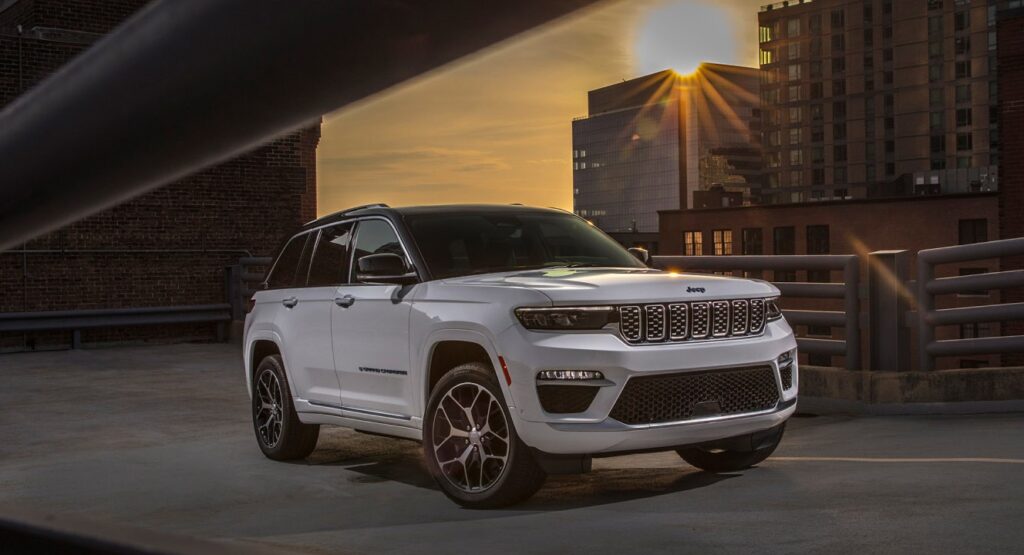
The Jeep Grand Cherokee has always walked a fascinating line between rugged off-road machine and upscale family SUV. It’s the kind of vehicle that can crawl over rocks on Saturday and pull into a business meeting on Monday without looking out of place. Yet beneath the polished leather interiors, aggressive styling, and powerful engine lineup, the Grand Cherokee carries a reputation that sparks endless debates among owners.
Some drivers swear by it. Others swear at it.
So, what’s the real story behind Jeep Grand Cherokee issues? Are the problems exaggerated internet folklore, or is there genuine cause for concern? The answer sits somewhere in the middle, like a muddy trail after heavy rain — complicated, slippery, and worth exploring carefully.
In this guide, we’ll break down the most common Jeep Grand Cherokee problems, the worst model years, reliability concerns, expensive repairs, transmission failures, electrical nightmares, suspension troubles, and everything in between. If you’re thinking about buying one, already own one, or simply want to avoid costly surprises, this article is your roadmap.
Content in this publication
- Why the Jeep Grand Cherokee Remains So Popular Despite Its Problems
- The Most Common Jeep Grand Cherokee Issues
- Transmission Problems That Frustrate Owners
- Air Suspension Failures
- Engine Problems Across Different Generations
- Jeep Grand Cherokee Model Years to Avoid
- The Infamous TIPM Failure
- Fuel Economy Complaints
- Brake Problems and Premature Wear
- Cooling System Issues
- Rust and Corrosion Concerns
- Interior Quality Problems
- Jeep Grand Cherokee Recall History
- Are Jeep Grand Cherokees Expensive to Maintain?
- Which Jeep Grand Cherokee Years Are Most Reliable?
- Should You Buy a Used Jeep Grand Cherokee?
- Essential Things to Check Before Buying One
- How Owners Can Reduce Future Problems
- The Emotional Side of Grand Cherokee Ownership
- Final Thoughts on Jeep Grand Cherokee Issues
- FAQs
Why the Jeep Grand Cherokee Remains So Popular Despite Its Problems
Before we dive into the ugly side of ownership, we need to acknowledge something important: people keep buying the Grand Cherokee for a reason.
The SUV delivers:
- Strong towing capability
- Premium interiors
- Excellent off-road performance
- Powerful V6 and V8 engines
- Comfortable highway driving
- A commanding road presence
Driving a Grand Cherokee often feels like wearing hiking boots with a tailored suit. It balances adventure and luxury surprisingly well.
But popularity doesn’t erase flaws.
The Most Common Jeep Grand Cherokee Issues
Certain problems appear repeatedly across multiple generations of the Grand Cherokee. Some are minor annoyances. Others can drain your wallet faster than a fuel-thirsty V8 on a mountain climb.
Electrical System Problems
Electrical gremlins are among the most infamous Jeep Grand Cherokee issues.
Owners commonly report:
- Infotainment screen freezing
- Random dashboard warning lights
- Power windows malfunctioning
- Key fob detection failures
- Battery drain problems
- Unresponsive touchscreens
- Sensors failing unexpectedly
Modern Grand Cherokees are packed with technology, and sometimes it feels like the SUV’s electronics are conducting their own orchestra without a conductor.
Why Electrical Issues Happen
The root causes usually include:
- Faulty TIPM modules
- Software glitches
- Weak grounding connections
- Defective wiring harnesses
- Sensor failures
In some cases, a simple software update fixes everything. In others, diagnosing the issue becomes a frustrating treasure hunt.
Transmission Problems That Frustrate Owners
Transmission complaints have haunted several Grand Cherokee generations.
Drivers often describe:
- Hard shifting
- Delayed acceleration
- Jerking between gears
- Sudden downshifts
- Transmission slipping
- Complete transmission failure
The issue becomes especially concerning because transmission repairs rarely come cheap.
The 8-Speed Transmission Debate
Many newer Grand Cherokees use the ZF 8-speed automatic transmission. On paper, it’s excellent — smooth, efficient, and responsive.
But some owners experience:
- Rough low-speed shifts
- Hesitation during acceleration
- Clunky behavior in stop-and-go traffic
It’s like dancing with someone who occasionally steps on your feet. Most of the time it’s fine, but when it goes wrong, you notice immediately.
Can Transmission Problems Be Prevented?
Sometimes.
Preventive maintenance helps enormously:
- Change transmission fluid regularly
- Avoid aggressive towing without cooling upgrades
- Update transmission software
- Address warning signs early
Ignoring small transmission symptoms often turns a manageable repair into a financial avalanche.
Air Suspension Failures
The Quadra-Lift air suspension system gives the Grand Cherokee impressive ride comfort and adjustable ride height. It also introduces one of the SUV’s most expensive potential problems.
Symptoms of Suspension Trouble
Watch for:
- Uneven ride height
- Vehicle leaning to one side
- Compressor running constantly
- Suspension warning lights
- Rough ride quality
The air suspension can feel magical when it works. When it fails, the SUV may resemble a tired animal crouching awkwardly at a traffic light.
Why Air Suspension Repairs Cost So Much
The system includes:
- Air springs
- Compressors
- Height sensors
- Electronic control modules
- Air lines
Replacing multiple components quickly becomes expensive.
Some owners even convert the system to traditional coil springs to avoid future headaches.
Engine Problems Across Different Generations
Not every engine suffers equally. Some are remarkably durable. Others come with recurring concerns.
3.6L Pentastar V6 Issues
The Pentastar V6 is widely used across Jeep’s lineup.
Common complaints include:
- Oil cooler leaks
- Ticking noises
- Cylinder head failures in earlier models
- Excessive oil consumption
Despite these problems, many Pentastar engines still surpass 200,000 miles with proper care.
5.7L HEMI V8 Problems
The HEMI delivers fantastic performance but isn’t immune to issues.
Owners report:
- Exhaust manifold bolt failures
- Lifters failing
- Camshaft wear
- Fuel economy concerns
The HEMI is like a heavyweight boxer — powerful and exciting, but expensive to feed and maintain.
EcoDiesel Reliability Concerns
The EcoDiesel engine generated both excitement and controversy.
Frequent complaints include:
- EGR cooler failures
- Turbocharger issues
- Emissions system problems
- High repair costs
Some owners love the torque and fuel economy. Others regret stepping into diesel ownership entirely.
Jeep Grand Cherokee Model Years to Avoid
Not every Grand Cherokee year deserves equal trust.
Some years stand out for poor reliability records.
2011 Jeep Grand Cherokee
This model year receives heavy criticism for:
- Electrical failures
- TIPM issues
- Engine stalling
- Fuel pump recalls
The redesign introduced many new technologies, but early execution stumbled badly.
2014 Jeep Grand Cherokee
The 2014 model experienced:
- Shifting problems
- Software glitches
- Brake concerns
- Electrical instability
This was the year many owners began questioning whether the advanced electronics were more burden than benefit.
2015 Jeep Grand Cherokee
While improved, the 2015 still suffered from:
- Transmission hesitation
- Suspension problems
- Electrical bugs
It’s not catastrophic, but buyers should inspect carefully.
The Infamous TIPM Failure
If you spend enough time reading Jeep forums, you’ll encounter the phrase “TIPM” repeatedly.
The Totally Integrated Power Module acts like the SUV’s electrical brain.
When it fails, bizarre symptoms appear:
- Fuel pump issues
- Random honking
- Engine not starting
- Lights malfunctioning
- Wipers activating unexpectedly
It’s almost comedic — until the repair bill arrives.
How Much Does TIPM Replacement Cost?
Depending on labor and parts:
- $800 to $1,500 or more
That’s a painful number for what many owners assume is “just an electrical issue.”
Fuel Economy Complaints
Even owners who adore their Grand Cherokee often complain about fuel consumption.
Especially with V8 engines.
Real-World MPG Often Falls Short
Drivers commonly report:
- City fuel economy worse than EPA estimates
- Significant drops during towing
- Poor efficiency in cold weather
The Grand Cherokee is not a lightweight crossover pretending to be adventurous. It’s a heavy SUV with genuine capability, and physics eventually collects its payment at the gas station.
Brake Problems and Premature Wear
Brake-related complaints are more common than many buyers expect.
Common Brake Issues Include
- Warped rotors
- Premature pad wear
- Brake vibration
- Squealing noises
Heavy SUVs naturally stress braking systems harder than compact vehicles, but some Grand Cherokee owners feel the wear arrives too soon.
Cooling System Issues
Cooling problems can quietly evolve into catastrophic engine damage.
Signs of Cooling Trouble
Pay attention to:
- Overheating
- Coolant leaks
- Sweet smells under the hood
- Rising temperature gauge
- Heater inconsistencies
Radiator failures and water pump problems appear across several generations.
Ignoring overheating is like ignoring smoke in a kitchen. The longer you wait, the worse the outcome becomes.
Rust and Corrosion Concerns
While not as notorious as older Jeeps, certain Grand Cherokees still experience rust issues.
Common Rust Areas
Inspect carefully around:
- Wheel wells
- Undercarriage
- Tailgate
- Door bottoms
- Suspension components
Vehicles exposed to road salt face the greatest risk.
Interior Quality Problems
The Grand Cherokee aims for premium status, but interior durability sometimes disappoints.
Frequent Cabin Complaints
Owners report:
- Peeling leather
- Dashboard rattles
- Loose trim
- Sunroof leaks
- Fading buttons
The cabin may look luxurious initially, but time occasionally exposes weaknesses beneath the surface.
Jeep Grand Cherokee Recall History
The Grand Cherokee has experienced numerous recalls over the years.
Some major recall categories include:
- Fuel pump failures
- Brake booster problems
- Airbag defects
- Electrical fires
- Transmission software issues
Before purchasing any used Grand Cherokee, checking recall completion history is absolutely essential.
Are Jeep Grand Cherokees Expensive to Maintain?
Compared to mainstream SUVs like the Toyota Highlander or Honda Pilot, maintenance costs are generally higher.
Why Ownership Costs Add Up
Factors include:
- Complex electronics
- Air suspension repairs
- Premium fuel recommendations on some trims
- Expensive OEM parts
- Larger tires and brakes
Owning a Grand Cherokee can feel like maintaining a luxury SUV disguised as an off-roader.
Which Jeep Grand Cherokee Years Are Most Reliable?
Not every model year is problematic.
Several years stand out positively.
Recommended Grand Cherokee Years
Many enthusiasts favor:
- 2018
- 2019
- 2020
- 2021
These models benefited from years of refinement after earlier redesign issues.
Why Later Models Improved
Jeep gradually addressed:
- Transmission calibration
- Software stability
- Electrical reliability
- Suspension durability
Experience became the mechanic’s greatest tool.
Should You Buy a Used Jeep Grand Cherokee?
The answer depends entirely on expectations.
A Grand Cherokee Makes Sense If You Want
- Strong towing
- Off-road capability
- Luxury features
- Powerful engine options
- A distinctive SUV personality
It May Not Be Ideal If You Prioritize
- Low maintenance costs
- Bulletproof reliability
- Exceptional fuel economy
- Minimal electronic complexity
Buying a used Grand Cherokee without a pre-purchase inspection is like hiking into the mountains without checking the weather forecast. You might be fine. You might regret everything.
Essential Things to Check Before Buying One
If you’re shopping for a used Grand Cherokee, inspect carefully.
Checklist for Buyers
Mechanical Inspection
- Check transmission smoothness
- Inspect suspension height
- Look for oil leaks
- Listen for ticking noises
- Test braking performance
Electrical Inspection
- Test infotainment thoroughly
- Verify all sensors work
- Check keyless entry
- Confirm backup camera functionality
Maintenance History
Look for records showing:
- Fluid changes
- Recall completion
- Suspension repairs
- Transmission servicing
A well-maintained Grand Cherokee can dramatically outperform a neglected one.
How Owners Can Reduce Future Problems
No SUV becomes indestructible through maintenance alone, but smart care helps enormously.
Helpful Maintenance Habits
- Change fluids early rather than late
- Avoid ignoring warning lights
- Use quality replacement parts
- Keep software updated
- Inspect suspension regularly
- Address leaks immediately
Think of maintenance like brushing your teeth. Small habits prevent painful, expensive consequences later.
The Emotional Side of Grand Cherokee Ownership
This SUV inspires unusual loyalty.
Why?
Because when the Grand Cherokee works properly, it delivers a driving experience that feels alive. It’s comfortable yet rugged, refined yet adventurous.
Owners forgive flaws because the vehicle has personality.
That may sound irrational, but cars are emotional machines. We don’t always choose them with spreadsheets alone.
Sometimes we choose them because they make ordinary roads feel like trails leading somewhere exciting.
Final Thoughts on Jeep Grand Cherokee Issues
The Jeep Grand Cherokee remains one of the most compelling SUVs on the market, but it’s not a flawless machine. Electrical problems, transmission complaints, suspension failures, and expensive repairs have shaped its reputation over the years.
Still, the story isn’t entirely negative.
A properly maintained Grand Cherokee can provide years of enjoyable driving, impressive capability, and genuine versatility. The key lies in choosing the right model year, staying ahead on maintenance, and understanding the SUV’s common weaknesses before they become financial disasters.
In many ways, owning a Grand Cherokee resembles owning an adventurous dog. It may track mud into the house occasionally, chew through your patience from time to time, and demand attention more often than expected — but when it’s behaving well, you wouldn’t trade the experience for anything else.
FAQs
What is the most common Jeep Grand Cherokee issue?
Electrical problems are among the most frequently reported issues, including infotainment glitches, sensor failures, and TIPM-related malfunctions.
Which Jeep Grand Cherokee years should be avoided?
Many buyers avoid the 2011, 2014, and some 2015 models due to reliability complaints involving transmissions and electronics.
Are Jeep Grand Cherokees reliable long term?
They can be reliable with proper maintenance, but ownership costs are typically higher than more conservative SUVs from Japanese brands.
Is the air suspension worth it?
The Quadra-Lift suspension improves comfort and off-road capability, but repairs can become expensive as the vehicle ages.
How many miles can a Jeep Grand Cherokee last?
Well-maintained models often exceed 200,000 miles, especially when maintenance is performed consistently and issues are addressed early.
If you want to know other articles similar to Jeep Grand Cherokee Issues you can visit the category Common Problems.
Volvo XC40 Sound Not Working? Complete Troubleshooting Guide

Mazda Diesel Engine Problems: Common Faults and Fixes
Volkswagen Key Not Detected or No Key Error: Causes and Fixes
Volvo S90 Common Problems: Reliability & Repair Guide
Volvo S90 No Sound: Causes, Fixes and Solutions

Nissan Rogue Smells Like Gas: Causes and Fixes
Leave a Reply
More content of your interest