

Jeep Grand Cherokee Maintenance Schedule

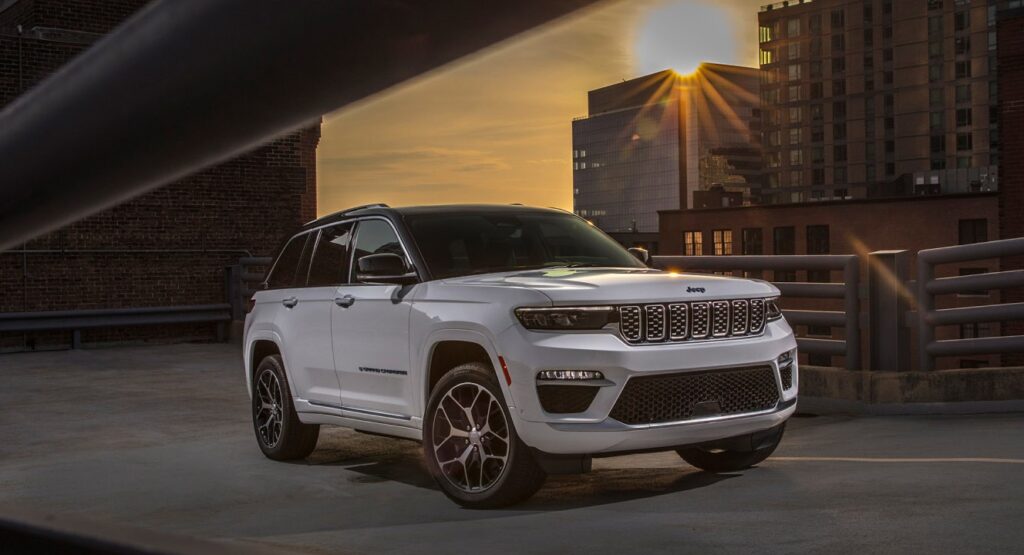
The Jeep Grand Cherokee has always walked a fascinating line between rugged off-road capability and upscale comfort. One moment it feels like a mountain goat climbing rocky trails, and the next it behaves like a luxury cruiser soaking up highway miles. But here’s the truth many owners discover too late: even the toughest SUV becomes unreliable when maintenance turns into an afterthought.
A proper Jeep Grand Cherokee maintenance schedule is not just about avoiding breakdowns. It is about preserving performance, fuel efficiency, resale value, and that unmistakable confidence we feel behind the wheel. Think of maintenance like brushing your teeth. Skip it for a week, and maybe nothing happens. Ignore it for years, and suddenly you are staring at expensive problems.
In this guide, we will explore everything we need to know about maintaining a Jeep Grand Cherokee properly—from oil changes and transmission service intervals to brake inspections, tire rotations, and long-term care strategies.
Content in this publication
- Why Following a Jeep Grand Cherokee Maintenance Schedule Matters
- Understanding the Jeep Maintenance Philosophy
- Basic Jeep Grand Cherokee Maintenance Schedule Overview
- Oil Changes: The Heartbeat of Engine Longevity
- Tire Maintenance and Rotation Schedule
- Brake System Maintenance
- Transmission Maintenance Schedule
- Differential and Transfer Case Maintenance
- Cooling System Maintenance
- Air Filter and Cabin Filter Replacement
- Spark Plug Replacement Schedule
- Battery Maintenance and Electrical System Care
- Suspension and Steering Maintenance
- Maintenance Schedule for Off-Road Drivers
- Seasonal Jeep Grand Cherokee Maintenance
- Common Jeep Grand Cherokee Maintenance Mistakes
- How Much Does Jeep Grand Cherokee Maintenance Cost?
- DIY Maintenance vs Professional Service
- High-Mileage Jeep Grand Cherokee Maintenance Tips
- Creating the Perfect Maintenance Routine
- Final Thoughts on the Jeep Grand Cherokee Maintenance Schedule
- FAQs
Why Following a Jeep Grand Cherokee Maintenance Schedule Matters
Modern SUVs are engineering puzzles packed with electronics, sensors, turbochargers, advanced drivetrains, and computer-controlled systems. The Grand Cherokee is no exception.
Ignoring scheduled service can lead to:
- Premature engine wear
- Transmission damage
- Reduced fuel economy
- Suspension problems
- Electrical gremlins
- Expensive repair bills
Regular maintenance acts like armor for the vehicle. Instead of reacting to failures, we prevent them before they happen.
A well-maintained Grand Cherokee can comfortably surpass 200,000 miles. Neglected ones? Some barely make it beyond 100,000 without major repairs.
Understanding the Jeep Maintenance Philosophy
Jeep designs the Grand Cherokee with a maintenance monitoring system. Instead of relying solely on mileage, the vehicle tracks driving conditions and engine behavior to determine service intervals.
That means:
- Heavy towing may shorten oil life
- Extreme temperatures accelerate wear
- Frequent stop-and-go traffic increases stress
- Off-road driving demands extra inspections
The SUV adapts to how we drive, almost like a personal trainer adjusting workouts based on fatigue.
Still, mileage milestones remain the backbone of any maintenance schedule.
Basic Jeep Grand Cherokee Maintenance Schedule Overview
Here is a simplified overview of common maintenance intervals.
| Service | Recommended Interval |
|---|---|
| Oil Change | Every 5,000–7,500 miles |
| Tire Rotation | Every 5,000–7,500 miles |
| Brake Inspection | Every 10,000 miles |
| Air Filter Replacement | Every 15,000–30,000 miles |
| Cabin Filter Replacement | Every 15,000–20,000 miles |
| Transmission Service | Every 60,000 miles |
| Spark Plug Replacement | Every 60,000–100,000 miles |
| Coolant Flush | Every 100,000 miles |
| Differential Fluid Change | Every 40,000–60,000 miles |
| Transfer Case Service | Every 60,000 miles |
These intervals may vary depending on engine type and driving habits.
Oil Changes: The Heartbeat of Engine Longevity
Why Engine Oil Matters So Much
Oil is the bloodstream of the engine. Without clean oil, internal components grind against each other like sandpaper.
The Grand Cherokee commonly comes with engines such as:
- 3.6L Pentastar V6
- 5.7L HEMI V8
- 6.4L V8
- EcoDiesel variants
- Turbocharged 4-cylinder engines in newer models
Each engine relies heavily on proper lubrication.
Recommended Oil Change Intervals
Most Jeep Grand Cherokee models need oil changes every:
- 5,000 miles for severe driving
- 7,500 miles for normal driving
Severe driving includes:
- Towing
- Frequent short trips
- Off-roading
- Extreme heat or cold
- Dusty environments
Synthetic oil is strongly recommended because it handles heat better and protects turbocharged engines more effectively.
Signs Your Jeep Needs an Oil Change Early
Sometimes the vehicle tells us a story before the warning light appears.
Watch for:
- Engine ticking noises
- Rough idling
- Reduced fuel economy
- Dark, sludgy oil
- Burning oil smell
Ignoring these symptoms is like ignoring smoke in a kitchen. Something is cooking—and not in a good way.
Tire Maintenance and Rotation Schedule
Why Tire Rotations Are Critical
The Jeep Grand Cherokee is heavier than many SUVs, especially in V8 and 4x4 configurations. That weight causes uneven tire wear.
Rotating tires every 5,000–7,500 miles helps:
- Extend tire lifespan
- Improve ride comfort
- Maintain traction
- Prevent vibration
Think of tire rotation like rotating a mattress. Wear becomes balanced instead of concentrated.
Checking Tire Pressure Regularly
Underinflated tires hurt fuel economy and handling. Overinflated tires reduce grip and comfort.
Always check tire pressure:
- Monthly
- Before long trips
- Before towing
- During seasonal temperature changes
Cold weather can dramatically lower tire pressure overnight.
Brake System Maintenance
How Often Should Brakes Be Inspected?
Brake inspections should happen every 10,000 miles or during tire rotations.
The Grand Cherokee is a substantial SUV, and braking systems work hard—especially when towing or driving in mountainous terrain.
Warning Signs of Brake Wear
Pay attention to:
- Squealing noises
- Grinding sounds
- Pulsation during braking
- Longer stopping distances
- Brake warning lights
Ignoring brake problems is like walking a tightrope with frayed ropes. Eventually, physics wins.
Brake Fluid Service Intervals
Brake fluid absorbs moisture over time. Contaminated fluid reduces braking performance.
A brake fluid flush is typically recommended every:
- 2–3 years
- Or around 30,000 miles
Transmission Maintenance Schedule
Why Transmission Service Is Often Ignored
Many owners believe “sealed transmissions” never need maintenance. Unfortunately, that myth has destroyed countless transmissions.
Transmission fluid breaks down from:
- Heat
- Friction
- Heavy towing
- Stop-and-go driving
Recommended Transmission Service Intervals
For most Grand Cherokee models:
- Transmission fluid and filter service every 60,000 miles
- Earlier if towing frequently
Performance models like the SRT and Trackhawk may benefit from even shorter intervals due to higher thermal stress.
Symptoms of Transmission Problems
Watch for:
- Hard shifting
- Delayed gear engagement
- Slipping gears
- Burning smell
- Transmission overheating warnings
Repairing a neglected transmission can cost thousands.
Preventative maintenance costs a fraction of that.
Differential and Transfer Case Maintenance
Why 4WD Systems Need Attention
The Grand Cherokee’s four-wheel-drive system is one of its biggest strengths. But it also adds maintenance complexity.
Differentials and transfer cases contain gears constantly under load.
Without fresh fluid, wear accelerates rapidly.
Recommended Service Intervals
Typical recommendations include:
- Differential fluid change every 40,000–60,000 miles
- Transfer case service every 60,000 miles
If we regularly drive off-road, through mud, or tow heavy trailers, more frequent servicing is wise.
Cooling System Maintenance
The Importance of Coolant
Engines generate enormous heat. Coolant regulates temperature and prevents catastrophic overheating.
A neglected cooling system can lead to:
- Blown head gaskets
- Radiator failure
- Water pump issues
- Engine overheating
Coolant Flush Schedule
Most modern Grand Cherokee models require coolant replacement around:
- 100,000 miles
- Or every 5 years
Always use the correct coolant type recommended by Jeep.
Mixing incompatible coolant formulas can create sludge and corrosion.
Air Filter and Cabin Filter Replacement
Engine Air Filter Service
The engine air filter keeps debris out of the engine.
A dirty filter reduces:
- Fuel economy
- Acceleration
- Engine efficiency
Replace it every:
- 15,000–30,000 miles
- Earlier in dusty climates
Cabin Air Filter Maintenance
The cabin filter affects interior air quality.
If your Jeep smells musty or airflow weakens, the cabin filter may be clogged.
Typical replacement interval:
- Every 15,000–20,000 miles
It is a small maintenance item that dramatically improves comfort.
Spark Plug Replacement Schedule
Why Spark Plugs Matter
Spark plugs ignite the fuel-air mixture inside the engine.
Worn spark plugs can cause:
- Misfires
- Rough idling
- Reduced MPG
- Weak acceleration
Jeep Grand Cherokee Spark Plug Intervals
Depending on engine type:
- Standard plugs: around 30,000–60,000 miles
- Iridium plugs: up to 100,000 miles
HEMI engines often require more plugs than expected, which increases replacement costs.
Battery Maintenance and Electrical System Care
Modern Jeeps Depend Heavily on Electronics
The Grand Cherokee is loaded with technology:
- Infotainment systems
- Driver-assistance features
- Sensors
- Air suspension controls
- Electronic steering systems
Weak batteries can trigger strange electronic behavior.
Battery Service Recommendations
Inspect the battery:
- Every oil change
- Before winter
- After 3 years of use
Corrosion around terminals should be cleaned immediately.
Signs of a Weak Battery
Look for:
- Slow engine cranking
- Flickering lights
- Random warning messages
- Electrical glitches
Sometimes a failing battery masquerades as a major electrical issue.
Suspension and Steering Maintenance
The Grand Cherokee’s Suspension Is Complex
Many models feature:
- Independent suspension
- Adaptive dampers
- Quadra-Lift air suspension
These systems deliver comfort and off-road capability but require attention.
Common Suspension Wear Items
Inspect regularly:
- Ball joints
- Control arms
- Bushings
- Shocks
- Air suspension components
Ignoring suspension wear can create uneven tire wear and unstable handling.
Maintenance Schedule for Off-Road Drivers
Off-Roading Changes Everything
Mud, water, rocks, and dust dramatically accelerate wear.
After serious off-road trips, inspect:
- Undercarriage damage
- Differential seals
- Suspension components
- Brake lines
- Tires
Fluid contamination is especially common after water crossings.
Additional Off-Road Maintenance Tips
We should:
- Wash the underbody thoroughly
- Check skid plates
- Re-grease components when applicable
- Inspect wheel alignment
Off-road driving is like taking your SUV hiking through a battlefield. It deserves extra care afterward.
Seasonal Jeep Grand Cherokee Maintenance
Winter Maintenance Checklist
Cold weather can be brutal.
Before winter:
- Test battery health
- Check antifreeze levels
- Inspect tires
- Verify heater performance
- Replace worn wiper blades
Winter driving stresses every system simultaneously.
Summer Maintenance Checklist
High temperatures strain:
- Cooling systems
- Air conditioning
- Tires
- Batteries
Before summer road trips:
- Check coolant
- Inspect hoses
- Test A/C performance
- Monitor tire pressure
Heat quietly destroys neglected components.
Common Jeep Grand Cherokee Maintenance Mistakes
Skipping Fluid Changes
Many owners only focus on engine oil.
But neglected fluids in:
- Transmissions
- Differentials
- Transfer cases
- Brakes
can quietly create massive repair bills.
Ignoring Warning Lights
Dashboard lights are not decorations.
The Grand Cherokee’s onboard diagnostics system is designed to catch problems early.
Waiting too long often transforms minor repairs into expensive ones.
Using Cheap Replacement Parts
Low-quality parts may save money upfront but can shorten component lifespan.
OEM or high-quality aftermarket parts usually provide better reliability.
How Much Does Jeep Grand Cherokee Maintenance Cost?
Maintenance costs vary depending on:
- Model year
- Engine type
- Mileage
- Driving conditions
- Labor rates
Average annual maintenance costs often range between:
- $700–$1,500 annually
Performance trims and air suspension models typically cost more to maintain.
Still, preventative maintenance is far cheaper than major mechanical failures.
DIY Maintenance vs Professional Service
What We Can Handle Ourselves
Some maintenance tasks are beginner-friendly:
- Oil changes
- Air filter replacement
- Cabin filter replacement
- Battery inspections
- Tire pressure checks
DIY maintenance can save substantial money over time.
When Professional Help Makes Sense
Complex systems should often be handled professionally:
- Transmission service
- Suspension repairs
- Differential service
- Advanced diagnostics
- Electronic troubleshooting
Sometimes expertise matters more than saving a few dollars.
High-Mileage Jeep Grand Cherokee Maintenance Tips
What Changes After 100,000 Miles?
High-mileage Grand Cherokees require closer attention.
Key areas include:
- Suspension wear
- Oil leaks
- Cooling system aging
- Transmission performance
- Electrical reliability
At this stage, maintenance becomes more proactive than reactive.
Best Practices for Longevity
To maximize lifespan:
- Use quality fluids
- Avoid aggressive cold starts
- Address issues immediately
- Maintain service records
- Inspect the vehicle regularly
A neglected Jeep ages like spoiled milk.
A cared-for Jeep ages like a seasoned adventurer.
Creating the Perfect Maintenance Routine
The best maintenance schedule is consistent, not complicated.
A smart routine includes:
Every Month
- Check tire pressure
- Inspect fluid levels
- Look for leaks
Every 5,000–7,500 Miles
- Oil change
- Tire rotation
- Brake inspection
Every 30,000 Miles
- Cabin and engine air filters
- Brake fluid inspection
- Suspension check
Every 60,000 Miles
- Transmission service
- Differential service
- Transfer case fluid change
Every 100,000 Miles
- Coolant flush
- Spark plugs
- Major system inspection
Consistency beats perfection every single time.
Final Thoughts on the Jeep Grand Cherokee Maintenance Schedule
The Jeep Grand Cherokee is more than transportation. It is part luxury cruiser, part trail explorer, and part family workhorse. But even the toughest SUVs need disciplined care to stay dependable.
Following a proper Jeep Grand Cherokee maintenance schedule helps us avoid unexpected breakdowns, improve longevity, maintain resale value, and enjoy a smoother driving experience year after year.
Maintenance may not feel exciting. Nobody wakes up thrilled about differential fluid changes. Yet routine service is what separates a reliable SUV from a financial headache.
Treat your Grand Cherokee well, and it can reward you with years of confidence, adventure, and capability.
FAQs
How often should a Jeep Grand Cherokee get an oil change?
Most models need an oil change every 5,000–7,500 miles depending on driving conditions and oil type.
Does the Jeep Grand Cherokee require transmission service?
Yes. Despite “sealed transmission” claims, fluid and filter service around every 60,000 miles is strongly recommended.
What is the most expensive maintenance item on a Jeep Grand Cherokee?
Major repairs involving the transmission, air suspension, or electronic systems are typically the most expensive.
How long can a Jeep Grand Cherokee last with proper maintenance?
A well-maintained Grand Cherokee can often exceed 200,000 miles.
Is Jeep Grand Cherokee maintenance expensive?
Maintenance costs are moderate to high compared to smaller SUVs, especially for V8 and luxury trims, but preventative care reduces long-term expenses.
If you want to know other articles similar to Jeep Grand Cherokee Maintenance Schedule you can visit the category Maintenance.
Kia Sorento Service Schedule: Complete Maintenance Guide
Haval Jolion Service Cost: Australia Maintenance Guide

Nissan Rogue Maintenance Schedule: Complete Service Guide
Honda Passport Maintenance Codes: Complete Maintenance Minder Guide
Honda Passport Maintenance Schedule: Complete Service Guide
Nissan Rogue Maintenance Schedule: Complete Service Guide
Leave a Reply
More content of your interest