

Peugeot 206 Engine Oil: Complete Oil Type, Grade, and Maintenance Guide

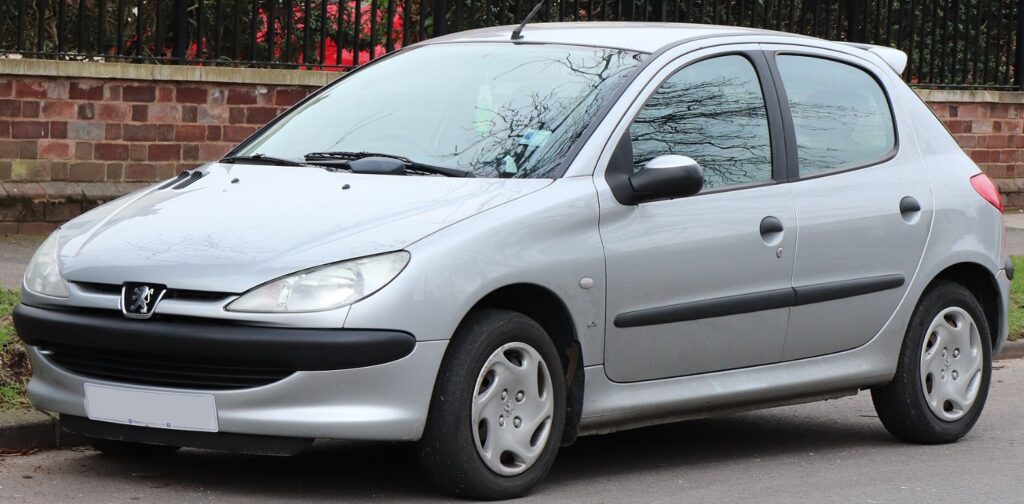
Choosing the correct Peugeot 206 engine oil can feel surprisingly complicated. One bottle says 5W-30, another says 10W-40, and both appear to promise smoother starts, cleaner internals, and a longer engine life. Then we remember that the Peugeot 206 was sold with several petrol and diesel engines, across different climates and production years. Suddenly, buying oil is no longer as simple as grabbing the first container with a familiar logo.
The good news? We do not need to turn this into an engineering exam.
For most Peugeot 206 owners, the right oil comes down to four things: the engine, the required specification, the operating climate, and the vehicle’s condition. Once we identify those details, choosing an oil becomes much easier.
In this guide, we will explore the most commonly recommended oil grades, typical capacities, service intervals, oil-warning signs, and practical maintenance tips. We will also explain why two Peugeot 206 cars that look nearly identical may need different lubricants.
Content in this publication
- What Engine Oil Does a Peugeot 206 Use?
- Why the Correct Oil Matters
- Peugeot 206 Petrol Engine Oil Recommendations
- Peugeot 206 Diesel Engine Oil Recommendations
- Understanding Oil Viscosity
- Which Oil Specification Should We Look For?
- Peugeot 206 Engine Oil Capacity
- How Often Should Peugeot 206 Engine Oil Be Changed?
- How to Check Peugeot 206 Engine Oil
- Can We Mix Different Engine Oils?
- Is Fully Synthetic Oil Better for a Peugeot 206?
- Best Engine Oil for a High-Mileage Peugeot 206
- Signs the Peugeot 206 Needs an Oil Change
- Why Is the Peugeot 206 Losing Oil?
- What Does the Peugeot 206 Oil Warning Light Mean?
- Can Too Much Oil Damage a Peugeot 206?
- Choosing an Engine Oil Brand
- Peugeot 206 Oil Filter Replacement
- Common Peugeot 206 Oil-Change Mistakes
- A Practical Peugeot 206 Oil-Selection Checklist
- Peugeot 206 Engine Oil Maintenance Tips
- Conclusion
- Frequently Asked Questions
What Engine Oil Does a Peugeot 206 Use?
The Peugeot 206 does not have one universal oil recommendation because it was produced with multiple petrol and diesel engines. Depending on the version, commonly used viscosity grades include:
- 5W-30
- 5W-40
- 10W-40
- In limited situations, 15W-40
Many petrol models commonly use 5W-40 or 10W-40 oil, while some diesel engines may require 5W-30 or 5W-40, depending on the engine design, emissions equipment, climate, and manufacturer specification.
However, viscosity is only half the answer. A bottle marked 5W-40 is not automatically suitable simply because the numbers match. We must also check its ACEA, API, or Peugeot PSA approval.
Think of viscosity as the oil’s clothing size and the specification as its job qualifications. Both must fit.
Why the Correct Oil Matters
Engine oil creates a protective film between fast-moving metal components. Without that film, internal parts would rub together like dry stones in a blender.
Correct oil helps:
- Reduce friction and wear
- Control engine temperature
- Carry contaminants toward the filter
- Protect against corrosion
- Keep internal components cleaner
- Support hydraulic lifters and tensioners
- Improve cold-start lubrication
- Reduce sludge formation
- Maintain stable oil pressure
Using unsuitable oil may not cause immediate failure. That is what makes the issue deceptive. The engine may sound normal for weeks or months while deposits, wear, or oil consumption slowly increase.
The correct lubricant protects the engine quietly, mile after mile.
Peugeot 206 Petrol Engine Oil Recommendations
Petrol versions of the Peugeot 206 were offered with several engine sizes, including approximately 1.1, 1.4, 1.6, and 2.0 litres. Recommendations can vary by engine code and production year, but several general patterns apply.
Peugeot 206 1.1 Petrol Engine Oil
The 1.1-litre petrol engine is relatively simple and often works well with:
- 5W-40 fully synthetic oil
- 10W-40 semi-synthetic oil
A 5W-40 lubricant usually provides better flow during cold starts, while retaining strong protection at normal operating temperatures. A 10W-40 oil may be appropriate for older engines in moderate or warm climates, particularly where permitted by the handbook.
For a high-mileage engine that consumes a little oil, some owners consider 10W-40. Still, we should not use thicker oil merely to hide a mechanical problem.
Peugeot 206 1.4 Petrol Engine Oil
The 1.4 petrol is one of the most common Peugeot 206 engines. Typical choices include:
- 5W-40 synthetic
- 10W-40 semi-synthetic
The ideal choice depends on the exact engine code, maintenance history, climate, and oil specification.
A healthy 1.4-litre engine used for frequent short journeys often benefits from a quality synthetic oil because the lubricant reaches critical components quickly after startup. Short trips are tougher on oil than many drivers realise. The engine may never remain hot long enough to evaporate moisture and fuel contamination.
Peugeot 206 1.6 Petrol Engine Oil
Many 1.6-litre Peugeot 206 models use:
- 5W-40 fully synthetic
- 10W-40 where specifically permitted
The 1.6 engine may feel lively and willing, but it still depends on clean oil for reliable valve-train lubrication and temperature control.
A quality 5W-40 is often a strong all-round choice where the owner’s manual allows it. It flows well during startup and remains stable when the engine is hot.
Peugeot 206 2.0 GTI Engine Oil
The Peugeot 206 GTI places greater demands on its lubricant, especially when driven enthusiastically.
Commonly considered grades include:
- 5W-40 fully synthetic
- 10W-40 synthetic or semi-synthetic, where approved
For a performance-oriented model, oil quality matters just as much as viscosity. Repeated high-rev driving increases oil temperature and oxidation. A strong synthetic lubricant generally handles heat and stress better than a basic mineral product.
Does the GTI Need Racing Oil?
Not necessarily.
A road-driven GTI usually needs a high-quality oil meeting the correct road-car specification, not an extreme competition lubricant. Racing oils may be designed for frequent replacement and may not always contain the same additive balance required for everyday street use.
Peugeot 206 Diesel Engine Oil Recommendations
Diesel engines create different demands. They generate soot, operate with high cylinder pressures, and may use turbochargers or emissions-control systems that need compatible low-ash oil.
Popular Peugeot 206 diesel engines include the 1.4 HDi, 1.9 diesel, and 2.0 HDi.
Peugeot 206 1.4 HDi Engine Oil
The 1.4 HDi commonly uses a quality synthetic oil such as:
- 5W-30
- 5W-40
The required ACEA or PSA specification is crucial. Some versions may need an oil compatible with diesel emissions systems.
The turbocharger relies on clean, rapidly circulating oil. A neglected oil change can allow deposits to form in narrow oil passages. Because a turbo spins at extremely high speed, dirty oil acts like sand in a watch mechanism.
Peugeot 206 1.9 Diesel Engine Oil
The naturally aspirated 1.9 diesel is mechanically simpler than later HDi units. Depending on climate and manufacturer guidance, suitable options may include:
- 10W-40
- 5W-40
- 15W-40 in certain climates and applications
Although this engine is known for toughness, it should not be treated as indestructible. Old diesel oil carries soot and combustion by-products. Extending the service interval too far can encourage sludge and accelerate wear.
Peugeot 206 2.0 HDi Engine Oil
Common choices for the 2.0 HDi include:
- 5W-40 fully synthetic
- 5W-30 when required by the specific version
Again, the label must show the correct performance classification. Turbocharged diesel engines need oil with good resistance to heat, soot thickening, and deposit formation.
Diesel Oil Is Not Just Thicker Petrol Oil
Diesel-compatible oils use additive packages designed to manage soot, acids, and heavy-duty operating conditions. Some modern oils work in both petrol and diesel engines, but we should always verify the stated approvals.
Understanding Oil Viscosity
Oil grades can look like secret codes, but they are straightforward once we break them down.
Take 5W-40 as an example:
- The 5W describes how the oil behaves when cold.
- The 40 describes its viscosity at normal high operating temperature.
- The W stands for winter.
A lower first number generally means the oil flows more easily during cold starts. This matters because a large proportion of engine wear occurs shortly after startup, before the lubricant has fully circulated.
The second number describes how the oil behaves when hot. It does not directly mean that 40-grade oil is “better” than 30-grade oil. It simply has a different high-temperature viscosity range.
5W-30 vs 5W-40 for the Peugeot 206
Both oils flow similarly during cold conditions because they share the 5W rating. The main difference appears when the engine is hot.
5W-30 may offer:
- Slightly lower internal resistance
- Potential fuel-economy benefits
- Compatibility with certain emissions systems
- Good cold-start protection
5W-40 may offer:
- A thicker film at operating temperature
- Strong protection under heat and load
- Suitability for many older petrol and diesel engines
- Potentially lower consumption in some worn engines
Neither grade is universally superior. The correct one is the grade approved for the specific engine.
5W-40 vs 10W-40
A 5W-40 oil flows more readily in cold conditions than 10W-40. Once hot, both fall within the same SAE 40 viscosity category.
The comparison is not simply synthetic versus semi-synthetic, although many 5W-40 products are fully synthetic and many 10W-40 products are semi-synthetic.
A 5W-40 can be especially useful for:
- Frequent cold starts
- Short-distance driving
- Cooler climates
- Turbocharged engines
- Drivers seeking strong year-round performance
A 10W-40 may be suitable for:
- Older engines
- Mild or warm climates
- Vehicles whose manual permits the grade
- Drivers following shorter service intervals
Which Oil Specification Should We Look For?
The viscosity printed on the front of the bottle attracts most of the attention, but the technical specification on the back may be more important.
Depending on the engine, we may see standards such as:
- ACEA A3/B4
- ACEA A5/B5
- ACEA C2
- API SL, SM, SN, or later compatible categories
- PSA B71 2290
- PSA B71 2296
Not every Peugeot 206 requires the same approval. Older petrol engines may commonly use an A3/B4-type oil, while certain diesel applications may require a low-SAPS C2 lubricant.
What Is a PSA Approval?
PSA refers to the former Peugeot-Citroën group. Its oil standards define requirements involving viscosity, deposit control, oxidation resistance, emissions compatibility, and engine protection.
When a bottle clearly states the required PSA approval, we have stronger evidence of compatibility than when it merely says “suitable for many European cars.”
What Does Low-SAPS Mean?
SAPS refers to sulphated ash, phosphorus, and sulphur. Low-SAPS oils are formulated to reduce ash accumulation in exhaust after-treatment systems.
If a vehicle requires a low-SAPS lubricant, using an unsuitable high-ash oil can shorten the life of emissions components.
Peugeot 206 Engine Oil Capacity
Oil capacity varies according to engine type and whether the oil filter is replaced. Approximate quantities for many Peugeot 206 engines generally fall between 3 and 5 litres.
A rough guide may look like this:
| Engine | Approximate Oil Quantity |
|---|---|
| 1.1 petrol | Around 3.0–3.5 litres |
| 1.4 petrol | Around 3.0–3.5 litres |
| 1.6 petrol | Around 3.2–3.5 litres |
| 2.0 petrol/GTI | Around 4.0–4.5 litres |
| 1.4 HDi | Around 3.5–4.0 litres |
| 1.9 diesel | Around 4.5–5.0 litres |
| 2.0 HDi | Around 4.0–4.5 litres |
These are broad estimates, not universal refill figures. The exact amount depends on the engine code, oil-pan design, model year, and whether the filter has been changed.
Why We Should Not Pour in the Full Capacity Immediately
Oil capacity figures are guides, not instructions to empty the entire container at once.
A safer method is to:
- Add slightly less than the stated capacity.
- Wait for the oil to settle.
- Check the dipstick on level ground.
- Add small amounts gradually.
- Stop before exceeding the maximum mark.
Overfilling can be almost as harmful as running low.
How Often Should Peugeot 206 Engine Oil Be Changed?
The official interval varies by model, engine, driving conditions, and market. A practical maintenance schedule for an aging Peugeot 206 is often more conservative than the longest original factory interval.
Many owners choose to change the oil approximately:
- Every 8,000 to 12,000 kilometres
- Every 5,000 to 7,500 miles
- Or every 12 months, whichever comes first
Diesel vehicles, turbocharged engines, and cars used mainly for short journeys may benefit from shorter intervals.
Severe Driving Conditions
We often imagine “severe use” means racing through a desert. In reality, ordinary city driving can be severe.
Demanding conditions include:
- Repeated short trips
- Stop-and-go traffic
- Long periods of idling
- Dusty roads
- Extremely hot weather
- Regular cold starts
- Heavy loads
- Mountain driving
- Infrequent vehicle use
Under these conditions, oil may degrade faster even when the vehicle covers relatively few kilometres.
How to Check Peugeot 206 Engine Oil
Checking the oil takes only a few minutes and can prevent an expensive repair.
Step-by-Step Dipstick Check
- Park on a level surface.
- Switch off the engine.
- Wait approximately five to ten minutes.
- Open the bonnet.
- Locate and remove the dipstick.
- Wipe it clean with a lint-free cloth.
- Insert it fully again.
- Remove it and inspect the level.
- Add oil if the level is near or below the minimum mark.
The oil should sit between the minimum and maximum markings.
How Much Oil Is Between Minimum and Maximum?
The distance between the two marks often represents roughly one litre, but this can vary. We should add oil in small quantities, usually around 100 to 250 millilitres at a time, checking again after each addition.
Pouring half a bottle immediately is like filling a glass in the dark. We may only discover the mistake after it overflows.
Can We Mix Different Engine Oils?
In an emergency, topping up with a compatible oil is usually better than driving with dangerously low oil. However, routine mixing is not ideal.
We should aim to match:
- Viscosity
- ACEA classification
- API category
- Manufacturer approval
- Synthetic type
Mixing 5W-40 and 10W-40 does not necessarily create instant damage, but the resulting blend may not perform exactly like either original oil.
Can Synthetic and Semi-Synthetic Oil Be Mixed?
Most modern engine oils are chemically compatible enough for emergency top-ups. Still, mixing can dilute the performance advantages of the higher-quality product.
For planned maintenance, use one suitable oil throughout the refill.
Is Fully Synthetic Oil Better for a Peugeot 206?
Fully synthetic oil generally offers:
- Better cold-start flow
- Greater resistance to oxidation
- Stronger high-temperature stability
- Improved deposit control
- Longer-lasting performance
- Better protection for turbochargers
That does not mean every Peugeot 206 must use the most expensive oil on the shelf. A quality semi-synthetic lubricant can still perform well in engines designed for it, provided it meets the required specifications and is replaced on time.
The best oil is not simply the costliest. It is the correct product changed at sensible intervals.
Best Engine Oil for a High-Mileage Peugeot 206
A high-mileage engine may have wider internal clearances, hardened seals, or increased oil consumption. Some owners automatically move to thicker oil, but that decision deserves care.
Before changing viscosity, we should investigate:
- External leaks
- Valve-cover gasket condition
- Crankshaft or camshaft seal leaks
- Piston-ring wear
- Valve-stem seal wear
- Crankcase ventilation faults
- Incorrect previous oil
- Excessively long service intervals
A slightly thicker approved oil may reduce consumption in certain engines, but it will not repair worn components.
Should We Use 10W-40 in an Older Peugeot 206?
Possibly, provided the owner’s documentation permits it.
A 10W-40 semi-synthetic oil is a common choice for older Peugeot petrol engines in moderate climates. However, a well-maintained older engine can still run perfectly on 5W-40.
Age alone does not determine viscosity. Engine condition matters more.
Signs the Peugeot 206 Needs an Oil Change
Oil does not always announce that it has reached the end of its useful life. Even so, warning signs can include:
- Engine sounds louder than usual
- Rougher cold starts
- Oil-warning or service light
- Strong burnt-oil smell
- Thick sludge under the oil cap
- Oil that feels gritty
- Falling oil pressure
- Excessive oil consumption
- Unknown maintenance history
Dark oil is not automatically bad. Diesel oil, in particular, may turn black quickly because it suspends soot. Colour alone cannot tell us whether the lubricant has failed.
Why Is the Peugeot 206 Losing Oil?
Oil loss can occur through leakage or internal consumption.
Common leak points may include:
- Rocker or valve-cover gasket
- Oil-filter housing
- Sump gasket or sealant
- Drain-plug washer
- Camshaft seals
- Crankshaft seals
- Oil-pressure switch
- Turbocharger oil lines on diesel models
Internal consumption may result from worn piston rings, valve-stem seals, turbocharger wear, or crankcase ventilation problems.
Blue Smoke and Oil Consumption
Blue or blue-grey exhaust smoke usually indicates that engine oil is entering the combustion chamber.
Smoke during startup may point toward valve-stem seal wear. Smoke during acceleration can suggest piston-ring or turbocharger issues. A proper mechanical diagnosis is more valuable than repeatedly changing oil brands.
What Does the Peugeot 206 Oil Warning Light Mean?
An oil-can symbol may indicate low oil pressure rather than simply a low oil level.
If the red oil-pressure warning remains illuminated while the engine is running:
- Stop safely.
- Switch off the engine.
- Check the oil level.
- Do not continue driving if the level is normal but the warning remains on.
- Arrange professional diagnosis.
Possible causes include low oil, a faulty pressure switch, a blocked pickup, a failing oil pump, incorrect viscosity, internal wear, or wiring problems.
Driving with genuinely low oil pressure can destroy an engine within minutes.
Can Too Much Oil Damage a Peugeot 206?
Yes.
Overfilling may allow the crankshaft to whip the oil into foam. Foamy oil contains air, reducing its ability to maintain a stable protective film.
Excess oil can also increase crankcase pressure, encourage leaks, contaminate the intake system, or damage emissions equipment.
Symptoms of overfilling may include:
- Blue smoke
- Oil leaks
- Rough running
- Increased consumption
- Oil in the intake
- Unusual engine noise
If the level sits significantly above the maximum mark, the excess should be removed.
Choosing an Engine Oil Brand
The badge on the bottle matters less than the specifications printed behind it. Established brands often offer excellent quality control, but we should compare approvals rather than advertising slogans.
When shopping, confirm:
- Correct SAE viscosity
- Required ACEA rating
- Required PSA approval
- Petrol or diesel compatibility
- Suitability for emissions systems
- Container seal and authenticity
- Sensible production or shelf age
Counterfeit engine oil exists in some markets. Buying from a reputable retailer is worth the small premium.
Does Peugeot Require Total Oil?
Peugeot has historically had commercial relationships and recommendations involving Total lubricants. A suitable Total product may be an excellent choice, but another reputable oil meeting the same required specifications can also be appropriate.
The approval matters more than brand loyalty.
Peugeot 206 Oil Filter Replacement
We should generally replace the oil filter whenever we change the engine oil.
The old filter contains used oil and trapped contamination. Installing fresh oil while leaving a dirty filter behind is like changing bathwater while keeping the same muddy sponge.
A good oil-change service should include:
- Correct engine oil
- New oil filter
- New drain-plug washer where required
- Leak inspection
- Correct final level
- Proper disposal of used oil
Common Peugeot 206 Oil-Change Mistakes
Even a simple service can go wrong.
Using Viscosity Alone
Two oils may both be 5W-40 but carry different performance standards. Always read the full label.
Overtightening the Drain Plug
Too much force can strip the sump threads, deform the washer, or crack components.
Reusing a Damaged Washer
A cheap sealing washer can prevent an irritating and potentially serious leak.
Checking the Level Too Soon
Immediately after shutting down, oil remains distributed around the engine. Waiting allows it to drain back into the sump.
Ignoring the Filter
A neglected filter can restrict flow or circulate contaminated oil.
Extending the Interval Because the Oil Is Synthetic
Synthetic oil is more durable, not immortal. Fuel dilution, soot, moisture, and contamination still accumulate.
A Practical Peugeot 206 Oil-Selection Checklist
Before buying oil, answer these questions:
- Which engine is fitted?
- Is it petrol or diesel?
- What is the engine code?
- Does it have a turbocharger?
- Does it use a particulate filter?
- Which viscosity does the handbook permit?
- Which ACEA or PSA specification is required?
- What climate does the vehicle operate in?
- Does the engine consume or leak oil?
- What oil was used previously?
Once we know those details, the shelf of colourful bottles becomes far less confusing.
Peugeot 206 Engine Oil Maintenance Tips
A few simple habits can dramatically improve engine longevity:
- Check the dipstick every two to four weeks.
- Check before long journeys.
- Keep one litre of compatible oil in the boot.
- Repair leaks rather than repeatedly topping up.
- Record the mileage and date of every oil change.
- Use a quality filter.
- Avoid revving the engine hard immediately after startup.
- Let turbocharged engines warm gradually.
- Investigate sudden increases in oil consumption.
- Never ignore a red oil-pressure warning.
Oil maintenance is not glamorous, but neither is replacing an engine.
Conclusion
Choosing the correct Peugeot 206 engine oil begins with identifying the exact engine rather than relying on the model name alone. Many petrol versions commonly use 5W-40 or 10W-40, while HDi diesel models may require 5W-30 or 5W-40 with a specific ACEA or PSA approval.
The viscosity number is only part of the decision. We must also confirm the technical specification, oil capacity, emissions-system requirements, climate, and engine condition.
A quality oil, a fresh filter, and sensible service intervals can keep a Peugeot 206 running smoothly long after newer cars have begun to feel disposable. Engine oil is the machine’s bloodstream. Keep it clean, keep it at the correct level, and the engine has a much better chance of returning the favour with years of dependable service.
Frequently Asked Questions
1. What is the best oil for a Peugeot 206 petrol engine?
Many Peugeot 206 petrol engines commonly use 5W-40 fully synthetic or 10W-40 semi-synthetic oil. The best choice depends on the engine code, climate, production year, and required ACEA or PSA specification.
2. Can I use 5W-30 oil in a Peugeot 206?
Yes, but only when 5W-30 meets the requirements of the specific engine. It is commonly associated with certain diesel versions and emissions-compatible applications. Always verify the required approval before using it.
3. How much engine oil does a Peugeot 206 take?
Most Peugeot 206 engines require roughly 3 to 5 litres, depending on engine size and whether the filter is replaced. Add slightly less than the stated capacity first, then use the dipstick to set the correct level.
4. How often should I change Peugeot 206 engine oil?
A practical interval for many older Peugeot 206 models is approximately every 8,000 to 12,000 kilometres, or once per year. Short trips, city traffic, turbocharged engines, and dusty conditions may justify more frequent changes.
5. Is 10W-40 suitable for a high-mileage Peugeot 206?
It can be suitable for some older petrol and diesel engines when permitted by the manufacturer. However, thicker oil should not be used simply to disguise leaks, worn piston rings, damaged seals, or other mechanical problems.
If you want to know other articles similar to Peugeot 206 Engine Oil: Complete Oil Type, Grade, and Maintenance Guide you can visit the category Service and Parts.
Vauxhall Mokka Tyre Pressure Reset: Complete Guide

How to Reset the Tire Pressure System on Your Hyundai Tucson

Hyundai Kona Tire Pressure: Complete PSI Guide

Vauxhall Corsa Timing Belt Replacement Cost UK 2026

Mazda CX-5 Tire Size Chart: 2013–2026 Guide

How to Reset a Honda Civic: Complete Step-by-Step Guide
Leave a Reply
More content of your interest