

Jeep Grand Cherokee Gas Tank Size

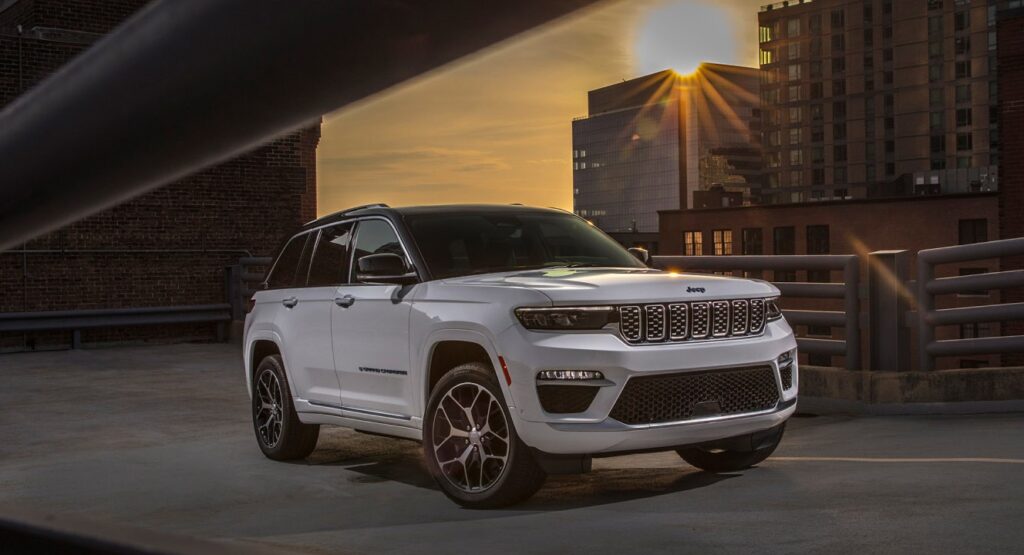
The Jeep Grand Cherokee has always walked a fascinating line between rugged adventure machine and refined family SUV. It can crawl over rocky trails one day and glide through city traffic the next. But amid all the conversations about towing, horsepower, luxury trims, and off-road systems, one practical question quietly sits in the background:
How big is the gas tank?
It sounds simple, yet the answer shapes everything from road-trip confidence to fuel stops, driving range, and even ownership costs. A small tank can make long journeys feel like a scavenger hunt for gas stations. A large one? That’s freedom on four wheels.
In this guide, we’ll break down the Jeep Grand Cherokee gas tank size across generations, trims, engines, and driving conditions. We’ll also explore fuel range, MPG expectations, fueling tips, and the real-world experience behind the numbers. Think of this article as your roadmap through the fuel world of the Grand Cherokee.
Content in this publication
- Why Gas Tank Size Matters More Than Most Drivers Think
- Current Jeep Grand Cherokee Gas Tank Size
- Jeep Grand Cherokee L Gas Tank Size
- Jeep Grand Cherokee 4xe Fuel Tank Size
- Historical Jeep Grand Cherokee Gas Tank Sizes
- Which Jeep Grand Cherokee Has the Biggest Gas Tank?
- Jeep Grand Cherokee Fuel Range Explained
- Real-World Fuel Range Expectations
- Engine Options and Their Effect on Fuel Consumption
- How Fuel Tank Size Impacts Road Trips
- Off-Roading and Fuel Consumption
- Fuel Type Recommendations
- Does the Jeep Grand Cherokee Have Good Fuel Economy?
- Why Some Drivers Think the Tank Feels Smaller
- Tips to Maximize Jeep Grand Cherokee Fuel Range
- How the Grand Cherokee Compares to Rivals
- Can You Increase Fuel Capacity?
- Signs of Fuel Tank Problems
- How Often Will You Need to Fill Up?
- The Psychological Advantage of a Bigger Fuel Tank
- Is the Jeep Grand Cherokee Good for Long-Distance Driving?
- Future Fuel Tank Trends
- Final Thoughts on Jeep Grand Cherokee Gas Tank Size
- FAQs
Why Gas Tank Size Matters More Than Most Drivers Think
Many drivers obsess over horsepower figures but barely glance at fuel capacity. Yet the gas tank is like the backpack your SUV carries through every journey. Too small, and you’re stopping constantly. Too large, and you gain flexibility.
The Grand Cherokee’s fuel tank size directly affects:
- Road trip convenience
- Off-road travel confidence
- Fuel stop frequency
- Long-distance driving comfort
- Overall driving range
Imagine hiking through a desert with a tiny water bottle. That’s essentially what driving a heavy SUV with a small fuel tank feels like.
Fortunately, the Grand Cherokee usually delivers a respectable balance.
Current Jeep Grand Cherokee Gas Tank Size
The latest versions of the Jeep Grand Cherokee typically come with a fuel tank capacity of approximately:
23 Gallons (87 Liters)
This applies to many modern gasoline-powered trims, including:
- Laredo
- Limited
- Overland
- Summit
- Summit Reserve
That 23-gallon tank gives the SUV solid touring capability without making the vehicle excessively heavy.
Jeep Grand Cherokee L Gas Tank Size
The three-row Jeep Grand Cherokee L uses a very similar setup.
Fuel Tank Capacity
- Around 23 gallons
- Approximately 87 liters
Despite being larger and heavier, Jeep maintained a competitive tank size to preserve long-distance practicality.
For families hauling luggage, kids, camping gear, and perhaps half the contents of their garage, this matters enormously.
Jeep Grand Cherokee 4xe Fuel Tank Size
The plug-in hybrid Jeep Grand Cherokee 4xe changes the equation slightly.
4xe Tank Capacity
- Around 19 gallons
- Approximately 72 liters
Why smaller?
Because the battery pack occupies valuable space underneath the vehicle. Jeep compensates for the reduced gasoline capacity with electric driving capability.
In real-world terms, the 4xe behaves like a camel carrying both water and solar energy. It drinks less fuel because electricity handles part of the workload.
Historical Jeep Grand Cherokee Gas Tank Sizes
Over the years, fuel tank sizes have shifted depending on engineering priorities, emissions standards, and vehicle dimensions.
Older Generations Overview
| Generation | Approximate Tank Size |
|---|---|
| ZJ (1993–1998) | 20–23 gallons |
| WJ (1999–2004) | 20.5 gallons |
| WK (2005–2010) | 20.5–21 gallons |
| WK2 (2011–2021) | 24.6 gallons |
| WL (2022–present) | 23 gallons |
Interestingly, some older Grand Cherokees actually carried more fuel than newer ones.
Why?
Modern SUVs must juggle:
- Weight reduction
- Emissions compliance
- Hybrid technology
- Crash safety requirements
Sometimes that means slightly smaller tanks.
Which Jeep Grand Cherokee Has the Biggest Gas Tank?
Among mainstream models, the Jeep Grand Cherokee WK2 often stands out.
WK2 Fuel Capacity
- Approximately 24.6 gallons
That’s substantial for a midsize SUV.
Paired with highway-friendly diesel engines or efficient V6 options, some drivers could comfortably exceed 600 miles per tank under ideal conditions.
That kind of range changes the psychology of travel. Fuel stops become optional instead of mandatory.
Jeep Grand Cherokee Fuel Range Explained
Fuel tank size only tells half the story.
The real magic comes from combining:
- Tank capacity
- Fuel economy
- Driving conditions
The formula is simple:
Driving Range=Fuel Tank Size×MPG
For example:
- 23-gallon tank
- 22 MPG average
Results in roughly:
506 Miles of Driving Range
That’s enough to:
- Cross multiple states
- Complete long highway stretches
- Reduce fuel-stop anxiety
Real-World Fuel Range Expectations
Official estimates are useful, but reality can differ dramatically.
Typical Real-World Range
V6 Models
- 450–550 miles
V8 Models
- 350–450 miles
4xe Hybrid
- Combination of electric + gasoline range
Driving style matters enormously.
Aggressive acceleration can turn your fuel gauge into a countdown timer.
Smooth highway cruising? That’s where the Grand Cherokee shines.
Engine Options and Their Effect on Fuel Consumption
Different engines dramatically change how quickly the tank empties.
3.6L Pentastar V6
This is the most common engine.
Typical characteristics:
- Balanced efficiency
- Decent power
- Longest overall range
For many drivers, it hits the sweet spot.
5.7L HEMI V8
The Jeep Grand Cherokee 5.7L HEMI delivers muscle-car energy inside an SUV body.
But power has a price.
Expect:
- Faster fuel consumption
- Lower overall range
- More frequent gas stops
Still, some drivers gladly accept that trade-off for the unmistakable V8 rumble.
Diesel Variants
Certain older diesel Grand Cherokees became legends among long-distance drivers.
Why?
Because diesel efficiency paired with a large tank creates marathon-level driving range.
Some owners reported:
- 600+ miles per tank
- Excellent highway economy
- Strong towing efficiency
How Fuel Tank Size Impacts Road Trips
The Grand Cherokee has always been built with adventure in mind.
A larger fuel tank means:
- Fewer interruptions
- Easier rural travel
- Better overlanding capability
- More flexibility during emergencies
Picture driving through remote mountain roads at night.
Would you rather have:
- A quarter tank?
- Or 400 miles of remaining range?
Exactly.
Off-Roading and Fuel Consumption
Off-road driving transforms fuel economy dramatically.
Mud, rocks, steep climbs, and low-range gearing all increase consumption.
In serious off-road situations:
- MPG can drop sharply
- Range decreases rapidly
- Fuel planning becomes essential
That’s why many off-road enthusiasts:
- Carry auxiliary fuel cans
- Install roof-mounted storage
- Monitor fuel levels obsessively
Adventure may be thrilling, but running out of fuel on a mountain trail is not.
Fuel Type Recommendations
Most modern gasoline-powered Grand Cherokees use:
Regular Unleaded
- Typically 87 octane
However:
- Certain performance trims may recommend premium
- Turbocharged or high-output engines sometimes benefit from higher octane
Always check:
- Owner’s manual
- Fuel door label
Using the wrong fuel repeatedly can affect:
- Performance
- Efficiency
- Engine longevity
Does the Jeep Grand Cherokee Have Good Fuel Economy?
This depends on expectations.
Compared to compact crossovers?
Not really.
Compared to body-on-frame SUVs?
Absolutely.
The Grand Cherokee balances:
- Weight
- Capability
- Luxury
- Power
That balance naturally affects fuel consumption.
Typical MPG ranges:
- V6: 19–26 MPG
- V8: 14–22 MPG
- 4xe: significantly improved combined efficiency
Why Some Drivers Think the Tank Feels Smaller
Have you ever filled up your SUV and wondered:
“How is the tank already half empty?”
Several factors create this feeling:
Heavy Vehicle Weight
The Grand Cherokee is not lightweight.
Large Wheels and Tires
Bigger wheels increase rolling resistance.
Traffic Conditions
Stop-and-go driving burns fuel rapidly.
Driving Habits
Aggressive acceleration drains fuel quickly.
In city driving, fuel disappears like ice cubes on a hot sidewalk.
Tips to Maximize Jeep Grand Cherokee Fuel Range
If we want to stretch every gallon further, a few habits make a huge difference.
Drive Smoothly
Gentle acceleration saves fuel.
Maintain Tire Pressure
Underinflated tires increase resistance.
Reduce Excess Weight
Every unnecessary pound matters.
Avoid Excessive Idling
Idling quietly burns fuel surprisingly fast.
Use Cruise Control
Highway efficiency improves substantially.
Small habits create big long-term savings.
How the Grand Cherokee Compares to Rivals
The Toyota 4Runner, Ford Explorer, and Chevrolet Traverse all compete in similar territory.
Fuel Tank Comparison
| SUV | Approximate Tank Size |
|---|---|
| Jeep Grand Cherokee | 23 gallons |
| Toyota 4Runner | 23 gallons |
| Ford Explorer | 17.9–20.2 gallons |
| Chevrolet Traverse | 21.7 gallons |
The Grand Cherokee remains highly competitive.
Its balance of:
- Fuel capacity
- Comfort
- Off-road capability
helps it stand apart.
Can You Increase Fuel Capacity?
Technically, yes — but it’s not always practical.
Some enthusiasts explore:
- Auxiliary fuel tanks
- Roof-mounted fuel containers
- Overlanding fuel systems
However, modifications may:
- Affect safety
- Impact warranty coverage
- Add weight
- Complicate emissions compliance
For most drivers, the stock setup is sufficient.
Signs of Fuel Tank Problems
Fuel tanks are durable, but issues can happen over time.
Potential Symptoms
- Fuel smell near vehicle
- Slow fueling at gas stations
- Fuel gauge inaccuracies
- Check engine light
- Visible leaks
If you notice these issues, inspection is essential.
Fuel systems operate under pressure and should never be ignored.
How Often Will You Need to Fill Up?
This depends entirely on:
- Mileage driven
- Engine type
- Driving style
Typical Weekly Scenario
Moderate Driving
- Once per week
Heavy Commuting
- Two times per week
Long Highway Travel
- Every 450–550 miles
For many owners, the Grand Cherokee strikes a comfortable middle ground between efficiency and capability.
The Psychological Advantage of a Bigger Fuel Tank
Here’s something people rarely discuss.
A large fuel tank changes how we feel while driving.
It creates:
- Confidence
- Freedom
- Reduced stress
- More spontaneity
You stop worrying about:
- The next gas station
- Rural fuel shortages
- Unexpected detours
The SUV feels ready for anything.
And honestly, that emotional comfort matters more than spreadsheets sometimes admit.
Is the Jeep Grand Cherokee Good for Long-Distance Driving?
Absolutely.
The combination of:
- Comfortable seating
- Quiet cabin
- Strong highway stability
- Respectable fuel range
makes it an excellent touring SUV.
The Grand Cherokee doesn’t merely transport people.
It absorbs miles.
Highways shrink beneath it like ribbons disappearing into the horizon.
Future Fuel Tank Trends
The automotive industry is changing rapidly.
Future Grand Cherokee models may feature:
- Smaller gasoline tanks
- Larger battery packs
- Increased hybridization
- Greater electric range
As electrification expands, fuel capacity may matter less than total energy range.
Still, for now, gasoline remains a major part of the equation.
Final Thoughts on Jeep Grand Cherokee Gas Tank Size
The Jeep Grand Cherokee offers a well-balanced fuel tank size that suits its adventurous personality. Most modern models provide around 23 gallons of capacity, giving drivers strong real-world range without sacrificing practicality.
Whether we’re commuting through city traffic, towing a trailer, exploring mountain trails, or crossing states on a family vacation, the Grand Cherokee delivers reassuring endurance.
It’s not the thirstiest SUV on the market, nor the most efficient. Instead, it occupies a thoughtful middle ground — like a dependable hiking companion carrying exactly enough supplies for the journey ahead.
And perhaps that’s the real beauty of the Grand Cherokee.
It was never built merely to travel.
It was built to wander.
FAQs
What is the gas tank size of a Jeep Grand Cherokee?
Most modern Jeep Grand Cherokee models have a fuel tank capacity of approximately 23 gallons.
How far can a Jeep Grand Cherokee go on a full tank?
Depending on engine and driving conditions, many models can travel between 450 and 550 miles on a full tank.
Does the Jeep Grand Cherokee 4xe have a smaller fuel tank?
Yes. The plug-in hybrid 4xe version typically has a smaller tank of around 19 gallons because of battery placement.
Which Jeep Grand Cherokee has the largest fuel tank?
Certain WK2 models from 2011–2021 offered fuel tank capacities close to 24.6 gallons.
Is the Jeep Grand Cherokee fuel efficient?
Fuel economy varies by engine, but V6 models generally provide respectable efficiency for a midsize SUV.
If you want to know other articles similar to Jeep Grand Cherokee Gas Tank Size you can visit the category Service and Parts.
Nissan Rogue Oil Change Cost: Prices, Service Options, and What to Expect
Nissan Rogue Key Battery Replacement: Easy Step-by-Step Guide
Nissan Rogue Oil Change Interval: Complete Guide by Model Year
Nissan Rogue Brake Pads and Rotors Cost: Complete 2026 Guide

Kia Sorento Service Reset: How to Reset the Service Light
Kia Sorento Fuel Tank Capacity: Gallons, Litres and Model Differences
Leave a Reply
More content of your interest