

Are Ford Ranger Reliable? A Complete Ownership Guide

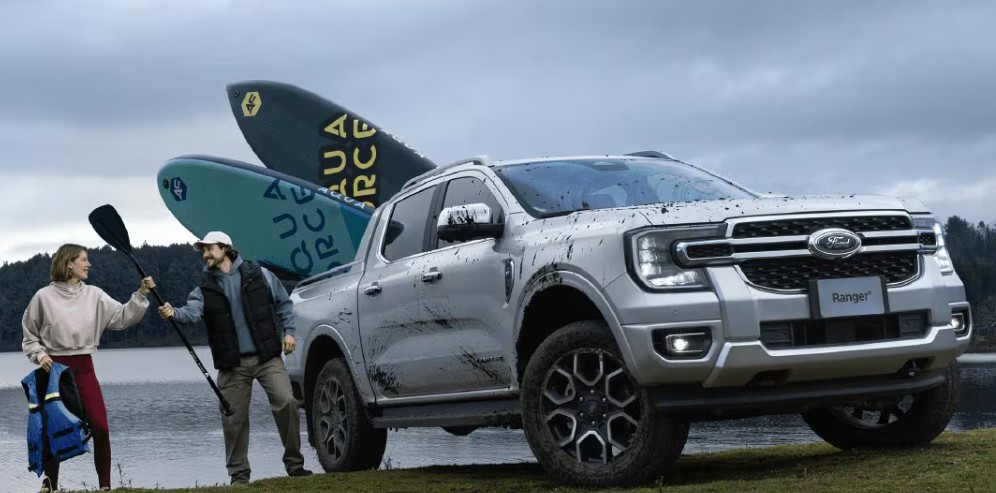
Yes, Ford Rangers are generally reliable pickup trucks, particularly when they receive consistent servicing and are used within their intended limits. A well-maintained Ranger can deliver many years of dependable work, commuting, towing, and off-road driving.
However, that simple answer needs context.
The Ford Ranger has been sold across numerous markets, with different engines, transmissions, emissions systems, and model generations. A diesel Ranger in Australia or New Zealand is not mechanically identical to a petrol Ranger sold in the United States. Reliability can also vary dramatically between a carefully maintained family truck and a neglected workhorse that has spent years towing overloaded trailers through mud.
So, are Ford Rangers reliable enough to buy with confidence? We would say yes—but the model year, engine, transmission, maintenance history, and previous use matter more than the badge on the grille.
Let us break down the good, the bad, and the oily.
Content in this publication
- How Reliable Is the Ford Ranger Overall?
- How Long Can a Ford Ranger Last?
- Are New Ford Rangers Reliable?
- Are Older Ford Rangers Reliable?
- Which Ford Ranger Engines Are Most Reliable?
- Are Ford Ranger Transmissions Reliable?
- Common Ford Ranger Reliability Problems
- Do Ford Rangers Have Many Recalls?
- Does Towing Reduce Ford Ranger Reliability?
- Does Off-Road Driving Make Rangers Unreliable?
- Are Modified Ford Rangers Reliable?
- How Expensive Is a Ford Ranger to Maintain?
- How to Make a Ford Ranger More Reliable
- What Should We Check Before Buying a Used Ford Ranger?
- Which Used Ford Ranger Should We Avoid?
- Are Ford Rangers Reliable Compared With Rivals?
- Is a Ford Ranger a Good Family Vehicle?
- Is a Ford Ranger Good for Daily Driving?
- Should We Buy a Ford Ranger?
- Final Verdict: Are Ford Ranger Reliable Trucks?
- Frequently Asked Questions
How Reliable Is the Ford Ranger Overall?
The Ford Ranger has built a strong reputation as a durable midsize pickup. It is commonly used by families, tradespeople, farmers, emergency services, fleet operators, and off-road enthusiasts. Trucks do not earn that kind of following by being fragile ornaments.
Most Rangers have a tough ladder-frame chassis, practical drivetrain options, and components designed to handle demanding conditions. When serviced properly, they can tolerate high annual mileage better than many ordinary passenger vehicles.
That does not mean every Ranger is flawless.
Modern models contain turbochargers, diesel particulate filters, complex automatic transmissions, driver-assistance systems, electronic modules, and emissions-control equipment. These systems improve performance, efficiency, comfort, and safety, but they also create more possible failure points.
Our overall verdict looks like this:
- General durability: Good
- Engine longevity: Good with correct servicing
- Transmission durability: Fair to good, depending on the version
- Electrical reliability: Average
- Off-road toughness: Very good
- Maintenance costs: Moderate
- Tolerance for neglect: Lower on newer diesel models
- Used-buying risk: Highly dependent on service history
In other words, the Ranger is usually dependable, but it is not maintenance-proof. Treat it like a machine rather than a mountain goat with a registration plate.
How Long Can a Ford Ranger Last?
A properly maintained Ford Ranger can often cover 200,000 miles or approximately 320,000 kilometres. Some examples travel considerably farther, especially when they spend most of their lives on open roads and receive preventive maintenance.
Mileage alone does not tell the full story.
A Ranger with 180,000 kilometres of relaxed highway driving may be healthier than one with 90,000 kilometres accumulated through:
- Short urban journeys
- Heavy towing
- Mining or construction work
- Deep-water crossings
- Beach driving
- Repeated off-road use
- Poor servicing
- Long engine-idling periods
Engine hours, operating conditions, and maintenance quality can be more revealing than the odometer.
A high-mileage Ranger with detailed invoices, clean fluids, smooth operation, and one careful owner may be a sensible purchase. A low-mileage example with incomplete records, oversized tyres, a heavy suspension lift, and dried mud inside the chassis deserves far more suspicion.
What Helps a Ranger Reach High Mileage?
Long-lived Rangers usually share several habits:
- Oil and filters are changed on schedule.
- The correct fluid specifications are used.
- Cooling-system problems are repaired immediately.
- Transmission fluid is not ignored forever.
- Diesel models complete regular longer journeys.
- Towing limits are respected.
- Timing-belt requirements are followed where applicable.
- Warning lights are diagnosed rather than covered with tape.
- Rust prevention is taken seriously in coastal regions.
- Recalls and service campaigns are completed promptly.
Reliability is rarely an accident. It is usually the result of hundreds of small, sensible decisions.
Are New Ford Rangers Reliable?
Current-generation Rangers are sophisticated, capable, and generally well engineered. They offer stronger performance, improved safety equipment, more comfortable cabins, and advanced towing technology compared with older trucks.
Yet extra sophistication changes the reliability equation.
A modern Ranger may include:
- Turbocharged petrol or diesel engines
- Ten-speed automatic transmissions
- Electronic four-wheel-drive controls
- Diesel particulate filters
- Selective catalytic reduction systems
- Touchscreen infotainment
- Parking sensors and cameras
- Radar-based safety features
- Electronic trailer-assistance systems
- Over-the-air software functions
These systems do not automatically make the truck unreliable. They simply mean that diagnosis and repair may require specialist equipment.
New Rangers also benefit from factory warranty protection. Ford Australia states that eligible new vehicles collected from May 2018 onward receive a five-year, unlimited-kilometre warranty, subject to applicable conditions. Ford New Zealand lists five-year or 150,000-kilometre coverage for post-MY2019 Ranger vehicles, whichever comes first. Coverage differs by country, so buyers should confirm the exact terms locally.
Does a Long Warranty Prove Reliability?
Not entirely.
A warranty shows that the manufacturer will cover qualifying defects during a specified period. It does not guarantee that no faults will occur, and it does not cover every form of wear, damage, modification, misuse, or neglected maintenance.
Still, strong factory coverage can reduce the financial risk of buying a new Ranger. It also gives owners a reason to report minor problems early instead of waiting until they become expensive.
Are Older Ford Rangers Reliable?
Older Rangers can be extremely durable because many use simpler mechanical systems. Some have fewer electronic modules, less complicated emissions equipment, and relatively straightforward engines.
That simplicity has real value.
A basic older Ranger may be easier and cheaper for an independent mechanic to maintain. Replacement parts can be widely available, and common faults are often well understood.
The problem is age.
Even a fundamentally reliable truck can develop:
- Brittle coolant hoses
- Oil leaks
- Worn suspension bushes
- Corroded electrical connections
- Failing engine mounts
- Tired injectors
- Worn universal joints
- Rusted brake components
- Weak batteries and alternators
- Cracked rubber seals
Older Rangers should therefore be judged on condition, not reputation alone. A durable design can still be destroyed by fifteen years of neglect.
Which Ford Ranger Engines Are Most Reliable?
Engine availability depends heavily on the country and model year. Globally, Ranger buyers may encounter four-cylinder petrol engines, EcoBoost petrol engines, older diesel units, 2.0-litre bi-turbo diesels, 2.2-litre diesels, 3.2-litre five-cylinder diesels, and newer V6 powertrains.
No engine is perfect for every owner.
The 2.2-Litre Diesel Ranger
The 2.2-litre diesel is often regarded as a practical balance between efficiency, simplicity, and usable torque. It may not feel as muscular as the larger engines, but it is usually capable enough for everyday driving and moderate commercial use.
Potential concerns may include:
- Injector wear
- Turbocharger hose problems
- Exhaust-gas-recirculation deposits
- Diesel particulate filter issues
- Cooling-system leaks
- Sensor failures
Most of these concerns are manageable when the truck is serviced properly and driven in a way that allows the emissions system to function correctly.
The 3.2-Litre Five-Cylinder Diesel
The 3.2-litre diesel has a strong following because of its torque, distinctive character, and towing ability. Many examples have completed substantial mileage.
Its reputation is reasonably solid, but buyers should not treat it as indestructible.
Possible trouble areas include:
- Exhaust-gas-recirculation components
- Cooling-system faults
- Oil leaks
- Injector problems
- Turbocharger wear
- Intake deposits
- Diesel particulate filter blockage
- Accessory-drive or belt-related maintenance
A 3.2-litre Ranger that has been serviced carefully can be an excellent long-term truck. One that has been overheated, poorly tuned, or subjected to questionable modifications can become a very expensive project.
The Oil-Change Detail That Matters
On some engines, careless servicing procedures can create complications. Owners and technicians should follow the manufacturer’s exact oil-change method rather than assuming every diesel engine is identical.
This is a useful general lesson: the mechanic’s familiarity with the specific Ranger powertrain matters almost as much as the service interval itself.
The 2.0-Litre Bi-Turbo Diesel
The 2.0-litre bi-turbo diesel delivers impressive performance from a relatively small displacement. It feels responsive, produces useful torque, and works well with the ten-speed automatic transmission when everything is operating correctly.
Its complexity is the trade-off.
Two turbochargers, advanced emissions controls, numerous sensors, and a sophisticated transmission create more components that may eventually require attention.
That does not make the engine inherently unreliable. It means buyers should insist on:
- Complete service documentation
- Correct low-ash engine oil
- Evidence of timely belt maintenance
- Smooth cold starting
- Healthy turbocharger response
- No unexplained warning lights
- No excessive smoke
- No abnormal engine noise
A neglected bi-turbo Ranger can hide an expensive future bill behind an impressively clean dashboard.
The Newer V6 Engines
Newer V6 Rangers offer excellent torque and relaxed performance. They are particularly appealing to owners who tow, travel long distances, or simply prefer an engine that does not feel breathless under load.
Because these versions are newer, their complete long-term reliability record is still developing. Early ownership experience can reveal manufacturing defects and software issues, but it cannot fully show how a powertrain will behave after fifteen years and several hundred thousand kilometres.
You may be interested in reading Are Ford Ranger Reliable? A Complete Ownership Guide
We would not automatically avoid the V6. We would simply keep expectations realistic and maintain it meticulously.
Are Ford Ranger Transmissions Reliable?
Ford Rangers have used several manual and automatic transmissions. Reliability varies by generation, maintenance, software calibration, and working conditions.
Manual Ranger Gearboxes
Manual transmissions can be durable, especially when drivers change gears smoothly and avoid overloading the clutch.
Common wear items include:
- Clutch discs
- Dual-mass flywheels
- Release bearings
- Hydraulic clutch components
- Gearbox mounts
- Synchros
A manual gearbox may feel simple, but a clutch and flywheel replacement can still be costly. During a test drive, watch for clutch slip, vibration, difficulty selecting gears, or a biting point close to the top of the pedal travel.
Six-Speed Automatic Transmissions
Many six-speed automatic Rangers provide long service when they receive proper maintenance and are not overheated through excessive towing.
Possible symptoms of trouble include:
- Harsh engagement
- Delayed shifts
- Shuddering
- Fluid leaks
- Gear hunting
- Limp-mode operation
- Torque-converter vibration
The phrase “sealed for life” should not be interpreted as “fluid blessed with immortality.” Fluid degrades through heat, contamination, and repeated use. Owners who tow regularly may benefit from more cautious maintenance than the bare minimum schedule.
Ten-Speed Automatic Transmissions
The ten-speed automatic improves performance and fuel efficiency by keeping the engine near its ideal operating range. When operating well, it changes gears quickly and supports excellent towing performance.
Some owners may notice busy shifting, hesitation, abrupt changes, or adaptation-related behaviour. Software updates, correct fluid levels, and diagnostic procedures can sometimes improve operation. Mechanical problems are also possible, so persistent harshness should not be dismissed as “just how they drive.”
In the United States, an official 2025 recall report covered certain 2024–2025 vehicles because an incorrectly machined transmission valve body could cause a park-related malfunction or unexpected vehicle movement. A recall does not mean every Ranger is affected; owners should check the VIN rather than relying only on the model year.
Common Ford Ranger Reliability Problems
No pickup reaches old age without collecting a few battle scars. The following concerns are worth checking, particularly on used Rangers.
Diesel Particulate Filter Problems
The diesel particulate filter traps soot and burns it off during regeneration. Frequent short journeys can prevent the exhaust from reaching the necessary operating conditions.
Possible symptoms include:
- A DPF warning light
- Reduced power
- Increased fuel use
- Frequent regeneration
- Cooling fans running after shutdown
- A rising engine-oil level
- Limp mode
Diesel Rangers generally suit drivers who regularly complete longer journeys. Using one only for repeated five-minute trips is like buying hiking boots for the living room.
EGR and Intake Deposits
Exhaust-gas-recirculation systems help control emissions, but soot and oily vapour may accumulate in the intake system over time.
Heavy deposits can contribute to:
- Uneven performance
- Reduced fuel economy
- Hesitation
- Warning lights
- Increased smoke
- Restricted airflow
Correct diagnosis is important because similar symptoms can come from sensors, injectors, turbo hoses, or fuel-system problems.
Turbocharger and Intercooler Hose Issues
Turbocharged engines depend on sealed intake plumbing. A split or loose hose may cause reduced power, hissing sounds, black smoke, or an underboost fault.
Fortunately, a hose problem can be much cheaper than a failed turbocharger. Unfortunately, ignoring it may place extra stress on other components.
Cooling-System Problems
Overheating is one of the fastest ways to turn a reliable diesel into a large metal paperweight.
Owners should monitor:
- Coolant level
- Hose condition
- Radiator condition
- Water-pump performance
- Thermostat operation
- Cooling-fan behaviour
- Signs of oil or coolant mixing
A temperature warning deserves immediate attention. Continuing to drive an overheating Ranger can transform a modest cooling repair into major engine work.
Electrical and Infotainment Faults
Modern Rangers may experience battery-related warnings, sensor issues, touchscreen freezing, camera faults, keyless-entry problems, or software glitches.
A weak battery can cause a surprising collection of apparently unrelated errors. Before replacing several expensive modules, a technician should test the battery, charging system, grounds, and electrical connections.
Suspension and Steering Wear
Rangers regularly operate on rough roads, carry heavy equipment, and tow trailers. Suspension components naturally absorb the punishment.
Inspect:
- Ball joints
- Tie-rod ends
- Wheel bearings
- Shock absorbers
- Leaf springs
- Control-arm bushes
- Steering racks
- Driveshaft joints
Clunks, uneven tyre wear, wandering steering, or vibration should be investigated before purchase.
Rust and Corrosion
Rust risk depends on climate and previous use. Coastal air, salted winter roads, farm chemicals, and beach driving can accelerate corrosion.
Pay special attention to:
- Chassis rails
- Suspension mounting points
- Brake lines
- Tow-bar mounts
- Body seams
- Underbody protection
- Electrical earth points
A freshly painted chassis is not always a gift. Sometimes it is camouflage wearing work boots.
Do Ford Rangers Have Many Recalls?
Rangers, like most mass-produced vehicles, have been subject to recalls in different countries and model years. A recall indicates that a specific safety or compliance problem has been identified; it does not automatically prove poor overall durability.
For example, NHTSA published recall documentation involving certain 2025 Rangers for an ejection-mitigation compliance concern. Another 2026 report referenced a fire investigation involving the right A-pillar area of a 2024 Ranger. Applicability depends on production dates, specifications, and VIN.
Older Rangers may also be affected by serious Takata airbag recalls. NHTSA has urged owners of affected vehicles to check their VIN and complete repairs, noting that defective inflators can rupture and cause severe injury or death.
The practical message is simple: never assume a recall has been completed merely because a truck has changed owners.
How to Check a Ranger for Recalls
Use the truck’s VIN to search:
- Ford’s official recall portal
- The relevant national vehicle-safety authority
- An authorised Ford dealership
- The vehicle’s service documentation
Ford’s official recall service allows owners to search by VIN, while NHTSA provides recall searches and alerts for vehicles in the United States.
Does Towing Reduce Ford Ranger Reliability?
Towing does not automatically damage a Ranger. It is one of the main reasons the truck exists.
Problems arise when owners exceed legal limits, ignore payload, use an unsuitable hitch, tow with incorrect tyre pressures, or repeatedly overheat the drivetrain.
Remember that towing capacity is only one number. Owners must also consider:
- Gross vehicle mass
- Gross combined mass
- Rear-axle load
- Tow-ball download
- Passenger weight
- Cargo weight
- Accessories
- Canopies and drawer systems
- Fuel and water
- Local licensing rules
A Ranger can be below its advertised towing limit and still exceed another legal weight rating.
How to Protect a Ranger While Towing
Before frequent towing:
- Confirm all weight limits.
- Service the cooling system.
- Inspect brakes and tyres.
- Use the correct tow-bar equipment.
- Reduce speed in extreme heat.
- Avoid aggressive acceleration.
- Consider more frequent fluid inspections.
- Do not ignore transmission shudder.
- Keep the radiator and intercooler clean.
- Allow sensible warm-up and cool-down periods.
Towing reliability is less about heroics and more about heat management.
Does Off-Road Driving Make Rangers Unreliable?
A Ranger is designed to handle rough conditions, but off-road use accelerates wear. Mud, sand, water, dust, stones, steep climbs, and suspension articulation affect components that may live an easy life on a paved road.
After demanding off-road use, inspect:
- Air filters
- Brake components
- Underbody protection
- Differential breathers
- Driveshafts
- Wheel bearings
- Electrical connectors
- Radiators and intercoolers
- Suspension bushes
- Tyres and sidewalls
Water crossings deserve special caution. A snorkel does not make the entire vehicle waterproof. Differentials, transmissions, electronic modules, alternators, and cabin connections may still be vulnerable.
Are Modified Ford Rangers Reliable?
They can be—but modifications add variables.
A modest, professionally installed upgrade may improve suitability for a particular job. Poorly selected modifications can damage ride quality, steering geometry, braking, fuel economy, transmission behaviour, and drivetrain longevity.
Reliability risks may increase with:
- Extreme suspension lifts
- Oversized tyres
- Aggressive engine tuning
- Emissions-system deletion
- Cheap electrical accessories
- Incorrectly installed dual-battery systems
- Heavy steel accessories
- Excessive constant load
- Poor-quality snorkels
- Unbalanced wheel and tyre combinations
Larger tyres effectively alter gearing and place more strain on wheel bearings, brakes, steering components, and transmissions. Extra accessories also reduce available payload.
You may be interested in readingAre Ford Ranger Reliable? A Complete Ownership GuideYou may be interested in reading
Which Ford Ranger Should I Buy? A Complete Buyer’s GuideWhen buying used, a standard Ranger is usually easier to assess than one dressed like it is auditioning for an action film.
How Expensive Is a Ford Ranger to Maintain?
Ranger maintenance costs are generally moderate for a modern pickup. They will usually be higher than those of a small hatchback but may be reasonable compared with larger trucks or premium four-wheel drives.
Routine expenses include:
- Engine oil and filters
- Fuel filters
- Air filters
- Brake servicing
- Tyres
- Transmission and differential fluids
- Timing-belt replacement where required
- Coolant
- Batteries
- Diesel-emissions maintenance
Costs rise quickly when repairs involve injectors, turbochargers, automatic transmissions, diesel particulate filters, electronic modules, or major engine work.
The cheapest Ranger to purchase is not always the cheapest to own. A neglected bargain can swallow money like a drain with the plug removed.
How to Make a Ford Ranger More Reliable
The most effective reliability improvements are not glamorous.
Follow the Correct Service Schedule
Use the schedule for the exact model, engine, transmission, market, and operating conditions. A generic internet checklist cannot replace the owner’s manual.
Trucks used for towing, dusty roads, frequent idling, short trips, or severe climates may require additional attention.
Use the Correct Fluids
Modern engines and transmissions can be sensitive to fluid specifications. “Close enough” may not be close enough.
Incorrect engine oil can affect:
- Turbocharger lubrication
- Emissions equipment
- Timing components
- Cold-start protection
- Fuel economy
- Internal deposits
Keep invoices showing the exact fluids used.
Do Not Ignore Small Symptoms
Early warning signs often include:
- A slight coolant loss
- A new vibration
- Occasional hard shifting
- Longer cranking
- Unusual turbo noise
- A battery warning
- Intermittent limp mode
- Rising oil level
- Uneven tyre wear
Small symptoms are whispers. Major repairs are those same problems using a loudspeaker.
Drive a Diesel Appropriately
Diesel Rangers benefit from regular journeys long enough to reach operating temperature and complete emissions-system regeneration.
Drivers who only make short urban trips may be better suited to a petrol model where available.
Check for Software Updates and Recalls
Some drivability, transmission, infotainment, or safety concerns may be addressed through manufacturer updates or recall work.
Keep the VIN registered with Ford or the relevant national system so important notices reach the current owner.
What Should We Check Before Buying a Used Ford Ranger?
A proper inspection should go far beyond kicking the tyres and admiring the grille.
Used Ranger Inspection Checklist
Check the following:
- Complete service history
- Correct servicing intervals
- Current recall status
- Cold-start behaviour
- Exhaust smoke
- Coolant level and condition
- Engine-oil level
- Oil or coolant leaks
- Transmission shift quality
- Four-wheel-drive engagement
- Differential noise
- Suspension knocks
- Steering accuracy
- Brake performance
- Uneven tyre wear
- Chassis corrosion
- Evidence of accident damage
- Signs of flood or deep-water exposure
- Trailer-brake wiring
- Aftermarket modifications
- Dashboard warning lights
- Diagnostic fault codes
A pre-purchase inspection by a mechanic familiar with Rangers is money well spent. The inspection should ideally include a diagnostic scan and underbody examination.
Why a Cold Start Matters
Ask the seller not to warm the engine before you arrive.
A cold start can reveal:
- Difficult starting
- Injector noise
- Timing-related rattles
- Excessive smoke
- Weak batteries
- Uneven idle
- Coolant leaks
A conveniently warm engine may be innocent—or it may be hiding the mechanical equivalent of a morning cough.
Which Used Ford Ranger Should We Avoid?
It is more useful to avoid bad examples than to condemn an entire year.
Walk away from a Ranger with:
- Missing service records
- Persistent overheating
- Serious chassis rust
- Undiagnosed transmission shudder
- Multiple dashboard warnings
- Evidence of flood damage
- Poorly installed modifications
- Suspiciously fresh underbody paint
- Heavy smoke after warm-up
- Unexplained coolant loss
- Engine-oil contamination
- Mismatched tyres
- A seller who refuses an inspection
Certain years may experience more recalls or recurring complaints in specific markets, but condition and maintenance remain crucial. Two trucks built in the same month can live completely different lives.
Are Ford Rangers Reliable Compared With Rivals?
The Ranger competes with trucks such as the Toyota Hilux, Isuzu D-Max, Mitsubishi Triton, Nissan Navara, Chevrolet Colorado, GMC Canyon, and Volkswagen Amarok.
The Ranger often stands out for:
- Strong performance
- Excellent towing ability
- Comfortable road manners
- Broad model choice
- Modern technology
- Good parts availability
- A large dealer network in many regions
Some rivals may use simpler drivetrains or have reputations for tolerating neglect. The Ranger often feels more refined and powerful, but that sophistication can lead to higher repair costs when complex systems fail.
No competitor is immune from problems. The best choice depends on local parts supply, dealer competence, intended use, engine preference, and the condition of the individual truck.
Is a Ford Ranger a Good Family Vehicle?
For many households, yes.
A double-cab Ranger can combine passenger room, cargo space, towing ability, and off-road capability. It works well for camping, boating, cycling, home projects, and long-distance travel.
However, buyers should consider:
- Rear-seat space
- Child-seat installation
- Urban parking
- Fuel costs
- Ride comfort when unloaded
- Overall height
- Tyre replacement costs
- Load security
- Safety equipment by trim level
A pickup bed is useful, but groceries and luggage need weatherproof storage. A canopy or secure cover may be essential for family use.
Is a Ford Ranger Good for Daily Driving?
Modern Rangers are considerably easier to drive than old commercial pickups. Many provide comfortable seats, responsive engines, good visibility, cameras, parking sensors, and advanced safety systems.
The disadvantages are predictable:
- They are longer than ordinary cars.
- They can feel stiff without cargo.
- Large tyres may create road noise.
- Fuel use is higher than in a compact vehicle.
- Tight parking structures can be annoying.
- Diesel emissions systems dislike endless short trips.
For mixed driving, weekend travel, and practical work, a Ranger can be an excellent all-rounder. For nothing but short city journeys, it may be more truck than we need.
Should We Buy a Ford Ranger?
A Ford Ranger is worth considering when we need a versatile pickup that can tow, carry equipment, travel off-road, and still behave comfortably on ordinary roads.
It is especially appealing when:
- The service history is complete.
- The engine suits our driving pattern.
- We have access to a competent workshop.
- The truck has not been overloaded.
- Modifications are limited and professional.
- The transmission operates smoothly.
- All recalls are complete.
- The purchase price leaves room for maintenance.
We should be more cautious when the vehicle has uncertain history, signs of overheating, extensive tuning, major suspension alterations, or unresolved transmission behaviour.
Final Verdict: Are Ford Ranger Reliable Trucks?
Yes, Ford Rangers are reliable trucks overall, but their durability depends heavily on maintenance, operating conditions, and the exact powertrain.
Older Rangers can be appealing for their relative simplicity. Newer Rangers provide stronger performance, safety, refinement, and technology, although their complex engines, transmissions, emissions systems, and electronics require disciplined maintenance.
A good Ranger feels like a dependable multi-tool: ready for commuting on Monday, towing on Friday, and finding a muddy campsite on Saturday. A neglected one can become equally versatile at generating warning lights and repair invoices.
The smartest buying strategy is not to search for a mythical model that never breaks. Instead, look for a Ranger with transparent history, careful ownership, appropriate use, smooth operation, and evidence of preventive maintenance.
Buy the condition. Verify the history. Inspect the truck. Then maintain it as though you plan to keep it for a decade.
That is how a Ford Ranger becomes reliable.
Frequently Asked Questions
1. Are Ford Rangers reliable after 100,000 miles?
Yes, many Ford Rangers remain dependable beyond 100,000 miles when they have received regular oil changes, cooling-system care, transmission maintenance, and timely repairs. At this mileage, condition and service history are more important than age alone.
2. What is the most common Ford Ranger problem?
There is no single problem affecting every Ranger. Common concerns may include diesel particulate filter blockage, EGR deposits, turbo hoses, transmission shift issues, electrical faults, and suspension wear. The likely problem depends on the engine, year, market, and vehicle use.
3. Are diesel Ford Rangers reliable?
Diesel Rangers are generally reliable when serviced with the correct oil and driven regularly over sufficient distances. Repeated short trips may contribute to DPF and EGR problems, so diesel models are best suited to owners who complete longer journeys or regularly carry and tow loads.
4. Is the Ford Ranger expensive to repair?
Routine servicing is usually reasonable for a midsize pickup, but major repairs can be expensive. Turbochargers, injectors, automatic transmissions, diesel particulate filters, and electronic modules may create substantial bills. A pre-purchase inspection reduces the chance of buying a truck with hidden problems.
You may be interested in readingAre Ford Ranger Reliable? A Complete Ownership GuideYou may be interested in reading
Which Ford Ranger Should I Buy? A Complete Buyer’s GuideYou may be interested in reading
What Ford Ranger Engine Is Best? Complete Buyer’s Guide5. What mileage is too high for a used Ford Ranger?
There is no universal maximum. A properly maintained Ranger with 200,000 kilometres may be a better purchase than a neglected truck with half that distance. Review service records, previous use, engine condition, transmission behaviour, corrosion, modifications, and diagnostic results before deciding.
If you want to know other articles similar to Are Ford Ranger Reliable? A Complete Ownership Guide you can visit the category Blog.
Volvo S90 Reliability: Problems, Costs & Best Years
Is Haval Jolion a Good Car? Honest Review, Reliability, Pros and Cons
How to Start Haval Jolion With Spare Key: Complete Guide
How to Calculate Per Diem on an Auto Loan

How to Calculate the Residual Value of a Car

Is the Honda Passport Selling Well? Sales Numbers Tell the Story
Leave a Reply
More content of your interest