

Are Ford Ranger Reliable? A Complete Ownership Guide

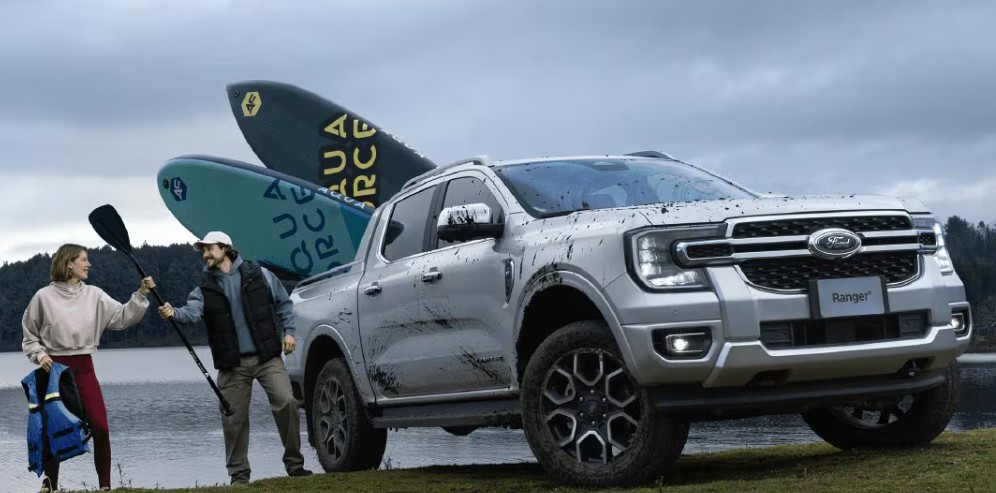
The Ford Ranger has built its reputation by doing jobs that would make an ordinary vehicle quietly reverse into the garage. It tows trailers, crosses muddy tracks, carries tools, handles family duties, and still fits into spaces where a full-size pickup may feel like a ship entering a narrow canal.
But are Ford Ranger reliable, or does the rugged image hide expensive mechanical problems?
Generally, the Ford Ranger is a reasonably reliable midsize pickup, particularly when it receives regular servicing and is used within its payload and towing limits. However, reliability varies considerably by generation, engine, transmission, maintenance history, and operating conditions.
Some Rangers run for hundreds of thousands of miles with little more than routine servicing. Others experience transmission hesitation, diesel-system trouble, electrical faults, cooling issues, or premature wear caused by heavy towing and off-road use.
That means the most honest answer is not a simple yes or no.
We need to look beneath the badge.
Content in this publication
- Are Ford Ranger Reliable Overall?
- What Makes a Ford Ranger Reliable?
- How Long Does a Ford Ranger Last?
- Which Ford Ranger Generation Is Most Reliable?
- Are Ford Ranger Engines Reliable?
- Are Ford Ranger Transmissions Reliable?
- Common Ford Ranger Problems
- Are Ford Ranger Reliable for Towing?
- Are Ford Ranger Reliable Off Road?
- Do Ford Ranger Recalls Mean the Truck Is Unreliable?
- How Maintenance Changes Ford Ranger Reliability
- How to Inspect a Used Ford Ranger
- Should We Avoid Modified Ford Rangers?
- Ford Ranger Reliability Compared With Rivals
- Who Should Buy a Ford Ranger?
- Final Verdict: Are Ford Ranger Reliable?
- Frequently Asked Questions
Are Ford Ranger Reliable Overall?
Yes, Ford Rangers can be reliable, but they are not flawless.
The Ranger’s strongest qualities include its durable chassis, capable engines, widely available parts, respectable towing ability, and practical construction. Properly maintained examples frequently remain useful long after their interiors begin showing their age.
Reliability becomes less predictable when we consider:
- Different engines sold across international markets
- Automatic versus manual transmissions
- Two-wheel-drive and four-wheel-drive systems
- Previous commercial or off-road use
- Incomplete maintenance records
- Modifications and performance tuning
- Heavy towing over long distances
- Individual model-year recalls
Consumer Reports has described the 2024 Ranger as having approximately average reliability compared with other vehicles from the same model year, while its 2025 assessment was less favorable. These ratings also highlight owner-reported concerns involving transmission behavior and electrical equipment.
That variation illustrates an important point: a Ranger’s reliability cannot be judged by the model name alone.
What Makes a Ford Ranger Reliable?
The Ranger was designed as a working pickup rather than a delicate lifestyle accessory. Its underlying construction is one reason so many examples survive demanding conditions.
A Tough Body-on-Frame Platform
Unlike car-based crossovers, most Rangers use body-on-frame construction. The body and ladder-style chassis are separate structures, creating a strong foundation for carrying loads, towing trailers, and travelling over uneven ground.
This does not make the vehicle indestructible. It does, however, give the Ranger the sturdy backbone expected from a genuine pickup.
Proven Engine Families
Depending on the country, generation, and year, Ford has offered the Ranger with numerous petrol and diesel engines. Common options have included:
- 2.2-litre four-cylinder diesel
- 2.5-litre petrol engine
- 3.0-litre diesel
- 3.2-litre five-cylinder diesel
- 2.0-litre single-turbo diesel
- 2.0-litre bi-turbo diesel
- 2.3-litre EcoBoost petrol engine
- 2.7-litre EcoBoost V6
- 3.0-litre diesel V6
- High-output engines used in the Ranger Raptor
Several of these engines can deliver long service lives. The catch is that modern turbocharged engines require disciplined maintenance. Ignoring oil quality, coolant condition, filter replacements, or warning lights is like asking a marathon runner to compete without water.
It may work for a while, but the bill eventually arrives.
Good Parts and Repair Support
Because the Ranger is sold widely, replacement parts and experienced mechanics are usually easier to find than they are for rare or discontinued pickups.
Parts availability does not guarantee low repair costs. Modern diesel injectors, turbochargers, automatic transmissions, emissions components, sensors, and electronic modules can still be expensive. Nevertheless, a broad service network improves the chances of diagnosing and fixing problems without weeks of searching.
How Long Does a Ford Ranger Last?
A well-maintained Ford Ranger may cover approximately 200,000 miles or 320,000 kilometres, and some examples travel considerably farther.
We should treat that figure as a possibility rather than a promise.
Mileage alone does not determine remaining life. A carefully maintained Ranger with 150,000 miles may be a better purchase than a neglected truck with only 70,000 miles.
A vehicle’s longevity depends on:
- Service frequency
- Oil and fluid quality
- Driving conditions
- Towing and payload history
- Engine warm-up and cool-down habits
- Corrosion exposure
- Previous repairs
- Modification quality
- Driver behaviour
- Availability of preventive maintenance
A Ranger used gently on open roads may age differently from one that spends every weekday pulling equipment through dust, mud, and steep terrain.
Mileage Matters Less Than Maintenance
Buyers often fear a six-digit odometer reading. Yet a thick folder of invoices may be more reassuring than suspiciously low mileage with no documented history.
Regular oil changes, transmission servicing, cooling-system maintenance, fuel-filter replacement, and timely repairs can add years to a pickup’s useful life.
Low mileage cannot reverse neglect.
Which Ford Ranger Generation Is Most Reliable?
The Ranger has been produced in several forms around the world, so there is no universally perfect generation.
Older Compact Ford Rangers
Older North American Rangers earned a reputation for simplicity and durability. Many used naturally aspirated petrol engines, basic automatic or manual gearboxes, and relatively limited electronics.
Their simplicity is appealing, but age introduces its own problems:
- Rust
- Perished rubber components
- Oil leaks
- Worn suspension
- Tired cooling systems
- Corroded wiring
- Previous accident damage
- Scarce trim pieces
An older Ranger may have fewer computers, but it may also have spent 20 years being overloaded, repaired cheaply, and parked outside.
Why Simplicity Helps
Mechanical simplicity generally means fewer sensors, electronic modules, emissions devices, and software-controlled systems that can fail.
It also means older trucks often feel agricultural. Cabin refinement, crash protection, fuel efficiency, and comfort may trail newer models considerably.
The Global T6 Ford Ranger
The T6 Ranger became a major international success because it combined work-truck strength with improved comfort, safety, and technology.
Good examples can be dependable. However, the T6 platform has been offered with many powertrains, meaning one blanket reliability verdict would be misleading.
The 2.2-litre and 3.2-litre diesel engines are widely understood by independent specialists. Their age and popularity make parts and repair knowledge relatively accessible.
Later 2.0-litre diesel models offer better performance and efficiency, but their added complexity can create more potential failure points.
The Latest-Generation Ford Ranger
The newest Ranger is more comfortable, technologically advanced, and sophisticated than its predecessors. It also contains more cameras, sensors, software, driver-assistance equipment, and electronic control modules.
That sophistication is a double-edged sword.
The truck may drive better and offer more features, but there are more systems that can develop glitches. Recent Rangers have also been involved in multiple safety campaigns, so buyers should check the vehicle identification number rather than assuming every example is unaffected. The official NHTSA vehicle database allows owners to review recalls by model and VIN.
A newer truck may therefore be mechanically sound while still requiring software updates or recall work.
Are Ford Ranger Engines Reliable?
Most Ranger engines are capable of good service lives when correctly maintained. Their reliability is closely tied to oil changes, cooling-system care, fuel quality, and workload.
Ford Ranger 2.2 Diesel Reliability
The 2.2-litre diesel is often viewed as a sensible choice because it balances fuel economy, adequate torque, and relatively familiar mechanical construction.
Potential concerns may include:
- Diesel injector wear
- Exhaust gas recirculation contamination
- Diesel particulate filter blockage
- Turbocharger hose leaks
- Cooling-system problems
- Oil leaks
- Sensor faults
Drivers who regularly complete longer journeys may experience fewer diesel particulate filter problems than owners who use the truck almost exclusively for short urban trips.
A diesel engine needs opportunities to reach proper operating temperature. Constant short journeys can be like waking someone every ten minutes and expecting them to remain cheerful.
Ford Ranger 3.2 Diesel Reliability
The 3.2-litre five-cylinder diesel is known for strong torque and relaxed performance under load. Many owners value it for towing and long-distance work.
However, repairs can be expensive when problems occur.
Areas worth inspecting include:
- Cooling-system condition
- Injector performance
- Turbocharger operation
- Oil leaks
- Exhaust and emissions equipment
- Automatic transmission behaviour
- Evidence of overheating
- Correct oil level and specification
One particular concern with any used diesel is careless servicing. Incorrect oil, extended service intervals, or poor-quality filters can shorten the life of turbochargers and internal engine components.
Is the 3.2 Ranger Engine Better Than the 2.2?
Not automatically.
You may be interested in reading Which Ford Ranger Should I Buy? A Complete Buyer’s Guide
The 3.2 offers stronger performance and may feel more effortless while towing. The 2.2 is often cheaper to fuel and may be less costly to maintain.
We would choose based on intended use rather than engine size alone:
- Frequent heavy towing: The 3.2 may be more suitable.
- General commuting and lighter work: The 2.2 may be sufficient.
- City-only use: A petrol engine may be more appropriate where available.
- High annual mileage: A well-maintained diesel can make sense.
Ford Ranger 2.0 Bi-Turbo Reliability
The 2.0-litre bi-turbo diesel provides impressive performance from a relatively small engine. It is smooth, powerful, and efficient when operating correctly.
Its complexity is the main concern.
Two turbochargers, sophisticated emissions equipment, extensive electronic management, and advanced automatic transmissions create more possible points of failure than a simpler older diesel.
That does not mean every 2.0 bi-turbo Ranger is unreliable. It means maintenance history matters enormously.
Before purchasing one, we should look for:
- Full servicing documentation
- Correct engine oil
- Clean cold starting
- Smooth power delivery
- No unusual turbo noise
- No excessive smoke
- No warning lights
- Proper transmission operation
- Completed recall and software work
Ford Ranger EcoBoost Petrol Reliability
The 2.3-litre EcoBoost Ranger sold in North America provides strong acceleration and avoids some diesel-specific complications, such as diesel particulate filter regeneration.
The engine is turbocharged, so oil quality and cooling remain essential. Potential concerns can include carbon accumulation, sensor problems, turbocharger wear, coolant leaks, and ignition-system faults.
In the 2019–2023 North American Ranger, the 2.3-litre turbocharged engine was paired with a 10-speed automatic transmission. Consumer Reports noted that the combination delivered responsive performance, although overall ride quality could feel stiff and unsettled.
Are Ford Ranger Transmissions Reliable?
Ford Ranger transmissions are generally durable when serviced and operated properly, but certain automatics have attracted complaints about shifting quality.
Six-Speed Automatic Transmission
The six-speed automatic fitted to many Rangers can last well, particularly when its fluid is maintained.
Common warning signs include:
- Harsh gear changes
- Delayed engagement
- Shuddering
- Transmission overheating
- Fluid leaks
- Gear hunting
- Limp-mode activation
Some manufacturers describe transmission fluid as long-life or filled for an extended period. In real-world working vehicles, especially those used for towing, preventive fluid replacement may be worthwhile.
“Lifetime fluid” can be a slippery phrase. Whose lifetime are we discussing—the fluid’s, the transmission’s, or the owner’s patience?
Ten-Speed Automatic Transmission
The 10-speed automatic offers close gear ratios and can keep the engine in an efficient operating range. However, some owners report hesitation, abrupt downshifts, gear hunting, or hard changes.
Consumer Reports has included rough shifting, hesitation, slipping, and transmission-related concerns among reported trouble areas for newer Rangers.
Some symptoms may improve with software updates or adaptive-learning resets. Others can indicate valve-body, solenoid, sensor, or internal mechanical problems.
A brief test drive is not enough. We should drive the truck:
- When completely cold
- After it reaches operating temperature
- At low speed
- Under moderate acceleration
- On a hill
- During repeated stops
- In reverse
- At motorway or highway speed
Smooth operation in one situation does not prove the transmission is healthy everywhere.
Manual Transmission Reliability
Manual Rangers can be durable, although clutch life depends heavily on the driver and workload.
A truck that has spent years reversing heavy trailers uphill may need a clutch much sooner than a lightly used private vehicle.
Look for:
- Clutch slipping
- A high biting point
- Gear-selection difficulty
- Dual-mass flywheel noise
- Hydraulic leaks
- Vibration while moving away
- Crunching during shifts
Common Ford Ranger Problems
No vehicle is immune to faults, and the Ranger has several recurring problem categories.
Diesel Particulate Filter Trouble
Diesel particulate filters trap soot and periodically burn it away through regeneration. Repeated short trips may prevent complete regeneration, allowing the filter to become restricted.
Symptoms can include:
- Warning lights
- Reduced power
- Higher fuel consumption
- Frequent cooling-fan operation
- Limp mode
- Unusually high idle speed
Owners who drive mostly in congested city traffic should think carefully before buying a modern diesel Ranger.
EGR Valve and Intake Deposits
The exhaust gas recirculation system can accumulate soot and oily residue. Over time, this may restrict airflow or cause valves and sensors to operate incorrectly.
A dirty intake system can lead to rough running, reduced performance, smoke, poor fuel economy, or warning lights.
Turbocharger and Intercooler Hose Issues
A split intercooler hose or loose connection may cause loss of boost pressure. The engine may feel weak, produce unusual sounds, or generate excess smoke.
Not every boost problem means the turbocharger itself has failed. A relatively inexpensive hose can imitate a very expensive fault.
Cooling-System Weaknesses
Cooling-system neglect can turn a manageable repair into engine damage.
We should inspect:
- Coolant level
- Coolant colour
- Radiator condition
- Expansion tank
- Hose connections
- Water-pump area
- Signs of dried coolant
- Temperature stability
- Evidence of previous overheating
A seller who says, “It only overheated once,” is not necessarily offering reassurance.
Electrical and Infotainment Faults
Modern Rangers rely heavily on electronics. Reported problems can involve:
- Touchscreen freezing
- Reversing-camera faults
- Parking-sensor errors
- Battery drain
- Power outlets
- Keyless entry
- Driver-assistance warnings
- Software glitches
- Wiring and connector faults
A broad Ford recall announced in 2025 included certain Rangers because a software problem could cause the rearview-camera image to freeze, appear late, or fail to display. The planned remedy involved a software update.
Electrical trouble may be annoying rather than mechanically catastrophic, but repeated diagnostic visits can still consume time and money.
Suspension and Steering Wear
Rangers driven on rough roads may develop worn:
- Ball joints
- Control-arm bushes
- Shock absorbers
- Tie-rod ends
- Wheel bearings
- Anti-roll-bar links
- Leaf-spring bushes
Clunks, uneven tyre wear, vague steering, or vibration deserve investigation.
Recent Ranger recalls in some markets have also involved safety-critical suspension or steering fasteners. Because recall coverage depends on production date and country, owners should verify the individual VIN rather than relying on general model-year information.
Are Ford Ranger Reliable for Towing?
The Ranger can be a dependable towing vehicle, but towing magnifies weaknesses.
A trailer adds strain to the:
- Engine
- Transmission
- Cooling system
- Brakes
- Rear suspension
- Differential
- Tyres
- Chassis
- Electrical system
A truck may feel perfectly healthy when empty yet overheat or shift poorly with a heavy trailer attached.
Towing Capacity Is Not the Whole Story
The advertised maximum towing figure is only one part of the calculation. We must also consider:
- Gross vehicle mass
- Gross combined mass
- Payload
- Tow-ball load
- Passenger weight
- Accessories
- Cargo
- Local regulations
A heavy tow-ball load reduces the payload available for occupants and equipment.
How Towing Affects Reliability
Frequent towing can shorten fluid life, increase brake wear, raise transmission temperatures, and accelerate suspension fatigue.
A Ranger used regularly near its limits should receive more attentive servicing than one carrying groceries twice a week.
Useful preventive measures include:
- More frequent oil checks
- Earlier transmission-fluid changes
- Cooling-system inspections
- Differential-fluid servicing
- Brake inspections
- Correct tyre pressures
- Trailer-brake maintenance
- Reduced speed in extreme heat
Are Ford Ranger Reliable Off Road?
Yes, the Ranger can be highly capable off road, especially when fitted with four-wheel drive, suitable tyres, underbody protection, and a locking rear differential.
Yet off-road ability should not be confused with immunity to damage.
Mud, water, dust, rocks, and deep ruts can affect:
You may be interested in readingWhich Ford Ranger Should I Buy? A Complete Buyer’s GuideYou may be interested in reading
What Ford Ranger Engine Is Best? Complete Buyer’s Guide- Wheel bearings
- Electrical connectors
- Differential breathers
- Brake components
- Suspension joints
- Underbody panels
- Alternators
- Starter motors
- Air filters
After water crossings, we should inspect drivetrain fluids for contamination. Following dusty travel, air-filter checks become especially important.
A Ranger can behave like a mountain goat, but even a mountain goat needs healthy legs.
Do Ford Ranger Recalls Mean the Truck Is Unreliable?
Not necessarily.
A recall identifies a safety or compliance issue requiring correction. It does not automatically mean every affected vehicle has failed or that the entire model is fundamentally unreliable.
However, a long list of unresolved recalls is still relevant when evaluating ownership risk.
Recall history tells us three things:
- A specific defect has been identified.
- The manufacturer has created or is developing a remedy.
- The owner needs to confirm whether the work was completed.
Recent model years have been subject to several campaigns involving software, cameras, electrical systems, suspension components, and other equipment. Because recall totals can change as new campaigns are announced, current VIN-specific checking is more useful than memorising a fixed number.
A completed recall is generally far less concerning than an ignored one.
How Maintenance Changes Ford Ranger Reliability
Maintenance is the line separating a durable Ranger from a financial headache.
Follow the Correct Service Schedule
At minimum, servicing should cover:
- Engine oil and filter
- Fuel filter
- Air filter
- Coolant
- Brake fluid
- Transmission fluid
- Differential oil
- Transfer-case fluid
- Drive belts
- Battery health
- Tyres and alignment
- Suspension inspection
The exact intervals depend on model year, engine, market, climate, and operating conditions. We should follow the owner’s manual while reducing intervals for severe use when appropriate.
Use the Correct Oil
Modern turbo-diesel and petrol engines require oil meeting specific Ford standards.
Using oil with the wrong viscosity or specification can contribute to:
- Turbocharger wear
- Poor lubrication
- Timing-system damage
- Emissions-system trouble
- Sludge
- Increased oil consumption
The cheapest oil on the shelf may become the most expensive fluid we ever buy.
Do Not Ignore Small Symptoms
A faint whistle, minor coolant loss, occasional hard shift, or intermittent warning light may be an early clue.
Early diagnosis can turn a modest repair into exactly that—a modest repair. Waiting may allow one failing component to damage several others.
How to Inspect a Used Ford Ranger
A used Ranger inspection should be thorough because pickups often experience harder lives than ordinary passenger cars.
Check the Service History
Look for invoices rather than relying solely on stamped service books.
Evidence should include:
- Dates
- Mileage
- Oil specification
- Filter replacements
- Transmission servicing
- Timing-belt work where applicable
- Cooling-system repairs
- Recall completion
- Major component replacements
Inspect It When the Engine Is Cold
Ask the seller not to start the truck before arrival.
A cold start may reveal:
- Timing noise
- Injector rattle
- Smoke
- Weak battery performance
- Rough idle
- Extended cranking
- Warning lights
A pre-warmed engine can hide problems.
Examine the Chassis and Underbody
Look for:
- Rust
- Bent components
- Fresh underseal
- Oil leaks
- Scraped protection plates
- Damaged fuel tanks
- Mud packed into hidden areas
- Signs of heavy off-road use
- Poorly installed accessories
Fresh black coating can be legitimate protection—or makeup applied over corrosion.
Test Every Electrical Feature
Operate the touchscreen, cameras, lights, windows, mirrors, climate control, parking sensors, power outlets, four-wheel-drive controls, and driver-assistance systems.
Electronic faults may not stop the truck from moving, but they can still be costly.
Get an Independent Inspection
A specialist inspection is especially worthwhile for:
- High-mileage trucks
- Modified Rangers
- Former commercial vehicles
- Diesel models
- Vehicles used for towing
- Trucks without full histories
- Vehicles showing warning lights
The price of an inspection is small compared with the cost of a turbocharger, transmission, injector set, or replacement engine.
Should We Avoid Modified Ford Rangers?
Not all modifications are bad. Well-designed accessories can improve touring, towing, or off-road performance.
The problem is poor installation.
Be cautious with:
- Aggressive engine tuning
- Emissions-system removal
- Oversized tyres
- Extreme suspension lifts
- Incorrect wheel offsets
- Cheap wiring
- Unrated towing equipment
- Excessive front-end weight
- Non-compliant lighting
- Homemade underbody work
A heavily tuned Ranger may produce exciting power, but additional boost and torque increase stress on the engine, transmission, cooling system, and driveline.
Modification receipts and professional installation records matter.
Ford Ranger Reliability Compared With Rivals
The Ranger competes with pickups such as the Toyota Hilux, Isuzu D-Max, Mitsubishi Triton, Nissan Navara, Chevrolet Colorado, GMC Canyon, and Volkswagen Amarok.
Ford Ranger vs Toyota Hilux Reliability
The Hilux is famous for durability and often has a simpler, more conservative character. The Ranger typically feels more refined, powerful, and technology-rich.
The trade-off is straightforward:
- The Hilux may appeal to buyers prioritising proven simplicity.
- The Ranger may appeal to buyers wanting comfort, performance, and equipment.
- Condition and maintenance can outweigh the badge on the grille.
A neglected Hilux is not automatically safer than a carefully maintained Ranger.
Ford Ranger vs Isuzu D-Max Reliability
The D-Max has a strong reputation for diesel durability and straightforward engineering. The Ranger generally offers a broader range of engines and a more polished driving experience.
The Ranger’s extra sophistication can create additional maintenance considerations, while the D-Max may feel less refined.
Ford Ranger vs Mitsubishi Triton Reliability
The Triton is often competitively priced and can be dependable. The Ranger usually offers stronger towing performance, a more spacious feel, and a wider model range.
Again, we are choosing between different priorities rather than an invincible truck and an unreliable one.
Who Should Buy a Ford Ranger?
A Ranger may be a good choice for drivers who need:
- Strong towing ability
- Useful payload capacity
- Four-wheel-drive capability
- Broad dealer and parts support
- A practical family-and-work vehicle
- Modern safety and comfort
- Numerous engine and trim options
It may be less suitable for someone who:
- Drives only short urban journeys
- Wants car-like fuel economy
- Dislikes firm pickup ride quality
- Cannot afford preventive maintenance
- Needs a vehicle with minimal electronic complexity
- Plans to buy without a professional inspection
Final Verdict: Are Ford Ranger Reliable?
The Ford Ranger is generally a reliable midsize pickup when purchased carefully, serviced correctly, and used sensibly.
Its chassis is tough, its engines can cover substantial distances, and its towing and off-road abilities are well proven. At the same time, modern versions contain complex turbochargers, emissions systems, automatic transmissions, software, and electronics that demand proper care.
The safest Ranger purchase is not necessarily the newest, cheapest, or lowest-mileage example. It is the truck with the clearest history, the healthiest mechanical condition, completed recall work, and evidence of responsible ownership.
So, are Ford Ranger reliable?
Yes—many are. But reliability is earned through maintenance, not guaranteed by the badge. Choose the right engine, inspect the truck thoroughly, verify its history, and treat small problems before they grow. Do that, and the Ranger can be less like a temperamental show pony and more like the dependable workhorse it was designed to be.
Frequently Asked Questions
1. Is the Ford Ranger expensive to maintain?
Routine maintenance is usually reasonable for a midsize pickup, although costs rise with diesel injectors, turbochargers, emissions equipment, advanced electronics, or automatic-transmission repairs. Maintenance prices also differ by country, engine, and labour rate.
2. What is considered high mileage for a Ford Ranger?
Around 100,000 miles or 160,000 kilometres may be considered high mileage, but it is not necessarily excessive. A properly serviced Ranger can remain dependable well beyond that point. Condition and maintenance records matter more than the odometer alone.
3. Is a diesel Ford Ranger reliable for short journeys?
A modern diesel Ranger may not be ideal for repeated short journeys because the diesel particulate filter may struggle to complete regeneration. Petrol models are often better suited to low-mileage city driving.
You may be interested in readingWhich Ford Ranger Should I Buy? A Complete Buyer’s GuideYou may be interested in reading
What Ford Ranger Engine Is Best? Complete Buyer’s GuideYou may be interested in reading
 Is GMC Sierra a Full-Size Truck? A Complete Guide
4. Which Ford Ranger engine is the most reliable?
There is no single best engine for every market. The 2.2-litre diesel is often valued for its balance of economy and simplicity, while the 3.2-litre diesel provides stronger towing performance. A well-maintained engine is usually safer than a supposedly superior engine with a poor history.
5. Is it safe to buy a used Ford Ranger?
Yes, provided we inspect it carefully. Check its service records, recall status, chassis, transmission, cooling system, electronics, four-wheel-drive operation, and signs of heavy towing or off-road abuse. An independent pre-purchase inspection is strongly recommended.
If you want to know other articles similar to Are Ford Ranger Reliable? A Complete Ownership Guide you can visit the category Blog.
Volvo S90 Reliability: Problems, Costs & Best Years
Is Haval Jolion a Good Car? Honest Review, Reliability, Pros and Cons
How to Start Haval Jolion With Spare Key: Complete Guide
How to Calculate Per Diem on an Auto Loan

How to Calculate the Residual Value of a Car

Is the Honda Passport Selling Well? Sales Numbers Tell the Story
Leave a Reply
More content of your interest