

Toyota 4Runner vs Subaru Outback: Which Adventure SUV Truly Fits Your Lifestyle?

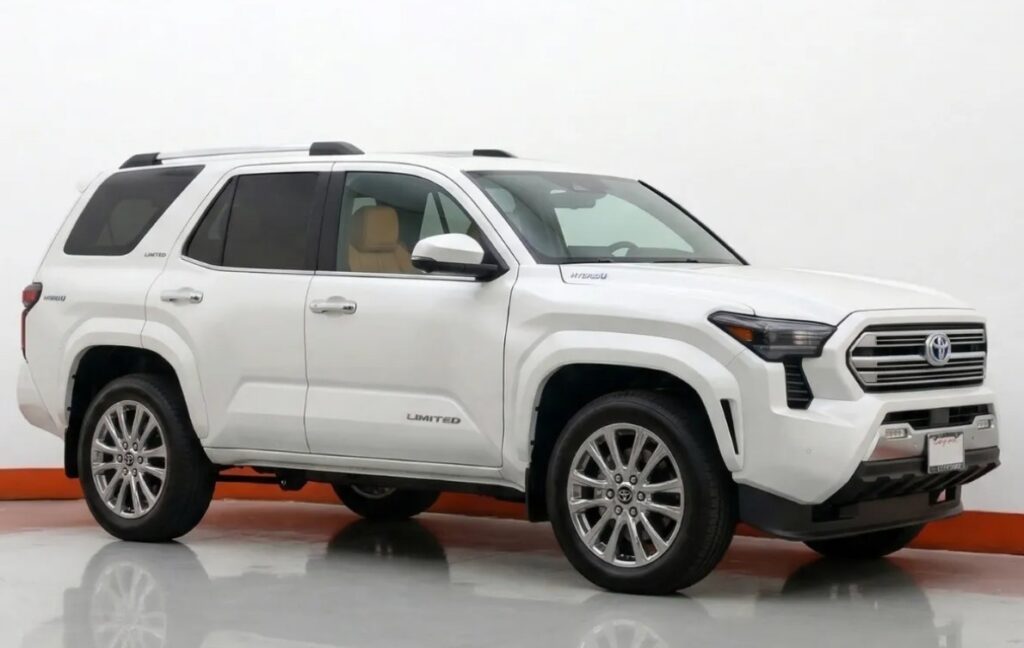
When we compare the legendary Toyota 4Runner and the versatile Subaru Outback, it feels a little like comparing hiking boots to trail-running shoes. Both can take us into the wild, both promise confidence beyond smooth pavement, and both have loyal fan bases that defend them like family heirlooms.
But beneath the rugged marketing photos and mountain-road commercials, these two vehicles are dramatically different.
One is a body-on-frame off-road warrior built with old-school toughness. The other is a refined all-wheel-drive wagon designed for comfort, efficiency, and practical adventure.
So which one deserves a spot in our driveway?
Let’s dive deep into the battle of the Toyota 4Runner vs Subaru Outback and uncover which SUV truly wins for everyday life, road trips, off-roading, towing, reliability, comfort, and long-term value.
Content in this publication
- Why the Toyota 4Runner and Subaru Outback Are Constantly Compared
- Toyota 4Runner Overview
- Subaru Outback Overview
- Toyota 4Runner vs Subaru Outback: Design Philosophy
- Exterior Styling Comparison
- Interior Comfort and Cabin Experience
- Technology Features Compared
- Driving Experience on Pavement
- Off-Road Capability Battle
- Ground Clearance Comparison
- Fuel Economy: A Huge Difference
- Cargo Space and Practicality
- Towing Capability Comparison
- Reliability and Longevity
- Winter Driving Performance
- Safety Features and Ratings
- Cost of Ownership
- Who Should Buy the Toyota 4Runner?
- Who Should Buy the Subaru Outback?
- Toyota 4Runner vs Subaru Outback: Which Is Better for Families?
- Resale Value Comparison
- The Emotional Side of This Comparison
- Final Verdict: Toyota 4Runner vs Subaru Outback
- FAQs
Why the Toyota 4Runner and Subaru Outback Are Constantly Compared
At first glance, these vehicles seem worlds apart. Yet shoppers compare them constantly because both appeal to adventurous drivers.
People looking at these vehicles usually want:
- All-weather confidence
- Outdoor capability
- Cargo space
- Reliability
- Long-distance comfort
- A vehicle that can handle rough roads
The difference lies in how they achieve those goals.
The 4Runner is like a mountain goat — stubborn, rugged, unstoppable.
The Outback is more like a border collie — agile, smart, efficient, and adaptable.
Both are excellent. But they speak different automotive languages.
Toyota 4Runner Overview
Built for Real Off-Roading
The Toyota 4Runner has remained faithful to its roots while many SUVs transformed into soft crossovers. It still rides on a truck-based platform, making it one of the last authentic rugged SUVs left on the market.
Key highlights include:
- Body-on-frame construction
- High ground clearance
- Available locking rear differential
- Strong off-road systems
- Exceptional durability
This SUV feels mechanical in the best possible way. There’s a sense of toughness baked into every corner.
Engine and Performance
Most recent 4Runner models feature a naturally aspirated V6 engine paired with a traditional automatic transmission.
Typical specs include:
- 4.0-liter V6
- Around 270 horsepower
- 5-speed automatic transmission
- Rear-wheel drive or four-wheel drive
Acceleration isn’t breathtaking, but the engine feels dependable and smooth.
Think of it as a workhorse rather than a sprinter.
Subaru Outback Overview
The Adventure Wagon Formula
The Subaru Outback occupies a unique place in the automotive world. It blends wagon practicality with SUV-like capability.
Instead of brute strength, the Outback focuses on:
- Efficiency
- Comfort
- Everyday usability
- Symmetrical all-wheel drive
- Excellent road manners
It’s a vehicle equally comfortable in city traffic or on a muddy campground road.
Engine Choices
The Outback offers two primary engine options.
Standard Engine
- 2.5-liter four-cylinder
- Around 182 horsepower
- Excellent fuel economy
Turbocharged Engine
- 2.4-liter turbocharged boxer engine
- Around 260 horsepower
- Faster acceleration
- Stronger highway passing power
Unlike the 4Runner, the Outback feels much more refined on pavement.
Toyota 4Runner vs Subaru Outback: Design Philosophy
Old-School SUV vs Modern Crossover
This is the heart of the debate.
The Toyota 4Runner prioritizes durability and ruggedness.
The Subaru Outback prioritizes balance and practicality.
The 4Runner feels like it was forged in steel.
The Outback feels engineered for versatility.
One asks:
“How far into the wilderness are we going?”
The other asks:
“How comfortable do we want to be getting there?”
Exterior Styling Comparison
Toyota 4Runner Appearance
The 4Runner looks aggressive and muscular.
Its styling features:
- Boxy proportions
- Tall stance
- Rugged bumpers
- Chunky tires
- Traditional SUV silhouette
It has undeniable road presence.
Even parked, it looks ready to climb a mountain.
Subaru Outback Appearance
The Outback takes a subtler approach.
Design traits include:
- Wagon-like profile
- Sleek roofline
- Softer body contours
- Functional roof rails
- Modern crossover aesthetics
It’s less intimidating but more aerodynamic and urban-friendly.
Interior Comfort and Cabin Experience
4Runner Interior Feel
The Toyota 4Runner cabin focuses on simplicity and durability.
Materials are sturdy rather than luxurious.
Advantages include:
- Upright seating position
- Excellent outward visibility
- Large cargo area
- Easy-to-clean surfaces
However, compared to modern crossovers, the design can feel dated.
Road noise is more noticeable, and ride quality feels truck-like.
Outback Interior Feel
The Subaru Outback shines here.
Its interior feels significantly more refined and contemporary.
Benefits include:
- Softer materials
- Quieter cabin
- Comfortable seats
- Advanced infotainment
- More car-like driving position
The Outback feels easier to live with every day, especially during commutes.
You may be interested in reading Jeep Grand Cherokee vs Toyota 4Runner
Technology Features Compared
Toyota 4Runner Technology
The 4Runner has improved in recent years but still trails competitors in cutting-edge tech.
Features may include:
- Apple CarPlay
- Android Auto
- Toyota Safety Sense
- Off-road camera systems
- Navigation options
Still, the infotainment experience feels less polished than newer rivals.
Subaru Outback Technology
The Outback leans heavily into modern convenience.
Common highlights include:
- Large touchscreen display
- Wireless smartphone integration
- Subaru EyeSight safety suite
- Adaptive cruise control
- Lane-centering assistance
The Outback feels technologically current.
Driving Experience on Pavement
How the 4Runner Drives
Driving the 4Runner is an experience rooted in traditional SUV behavior.
Characteristics include:
- Higher body roll
- Slower steering response
- Softer brake feel
- Elevated seating position
Some drivers love this commanding personality.
Others may find it cumbersome in tight urban areas.
How the Outback Drives
The Outback behaves more like a car than an SUV.
Expect:
- Smooth steering
- Better cornering
- Softer ride quality
- Easier parking
- Better highway comfort
For long-distance road trips, the Outback generally feels less tiring.
Off-Road Capability Battle
Why the 4Runner Dominates Serious Trails
This is where the Toyota 4Runner flexes its muscles.
Its advantages include:
- True 4WD systems
- Low-range gearing
- Better articulation
- Greater durability
- Superior approach and departure angles
The 4Runner is built for real off-roading.
Mud, rocks, steep climbs, and deep ruts barely faze it.
Can the Subaru Outback Handle Off-Roading?
Absolutely — within reason.
The Outback performs surprisingly well on:
- Gravel roads
- Snow
- Forest trails
- Dirt paths
- Light mud
Its symmetrical AWD system is excellent.
But it isn’t designed for hardcore rock crawling.
Push too far into extreme terrain, and the difference between these vehicles becomes obvious.
Ground Clearance Comparison
Toyota 4Runner Ground Clearance
Depending on trim, the 4Runner offers impressive clearance levels suitable for difficult terrain.
This helps prevent underbody damage on rough trails.
Subaru Outback Ground Clearance
The Outback also offers surprisingly generous clearance for a wagon-like vehicle.
In fact, it outperforms many compact SUVs in this area.
That’s part of its secret sauce.
Fuel Economy: A Huge Difference
Toyota 4Runner MPG
Fuel efficiency is not the 4Runner’s strong suit.
Typical fuel economy numbers hover around:
- Mid-to-high teens in city driving
- Low twenties on highways
Gas stations become familiar friends.
Subaru Outback MPG
The Outback is dramatically more efficient.
Depending on engine choice, it can achieve:
- High twenties in mixed driving
- Excellent highway efficiency
For commuters and road trippers, this difference matters enormously over time.
Cargo Space and Practicality
4Runner Cargo Area
The 4Runner offers:
- Large rear cargo capacity
- Tall cargo space
- Fold-flat seats
- Excellent utility for camping gear
It’s especially useful for bulky outdoor equipment.
Outback Cargo Area
The Outback counters with:
- Wide cargo opening
- Lower loading height
- Flexible interior layout
- Excellent roof rack systems
For many families, the lower lift-over height makes daily use easier.
Towing Capability Comparison
Toyota 4Runner Towing
The 4Runner is the stronger towing machine.
It can comfortably tow:
- Small campers
- Boats
- Trailers
- Outdoor toys
This makes it attractive for adventure-focused lifestyles.
Subaru Outback Towing
The Outback can tow respectable amounts depending on trim and engine choice.
Turbocharged versions perform better here.
Still, it cannot match the truck-based strength of the 4Runner.
Reliability and Longevity
Toyota 4Runner Reliability Reputation
Few vehicles have the legendary durability reputation of the Toyota 4Runner.
Owners routinely report:
- Extremely high mileage
- Minimal major issues
- Long-lasting drivetrains
- Strong resale value
This SUV has a reputation like an anvil — heavy, simple, nearly indestructible.
Subaru Outback Reliability
The Outback is also respected for longevity, though experiences can vary more by generation.
Modern models have improved substantially.
You may be interested in readingJeep Grand Cherokee vs Toyota 4RunnerYou may be interested in reading
What Years Toyota 4Runner To AvoidOwners appreciate:
- Dependable AWD systems
- Strong safety scores
- Comfortable long-term ownership
However, maintenance costs can sometimes rise as mileage increases.
Winter Driving Performance
Subaru Outback Excels in Snow
Snowy climates are where the Outback becomes almost magical.
Its AWD system feels incredibly composed in winter conditions.
Combined with:
- Balanced weight distribution
- Predictable handling
- Great traction systems
The Outback inspires confidence on icy roads.
4Runner in Winter Conditions
The 4Runner is also capable in snow, especially with proper tires.
However:
- Its heavier truck-like dynamics
- Higher center of gravity
- Older chassis design
Can make it feel less nimble on slippery pavement.
Safety Features and Ratings
Subaru Outback Safety Strengths
Subaru has built a reputation around safety.
The Outback consistently performs well in crash testing and offers advanced driver assistance systems.
Safety features often include:
- Automatic emergency braking
- Lane keep assist
- Adaptive cruise control
- Blind-spot monitoring
Toyota 4Runner Safety Considerations
The 4Runner includes modern safety technology but its older platform can affect crash-test performance compared to newer crossovers.
Still, Toyota’s reliability and engineering standards remain strong.
Cost of Ownership
4Runner Ownership Costs
Expect:
- Higher fuel costs
- Potentially higher tire costs
- Excellent resale value
- Strong long-term durability
Interestingly, resale value often offsets some ownership expenses.
Outback Ownership Costs
The Outback generally costs less to fuel and may feel more economical overall.
Advantages include:
- Better fuel efficiency
- Lower daily operating costs
- More affordable commuting
However, long-term maintenance should still be considered carefully.
Who Should Buy the Toyota 4Runner?
The Toyota 4Runner makes the most sense for buyers who:
- Frequently go off-roading
- Tow regularly
- Value durability above refinement
- Love traditional SUVs
- Keep vehicles for many years
This vehicle is for people who view roads as optional suggestions.
Who Should Buy the Subaru Outback?
The Subaru Outback is ideal for drivers who:
- Commute daily
- Prioritize comfort
- Need excellent winter traction
- Want strong fuel economy
- Occasionally explore outdoors
It’s perfect for active lifestyles without hardcore off-roading demands.
Toyota 4Runner vs Subaru Outback: Which Is Better for Families?
Families often prefer the Outback because:
- Easier entry and exit
- Better fuel economy
- More comfortable ride
- Superior safety technology
However, adventurous families who camp or tow often lean toward the 4Runner.
Resale Value Comparison
Toyota 4Runner Resale Strength
The 4Runner is famous for retaining value.
Few SUVs depreciate as slowly.
This can make its higher purchase price easier to justify.
Subaru Outback Resale Value
The Outback also holds value well, especially in regions with snow-heavy climates.
Subaru’s loyal customer base helps maintain demand.
The Emotional Side of This Comparison
Cars are emotional purchases.
And these two vehicles create very different feelings.
The 4Runner whispers:
“Let’s disappear into the mountains for a week.”
The Outback says:
“Let’s do everything comfortably and efficiently.”
Neither message is wrong.
The right answer depends on the kind of life we want to live.
Final Verdict: Toyota 4Runner vs Subaru Outback
Choosing between the Toyota 4Runner and Subaru Outback ultimately comes down to priorities.
Choose the Toyota 4Runner if we want:
- Serious off-road capability
- Traditional SUV toughness
- Better towing
- Legendary durability
- Rugged personality
Choose the Subaru Outback if we want:
- Better fuel economy
- Superior daily comfort
- Excellent winter driving
- Modern technology
- Easier city driving
The 4Runner is a wilderness tool.
The Outback is an all-weather multitool.
And honestly? Both are fantastic in their own lane.
FAQs
Is the Toyota 4Runner more reliable than the Subaru Outback?
Generally, the Toyota 4Runner has a stronger long-term reliability reputation, especially for very high-mileage ownership.
Which is better in snow: 4Runner or Outback?
The Subaru Outback often feels better in snowy daily-driving conditions thanks to its AWD system and more balanced road manners.
Does the Subaru Outback have enough ground clearance for trails?
Yes. The Outback handles gravel roads, forest trails, and light off-roading surprisingly well.
Is the Toyota 4Runner worth the higher fuel costs?
For buyers who need real off-road capability, towing strength, and rugged durability, many owners believe it absolutely is.
You may be interested in readingJeep Grand Cherokee vs Toyota 4RunnerYou may be interested in reading
What Years Toyota 4Runner To AvoidYou may be interested in reading
Toyota 4Runner vs Jeep WranglerWhich vehicle is more comfortable for long road trips?
The Subaru Outback generally provides a smoother, quieter, and more fuel-efficient road-trip experience.
If you want to know other articles similar to Toyota 4Runner vs Subaru Outback: Which Adventure SUV Truly Fits Your Lifestyle? you can visit the category Models.
Hyundai i40 vs i30: Which Hyundai Is Right for You?
Hyundai i40 vs Peugeot 508: Which Used Car Is Better?
Kia Rio vs Toyota Yaris: Which Small Car Makes More Sense?
Kia Rio vs Hyundai i20: Which Small Hatchback Makes More Sense?
Kia Rio or Similar UK: The Smart Buyer’s Guide to Small Cars That Still Make Sense
Kia Rio vs Hyundai i10: Which Small Car Makes More Sense?
Leave a Reply
More content of your interest