

Chevrolet Malibu Generations: A Complete Journey Through America’s Iconic Midsize Sedan

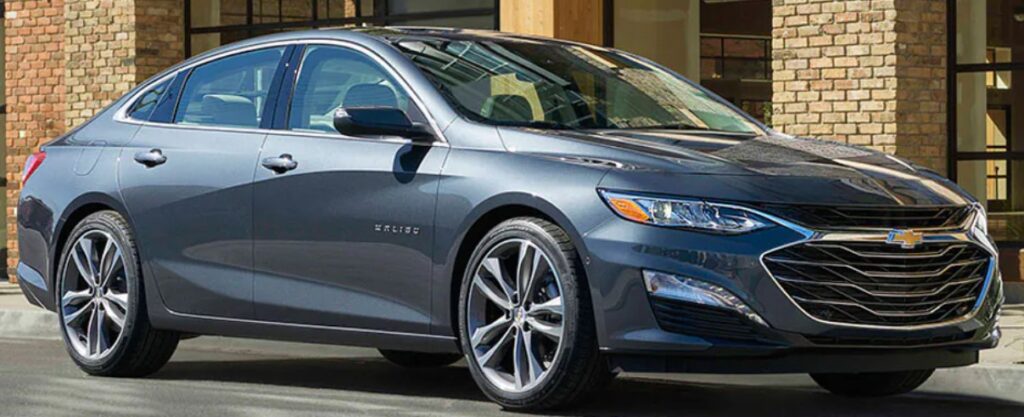
The Chevrolet Malibu has traveled a remarkable road through automotive history. Few midsize sedans have managed to reinvent themselves as many times while maintaining their identity. Since its debut in the 1960s, the Malibu has evolved from a stylish family car into a modern sedan packed with technology, comfort, and efficiency.
When we explore Chevrolet Malibu generations, we're not just looking at different model years. We're tracing the evolution of American automotive design, engineering, and consumer preferences. Each generation tells a story about its era, reflecting changing trends, technological breakthroughs, and the needs of drivers.
Let's take a deep dive into every Chevrolet Malibu generation and discover how this legendary sedan became one of Chevrolet's most recognizable nameplates.
Content in this publication
- The Birth of the Chevrolet Malibu
- First Generation Chevrolet Malibu (1964–1967)
- Second Generation Chevrolet Malibu (1968–1972)
- Third Generation Chevrolet Malibu (1973–1977)
- Fourth Generation Chevrolet Malibu (1978–1983)
- The Malibu Disappears (1984–1996)
- Fifth Generation Chevrolet Malibu (1997–2003)
- Sixth Generation Chevrolet Malibu (2004–2007)
- Seventh Generation Chevrolet Malibu (2008–2012)
- Eighth Generation Chevrolet Malibu (2013–2015)
- Ninth Generation Chevrolet Malibu (2016–Present)
- How Chevrolet Malibu Design Has Evolved
- Engine Evolution Across Chevrolet Malibu Generations
- Technology Through the Decades
- Which Chevrolet Malibu Generation Is Most Popular?
- Why the Chevrolet Malibu Remains Relevant
- The Legacy of Chevrolet Malibu Generations
- Conclusion
- Frequently Asked Questions
The Birth of the Chevrolet Malibu
Before diving into individual generations, it's worth understanding where the Malibu began.
Introduced in 1964, the Malibu originally appeared as a trim level of the Chevrolet Chevelle. It wasn't initially designed to become a standalone model. However, its popularity quickly made it one of Chevrolet's most successful offerings.
Over time, the Malibu evolved from a luxury-oriented trim package into an independent model that would survive for decades.
First Generation Chevrolet Malibu (1964–1967)
A Stylish Beginning
The first Chevrolet Malibu generation arrived during the golden age of American automobiles. At the time, consumers wanted larger vehicles with chrome accents, powerful engines, and spacious interiors.
The Malibu fit perfectly into this landscape.
Key characteristics included:
- Distinctive chrome styling
- Multiple body styles
- V8 engine availability
- Comfortable seating for families
- Premium interior materials
Performance and Popularity
The Malibu was available with several engine options, including powerful V8s that appealed to performance enthusiasts.
This combination of practicality and performance helped establish the Malibu as a household name.
Second Generation Chevrolet Malibu (1968–1972)
The Muscle Car Era Influence
The late 1960s brought dramatic styling changes.
The second-generation Malibu adopted:
- Longer body proportions
- More aggressive front-end styling
- Improved suspension systems
- Enhanced engine offerings
This generation coincided with the peak of America's muscle car culture.
The Legendary Malibu SS
Among enthusiasts, the Malibu SS remains one of the most memorable variants ever produced.
Its combination of V8 power and sleek design transformed the Malibu from a family cruiser into a performance icon.
Third Generation Chevrolet Malibu (1973–1977)
Responding to Changing Times
The oil crisis of the 1970s changed everything.
Automakers suddenly faced pressure to improve fuel economy while maintaining performance and comfort.
The third-generation Malibu reflected these realities.
A More Practical Approach
Notable improvements included:
- Reduced overall dimensions
- Better fuel efficiency
- Improved safety features
- Refined ride quality
While performance took a slight step back, practicality became a stronger focus.
Fourth Generation Chevrolet Malibu (1978–1983)
A Major Downsizing Effort
The fourth generation marked one of the biggest transformations in Malibu history.
Chevrolet significantly reduced the car's size and weight.
The result?
A vehicle that offered:
- Better fuel economy
- Easier maneuverability
- Lower operating costs
- Improved efficiency
Winning Over Families
Despite being smaller, the Malibu maintained impressive interior space.
It became a favorite among families seeking reliability and affordability.
The Malibu Disappears (1984–1996)
A Temporary Farewell
For over a decade, Chevrolet retired the Malibu name.
During this period, Chevrolet focused on other models, including the Celebrity and Corsica.
Many assumed the Malibu was gone forever.
Fortunately, that wasn't the case.
You may be interested in reading Chevrolet Malibu Similar Cars: The Best Alternatives for Every Driver
Fifth Generation Chevrolet Malibu (1997–2003)
The Comeback Generation
After a long absence, Chevrolet revived the Malibu name in 1997.
The automotive landscape had changed dramatically.
Consumers now prioritized:
- Safety
- Fuel economy
- Reliability
- Comfort
The new Malibu was designed with these priorities in mind.
Modern Features Arrive
Compared to previous generations, the fifth-generation Malibu introduced:
- Front-wheel drive architecture
- Advanced safety systems
- Improved aerodynamics
- More efficient powertrains
This generation successfully reintroduced the Malibu to a new generation of buyers.
Sixth Generation Chevrolet Malibu (2004–2007)
A Bold New Design Philosophy
The sixth-generation model represented a substantial redesign.
Chevrolet wanted the Malibu to compete directly with established midsize rivals.
The result was a more sophisticated sedan.
Interior Improvements
Major upgrades included:
- Higher-quality materials
- Improved ergonomics
- Larger cabin dimensions
- Enhanced noise insulation
Drivers immediately noticed the more refined driving experience.
Seventh Generation Chevrolet Malibu (2008–2012)
A Significant Leap Forward
The seventh generation marked a turning point.
For many automotive critics, this was the first modern Malibu that could truly challenge segment leaders.
Award-Winning Design
The Malibu's new styling featured:
- Sleek body lines
- Premium appearance
- Improved aerodynamics
- Modernized interior design
Its success earned numerous industry awards and recognition.
Enhanced Driving Dynamics
Engineers improved:
- Steering precision
- Ride comfort
- Suspension tuning
- Highway stability
The result was a sedan that felt more refined than ever.
Eighth Generation Chevrolet Malibu (2013–2015)
Global Development Strategy
Chevrolet adopted a more international approach during the eighth generation.
The Malibu was designed to appeal to drivers worldwide.
Technology Takes Center Stage
Notable additions included:
- Touchscreen infotainment
- Bluetooth connectivity
- Advanced driver assistance features
- Improved fuel economy
Technology became one of the Malibu's strongest selling points.
Mid-Cycle Refresh
Chevrolet quickly responded to customer feedback by updating styling and interior quality.
These improvements helped maintain competitiveness in a crowded segment.
Ninth Generation Chevrolet Malibu (2016–Present)
The Most Advanced Malibu Ever
The ninth-generation Malibu represents the pinnacle of the model's evolution.
Built on a lighter and stronger platform, it combines efficiency, technology, and comfort.
Exterior highlights include:
- Sculpted bodywork
- LED lighting options
- Aerodynamic design
- Modern proportions
The sedan looks significantly more upscale than earlier generations.
Improved Fuel Efficiency
Modern Malibu models emphasize efficiency.
Benefits include:
- Turbocharged engines
- Reduced vehicle weight
- Enhanced aerodynamics
- Improved transmission technology
These changes help maximize fuel economy without sacrificing performance.
Advanced Safety Features
Safety technologies now available include:
You may be interested in readingChevrolet Malibu Similar Cars: The Best Alternatives for Every DriverYou may be interested in reading
Chevrolet Malibu vs Mazda 3: Which Sedan Deserves Your Money?- Forward collision alert
- Lane keep assist
- Blind-spot monitoring
- Automatic emergency braking
Such features would have seemed like science fiction to Malibu buyers in the 1960s.
How Chevrolet Malibu Design Has Evolved
From Chrome to Clean Lines
One fascinating aspect of Chevrolet Malibu generations is design evolution.
The Malibu has transitioned through:
- Chrome-heavy styling of the 1960s
- Muscle-car aggression of the 1970s
- Practical efficiency of the 1980s
- Conservative family-sedan aesthetics of the 1990s
- Modern aerodynamic sophistication of today
Each transformation reflects broader automotive trends.
Engine Evolution Across Chevrolet Malibu Generations
The V8 Era
Early Malibu models offered powerful V8 engines that prioritized performance.
The Efficiency Era
During the fuel crises of the 1970s and 1980s, smaller engines became more common.
The Turbocharged Future
Modern Malibu models rely heavily on turbocharged four-cylinder engines that balance:
- Performance
- Efficiency
- Reliability
- Lower emissions
It's a remarkable transformation from the roaring V8s of the past.
Technology Through the Decades
1960s and 1970s
Technology was relatively simple:
- AM radios
- Basic gauges
- Manual controls
1990s and 2000s
Advancements included:
- Air conditioning improvements
- Power accessories
- Enhanced safety systems
Modern Era
Today's Malibu features:
- Smartphone integration
- Touchscreen displays
- Advanced driver assistance
- Connected vehicle services
The difference is like comparing a rotary phone to a modern smartphone.
Which Chevrolet Malibu Generation Is Most Popular?
Among Collectors
Classic enthusiasts often prefer:
- 1964–1967 models
- 1968–1972 models
These vehicles represent the golden era of American motoring.
Among Daily Drivers
Modern buyers frequently favor:
- 2008–2012 models
- 2016-present models
These generations offer an excellent balance of reliability, comfort, and technology.
Why the Chevrolet Malibu Remains Relevant
The automotive market has shifted dramatically toward SUVs and crossovers.
Yet the Malibu continues to attract drivers because it delivers:
- Comfortable rides
- Excellent fuel efficiency
- Competitive pricing
- Proven reliability
- Modern technology
For many drivers, the Malibu remains an intelligent alternative to larger vehicles.
The Legacy of Chevrolet Malibu Generations
Few vehicles survive for decades while remaining recognizable. The Chevrolet Malibu has managed precisely that.
Each generation contributed something unique:
- The first generation established the foundation.
- The muscle-car era added excitement.
- The downsized generations improved efficiency.
- The revival modernized the formula.
- Today's models combine technology, comfort, and practicality.
Like a river that changes course while continuing to flow toward the same destination, the Malibu has continuously adapted while preserving its identity.
Whether we admire the chrome-laden classics of the 1960s or the turbocharged sophistication of modern models, every Chevrolet Malibu generation represents an important chapter in American automotive history.
Conclusion
The story of Chevrolet Malibu generations is a story of adaptation. Over more than half a century, the Malibu has transformed from a stylish Chevelle trim into one of Chevrolet's longest-running and most respected sedan nameplates.
Its journey mirrors the evolution of the automotive industry itself—moving from raw horsepower to efficiency, from simple dashboards to advanced digital ecosystems, and from traditional family transportation to a refined modern driving experience.
As automotive technology continues evolving, the Malibu's legacy remains secure. It has already earned its place among America's most enduring and recognizable automobiles.
Frequently Asked Questions
1. How many Chevrolet Malibu generations are there?
There have been nine official Chevrolet Malibu generations from 1964 to the present.
2. Was the Chevrolet Malibu originally a standalone model?
No. The Malibu began as a trim level of the Chevrolet Chevelle before becoming its own model.
3. Which Malibu generation is best for collectors?
The 1964–1967 and 1968–1972 generations are highly sought after by collectors.
4. When was the Chevrolet Malibu discontinued?
The Malibu nameplate was temporarily discontinued between 1984 and 1996 before returning for the 1997 model year.
5. What is the newest Chevrolet Malibu generation?
The ninth generation, introduced for 2016, remains the current generation with ongoing updates.
You may be interested in readingChevrolet Malibu Similar Cars: The Best Alternatives for Every DriverYou may be interested in reading
Chevrolet Malibu vs Mazda 3: Which Sedan Deserves Your Money?You may be interested in reading
Chevrolet Malibu vs Kia K5: Which Midsize Sedan Deserves Your Driveway?If you want to know other articles similar to Chevrolet Malibu Generations: A Complete Journey Through America’s Iconic Midsize Sedan you can visit the category Models.
Nissan Rogue Dark Armor vs Platinum: Which Trim Is Better?

Kia Sorento Models: Complete Guide to Trims, Engines and Versions
BYD Shark 6 vs Ranger vs HiLux: Which Ute Makes the Most Sense in 2026?
BYD Shark 6 vs MG U9: Which Ute Makes More Sense in 2026?
BYD Shark 6 vs Ford Ranger Raptor: Which Performance Ute Is Better in 2026?
BYD Shark 6 vs Kia Tasman: Which Ute Is Better?
Leave a Reply
More content of your interest