

BYD Seal Service Schedule: The Complete Maintenance Guide for Long-Term Reliability

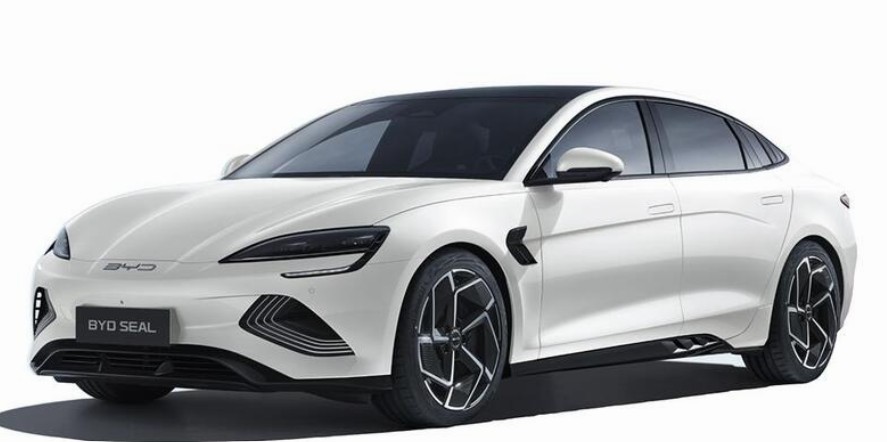
The BYD Seal has rapidly become one of the most talked-about electric sedans on the market. With its sleek design, impressive range, advanced Blade Battery technology, and competitive pricing, it has challenged many established electric vehicle rivals. Yet owning an EV is about more than enjoying silent acceleration and lower running costs. Like any vehicle, proper maintenance plays a critical role in preserving performance, safety, efficiency, and resale value.
Understanding the BYD Seal service schedule helps us stay ahead of potential issues while ensuring our vehicle continues operating at its best for years to come. Although electric vehicles require significantly less maintenance than traditional gasoline-powered cars, they are not completely maintenance-free. Regular inspections, software updates, brake system checks, tire maintenance, and battery health monitoring remain essential.
In this comprehensive guide, we will explore everything we need to know about the BYD Seal service schedule, including service intervals, maintenance requirements, expected costs, battery care, seasonal considerations, and practical tips to maximize vehicle longevity.
Content in this publication
- Why Following the BYD Seal Service Schedule Matters
- Understanding the BYD Seal Maintenance Philosophy
- Typical BYD Seal Service Schedule Overview
- What Happens During a BYD Seal Service?
- BYD Seal Tire Maintenance Requirements
- Brake Fluid Service Intervals
- Cooling System Maintenance
- BYD Blade Battery Service Considerations
- Cabin Air Filter Replacement Schedule
- Suspension and Steering Inspections
- High-Voltage System Safety Checks
- Seasonal Maintenance for BYD Seal Owners
- BYD Seal Service Costs
- Maintaining Warranty Coverage
- Long-Term Ownership Tips for Maximum Reliability
- Common Maintenance Mistakes to Avoid
- Expected Lifespan of Major Components
- How the BYD Seal Compares to Traditional Vehicle Maintenance
- Final Thoughts
- Frequently Asked Questions
Why Following the BYD Seal Service Schedule Matters
Many EV owners assume that because electric vehicles have fewer moving parts, routine servicing can be ignored. While EV maintenance is certainly simpler than traditional vehicle maintenance, neglecting scheduled inspections can still lead to avoidable problems.
Following the recommended service schedule helps:
- Maintain battery efficiency
- Preserve warranty coverage
- Improve vehicle safety
- Reduce unexpected repair costs
- Enhance resale value
- Extend component lifespan
Think of servicing like regular health checkups. Even when everything feels fine, inspections help identify small concerns before they become major headaches.
Understanding the BYD Seal Maintenance Philosophy
How EV Maintenance Differs from Traditional Cars
A conventional gasoline vehicle requires frequent oil changes, spark plug replacements, transmission servicing, fuel filter changes, and numerous engine-related inspections.
The BYD Seal eliminates many of these requirements because it does not have:
- Engine oil
- Spark plugs
- Timing belts
- Fuel injectors
- Exhaust systems
- Engine air filters
As a result, maintenance becomes simpler, faster, and generally less expensive.
The Role of Preventive Maintenance
Preventive maintenance focuses on inspecting components before they fail.
For the BYD Seal, this includes:
- Battery health evaluations
- Brake inspections
- Tire condition assessments
- Cooling system checks
- Software updates
- Suspension inspections
This proactive approach helps ensure reliable performance throughout ownership.
Typical BYD Seal Service Schedule Overview
While service intervals can vary slightly depending on country, dealership policies, and driving conditions, a typical BYD Seal maintenance schedule follows a structured pattern.
Initial Inspection
The first service often occurs around:
- 5,000 km to 10,000 km
- Or approximately 6 months after delivery
This visit typically includes:
- General inspection
- Tire evaluation
- Software diagnostics
- Fastener checks
- Brake inspection
The purpose is to ensure all systems are functioning correctly during the vehicle's early life.
Annual Service Intervals
After the initial inspection, servicing usually occurs:
- Every 12 months
- Or every 20,000 km
Whichever comes first generally applies.
These inspections help maintain warranty compliance and vehicle reliability.
What Happens During a BYD Seal Service?
Battery System Inspection
The battery is the heart of the vehicle.
Technicians typically examine:
- Battery condition
- Charging performance
- Cell balance
- Cooling system operation
- High-voltage safety systems
Advanced diagnostic tools allow service centers to identify issues long before drivers notice any symptoms.
Software Updates
Modern EVs function almost like computers on wheels.
Regular software updates may improve:
- Range estimation
- Charging performance
- Infotainment functions
- Driver assistance systems
- Energy efficiency
Sometimes a simple software update can noticeably improve the driving experience.
Brake System Checks
Electric vehicles use regenerative braking extensively.
Because traditional brakes are used less frequently, technicians inspect:
- Brake pads
- Brake discs
- Brake fluid
- Brake lines
Ironically, underuse can sometimes cause brake corrosion, making inspections especially important.
BYD Seal Tire Maintenance Requirements
Why Tire Maintenance Matters More in EVs
Electric vehicles tend to be heavier than conventional cars due to battery weight.
The BYD Seal's instant torque also places additional stress on tires.
Proper tire care helps:
- Improve efficiency
- Extend tire lifespan
- Maintain safety
- Optimize range
Recommended Tire Checks
Regular inspections should include:
- Tire pressure
- Tread depth
- Uneven wear
- Sidewall condition
Monthly tire pressure checks are strongly recommended.
Tire Rotation Schedule
Most experts recommend rotating tires every:
- 10,000 km
- Or during annual servicing
This helps ensure even wear and maximizes tire life.
Brake Fluid Service Intervals
Why Brake Fluid Still Matters in an EV
Even though regenerative braking reduces mechanical brake usage, brake fluid remains critical.
Over time, brake fluid absorbs moisture, which can affect braking performance.
Typical Brake Fluid Replacement Timing
Most service schedules recommend inspection every year and replacement approximately every:
- 2 to 3 years
Actual intervals may vary depending on local recommendations.
Cooling System Maintenance
Battery temperature management plays a huge role in EV performance.
The BYD Seal relies on sophisticated cooling systems to regulate:
- Battery temperature
- Motor temperature
- Power electronics
Cooling System Inspections
Service technicians typically inspect:
- Coolant levels
- Hoses
- Pumps
- Heat exchangers
- Leak points
Maintaining proper cooling helps preserve battery longevity.
BYD Blade Battery Service Considerations
Understanding the Blade Battery
One of the Seal's biggest advantages is its innovative Blade Battery technology.
The Blade Battery is known for:
- Enhanced safety
- High durability
- Long cycle life
- Improved thermal stability
Battery Health Monitoring
During servicing, technicians evaluate:
- State of health
- Charging efficiency
- Temperature consistency
- Voltage balance
These measurements help identify potential concerns before they impact range.
Cabin Air Filter Replacement Schedule
Why Air Filters Matter
The cabin air filter affects interior air quality rather than vehicle performance.
It helps remove:
- Dust
- Pollen
- Pollution particles
- Allergens
Replacement Intervals
Most owners replace the cabin filter:
- Every 15,000 to 30,000 km
- Or annually in dusty environments
Drivers in urban areas often benefit from more frequent replacements.
Suspension and Steering Inspections
Maintaining Ride Comfort
The BYD Seal is designed to deliver a refined driving experience.
Routine inspections focus on:
- Shock absorbers
- Bushings
- Ball joints
- Steering components
Signs of Potential Issues
Watch for:
- Excessive vibration
- Uneven tire wear
- Steering pull
- Unusual noises
Addressing these symptoms early prevents more expensive repairs later.
High-Voltage System Safety Checks
The Importance of Professional Inspections
Electric vehicles operate using high-voltage systems that require specialized expertise.
Service technicians inspect:
- High-voltage cables
- Connectors
- Battery seals
- Safety interlocks
These checks ensure safe operation throughout the vehicle's lifespan.
Never Attempt DIY High-Voltage Repairs
Unlike replacing a traditional air filter, high-voltage components should always be handled by qualified technicians.
Safety must always come first.
Seasonal Maintenance for BYD Seal Owners
Summer Service Considerations
Hot weather places additional demands on battery cooling systems.
Before summer:
- Check tire pressure
- Inspect coolant systems
- Verify charging performance
- Update software
Winter Service Considerations
Cold temperatures can temporarily reduce EV range.
Winter preparation should include:
- Battery inspection
- Tire condition assessment
- Heating system checks
- Charging equipment evaluation
Proper preparation improves winter driving confidence.
BYD Seal Service Costs
Why EV Maintenance Is Usually Cheaper
Electric vehicles avoid many costly traditional maintenance items.
There are no:
- Oil changes
- Spark plug replacements
- Timing belt services
- Fuel system repairs
As a result, annual maintenance costs are often significantly lower.
Factors Affecting Service Costs
Actual costs depend on:
- Region
- Dealer pricing
- Mileage
- Driving habits
- Service package options
Routine inspections typically remain affordable compared to gasoline vehicles.
Maintaining Warranty Coverage
Importance of Scheduled Servicing
Manufacturers generally require adherence to maintenance schedules.
Missing scheduled services could potentially affect:
- Vehicle warranty
- Battery warranty
- Component coverage
Keeping service records organized is always a smart practice.
Service Documentation Tips
Maintain copies of:
- Invoices
- Inspection reports
- Battery health reports
- Software update records
Good documentation supports future resale value as well.
Long-Term Ownership Tips for Maximum Reliability
Charge Smart
Healthy charging habits help preserve battery longevity.
Recommended practices include:
- Avoid frequent 100% charging when unnecessary
- Limit repeated fast charging sessions
- Use scheduled charging when available
Drive Regularly
Vehicles benefit from consistent use.
Extended inactivity can affect:
- Tires
- Brakes
- Battery conditioning
Even occasional drives help maintain system health.
Keep Software Updated
Software improvements often enhance:
- Efficiency
- Stability
- Charging performance
- Driver assistance features
Treat updates as maintenance, not optional extras.
Common Maintenance Mistakes to Avoid
Ignoring Tire Pressure
Low tire pressure can:
- Reduce range
- Increase wear
- Affect handling
Monthly checks take only a few minutes.
Skipping Annual Inspections
Even if everything appears normal, professional inspections provide valuable insights into vehicle health.
Neglecting Brake Maintenance
Regenerative braking reduces wear but does not eliminate maintenance needs.
Brakes still require regular attention.
Expected Lifespan of Major Components
Battery Longevity
Modern EV batteries are designed to last many years.
Many owners can expect:
- Hundreds of thousands of kilometers
- Strong capacity retention
- Reliable daily performance
Electric Motors
Electric motors generally require minimal maintenance and often outlast many traditional powertrain components.
Power Electronics
With proper servicing and cooling system maintenance, power electronics typically provide long-term reliability.
How the BYD Seal Compares to Traditional Vehicle Maintenance
The contrast is remarkable.
Traditional vehicles often require:
- Oil changes every few months
- Engine tune-ups
- Exhaust repairs
- Fuel system maintenance
The BYD Seal simplifies ownership dramatically.
Instead of constantly servicing an engine, we focus primarily on inspections, diagnostics, software updates, and tire maintenance. The result is a more predictable and often less expensive ownership experience.
Final Thoughts
The BYD Seal service schedule demonstrates one of the greatest advantages of electric vehicle ownership: simplicity. While the vehicle still requires regular inspections and preventive maintenance, the overall servicing burden is significantly lower than that of a conventional gasoline-powered car.
By following scheduled maintenance intervals, monitoring tire health, keeping software updated, and caring for the Blade Battery, we can enjoy years of reliable, efficient, and enjoyable driving. Think of the service schedule not as a chore but as a roadmap that protects our investment and keeps the BYD Seal performing like new long after the excitement of delivery day fades.
Frequently Asked Questions
1. How often should a BYD Seal be serviced?
Most BYD Seal models are typically serviced annually or every 20,000 km, whichever comes first, though local recommendations may vary.
2. Does the BYD Seal need oil changes?
No. As a fully electric vehicle, the BYD Seal does not use engine oil and therefore requires no oil changes.
3. How often should BYD Seal tires be rotated?
Tire rotation is commonly recommended every 10,000 km to promote even wear and maximize tire lifespan.
4. Does servicing affect the battery warranty?
Following the recommended maintenance schedule helps maintain warranty compliance and ensures battery systems are regularly inspected.
5. Is maintaining a BYD Seal cheaper than maintaining a gasoline car?
In most cases, yes. Electric vehicles generally have lower maintenance costs because they eliminate many traditional engine-related service requirements.
If you want to know other articles similar to BYD Seal Service Schedule: The Complete Maintenance Guide for Long-Term Reliability you can visit the category Service and Parts.
Honda Passport Payload Capacity: How Much Weight Can It Carry?
Honda Passport Gas Type: What Fuel Should You Use?
Honda Passport Oil Type: What Oil Does a Honda Passport Take?

Nissan Rogue Key Fob Battery Type: Size, Replacement, and Complete Guide
Nissan Rogue Oil Change Interval: How Often Should You Change the Oil?
Nissan Rogue Winter Tire Size: Complete Guide by Year and Trim
Leave a Reply
More content of your interest