
BYD Seal Charger Type: The Complete Guide to Charging Connectors, Compatibility, and Speed

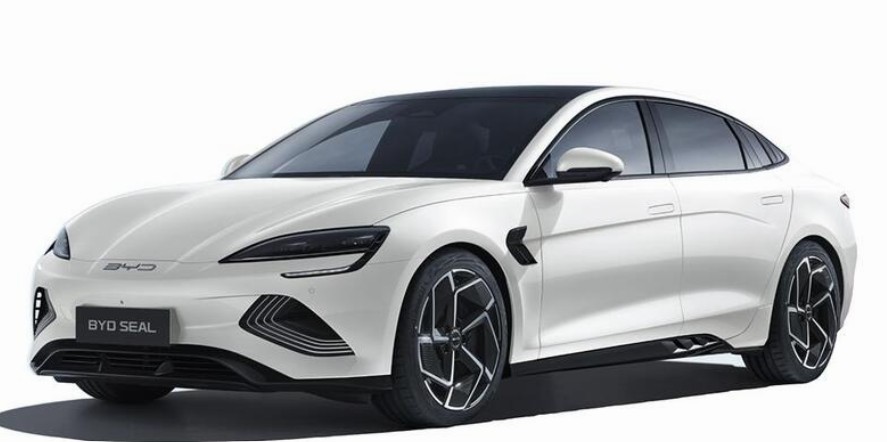
The BYD Seal has emerged as one of the most exciting electric sedans in today's EV market. With its aerodynamic styling, impressive range, advanced Blade Battery technology, and competitive pricing, it has quickly become a favorite among drivers looking to make the switch to electric mobility.
Yet one question consistently appears among potential buyers and new owners alike: what charger type does the BYD Seal use?
At first glance, charging an electric vehicle may seem complicated. Terms like Type 2, CCS2, AC charging, and DC fast charging can sound like a foreign language. Fortunately, once we understand the basics, the charging process becomes surprisingly simple.
In this comprehensive guide, we'll explore everything we need to know about the BYD Seal charger type, including charging connectors, home charging solutions, public charging compatibility, charging speeds, and practical tips that can make everyday EV ownership easier.
Content in this publication
- Understanding the BYD Seal Charging System
- What Charger Type Does the BYD Seal Use?
- Why Charger Compatibility Matters
- How Type 2 Charging Works
- Understanding CCS2 Fast Charging
- BYD Seal Charging Speed
- Home Charging Solutions for the BYD Seal
- Using Public Charging Stations
- How Long Does It Take to Charge a BYD Seal?
- Can the BYD Seal Use Tesla Chargers?
- Charging Cables for the BYD Seal
- Factors That Influence Charging Performance
- Best Practices for Maintaining Battery Health
- The Role of BYD Blade Battery Technology
- The Future of BYD Seal Charging
- Conclusion
- Frequently Asked Questions
Understanding the BYD Seal Charging System
Before discussing specific connectors, it's important to understand how charging works in the BYD Seal.
Like most modern electric vehicles, the BYD Seal supports two primary charging methods:
- AC (Alternating Current) charging
- DC (Direct Current) fast charging
Each serves a different purpose and offers different charging speeds.
AC charging is typically used at home, workplaces, and many public parking locations. DC charging is designed for rapid charging during longer journeys and road trips.
The BYD Seal automatically manages the charging process, ensuring electricity is delivered safely and efficiently to the battery.
What Charger Type Does the BYD Seal Use?
The exact charger type depends on the market where the vehicle is sold. However, most international BYD Seal models use standardized charging systems that are widely available.
Type 2 Connector for AC Charging
In Europe, the United Kingdom, Australia, and many other international markets, the BYD Seal uses a Type 2 connector for AC charging.
This connector has become one of the most common EV charging standards worldwide.
The Type 2 charging port is designed to work with:
- Home wall chargers
- Workplace charging stations
- Public AC charging points
- Destination chargers
Because of its widespread adoption, finding compatible charging stations is generally straightforward.
CCS2 Connector for DC Fast Charging
For rapid charging, the BYD Seal typically uses the CCS2 standard.
CCS2 stands for Combined Charging System Type 2.
This charging system combines the standard Type 2 connector with additional high-power pins that enable fast charging.
The result is a single charging port that supports both AC and DC charging.
It's a practical solution that simplifies ownership while maximizing compatibility.
Chinese Market Charging Standards
Vehicles sold within China often use GB/T charging standards.
These include:
- GB/T AC charging connectors
- GB/T DC charging connectors
Although these systems differ from CCS2 and Type 2 standards, they serve the same purpose within China's charging infrastructure.
Why Charger Compatibility Matters
Many new EV owners underestimate the importance of charging compatibility.
Think of charging connectors like languages. If both the vehicle and charging station speak the same language, communication happens instantly. If not, charging becomes impossible without adapters.
Understanding the BYD Seal charger type helps us:
- Select the correct home charger
- Avoid purchasing incompatible accessories
- Plan long-distance journeys confidently
- Use public charging stations efficiently
- Maximize charging convenience
Fortunately, the BYD Seal supports some of the most widely accepted charging standards available today.
How Type 2 Charging Works
Type 2 charging has become the preferred AC charging standard throughout much of the world.
The connector features a compact design with multiple pins responsible for:
- Power delivery
- Communication between vehicle and charger
- Safety monitoring
- Charging management
When we connect a Type 2 cable, the vehicle and charger communicate before electricity begins flowing.
This process ensures charging occurs safely and efficiently.
Advantages of Type 2 Charging
There are several reasons why Type 2 charging has become so popular.
Benefits include:
- Excellent infrastructure support
- Reliable performance
- Strong safety standards
- Broad compatibility
- Future-proof technology
For BYD Seal owners, these advantages translate into convenience and peace of mind.
Where We Commonly Use Type 2 Charging
Type 2 charging is commonly found at:
- Residential homes
- Apartment buildings
- Office complexes
- Shopping centers
- Hotels
- Public parking facilities
Because charging often happens while the vehicle is parked anyway, AC charging remains the most practical solution for everyday use.
Understanding CCS2 Fast Charging
While AC charging is perfect for daily routines, sometimes speed becomes a priority.
That's where CCS2 charging shines.
What Makes CCS2 Different?
Unlike AC charging, which relies on the vehicle's onboard charger, CCS2 delivers direct current directly to the battery.
This significantly reduces charging times.
Instead of waiting overnight, drivers can add substantial driving range during a short break.
How CCS2 Charging Works
The CCS2 connector contains two sections.
The upper section resembles a Type 2 connector and handles AC charging.
The lower section contains additional power pins used for high-speed DC charging.
Together, they create one versatile charging port capable of supporting virtually every charging scenario.
BYD Seal Charging Speed
Charging speed is often one of the biggest concerns for potential EV buyers.
The good news is that the BYD Seal supports impressive charging performance.
Actual charging speeds vary depending on:
- Battery size
- Charger capability
- Battery temperature
- State of charge
- Weather conditions
Under ideal circumstances, many BYD Seal variants support DC fast charging rates approaching 150 kW.
This allows drivers to quickly recharge during long journeys.
Typical Charging Power Levels
| Charging Method | Approximate Power Output |
|---|---|
| Standard Home Socket | 2–3 kW |
| Home Wallbox | 7–22 kW |
| Public AC Charger | 7–22 kW |
| DC Fast Charger | Up to 150 kW |
These figures may vary slightly depending on market specifications and charging infrastructure.
Home Charging Solutions for the BYD Seal
Most EV owners perform the majority of their charging at home.
Home charging offers convenience, lower costs, and predictable charging routines.
Charging from a Standard Household Outlet
The simplest option involves plugging into a regular household socket.
Advantages include:
- No installation required
- Universal availability
- Useful for emergencies
However, charging speeds are relatively slow.
This method is best suited for drivers with low daily mileage requirements.
Installing a Dedicated Wallbox
A home wallbox is often considered the ideal charging solution.
Benefits include:
- Faster charging
- Improved efficiency
- Enhanced safety
- Smart charging controls
- Better energy management
Many BYD Seal owners choose a 7 kW charger because it provides an excellent balance between charging speed and installation cost.
Smart Charging Features
Modern home chargers offer capabilities that would have seemed futuristic just a few years ago.
These features may include:
- Smartphone app control
- Remote monitoring
- Scheduled charging
- Solar integration
- Energy usage tracking
- Dynamic load balancing
These tools help reduce electricity costs while improving convenience.
Using Public Charging Stations
Public charging infrastructure continues expanding rapidly across many countries.
The BYD Seal's charging compatibility makes accessing these networks relatively easy.
Common Locations for Public Chargers
Public chargers can often be found at:
- Retail centers
- Highway rest stops
- Hotels
- Business districts
- Airports
- Parking garages
As EV adoption grows, charging locations continue becoming more accessible.
Planning Long-Distance Travel
Road trips are one area where many new EV owners feel uncertain.
Fortunately, route-planning apps make long-distance travel surprisingly simple.
Most apps provide information about:
- Charger availability
- Charging speed
- Connector type
- Pricing
- Real-time status
With a little planning, charging stops become just another part of the journey.
How Long Does It Take to Charge a BYD Seal?
Charging time depends largely on the charging method used.
Charging with a Standard Socket
A full charge from a household outlet may require more than 20 hours depending on battery size and local power supply.
While slow, this method remains useful when faster options aren't available.
Charging with a Home Wallbox
Using a dedicated wallbox significantly improves charging performance.
Most owners can fully recharge overnight.
Typical charging times range from approximately 8 to 12 hours.
Using a DC Fast Charger
Fast charging dramatically reduces waiting time.
Many BYD Seal variants can charge from 10% to 80% in approximately 30 to 40 minutes under favorable conditions.
This makes long-distance travel much more practical.
Can the BYD Seal Use Tesla Chargers?
This is one of the most common questions among EV shoppers.
The answer depends on the charging network and region.
Some Tesla charging stations now allow non-Tesla vehicles to charge.
If the station supports CCS2 connectivity and is open to other EV brands, the BYD Seal can often use it.
However, availability varies by country and charging provider.
Always verify compatibility before relying on a Tesla charging location.
Charging Cables for the BYD Seal
Different charging situations may require different cable types.
Type 2 to Type 2 Charging Cable
This is the most commonly used cable for public AC charging.
It works with:
- Home wallboxes
- Workplace chargers
- Public AC stations
Portable Charging Cable
Portable charging cables provide flexibility when traveling.
Many drivers keep one in the vehicle for emergencies.
Some advanced charging cables include:
- Temperature monitoring
- Enhanced safety protection
- Usage tracking
- Improved durability
These features can provide additional confidence during charging sessions.
Factors That Influence Charging Performance
Charging speed isn't determined solely by the charger itself.
Several variables play important roles.
Battery Temperature
Cold batteries generally charge more slowly.
Warm batteries usually accept power more efficiently.
Many modern EVs actively manage battery temperature to optimize charging performance.
State of Charge
Charging speed naturally decreases as the battery approaches full capacity.
This helps protect battery longevity and safety.
That's one reason many drivers stop fast charging at around 80%.
Charger Capability
Even if a vehicle supports high charging speeds, the charging station must also provide sufficient power.
The slowest component determines the final charging rate.
Best Practices for Maintaining Battery Health
Modern BYD batteries are designed for long-term durability, but healthy charging habits can still be beneficial.
Recommended Charging Habits
Consider the following practices:
- Use AC charging whenever possible
- Reserve DC charging for longer journeys
- Avoid leaving the battery at extremely low levels
- Limit frequent charging to 100%
- Follow manufacturer recommendations
These habits can help maintain battery performance over many years.
The Role of BYD Blade Battery Technology
The Blade Battery represents one of BYD's most significant innovations.
Its design emphasizes:
- Safety
- Thermal stability
- Longevity
- Energy density
The battery's robust construction contributes to dependable charging performance while supporting long-term durability.
This technology has become one of BYD's defining advantages in the EV industry.
The Future of BYD Seal Charging
Charging technology continues evolving at an impressive pace.
Future developments may include:
- Faster charging rates
- More widespread charging networks
- Improved battery chemistry
- Wireless charging systems
- Vehicle-to-grid integration
As infrastructure improves, owning and charging an electric vehicle will likely become even more convenient.
Conclusion
The BYD Seal charger type is one of the vehicle's strongest practical advantages. Most international models use a Type 2 connector for AC charging and CCS2 for DC fast charging, ensuring excellent compatibility with existing charging infrastructure.
Whether we're charging at home overnight, using a workplace charger during the day, or fast charging during a road trip, the BYD Seal offers flexibility, convenience, and impressive performance. Combined with BYD's innovative Blade Battery technology, the charging experience is designed to be efficient, reliable, and user-friendly.
As electric vehicle adoption continues to accelerate worldwide, the BYD Seal stands ready with charging technology that meets both today's needs and tomorrow's expectations.
Frequently Asked Questions
What charger type does the BYD Seal use?
Most international BYD Seal models use a Type 2 connector for AC charging and CCS2 for DC fast charging.
Can I install a home charger for the BYD Seal?
Yes. A dedicated wallbox is often the most convenient and efficient home charging solution.
How fast can the BYD Seal charge?
Many versions support DC fast charging up to approximately 150 kW under ideal conditions.
Can the BYD Seal use public charging stations?
Yes. The vehicle is compatible with a wide range of public AC and DC charging networks that support Type 2 and CCS2 connectors.
Is CCS2 different from Type 2?
Yes. Type 2 is used primarily for AC charging, while CCS2 adds additional pins that enable high-speed DC fast charging.
If you want to know other articles similar to BYD Seal Charger Type: The Complete Guide to Charging Connectors, Compatibility, and Speed you can visit the category Service and Parts.
How to Reset the Tire Pressure System on Your Hyundai Tucson
Hyundai Kona Tire Pressure: Complete PSI Guide
Vauxhall Corsa Timing Belt Replacement Cost UK 2026
Mazda CX-5 Tire Size Chart: 2013–2026 Guide

How to Reset a Honda Civic: Complete Step-by-Step Guide
Best Engine Oil for Hyundai Tucson: Complete Guide
Leave a Reply
More content of your interest