

BMW 3 Series Tyre Pressure: The Complete Guide for Safety, Performance, and Efficiency

Content in this publication
- Why BMW 3 Series Tyre Pressure Matters More Than You Think
- Understanding BMW 3 Series Tyre Pressure
- Where to Find BMW 3 Series Recommended Tyre Pressure
- Typical BMW 3 Series Tyre Pressure Settings
- BMW 3 Series Generations and Tyre Pressure Differences
- How Run-Flat Tyres Affect Pressure Requirements
- The Dangers of Low Tyre Pressure
- The Risks of Overinflated Tyres
- Seasonal Changes and BMW Tyre Pressure
- How to Check BMW 3 Series Tyre Pressure
- How Often Should We Check Tyre Pressure?
- Understanding the BMW Tyre Pressure Warning Light
- Resetting BMW 3 Series TPMS
- Tyre Pressure for Performance Driving
- How Wheel Size Influences Tyre Pressure
- Common BMW 3 Series Tyre Pressure Mistakes
- Signs Your BMW Tyres Need Immediate Attention
- How Correct Tyre Pressure Saves Money
- Tyre Pressure and BMW Driving Dynamics
- Best Practices for BMW 3 Series Owners
- Conclusion
- Frequently Asked Questions
Why BMW 3 Series Tyre Pressure Matters More Than You Think
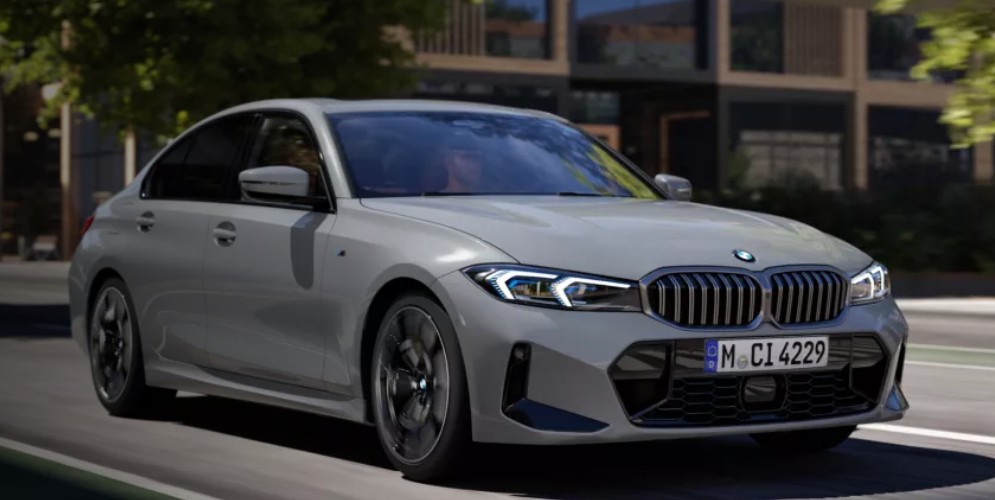
The BMW 3 Series has long been the benchmark for sporty executive sedans. Whether we drive a classic E46, a refined F30, or the latest G20 generation, one small maintenance detail has a surprisingly large impact on the driving experience: tyre pressure.
Many drivers focus on horsepower, fuel economy, and maintenance schedules while overlooking the air inside their tyres. Yet tyre pressure influences nearly every aspect of how a BMW performs. It affects handling, braking, comfort, fuel consumption, tyre wear, and even safety.
Think of tyre pressure as the foundation of a house. The structure above might be beautiful, but if the foundation is weak, everything else suffers.
In this guide, we'll explore everything you need to know about BMW 3 Series tyre pressure, including recommended settings, seasonal adjustments, warning lights, troubleshooting, and best practices for maximizing tyre life.
Understanding BMW 3 Series Tyre Pressure
Tyre pressure refers to the amount of air contained inside a tyre. It is typically measured in:
- PSI (Pounds per Square Inch)
- Bar
- kPa (Kilopascals)
BMW usually provides tyre pressure recommendations in multiple formats to accommodate different regions.
Maintaining the correct pressure ensures the tyre contacts the road exactly as engineers intended.
When tyres are underinflated or overinflated, the contact patch changes, leading to reduced performance and increased wear.
Where to Find BMW 3 Series Recommended Tyre Pressure
Driver's Door Jamb Sticker
The easiest place to find official tyre pressure specifications is inside the driver's door frame.
BMW places a sticker that includes:
- Front tyre pressure
- Rear tyre pressure
- Partial load settings
- Full load settings
- Tyre dimensions
Always prioritize the manufacturer's recommendations over generic tyre advice.
Owner's Manual
The owner's manual contains detailed tyre information tailored to your specific model.
Pressure recommendations may vary depending on:
- Engine size
- Wheel diameter
- Tyre type
- Vehicle load
BMW iDrive System
Many newer BMW 3 Series models display tyre information directly within the infotainment system.
This allows drivers to quickly verify recommended values.
Typical BMW 3 Series Tyre Pressure Settings
Standard Daily Driving
Most BMW 3 Series models generally operate within the following ranges:
| Position | PSI |
|---|---|
| Front | 32-36 PSI |
| Rear | 35-42 PSI |
Exact figures depend on the generation and wheel configuration.
Heavy Load Conditions
When carrying:
- Multiple passengers
- Heavy luggage
- Cargo
BMW often recommends increasing rear tyre pressure.
This helps maintain stability and proper tyre shape under load.
BMW 3 Series Generations and Tyre Pressure Differences
E46 BMW 3 Series (1997–2006)
The E46 typically uses smaller wheel sizes.
Recommended pressures commonly fall between:
- 30-35 PSI front
- 33-39 PSI rear
The precise value depends on wheel size and vehicle loading.
E90 BMW 3 Series (2005–2013)
The E90 introduced more sophisticated chassis technology.
Pressure recommendations often range from:
- 32-36 PSI front
- 35-41 PSI rear
F30 BMW 3 Series (2011–2019)
The F30 commonly features larger wheels and run-flat tyres.
Many versions operate best between:
- 33-38 PSI front
- 36-42 PSI rear
G20 BMW 3 Series (2019-Present)
The latest generation emphasizes efficiency and performance.
Pressure recommendations vary widely depending on wheel options and driving conditions.
How Run-Flat Tyres Affect Pressure Requirements
What Are Run-Flat Tyres?
Many BMW 3 Series models leave the factory with run-flat tyres.
These tyres can temporarily support the vehicle after a puncture.
Benefits include:
- No immediate roadside tyre change
- Additional convenience
- Improved safety during punctures
Pressure Sensitivity
Run-flat tyres are often more sensitive to incorrect pressure.
Even small deviations can affect:
- Ride quality
- Steering feel
- Tyre lifespan
For this reason, regular pressure checks are essential.
The Dangers of Low Tyre Pressure
Reduced Fuel Economy
Underinflated tyres create more rolling resistance.
The engine must work harder to move the vehicle.
As a result:
- Fuel consumption increases
- Operating costs rise
Poor Handling
BMW is famous for precise handling.
Low tyre pressure compromises:
- Steering response
- Cornering stability
- Road feedback
The vehicle may feel sluggish or unstable.
Increased Tyre Wear
Underinflated tyres wear faster on the outer edges.
This shortens tyre life significantly.
Higher Risk of Blowouts
Excess flexing creates heat.
Heat is one of a tyre's greatest enemies.
Extended driving on severely underinflated tyres can result in failure.
The Risks of Overinflated Tyres
Reduced Traction
Too much air reduces the tyre's contact patch.
Less rubber touches the road.
This can reduce grip during:
- Braking
- Acceleration
- Cornering
Harsh Ride Quality
A BMW should feel balanced and refined.
Overinflated tyres often make the ride:
- Stiffer
- Noisier
- Less comfortable
Uneven Tyre Wear
Excess pressure causes wear in the center tread area.
This leads to premature replacement.
Seasonal Changes and BMW Tyre Pressure
Why Cold Weather Matters
Temperature has a direct effect on tyre pressure.
A common rule:
For every 10°F temperature drop, tyres lose approximately 1 PSI.
Winter often triggers tyre pressure warnings.
Summer Heat Considerations
Hot weather increases internal tyre pressure.
However, avoid releasing air from warm tyres immediately after driving.
Always check pressure when tyres are cold.
How to Check BMW 3 Series Tyre Pressure
Step 1: Let Tyres Cool
Check pressure before driving or after the vehicle has been parked for several hours.
Step 2: Remove Valve Cap
Unscrew the cap and keep it safe.
Step 3: Attach Pressure Gauge
Press the gauge firmly onto the valve stem.
Step 4: Read Measurement
Compare the reading to BMW's recommended values.
Step 5: Adjust Air Pressure
Add or remove air as needed.
Step 6: Replace Valve Cap
Secure the cap to prevent contamination.
How Often Should We Check Tyre Pressure?
Many drivers wait for warning lights.
That approach is risky.
A better routine is:
- Once every month
- Before long trips
- After major temperature changes
- Following tyre repairs
Regular checks take only a few minutes.
Understanding the BMW Tyre Pressure Warning Light
What the Warning Symbol Looks Like
The TPMS indicator resembles a horseshoe shape with an exclamation mark.
When illuminated, it usually indicates:
- Low tyre pressure
- Pressure imbalance
- System reset requirement
When to Take Action
Do not ignore the warning.
Instead:
- Safely stop.
- Inspect tyres.
- Measure pressure.
- Inflate if necessary.
Resetting BMW 3 Series TPMS
Using the iDrive System
Many modern BMW models allow TPMS resetting through iDrive.
Typical process:
- Open Vehicle Settings.
- Select Vehicle Status.
- Choose Tyre Pressure Monitor.
- Start Reset.
- Drive normally until calibration completes.
Why Resetting Is Important
The system needs updated baseline values.
Without resetting, warnings may persist.
Tyre Pressure for Performance Driving
Track Day Considerations
Enthusiasts often adjust tyre pressure for track use.
This is because tyre temperatures increase dramatically under hard driving.
Track-focused adjustments may improve:
- Cornering grip
- Stability
- Consistency
Street vs Track Pressures
Street settings prioritize:
- Comfort
- Longevity
- Fuel economy
Track settings prioritize:
- Maximum grip
- Heat management
Always return to manufacturer specifications after track sessions.
How Wheel Size Influences Tyre Pressure
17-Inch Wheels
Often provide:
- Better comfort
- Lower operating costs
Pressure requirements tend to be slightly lower.
18-Inch Wheels
Offer a balance between comfort and sportiness.
19-Inch Wheels
Larger wheels frequently require higher pressure.
This helps support shorter tyre sidewalls.
Common BMW 3 Series Tyre Pressure Mistakes
Ignoring Seasonal Changes
Weather changes can alter tyre pressure quickly.
Using Maximum Sidewall Pressure
The number on the tyre sidewall is not the recommended operating pressure.
It represents the maximum allowable pressure.
Checking Hot Tyres
Hot tyres produce misleading readings.
Forgetting the Spare Tyre
If your BMW includes a spare, check it regularly.
Signs Your BMW Tyres Need Immediate Attention
Watch for:
- Uneven tread wear
- Vehicle pulling to one side
- TPMS warnings
- Vibrations
- Reduced fuel economy
- Poor steering response
These symptoms often indicate pressure-related issues.
How Correct Tyre Pressure Saves Money
Many owners focus solely on maintenance costs.
Yet proper tyre pressure can save money through:
- Better fuel economy
- Longer tyre lifespan
- Reduced suspension wear
- Improved braking performance
A few minutes of maintenance each month can prevent hundreds of dollars in avoidable expenses.
Tyre Pressure and BMW Driving Dynamics
BMW engineers spend countless hours refining handling characteristics.
Incorrect tyre pressure disrupts that balance.
When pressures are correct, the BMW 3 Series delivers:
- Precise steering
- Predictable cornering
- Strong braking
- Improved efficiency
- Better ride comfort
The result is the driving experience that has made the 3 Series a benchmark for decades.
Best Practices for BMW 3 Series Owners
Monthly Maintenance Checklist
- Check all four tyres
- Inspect tread depth
- Look for sidewall damage
- Verify TPMS operation
- Confirm recommended pressure levels
Long-Term Ownership Tips
- Rotate tyres when recommended
- Align wheels regularly
- Replace damaged valve stems
- Use a quality pressure gauge
- Follow BMW specifications
Small habits create big rewards over time.
Conclusion
Tyre pressure may seem like a minor detail, but it plays a major role in how a BMW 3 Series performs. From fuel economy and tyre longevity to safety and handling precision, proper inflation affects virtually every mile we drive.
Whether we own an E46, E90, F30, or the latest G20, maintaining the correct tyre pressure helps preserve the balanced, engaging driving dynamics that define the BMW 3 Series. By checking pressures regularly, responding promptly to TPMS warnings, and following BMW's recommended specifications, we can enjoy safer journeys, lower running costs, and the driving confidence that comes from a properly maintained vehicle.
Frequently Asked Questions
1. What is the correct tyre pressure for a BMW 3 Series?
Most BMW 3 Series models operate between 32 and 42 PSI, depending on generation, wheel size, and vehicle load. Always check the driver's door sticker for exact values.
2. Why does my BMW tyre pressure warning light keep coming on?
Common causes include low pressure, temperature changes, a slow puncture, or a TPMS reset that was not completed after inflation.
3. Can I drive with low tyre pressure?
Driving with low tyre pressure is not recommended because it reduces safety, increases tyre wear, and may lead to tyre failure.
4. How often should I check BMW 3 Series tyre pressure?
A monthly inspection is ideal, along with checks before long trips and during significant weather changes.
5. Do run-flat tyres require different pressure levels?
Many run-flat-equipped BMW models have specific pressure recommendations. Always follow the values listed by BMW for your exact tyre and wheel combination.
If you want to know other articles similar to BMW 3 Series Tyre Pressure: The Complete Guide for Safety, Performance, and Efficiency you can visit the category Service and Parts.
Volvo S90 Engine Oil: Type, Capacity & Change Guide
Volvo S90 Boot Space: Size, Capacity and Practicality
SEO Title: Volvo S90 Oil Capacity: Complete Guide by Engine

Kia Sorento Oil Type: Complete Guide by Year & Engine
Kia Sorento Engine Capacity: Complete Guide by Year
Peugeot 308 Clutch Replacement Cost: Complete UK Guide for 2026
Leave a Reply
More content of your interest