
BMW 4 Series Tyre Size: Complete Guide to Choosing the Right Tires

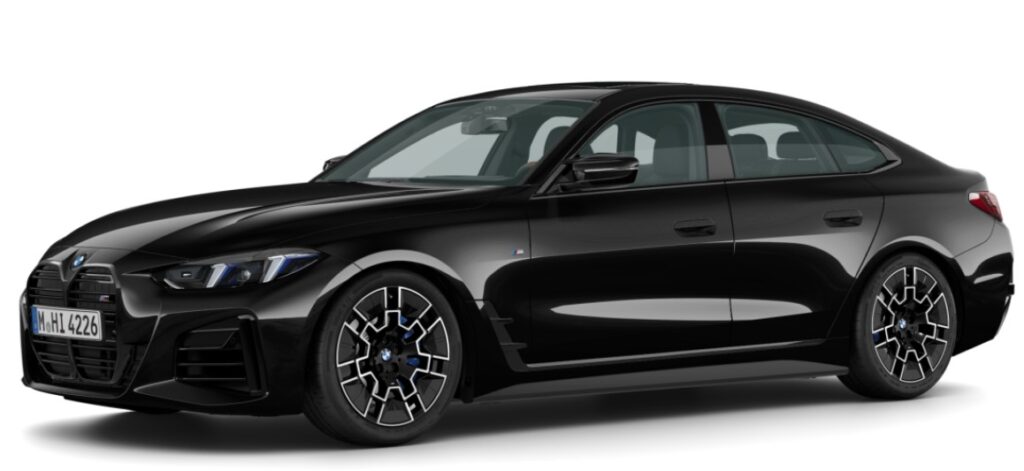
When it comes to driving pleasure, few cars strike the balance between luxury, performance, and style quite like the BMW 4 Series. Whether you own a Coupe, Gran Coupe, Convertible, or the high-performance M440i, one factor has a massive impact on your driving experience: the correct BMW 4 Series tyre size.
Tyres are the only part of your car that actually touch the road. Think of them as the shoes your BMW wears every day. Even the most powerful engine or advanced suspension system cannot perform at its best if the wrong tyre size is fitted.
In this comprehensive guide, we'll explore everything you need to know about BMW 4 Series tyre sizes, including factory specifications, wheel options, staggered setups, winter tyres, performance considerations, and tips for selecting the ideal replacement tyres.
Content in this publication
- Why BMW 4 Series Tyre Size Matters
- Understanding BMW Tyre Size Numbers
- BMW 4 Series Generations and Their Tyre Sizes
- G22 BMW 4 Series Coupe (2021-Present)
- BMW M440i Tyre Sizes
- What Is a Staggered Tyre Setup?
- Square Setup vs Staggered Setup
- Best Tyre Sizes for Daily Driving
- Best Tyre Sizes for Performance Driving
- Winter Tyre Sizes for BMW 4 Series
- Run-Flat Tyres vs Conventional Tyres
- Popular Tyres for BMW 4 Series
- How to Check Your BMW 4 Series Tyre Size
- Can You Change BMW 4 Series Tyre Sizes?
- Common Mistakes When Buying BMW 4 Series Tyres
- How Long Do BMW 4 Series Tyres Last?
- Tyre Pressure and Tyre Size Relationship
- How Wheel Size Changes Driving Feel
- Choosing the Ideal BMW 4 Series Tyre Size
- Conclusion
- Frequently Asked Questions
Why BMW 4 Series Tyre Size Matters
Choosing the correct tyre size isn't just about fitting rubber onto a wheel.
The right size affects:
- Handling and cornering
- Braking performance
- Fuel economy
- Ride comfort
- Speedometer accuracy
- Traction in wet and dry conditions
- Suspension performance
A tyre that's too large or too small can dramatically alter the way your BMW behaves on the road.
BMW engineers spend thousands of hours fine-tuning tyre and wheel combinations. Following factory recommendations helps preserve the car's intended driving characteristics.
Understanding BMW Tyre Size Numbers
Before diving into specific BMW 4 Series tyre sizes, let's decode a typical tyre marking.
Example:
225/45 R18 95Y
Here's what it means:
| Marking | Meaning |
|---|---|
| 225 | Tyre width in millimeters |
| 45 | Aspect ratio |
| R | Radial construction |
| 18 | Wheel diameter in inches |
| 95 | Load index |
| Y | Speed rating |
Once you understand this language, reading tyre specifications becomes much easier.
BMW 4 Series Generations and Their Tyre Sizes
The BMW 4 Series has evolved through several generations.
F32 Coupe (2013-2020)
The F32 introduced the 4 Series nameplate, replacing the former 3 Series Coupe.
Common tyre sizes included:
- 225/50 R17
- 225/45 R18
- 255/40 R18
- 225/40 R19
- 255/35 R19
Depending on trim level, BMW offered both square and staggered setups.
F33 Convertible (2014-2020)
The convertible generally shared tyre specifications with the coupe.
Popular sizes:
- 225/45 R18
- 255/40 R18
- 225/40 R19
- 255/35 R19
F36 Gran Coupe (2014-2020)
The Gran Coupe added practicality without sacrificing sporty styling.
Factory tyre sizes often included:
- 225/50 R17
- 225/45 R18
- 255/40 R18
G22 BMW 4 Series Coupe (2021-Present)
The latest generation brought larger dimensions and updated wheel options.
Common tyre sizes include:
18-Inch Wheels
Front and rear:
- 225/45 R18
Staggered setup:
- Front: 225/45 R18
- Rear: 255/40 R18
19-Inch Wheels
Popular factory fitments:
- Front: 225/40 R19
- Rear: 255/35 R19
Some M Sport models feature:
- Front: 245/40 R19
- Rear: 255/35 R19
20-Inch Wheels
Higher-performance models often use:
- Front: 245/35 R20
- Rear: 255/30 R20
These wheels provide an aggressive appearance and sharper handling.
BMW M440i Tyre Sizes
The M440i sits at the top of the standard 4 Series lineup.
BMW equips many M440i models with staggered tyre configurations.
Typical specifications:
Front Tyres
- 225/40 R19
- 245/40 R19
- 245/35 R20
Rear Tyres
- 255/35 R19
- 255/30 R20
This setup improves traction and allows the rear wheels to handle the engine's substantial torque output.
What Is a Staggered Tyre Setup?
Many BMW 4 Series models use staggered tyres.
This means:
- Wider tyres at the rear
- Narrower tyres at the front
Example:
- Front: 225/40 R19
- Rear: 255/35 R19
Advantages
- Better traction
- Improved acceleration
- Enhanced cornering stability
- Sportier appearance
Disadvantages
- Cannot rotate front-to-rear
- Higher replacement costs
- Faster rear tyre wear
For performance enthusiasts, the benefits usually outweigh the drawbacks.
Square Setup vs Staggered Setup
Square Setup
Same tyre size on all four corners.
Example:
- 225/45 R18 all around
Benefits:
- Easier tyre rotation
- Longer tyre life
- Lower ownership costs
Staggered Setup
Different front and rear sizes.
Benefits:
- Better performance
- Enhanced grip
- More aggressive stance
BMW often chooses staggered configurations for sport-oriented trims.
Best Tyre Sizes for Daily Driving
If your BMW 4 Series serves as a daily commuter, comfort and efficiency become important priorities.
Recommended sizes:
17-Inch Wheels
- 225/50 R17
Advantages:
- Smooth ride
- Lower tyre costs
- Better pothole protection
18-Inch Wheels
- 225/45 R18
Advantages:
- Excellent balance
- Improved handling
- Comfortable ride quality
Many owners consider 18-inch wheels the sweet spot.
Best Tyre Sizes for Performance Driving
Drivers who enjoy spirited backroad adventures often prioritize grip over comfort.
Ideal choices:
19-Inch Performance Setup
- Front: 225/40 R19
- Rear: 255/35 R19
Benefits:
- Precise steering
- Increased cornering grip
- Enhanced aesthetics
20-Inch Performance Setup
- Front: 245/35 R20
- Rear: 255/30 R20
Benefits:
- Maximum road presence
- Sharp turn-in response
- Improved dry-weather grip
However, ride comfort may suffer on rough roads.
Winter Tyre Sizes for BMW 4 Series
Cold weather changes everything.
Even the best summer tyres lose effectiveness when temperatures fall below 7°C (45°F).
Recommended Winter Sizes
Common winter configurations include:
- 225/50 R17
- 225/45 R18
Narrower tyres often perform better in snow because they cut through slush more effectively.
Benefits of Winter Tyres
- Better snow traction
- Shorter braking distances
- Improved cold-weather grip
- Enhanced safety
For drivers in colder climates, winter tyres are one of the smartest investments possible.
Run-Flat Tyres vs Conventional Tyres
BMW traditionally fitted many 4 Series models with run-flat tyres.
Run-Flat Advantages
- Drive after puncture
- No immediate roadside tyre change
- Improved convenience
Run-Flat Disadvantages
- Firmer ride quality
- Higher replacement cost
- Increased road noise
Many owners switch to conventional tyres for improved comfort.
Popular Tyres for BMW 4 Series
Not all tyres are created equal.
Several models consistently perform well on the 4 Series.
Michelin Pilot Sport 4S
Perfect for performance drivers.
Benefits:
- Outstanding grip
- Excellent wet-weather handling
- Long lifespan
Michelin Pilot Sport 5
A superb all-around choice.
Known for:
- Balanced performance
- Strong wet traction
- Comfortable ride
Continental SportContact 7
One of the newest high-performance options.
Strengths:
- Exceptional steering precision
- Strong braking performance
- Excellent dry grip
Goodyear Eagle F1 Asymmetric
Popular among BMW owners.
Advantages:
- Quiet operation
- Reliable grip
- Good value
How to Check Your BMW 4 Series Tyre Size
Finding the correct size is simple.
Look in these locations:
Driver's Door Jamb
BMW places tyre information stickers here.
Owner's Manual
Factory-approved tyre sizes are listed.
Sidewall of Existing Tyres
Current tyre dimensions are printed directly on the sidewall.
BMW iDrive System
Many modern BMWs display tyre specifications digitally.
Can You Change BMW 4 Series Tyre Sizes?
Yes—but caution is necessary.
Many owners upgrade wheels for aesthetics or performance.
Before changing sizes:
- Maintain similar overall tyre diameter
- Verify wheel offset
- Ensure adequate clearance
- Confirm speedometer accuracy
Small changes are usually safe, but extreme modifications can create issues.
Common Mistakes When Buying BMW 4 Series Tyres
Avoid these costly errors.
Ignoring Load Ratings
Every tyre has a load capacity.
Using an insufficient load rating can compromise safety.
Mixing Tyre Brands
Different brands may behave differently under braking and cornering.
Consistency is usually best.
Choosing Style Over Function
Huge wheels look impressive.
However, they may reduce comfort and increase repair costs.
Skipping Wheel Alignment
New tyres deserve a proper alignment.
Failure to align can cause premature wear.
How Long Do BMW 4 Series Tyres Last?
Tyre lifespan varies significantly.
Typical ranges:
| Driving Style | Expected Lifespan |
|---|---|
| Conservative | 40,000–50,000 miles |
| Mixed Driving | 25,000–40,000 miles |
| Aggressive Driving | 15,000–25,000 miles |
Rear tyres on staggered setups often wear faster.
Regular inspections help maximize longevity.
Tyre Pressure and Tyre Size Relationship
Tyre size and pressure work together like dance partners.
Larger tyres often require different inflation pressures.
Always follow BMW's recommendations.
Incorrect pressure can lead to:
- Uneven wear
- Poor fuel economy
- Reduced grip
- Increased braking distance
Checking tyre pressure monthly is a simple habit that pays dividends.
How Wheel Size Changes Driving Feel
Different wheel sizes transform the personality of a BMW 4 Series.
17-Inch Wheels
- Comfortable
- Quiet
- Efficient
18-Inch Wheels
- Balanced
- Practical
- Sporty
19-Inch Wheels
- Responsive
- Stylish
- Performance-focused
20-Inch Wheels
- Aggressive
- Sharp handling
- Reduced comfort
Think of wheel size like footwear. Running shoes feel different from racing spikes, even though both serve the same purpose.
Choosing the Ideal BMW 4 Series Tyre Size
The perfect tyre size depends on your priorities.
Choose:
- 17 inches for comfort and affordability.
- 18 inches for the best all-around experience.
- 19 inches for enhanced performance.
- 20 inches for maximum visual impact.
For most owners, 18-inch or 19-inch setups deliver the ideal balance of comfort, handling, appearance, and value.
Conclusion
The correct BMW 4 Series tyre size is about far more than appearance. It influences handling, comfort, braking, fuel efficiency, and overall driving enjoyment. Whether you're driving an F32 Coupe, F36 Gran Coupe, G22 Coupe, or M440i, selecting the proper tyre dimensions helps your BMW perform exactly as its engineers intended.
While larger wheels may turn heads and smaller wheels may improve comfort, the best choice always depends on your driving habits and priorities. By understanding tyre sizes, wheel configurations, and performance considerations, we can make smarter decisions and keep our BMW 4 Series driving at its very best for years to come.
Frequently Asked Questions
1. What is the standard BMW 4 Series tyre size?
Most BMW 4 Series models commonly use 225/45 R18 tyres, although specifications vary by generation and trim level.
2. Can I fit 20-inch wheels on a BMW 4 Series?
Yes. Many M Sport and M440i models support factory-approved 20-inch wheel and tyre combinations.
3. Are staggered tyres better for performance?
Yes. Staggered setups improve traction, acceleration, and cornering stability, particularly on powerful rear-wheel-drive models.
4. What is the best tyre size for everyday driving?
An 18-inch setup with 225/45 R18 tyres offers an excellent blend of comfort, handling, and affordability.
5. Do BMW 4 Series cars come with run-flat tyres?
Many models were factory-equipped with run-flat tyres, although some owners switch to conventional tyres for improved comfort and reduced road noise.
If you want to know other articles similar to BMW 4 Series Tyre Size: Complete Guide to Choosing the Right Tires you can visit the category Service and Parts.
MG HS Tyre Pressure Guide: Correct PSI and TPMS
Toyota Yaris Cross Dashboard Symbols

BMW 3 Series Warning Lights: The Complete Guide to Understanding Every Dashboard Symbol
Nissan Qashqai Fuel Tank Capacity: Complete Guide

Suzuki Swift Fuel Tank Capacity: Complete Guide
Mazda CX-5 Weight (2013–2026): Complete Guide in Pounds and KG
Leave a Reply
More content of your interest