

BMW 3 Series Reliability: The Complete Guide to Long-Term Ownership

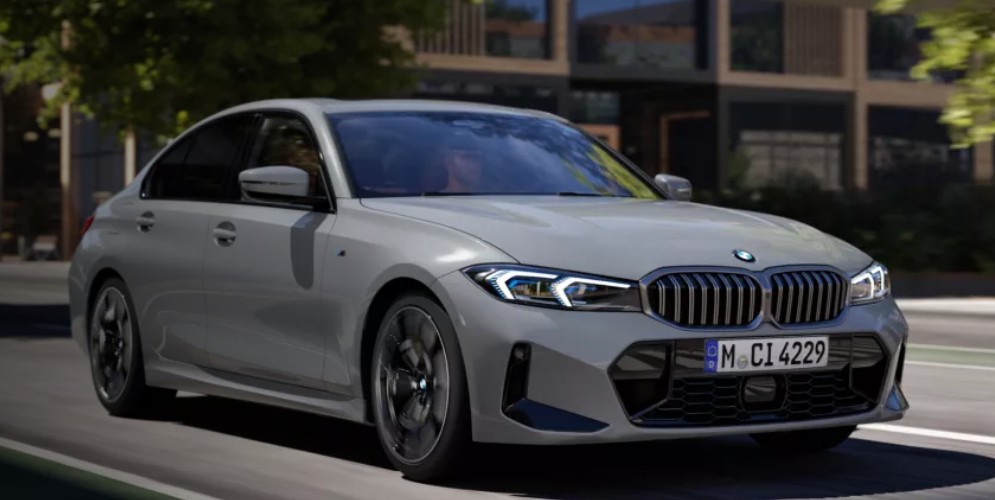
The BMW 3 Series has long been the benchmark for compact luxury sedans. For decades, it has blended sporty handling, premium comfort, and cutting-edge technology into one appealing package. Yet one question continues to surface among buyers, whether they are shopping for a brand-new model or a used example: How reliable is the BMW 3 Series?
The answer is more nuanced than a simple yes or no. Reliability depends on factors such as generation, engine choice, maintenance history, driving habits, and ownership expectations. Like a finely crafted mechanical watch, a BMW 3 Series rewards care and attention. Neglect it, and problems can quickly become expensive.
In this comprehensive guide, we will explore BMW 3 Series reliability across different generations, common issues, ownership costs, maintenance expectations, and what prospective buyers should know before purchasing one.
Content in this publication
- Why Reliability Matters in a Luxury Sedan
- The Evolution of BMW 3 Series Reliability
- BMW 3 Series Reliability by Generation
- The E90 Generation: A Mixed Reputation
- F30 Generation Reliability (2012–2019)
- G20 Generation Reliability (2019–Present)
- Understanding BMW Engine Reliability
- Common BMW 3 Series Reliability Problems
- Maintenance: The Key to Reliability
- How Many Miles Can a BMW 3 Series Last?
- BMW 3 Series Reliability Compared to Competitors
- Used BMW 3 Series Reliability Buying Guide
- Reliability Tips for Long-Term Ownership
- Is the BMW 3 Series Expensive to Maintain?
- Who Should Buy a BMW 3 Series?
- The Verdict on BMW 3 Series Reliability
- Frequently Asked Questions
Why Reliability Matters in a Luxury Sedan
Reliability is often the invisible feature buyers appreciate most. Horsepower, leather seats, and large infotainment screens capture attention during a test drive, but reliability determines whether the ownership experience remains enjoyable years later.
A reliable vehicle offers:
- Lower repair costs
- Reduced downtime
- Better resale value
- Increased owner satisfaction
- Greater confidence on long journeys
The BMW 3 Series consistently scores well in driver satisfaction because it balances performance and practicality. However, reliability perceptions have varied throughout its history.
The Evolution of BMW 3 Series Reliability
Early Generations Built a Strong Foundation
The earliest BMW 3 Series models established a reputation for durability and driving excellence.
These vehicles featured:
- Simpler mechanical systems
- Fewer electronic components
- Naturally aspirated engines
- Robust manual transmissions
Many examples from these generations continue operating today with hundreds of thousands of miles on the odometer.
The Technology Era Changed Everything
As automotive technology advanced, BMW introduced:
- Turbocharged engines
- Sophisticated electronics
- Advanced safety systems
- Digital infotainment platforms
These innovations improved performance and comfort but also increased complexity. More technology often means more potential failure points.
BMW 3 Series Reliability by Generation
E30 Generation (1982–1994)
Why Enthusiasts Love the E30
The E30 remains one of the most beloved BMWs ever produced.
Its strengths include:
- Exceptional mechanical durability
- Straightforward maintenance
- Strong engine reliability
- Timeless design
When properly maintained, E30 models can easily surpass 200,000 miles.
Common E30 Problems
Even durable classics have weaknesses:
- Aging rubber components
- Cooling system wear
- Suspension bushing deterioration
- Electrical issues caused by age
Most problems are age-related rather than design flaws.
E36 Generation (1990–2000)
Improved Comfort and Refinement
The E36 introduced greater sophistication while maintaining respectable reliability.
Owners generally appreciate:
- Reliable inline-six engines
- Good transmission longevity
- Balanced chassis design
Known E36 Weaknesses
Common concerns include:
- Cooling system failures
- Water pump issues
- Window regulator failures
- Rear suspension wear
Preventive maintenance significantly improves ownership outcomes.
E46 Generation (1997–2006)
One of the Most Reliable BMW 3 Series Models
Many enthusiasts consider the E46 the sweet spot between modern refinement and mechanical simplicity.
Key strengths include:
- Durable engines
- Strong driving dynamics
- Manageable repair complexity
- Excellent parts availability
Common E46 Reliability Issues
Potential concerns include:
- Cooling system components
- Oil leaks
- Rear subframe cracking
- VANOS seal wear
Fortunately, most of these issues are well understood and relatively straightforward to address.
The E90 Generation: A Mixed Reputation
Performance Meets Complexity
The E90 generation introduced advanced technology and powerful engines.
Benefits included:
- Improved safety
- Better fuel efficiency
- Enhanced interior quality
- Superior driving dynamics
Reliability Challenges
Some models developed reputations for:
- High-pressure fuel pump failures
- Turbocharger issues
- Carbon buildup
- Electric water pump failures
These problems do not affect every vehicle, but repair costs can be significant.
Best E90 Engines for Reliability
Many experts favor:
- Naturally aspirated inline-six engines
- Lower-output variants
- Well-maintained examples with complete service histories
A carefully selected E90 can still provide excellent long-term reliability.
F30 Generation Reliability (2012–2019)
A Significant Improvement
The F30 represented a major step forward.
BMW refined many systems and improved overall dependability.
Advantages include:
- More efficient engines
- Better electronics
- Improved fuel economy
- Enhanced comfort
Most Reliable F30 Models
Particular praise often goes to:
- 320i
- 328i (later years)
- 330i
- 340i
These models generally demonstrate strong long-term ownership experiences when maintained properly.
You may be interested in reading How Many Miles Can BMW 3 Series Last? The Ultimate Longevity Guide
Common F30 Issues
Owners occasionally report:
- Timing chain concerns on some engines
- Cooling system wear
- Electronic sensor failures
- Oil leaks
However, overall reliability improved noticeably compared to some earlier generations.
G20 Generation Reliability (2019–Present)
BMW's Modern Reliability Success Story
The latest generation has surprised many critics.
BMW invested heavily in quality control, resulting in:
- Better build quality
- More reliable powertrains
- Improved software integration
- Enhanced durability
Why the G20 Stands Out
The current BMW 3 Series benefits from years of engineering refinement.
Owners frequently praise:
- Smooth engine operation
- Reduced mechanical failures
- Better cabin durability
- Excellent daily usability
Many industry analysts consider it one of the most reliable modern BMWs.
Understanding BMW Engine Reliability
The Legendary Inline-Six Formula
BMW's inline-six engines have become legendary for good reason.
Their advantages include:
- Smooth operation
- Strong longevity
- Balanced performance
- Proven engineering
Models equipped with well-maintained inline-six engines often enjoy impressive lifespans.
Turbocharged Engine Considerations
Turbocharged engines offer:
- Better fuel economy
- Greater power output
- Improved torque delivery
However, they introduce additional components such as:
- Turbochargers
- Intercoolers
- High-pressure fuel systems
These systems require careful maintenance.
Does Turbocharging Reduce Reliability?
Not necessarily.
Modern BMW turbo engines are far more durable than early turbocharged designs. Proper maintenance remains the determining factor.
Common BMW 3 Series Reliability Problems
Cooling System Issues
Cooling systems represent one of the most frequently discussed BMW concerns.
Components that may require attention include:
- Water pumps
- Thermostats
- Radiators
- Expansion tanks
Ignoring cooling system maintenance can lead to expensive engine damage.
Oil Leaks
Oil leaks are common as BMWs age.
Typical sources include:
- Valve cover gaskets
- Oil filter housing gaskets
- Oil pan gaskets
Addressing leaks early prevents larger problems.
Electronic Component Failures
Modern BMWs contain dozens of electronic modules.
Occasional issues may involve:
- Sensors
- Infotainment systems
- Window controls
- Battery management systems
Fortunately, many electronic repairs are relatively straightforward.
Maintenance: The Key to Reliability
Why Maintenance Matters More Than Brand
Many reliability studies fail to consider maintenance quality.
A neglected Toyota can become unreliable.
A carefully maintained BMW can remain dependable for decades.
Essential Maintenance Schedule
Owners should prioritize:
- Regular oil changes
- Cooling system inspections
- Brake fluid replacement
- Transmission servicing
- Battery testing
Following recommended maintenance intervals dramatically improves reliability.
The Cost of Skipping Service
Deferred maintenance often creates a domino effect.
One ignored problem can trigger multiple failures, significantly increasing repair costs.
How Many Miles Can a BMW 3 Series Last?
Realistic Longevity Expectations
A well-maintained BMW 3 Series can commonly reach:
- 150,000 miles without major issues
- 200,000 miles with proper care
- 250,000+ miles in exceptional cases
Mileage alone rarely determines reliability.
Service history matters far more.
The Importance of Ownership History
When buying used, focus on:
You may be interested in readingHow Many Miles Can BMW 3 Series Last? The Ultimate Longevity GuideYou may be interested in reading
How Long Do BMW 3 Series Last? A Complete Guide to BMW 3 Series Longevity- Maintenance records
- Consistent servicing
- Accident history
- Quality repairs
A high-mileage vehicle with excellent records often proves more reliable than a low-mileage example with poor maintenance.
BMW 3 Series Reliability Compared to Competitors
BMW 3 Series vs Mercedes-Benz C-Class
The BMW 3 Series typically offers:
- Better driving engagement
- Comparable reliability
- Similar maintenance costs
Both vehicles require attentive ownership.
BMW 3 Series vs Audi A4
The Audi A4 often matches the BMW in technology and luxury.
However, many enthusiasts believe the BMW offers:
- More durable powertrains
- Better driving dynamics
- Stronger long-term ownership satisfaction
BMW 3 Series vs Lexus IS
Lexus generally wins pure reliability comparisons.
However, the BMW delivers:
- Sharper handling
- More engaging performance
- Broader engine selection
Choosing between them often depends on priorities.
Used BMW 3 Series Reliability Buying Guide
Best Years to Consider
Several model years stand out:
- Late E46 models
- Later F30 models
- Current G20 models
These often combine strong reliability with modern features.
What to Inspect Before Purchase
A pre-purchase inspection should evaluate:
- Engine condition
- Cooling system health
- Suspension components
- Electronic systems
- Service history
Professional inspections can save thousands of dollars.
Warning Signs to Avoid
Be cautious of:
- Missing maintenance records
- Excessive engine noise
- Fluid leaks
- Dashboard warning lights
- Poor-quality modifications
These red flags may indicate future expenses.
Reliability Tips for Long-Term Ownership
Simple Habits That Make a Difference
Owners can improve reliability by:
- Warming the engine properly
- Following maintenance schedules
- Using quality fluids
- Addressing problems immediately
- Avoiding cheap replacement parts
These practices help maximize longevity.
The Value of Preventive Maintenance
Preventive maintenance acts like regular health checkups.
Small investments today often prevent major expenses tomorrow.
Is the BMW 3 Series Expensive to Maintain?
Understanding Ownership Costs
BMW maintenance typically costs more than mainstream brands.
Reasons include:
- Premium components
- Specialized labor
- Advanced engineering
However, maintenance expenses are often manageable when anticipated and budgeted.
Repair Costs vs Reliability
High repair costs do not necessarily mean poor reliability.
Luxury vehicles simply use more sophisticated systems.
The key distinction is frequency. A vehicle can be reliable yet expensive to repair when something eventually breaks.
Who Should Buy a BMW 3 Series?
Ideal Owners
The BMW 3 Series suits drivers who value:
- Performance
- Comfort
- Engineering excellence
- Premium features
It rewards owners who appreciate proactive maintenance.
Who Might Prefer Another Option?
Drivers seeking minimal maintenance involvement may prefer alternatives focused exclusively on low operating costs.
Reliability expectations should align with ownership habits.
The Verdict on BMW 3 Series Reliability
The BMW 3 Series is far more reliable than many outdated stereotypes suggest. While older generations experienced certain well-documented issues, BMW has made significant improvements over time. The latest models demonstrate strong dependability, refined engineering, and impressive durability.
Like a finely tuned orchestra, every component performs best when properly maintained. Owners who follow service schedules, address minor issues early, and choose quality parts often enjoy years of reliable operation.
Rather than asking whether the BMW 3 Series is reliable, a better question might be: are we willing to give a premium vehicle the care it deserves? For many owners, the answer is yes—and the rewards are well worth it.
Frequently Asked Questions
1. Is the BMW 3 Series reliable for daily driving?
Yes. Modern BMW 3 Series models are generally reliable daily drivers when maintained according to factory recommendations.
2. Which BMW 3 Series generation is the most reliable?
Many enthusiasts regard the E46 as one of the most reliable older generations, while the G20 is widely considered the most dependable modern generation.
3. Can a BMW 3 Series last over 200,000 miles?
Absolutely. Numerous well-maintained examples exceed 200,000 miles and continue operating reliably.
4. Are BMW repairs expensive?
Repairs can be more expensive than those of mainstream brands due to premium components and specialized labor requirements.
You may be interested in readingHow Many Miles Can BMW 3 Series Last? The Ultimate Longevity GuideYou may be interested in reading
How Long Do BMW 3 Series Last? A Complete Guide to BMW 3 Series LongevityYou may be interested in reading
Is BMW 3 Series a Good First Car? The Complete Beginner’s Guide5. What is the biggest reliability factor for a BMW 3 Series?
Maintenance history is the single most important factor affecting long-term reliability and ownership satisfaction.
If you want to know other articles similar to BMW 3 Series Reliability: The Complete Guide to Long-Term Ownership you can visit the category Blog.
How to Reset the Oil Light on a Kia Sportage
Volvo S90 Reliability: Problems, Costs & Best Years
Is Haval Jolion a Good Car? Honest Review, Reliability, Pros and Cons
How to Start Haval Jolion With Spare Key: Complete Guide
How to Calculate Per Diem on an Auto Loan

How to Calculate the Residual Value of a Car
Leave a Reply
More content of your interest