
How Long Do BMW 3 Series Last? A Complete Guide to BMW 3 Series Longevity

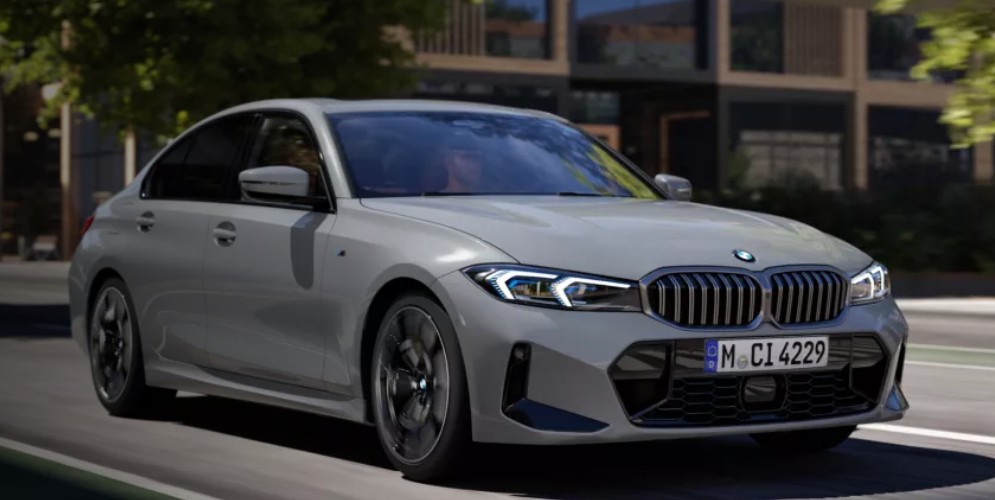
The BMW 3 Series has earned a reputation as one of the most iconic luxury sedans ever built. For decades, it has balanced performance, comfort, technology, and driving enjoyment in a way few competitors can match. Yet one question continues to surface among buyers and owners alike: How long do BMW 3 Series last?
The answer may surprise many people. A well-maintained BMW 3 Series can easily surpass 200,000 miles, and some examples have crossed the 300,000-mile mark while still delivering an enjoyable driving experience. However, longevity isn't determined by luck alone. Maintenance habits, driving style, model generation, and engine choice all play significant roles.
In this comprehensive guide, we'll explore exactly how long a BMW 3 Series can last, what affects its lifespan, common high-mileage issues, and how to maximize the life of your vehicle.
Content in this publication
- Understanding BMW 3 Series Longevity
- Average Lifespan of a BMW 3 Series
- Why Some BMW 3 Series Last Longer Than Others
- How Long Do BMW 3 Series Engines Last?
- How Long Does the BMW 3 Series Transmission Last?
- Which BMW 3 Series Generation Lasts the Longest?
- Mileage Milestones and What to Expect
- Common High-Mileage BMW 3 Series Problems
- Can a BMW 3 Series Reach 300,000 Miles?
- The Cost of Keeping a BMW 3 Series Long-Term
- Signs Your BMW 3 Series Can Last Another 100,000 Miles
- How to Make Your BMW 3 Series Last Longer
- Buying a High-Mileage BMW 3 Series
- BMW 3 Series vs Average Vehicle Lifespan
- Is the BMW 3 Series a Good Long-Term Car?
- Final Thoughts: How Long Do BMW 3 Series Last?
- Frequently Asked Questions
Understanding BMW 3 Series Longevity
When discussing vehicle lifespan, many people focus solely on mileage. While mileage matters, it tells only part of the story.
A BMW 3 Series lifespan depends on:
- Maintenance history
- Driving conditions
- Engine type
- Transmission care
- Climate exposure
- Ownership habits
Think of a BMW 3 Series like a professional athlete. With proper training, nutrition, and care, performance remains exceptional for years. Neglect those essentials, and decline happens much faster.
Average Lifespan of a BMW 3 Series
Most BMW 3 Series models can last:
| Condition | Expected Mileage |
|---|---|
| Poor Maintenance | 100,000–150,000 miles |
| Average Maintenance | 150,000–200,000 miles |
| Excellent Maintenance | 200,000–300,000+ miles |
In terms of years, this translates to approximately:
- 10–12 years under average ownership
- 15–20 years with excellent care
- Over 20 years for enthusiast-owned examples
Many older BMW 3 Series vehicles from the 1990s and early 2000s remain on the road today.
Why Some BMW 3 Series Last Longer Than Others
Not every BMW ages equally.
Several factors separate a 300,000-mile success story from a 120,000-mile money pit.
Maintenance Is Everything
Routine maintenance has the greatest impact on longevity.
Critical services include:
- Regular oil changes
- Cooling system inspections
- Brake fluid replacement
- Transmission servicing
- Differential maintenance
- Spark plug replacement
Owners who follow maintenance schedules typically enjoy significantly longer vehicle lifespans.
Driving Habits Matter
Aggressive driving places greater stress on:
- Engine components
- Transmission systems
- Suspension parts
- Tires
- Brakes
Smooth acceleration and consistent maintenance often extend longevity dramatically.
Storage Conditions
Garage-kept vehicles generally age better than cars exposed to:
- Snow
- Road salt
- Extreme sunlight
- Coastal humidity
Rust and weather damage can shorten a vehicle's life even when mechanical components remain healthy.
How Long Do BMW 3 Series Engines Last?
The engine is often the heart of the discussion.
Fortunately, many BMW engines are capable of impressive longevity.
Modern Turbocharged Engines
Popular engines such as:
- B46
- B48
- B58
can often exceed 200,000 miles when maintained correctly.
The B58 engine, in particular, has developed a strong reputation for durability.
Naturally Aspirated BMW Engines
Older engines like:
- M54
- N52
are widely considered some of BMW's most reliable powerplants.
Many examples have reached:
- 250,000 miles
- 300,000 miles
- Beyond 350,000 miles
with proper maintenance.
Engine Longevity Factors
Engine lifespan improves when owners:
- Use high-quality synthetic oil
- Warm the engine properly
- Address leaks early
- Avoid overheating
- Replace worn components proactively
How Long Does the BMW 3 Series Transmission Last?
A healthy transmission often lasts between 150,000 and 250,000 miles.
However, maintenance is critical.
Automatic Transmission Lifespan
Modern automatic transmissions are highly sophisticated.
When serviced properly, many last well beyond 200,000 miles.
Recommended practices include:
- Fluid changes
- Software updates
- Early diagnosis of shifting issues
Manual Transmission Longevity
Manual transmissions frequently outlast automatics.
With responsible driving habits, they can remain reliable for hundreds of thousands of miles.
The clutch itself typically requires replacement between:
You may be interested in reading Is BMW 3 Series a Good First Car? The Complete Beginner’s Guide
- 80,000 and 150,000 miles
depending on driving style.
Which BMW 3 Series Generation Lasts the Longest?
Certain generations have earned stronger reputations than others.
E46 (1999–2006)
The E46 remains one of the most beloved BMW generations.
Reasons include:
- Excellent balance of performance
- Simpler electronics
- Durable engine options
- Strong aftermarket support
Many E46 models still operate reliably today.
E90 (2006–2011)
The E90 introduced more technology while maintaining strong driving dynamics.
Reliable versions can easily surpass:
- 200,000 miles
- 250,000 miles
with attentive maintenance.
F30 (2012–2019)
The F30 improved efficiency and comfort.
Later production years generally offer better reliability than early models.
G20 (2019–Present)
Although relatively new, early data suggests promising long-term durability.
BMW's latest engineering improvements may allow these models to achieve impressive mileage figures in the future.
Mileage Milestones and What to Expect
50,000 Miles
At this stage:
- Vehicle feels nearly new
- Major repairs are uncommon
- Routine maintenance dominates ownership costs
100,000 Miles
This milestone often intimidates buyers unnecessarily.
A properly maintained BMW 3 Series at 100,000 miles may have plenty of life remaining.
Potential maintenance items include:
- Water pump
- Thermostat
- Suspension components
150,000 Miles
This is where maintenance history becomes crucial.
Well-maintained examples continue performing strongly.
Neglected vehicles often begin experiencing expensive repairs.
200,000 Miles
Many BMW enthusiasts consider 200,000 miles a realistic goal rather than an exception.
At this point:
- Some major components may have been replaced
- Consistent upkeep becomes increasingly important
300,000 Miles and Beyond
These vehicles become true endurance champions.
Reaching this milestone requires:
- Exceptional maintenance
- Mechanical sympathy
- Timely repairs
Common High-Mileage BMW 3 Series Problems
Even durable vehicles develop issues over time.
Cooling System Failures
Cooling systems are a known maintenance area.
Components that may require replacement include:
- Radiators
- Water pumps
- Expansion tanks
- Thermostats
Ignoring cooling issues can dramatically shorten engine life.
Oil Leaks
Common sources include:
- Valve cover gaskets
- Oil filter housing gaskets
- Oil pan gaskets
Addressing leaks early prevents larger problems.
Suspension Wear
Over time, components such as:
- Bushings
- Control arms
- Shock absorbers
naturally wear out.
Electronic Components
Modern BMWs contain extensive electronics.
As vehicles age, owners may encounter:
- Sensor failures
- Module issues
- Infotainment glitches
Fortunately, many electronic problems are repairable.
Can a BMW 3 Series Reach 300,000 Miles?
Absolutely.
Many examples already have.
You may be interested in readingIs BMW 3 Series a Good First Car? The Complete Beginner’s GuideYou may be interested in reading
Are BMW 3 Series Easy to Steal? A Complete Guide to Security, Risks, and PreventionHowever, reaching 300,000 miles requires a mindset shift.
Instead of waiting for components to fail completely, successful long-term owners:
- Perform preventative maintenance
- Replace aging parts proactively
- Use quality replacement components
- Follow recommended service intervals
The result is a vehicle that continues operating reliably long after many cars have been retired.
The Cost of Keeping a BMW 3 Series Long-Term
Longevity isn't free.
Luxury vehicles generally cost more to maintain than economy cars.
Expected Maintenance Costs
Long-term ownership may include:
- Oil changes
- Brake services
- Cooling system repairs
- Suspension refreshes
- Tire replacement
While maintenance expenses are higher than some mainstream brands, they often remain less expensive than purchasing a new luxury vehicle every few years.
Signs Your BMW 3 Series Can Last Another 100,000 Miles
Look for these indicators:
- Complete maintenance records
- Smooth engine operation
- No overheating history
- Healthy transmission shifts
- Minimal rust
- Strong compression
- Consistent fluid changes
These signs often indicate significant remaining lifespan.
How to Make Your BMW 3 Series Last Longer
Use High-Quality Fluids
Premium fluids help protect:
- Engine internals
- Transmission components
- Differential gears
Fix Small Problems Early
Minor issues often become expensive repairs when ignored.
A small coolant leak today may become an engine replacement tomorrow.
Follow Preventative Maintenance
The most successful long-term owners don't wait for breakdowns.
They anticipate maintenance needs.
Keep It Clean
Regular washing protects:
- Paint
- Undercarriage
- Suspension components
This is especially important in regions with road salt.
Buying a High-Mileage BMW 3 Series
Mileage alone shouldn't scare buyers.
A 180,000-mile BMW with meticulous maintenance records may be a better purchase than a neglected 80,000-mile example.
When shopping, focus on:
- Service history
- Ownership records
- Mechanical inspections
- Previous repairs
Documentation often tells a more important story than the odometer.
BMW 3 Series vs Average Vehicle Lifespan
The average modern vehicle lasts around 200,000 miles.
A properly maintained BMW 3 Series can match or exceed that figure.
What separates BMW from many competitors is that even at high mileage, the car often retains:
- Driving engagement
- Premium comfort
- Highway stability
- Strong performance
It's not merely about surviving; it's about continuing to deliver an enjoyable experience.
Is the BMW 3 Series a Good Long-Term Car?
For many owners, the answer is yes.
The BMW 3 Series combines:
- Luxury
- Performance
- Engineering quality
- Long-term durability
when maintained responsibly.
Ownership requires commitment, but the reward is a vehicle capable of providing hundreds of thousands of miles of driving enjoyment.
Final Thoughts: How Long Do BMW 3 Series Last?
So, how long do BMW 3 Series last?
The realistic answer is between 200,000 and 300,000 miles for well-maintained examples, with some exceeding those figures significantly. While maintenance costs are higher than average, the BMW 3 Series rewards attentive owners with exceptional driving dynamics, comfort, and longevity.
Rather than viewing mileage as a countdown clock, it's more accurate to think of it as a reflection of care. A BMW 3 Series that receives consistent maintenance can age gracefully, much like a finely crafted mechanical watch that continues ticking decades after it was built.
For drivers willing to invest in proper upkeep, the BMW 3 Series can remain a trusted companion for 15, 20, or even more years.
Frequently Asked Questions
FAQ 1: Can a BMW 3 Series last 300,000 miles?
Yes. Many BMW 3 Series models have surpassed 300,000 miles with consistent maintenance and timely repairs.
FAQ 2: Is 200,000 miles too much for a BMW 3 Series?
Not necessarily. A well-maintained BMW with 200,000 miles may still have many years of service remaining.
FAQ 3: Which BMW 3 Series engine lasts the longest?
The N52, M54, and B58 engines are often regarded among the most durable BMW engines.
FAQ 4: What is the biggest threat to BMW 3 Series longevity?
Neglected maintenance, especially cooling system issues and oil leaks, poses the greatest risk.
You may be interested in readingIs BMW 3 Series a Good First Car? The Complete Beginner’s GuideYou may be interested in reading
Are BMW 3 Series Easy to Steal? A Complete Guide to Security, Risks, and PreventionYou may be interested in reading
Are BMW 3 Series Reliable After 100K Miles? The Truth About Long-Term OwnershipFAQ 5: Are BMW 3 Series reliable after 100,000 miles?
Yes. Properly maintained examples frequently remain reliable well beyond 100,000 miles.
If you want to know other articles similar to How Long Do BMW 3 Series Last? A Complete Guide to BMW 3 Series Longevity you can visit the category Blog.
Volvo S90 Reliability: Problems, Costs & Best Years
Is Haval Jolion a Good Car? Honest Review, Reliability, Pros and Cons
How to Start Haval Jolion With Spare Key: Complete Guide
How to Calculate Per Diem on an Auto Loan

How to Calculate the Residual Value of a Car

Is the Honda Passport Selling Well? Sales Numbers Tell the Story
Leave a Reply
More content of your interest