
Are BMW 3 Series Reliable After 100K Miles? The Truth About Long-Term Ownership

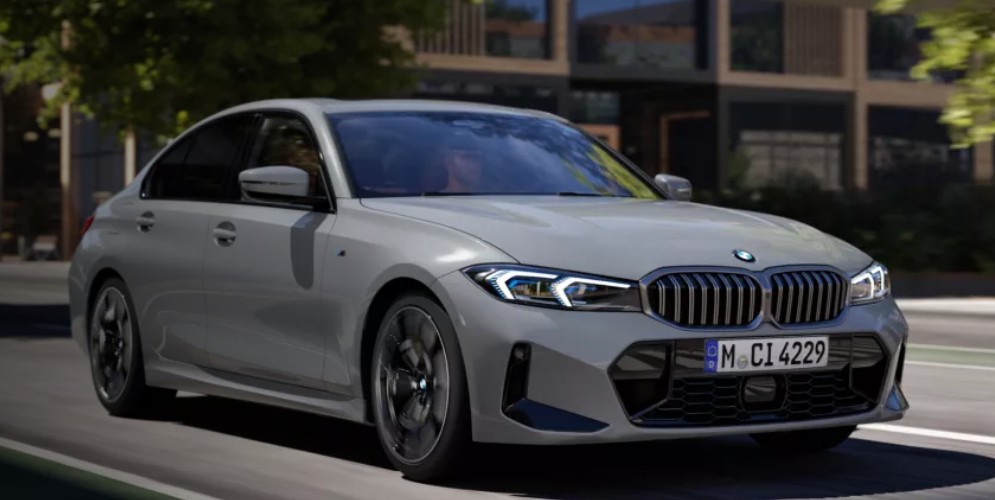
The BMW 3 Series has earned a reputation as one of the most iconic luxury sport sedans ever built. For decades, it has balanced performance, comfort, technology, and driving enjoyment in a way few competitors can match. But what happens when the odometer crosses the 100,000-mile mark? Does the BMW 3 Series remain dependable, or does it become a money pit waiting to empty our wallets?
This is a question many used-car shoppers ask before buying an older BMW. After all, crossing 100,000 miles is often considered a major milestone for any vehicle. Some cars begin showing their age, while others continue running smoothly for years.
The good news is that many BMW 3 Series models can remain reliable well beyond 100,000 miles. The bad news? Reliability depends heavily on maintenance history, engine choice, model generation, and how previous owners treated the car.
Let's dive deep into everything we need to know about BMW 3 Series reliability after 100K miles.
Content in this publication
- Understanding the BMW 3 Series Reputation
- What Does 100K Miles Really Mean for a BMW?
- The Biggest Factor: Maintenance History
- Which BMW 3 Series Generations Are Most Reliable After 100K Miles?
- The Most Reliable BMW 3 Series Engines Beyond 100K Miles
- Common Problems After 100K Miles
- Can a BMW 3 Series Reach 200K Miles?
- How Maintenance Costs Change After 100K Miles
- Is Buying a BMW 3 Series With Over 100K Miles a Good Idea?
- How Driving Habits Affect Long-Term Reliability
- Preventive Maintenance: The Secret to Longevity
- DIY Maintenance vs Professional Service
- Comparing BMW 3 Series Reliability to Competitors
- Warning Signs of a Poorly Maintained BMW Over 100K Miles
- Owner Experiences Beyond 100,000 Miles
- The Psychological Side of BMW Reliability
- Should We Trust a BMW 3 Series After 100K Miles?
- Conclusion
- FAQs
Understanding the BMW 3 Series Reputation
The BMW 3 Series has always been the backbone of BMW's lineup. Since its introduction in the 1970s, it has evolved through multiple generations while maintaining its sporty character.
Many people assume German luxury cars become unreliable once they age. While there is some truth to higher maintenance requirements, the reality is far more nuanced.
A well-maintained BMW 3 Series often outlasts many mainstream vehicles that receive neglect. The key difference is that BMWs typically demand proactive care rather than reactive repairs.
What Does 100K Miles Really Mean for a BMW?
A common misconception is that 100,000 miles marks the end of a vehicle's life.
In reality:
- Modern engines are designed for far greater longevity.
- High-quality synthetic oils improve durability.
- Improved manufacturing standards increase reliability.
- Better electronics reduce certain failure points.
For a properly maintained BMW 3 Series, 100K miles is often only the halfway point.
Many owners report reaching:
- 150,000 miles
- 200,000 miles
- 250,000 miles
- Even 300,000 miles
However, reaching these milestones requires commitment to maintenance.
The Biggest Factor: Maintenance History
Why Service Records Matter More Than Mileage
Would we rather buy a BMW with 120,000 miles and complete service records or one with 70,000 miles and no maintenance history?
Most experienced enthusiasts would choose the higher-mileage example.
Maintenance records tell a story.
They reveal whether the owner:
- Changed oil regularly
- Replaced cooling system components
- Serviced the transmission
- Addressed leaks promptly
- Followed manufacturer recommendations
Mileage alone tells us very little.
Which BMW 3 Series Generations Are Most Reliable After 100K Miles?
Different generations have different strengths and weaknesses.
E46 (1999–2006)
The E46 is often considered one of the best BMWs ever built.
Strengths
- Excellent driving dynamics
- Simple electronics compared to newer models
- Strong naturally aspirated engines
Common Problems
- Cooling system failures
- Window regulators
- Suspension wear
- Oil leaks
Despite these issues, many E46 models easily exceed 200,000 miles.
E90 (2006–2011)
The E90 brought modern technology and improved safety.
Reliable Engines
- N52 inline-six
- Naturally aspirated configurations
Potential Issues
- Electric water pumps
- Valve cover leaks
- Oil filter housing gasket leaks
When maintained properly, E90 models remain among the most dependable BMWs after 100K miles.
F30 (2012–2019)
The F30 introduced turbocharged engines across much of the lineup.
Advantages
- Better fuel economy
- Modern interior
- Strong performance
Challenges
- Turbocharger-related maintenance
- Timing chain concerns on certain engines
- Cooling system wear
Many F30 models comfortably surpass 150,000 miles with proper care.
G20 (2019–Present)
The latest generation benefits from significant engineering improvements.
Highlights
- Refined powertrains
- Improved reliability
- Advanced technology
Although many examples have not yet reached extremely high mileage, early indicators suggest strong long-term durability.
The Most Reliable BMW 3 Series Engines Beyond 100K Miles
Engine choice can dramatically affect reliability.
N52 Inline-Six
The N52 is widely regarded as one of BMW's most dependable modern engines.
Benefits include:
- No turbocharger
- Smooth power delivery
- Proven durability
- Strong aftermarket support
Many N52-powered cars exceed 200,000 miles.
B58 Turbocharged Inline-Six
The B58 has become something of a legend.
Why Owners Love It
- Exceptional reliability
- Strong performance
- Robust construction
- Modern engineering
Many experts consider it BMW's best turbocharged engine ever produced.
B48 Four-Cylinder Engine
The B48 is another strong performer.
Advantages include:
- Good fuel economy
- Solid reliability
- Lower operating costs
- Strong power output
Properly maintained B48 engines are proving highly durable.
Common Problems After 100K Miles
No vehicle is perfect, and aging BMWs develop predictable issues.
You may be interested in reading Subaru Crosstrek Pros and Cons: The Complete Guide for Smart Buyers
Cooling System Failures
The cooling system is often the first major concern.
Components that may fail include:
- Water pumps
- Thermostats
- Expansion tanks
- Radiators
Ignoring cooling issues can lead to catastrophic engine damage.
Oil Leaks
Oil leaks become increasingly common with age.
Typical leak sources include:
- Valve cover gasket
- Oil pan gasket
- Oil filter housing gasket
Most leaks are manageable if addressed early.
Suspension Wear
BMWs are designed for handling precision.
As mileage increases:
- Bushings wear out
- Shocks lose effectiveness
- Control arms deteriorate
The result is reduced ride quality and handling performance.
Electrical Components
Luxury cars naturally contain more electronics.
Potential concerns include:
- Sensors
- Door lock actuators
- Window regulators
- Infotainment glitches
Fortunately, many of these repairs are relatively straightforward.
Can a BMW 3 Series Reach 200K Miles?
Absolutely—If Properly Maintained
Many owners treat 100K miles as a major achievement.
BMW enthusiasts often view it as merely the beginning.
Reaching 200,000 miles usually requires:
- Consistent oil changes
- Cooling system maintenance
- Suspension refreshes
- Prompt leak repairs
- Quality replacement parts
Think of a BMW like a marathon runner rather than a sprinter. It thrives when properly supported.
How Maintenance Costs Change After 100K Miles
Expect Higher Expenses
Ownership costs generally increase after 100K miles.
Common maintenance items include:
| Component | Typical Replacement Period |
|---|---|
| Water Pump | 80K–120K Miles |
| Suspension Parts | 100K–150K Miles |
| Spark Plugs | 60K–100K Miles |
| Ignition Coils | 80K–120K Miles |
| Engine Mounts | 100K–150K Miles |
These costs are normal aging-related expenses rather than signs of poor reliability.
Is Buying a BMW 3 Series With Over 100K Miles a Good Idea?
When It Makes Sense
A high-mileage BMW can be a fantastic purchase if:
- Service records are complete
- Major maintenance is documented
- The vehicle passes inspection
- The price reflects its mileage
Many buyers focus excessively on odometer readings while ignoring overall condition.
When to Walk Away
Consider avoiding a vehicle if:
- Maintenance history is missing
- Warning lights are present
- Cooling system issues exist
- Multiple leaks are visible
- Previous owners neglected servicing
A cheap BMW can quickly become expensive.
How Driving Habits Affect Long-Term Reliability
Mileage alone doesn't determine wear.
A 120,000-mile highway-driven BMW may be healthier than a 70,000-mile city-driven example.
Highway driving generally means:
- Less braking
- Fewer cold starts
- Lower engine stress
- Reduced transmission wear
Driving conditions matter significantly.
Preventive Maintenance: The Secret to Longevity
Oil Changes Matter More Than Ever
Many enthusiasts shorten oil change intervals.
Rather than waiting excessively long, they often change oil every:
- 5,000 miles
- 7,500 miles
Fresh oil is inexpensive insurance.
Don't Ignore Small Problems
A minor leak today can become a major repair tomorrow.
Successful long-term owners adopt a simple philosophy:
Fix small problems before they become large ones.
This approach dramatically improves reliability.
DIY Maintenance vs Professional Service
Can We Save Money?
Many BMW repairs are surprisingly DIY-friendly.
Common tasks include:
You may be interested in readingSubaru Crosstrek Pros and Cons: The Complete Guide for Smart BuyersYou may be interested in reading
 Ford C-Max Insurance Group: Complete Guide to Insurance Costs, Ratings, and Savings
- Oil changes
- Air filter replacement
- Spark plug replacement
- Battery replacement
Learning basic maintenance can reduce ownership costs significantly.
When Professional Help Is Better
Complex repairs often require specialists.
Examples include:
- Timing chain work
- Transmission repairs
- Turbocharger replacement
- Advanced diagnostics
Finding an experienced BMW technician can make ownership much easier.
Comparing BMW 3 Series Reliability to Competitors
BMW vs Mercedes-Benz C-Class
The BMW often offers:
- Better driving dynamics
- Similar long-term reliability
- Lower complexity in some generations
BMW vs Audi A4
The BMW generally benefits from:
- Stronger engine longevity
- Better rear-wheel-drive balance
- Wider enthusiast support
BMW vs Lexus IS
The Lexus typically wins in reliability.
However, many drivers prefer the BMW's superior handling and driving engagement.
It's a classic heart-versus-head decision.
Warning Signs of a Poorly Maintained BMW Over 100K Miles
Listen Carefully During Inspection
Watch for:
- Engine knocking
- Excessive smoke
- Cooling system warnings
- Rough idle
- Suspension clunks
These signs often reveal deeper issues.
Check Maintenance Documentation
Look for evidence of:
- Cooling system replacement
- Oil service history
- Brake maintenance
- Suspension work
Documentation is often worth more than a shiny exterior.
Owner Experiences Beyond 100,000 Miles
Many long-term owners describe their BMW 3 Series as dependable companions rather than unreliable burdens.
Common themes include:
- Excellent highway comfort
- Strong engine durability
- Enjoyable driving experience
- Predictable maintenance needs
The biggest complaints usually stem from neglected examples rather than inherent design flaws.
The Psychological Side of BMW Reliability
Luxury vehicles often receive harsher criticism than mainstream cars.
When a BMW requires a $1,000 repair, people call it unreliable.
When an economy car requires multiple smaller repairs totaling the same amount, many owners barely notice.
Perception can be misleading.
The real question isn't whether repairs occur—every vehicle needs them. The question is whether the car remains dependable and enjoyable despite them.
For many BMW 3 Series owners, the answer is yes.
Should We Trust a BMW 3 Series After 100K Miles?
The answer depends on how the car was treated during its first 100,000 miles.
A neglected BMW can become frustrating and expensive.
A carefully maintained BMW can remain reliable, refined, and enjoyable for another 100,000 miles or more.
Think of the BMW 3 Series as a premium mechanical watch. It requires care, attention, and occasional servicing. Ignore it, and problems appear. Maintain it properly, and it can perform beautifully for decades.
Conclusion
So, are BMW 3 Series reliable after 100K miles?
In many cases, absolutely.
The BMW 3 Series is fully capable of reaching 150,000, 200,000, or even 300,000 miles when properly maintained. Reliability after 100K miles depends less on the badge and more on the vehicle's history, maintenance practices, engine choice, and ownership habits.
Models equipped with engines like the N52, B48, and B58 have demonstrated impressive durability, while proactive maintenance remains the single most important factor influencing long-term ownership success.
If we approach ownership realistically, budget for maintenance, and choose a well-cared-for example, a BMW 3 Series with over 100,000 miles can still deliver years of dependable service and driving enjoyment.
FAQs
1. Is a BMW 3 Series worth buying with 100,000 miles?
Yes. A well-maintained BMW 3 Series with documented service history can be an excellent purchase and may have many years of life remaining.
2. How long can a BMW 3 Series last?
Many BMW 3 Series models exceed 200,000 miles, and some surpass 300,000 miles with diligent maintenance.
3. Which BMW 3 Series engine is most reliable after 100K miles?
The N52 naturally aspirated six-cylinder and the modern B58 turbocharged six-cylinder are widely regarded as standout options.
4. What is the biggest problem BMWs face after 100,000 miles?
Cooling system failures, oil leaks, suspension wear, and aging electronic components are among the most common concerns.
5. Are BMW maintenance costs significantly higher after 100K miles?
Maintenance expenses typically increase after 100K miles, but predictable preventive maintenance can help avoid costly repairs.
You may be interested in readingSubaru Crosstrek Pros and Cons: The Complete Guide for Smart BuyersYou may be interested in reading
Ford C-Max Insurance Group: Complete Guide to Insurance Costs, Ratings, and SavingsYou may be interested in reading
Ford C-Max Reliability: The Complete Guide to Long-Term DependabilityIf you want to know other articles similar to Are BMW 3 Series Reliable After 100K Miles? The Truth About Long-Term Ownership you can visit the category Blog.
Volvo S90 Reliability: Problems, Costs & Best Years
Is Haval Jolion a Good Car? Honest Review, Reliability, Pros and Cons
How to Start Haval Jolion With Spare Key: Complete Guide
How to Calculate Per Diem on an Auto Loan

How to Calculate the Residual Value of a Car

Is the Honda Passport Selling Well? Sales Numbers Tell the Story
Leave a Reply
More content of your interest