

Mitsubishi Colt EPS Light: Causes, Fixes, Costs, and Prevention Guide

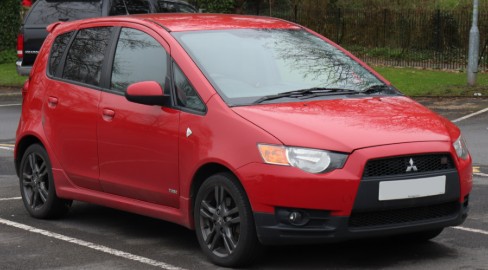
The Mitsubishi Colt has earned a reputation for being a practical, economical, and dependable small car. Yet, like any modern vehicle, it occasionally throws warning lights onto the dashboard that can leave drivers scratching their heads. One of the most concerning indicators is the EPS light.
When the Mitsubishi Colt EPS light suddenly appears, many drivers immediately imagine expensive repairs and complicated electrical faults. While the warning should never be ignored, the reality is often less dramatic. Sometimes the solution is as simple as a weak battery or a temporary electrical glitch.
In this comprehensive guide, we'll explore everything you need to know about the Mitsubishi Colt EPS light, including what it means, why it appears, common causes, diagnostic procedures, repair costs, and ways to prevent future issues.
Content in this publication
- What Does the EPS Light Mean on a Mitsubishi Colt?
- How the Mitsubishi Colt EPS System Works
- Common Symptoms Accompanying the EPS Light
- Most Common Causes of the Mitsubishi Colt EPS Light
- Can a Weak Battery Trigger the EPS Light?
- Can You Continue Driving with the EPS Light On?
- How to Diagnose a Mitsubishi Colt EPS Warning Light
- How to Reset the Mitsubishi Colt EPS Light
- When an EPS Reset Will Not Work
- Mitsubishi Colt EPS Motor Problems
- EPS Control Module Issues
- Repair Costs for Mitsubishi Colt EPS Problems
- Preventing Future EPS Light Problems
- Is the Mitsubishi Colt EPS System Reliable?
- DIY vs Professional Repairs
- Warning Signs You Should Never Ignore
- Understanding EPS Fault Codes
- The Relationship Between EPS and Other Vehicle Systems
- Final Thoughts on the Mitsubishi Colt EPS Light
- FAQs
What Does the EPS Light Mean on a Mitsubishi Colt?
EPS stands for Electronic Power Steering.
The Electronic Power Steering system replaces traditional hydraulic steering components with an electric motor that assists steering effort. This technology improves fuel economy, reduces maintenance requirements, and provides smoother steering performance.
When the EPS warning light illuminates, it means the vehicle's computer has detected a problem within the power steering system.
The steering may:
- Feel heavier than normal
- Become inconsistent
- Lose steering assistance entirely
- Trigger additional warning lights
The severity depends on the specific fault detected.
How the Mitsubishi Colt EPS System Works
Before diagnosing faults, it's helpful to understand how the system functions.
The EPS system relies on several components working together:
Main EPS Components
- Steering angle sensor
- Torque sensor
- Electric power steering motor
- EPS control module
- Battery and charging system
- Wiring harnesses
- Vehicle speed sensors
The control module constantly monitors steering input and vehicle speed.
When you turn the steering wheel, the torque sensor measures effort and instructs the electric motor to provide assistance.
If any component provides incorrect data, the EPS warning light may illuminate.
Common Symptoms Accompanying the EPS Light
The warning light rarely appears alone.
Drivers often report additional symptoms such as:
Heavy Steering
This is the most noticeable symptom.
Without electrical assistance, steering feels significantly heavier, especially during parking maneuvers.
Intermittent Steering Assistance
The steering may work normally one moment and become heavy the next.
Dashboard Warning Messages
Depending on model year, other warning lights may appear simultaneously.
Sudden EPS Shutdown
The system may deactivate itself as a safety measure.
Steering Wheel Vibration
Faulty sensors can occasionally cause unusual steering feedback.
Most Common Causes of the Mitsubishi Colt EPS Light
Let's examine the issues most frequently responsible for EPS warnings.
Low Battery Voltage
Surprisingly, battery problems are among the leading causes.
The EPS system requires stable electrical power.
A weak battery may cause:
- EPS light activation
- Steering assistance loss
- Sensor communication errors
Many owners discover the EPS light disappears after replacing an aging battery.
Alternator Problems
The alternator charges the battery while driving.
If charging voltage drops below acceptable levels, the EPS control unit may shut down.
Signs include:
- Dim headlights
- Battery warning light
- Difficult starting
- Multiple dashboard warnings
Faulty Steering Angle Sensor
The steering angle sensor tracks steering wheel position.
When it fails, the EPS module receives incorrect information and triggers a warning.
Common symptoms include:
- EPS light on
- Stability control warnings
- Erratic steering assistance
Torque Sensor Failure
The torque sensor measures how much force the driver applies to the steering wheel.
When readings become inaccurate, steering assistance may become unpredictable.
The system often responds by disabling itself.
Damaged Wiring
Modern vehicles depend heavily on electronics.
Damaged wiring can interrupt communication between sensors and the EPS module.
Common causes include:
- Corrosion
- Water intrusion
- Rodent damage
- Aging insulation
EPS Motor Failure
The electric motor is the heart of the system.
Although generally reliable, wear and tear can eventually lead to failure.
Symptoms include:
- Permanent EPS warning light
- Heavy steering
- Grinding noises
- Complete loss of steering assistance
Can a Weak Battery Trigger the EPS Light?
Absolutely.
Many Mitsubishi Colt owners are surprised to learn how sensitive the EPS system is to voltage fluctuations.
Think of the EPS module like a computer.
If power supply becomes unstable, it may interpret voltage drops as system faults.
A battery nearing the end of its life often causes:
- Intermittent EPS warnings
- Random electrical faults
- Difficult starts
- Dashboard resets
Checking battery health should always be the first diagnostic step.
Can You Continue Driving with the EPS Light On?
Technically, yes.
However, caution is required.
When Driving May Be Safe
If:
- Steering remains normal
- Light appeared briefly
- No unusual noises are present
You can typically drive carefully to a repair facility.
When Driving Is Risky
Avoid driving if:
- Steering becomes extremely heavy
- Multiple warning lights appear
- Vehicle feels unstable
- Electrical systems malfunction
Safety should always come first.
How to Diagnose a Mitsubishi Colt EPS Warning Light
Proper diagnosis prevents unnecessary parts replacement.
Step 1: Check Battery Voltage
Healthy battery voltage should measure:
- 12.6 volts engine off
- 13.7–14.7 volts engine running
Anything significantly lower may indicate battery or charging issues.
Step 2: Scan for Diagnostic Trouble Codes
An OBD-II scanner can reveal stored fault codes.
Common EPS-related codes point directly toward:
- Sensors
- Control modules
- Communication faults
- Voltage issues
This step often saves hours of guesswork.
Step 3: Inspect Wiring
Visually inspect:
- Battery terminals
- Ground connections
- EPS connectors
- Wiring harnesses
Look for corrosion, looseness, or damage.
Step 4: Test Steering Components
Professional diagnostic equipment can evaluate:
- Torque sensor readings
- Steering angle calibration
- Motor performance
- Control module communication
How to Reset the Mitsubishi Colt EPS Light
Sometimes the warning light can be cleared after addressing the root cause.
Basic Reset Procedure
- Turn ignition off.
- Disconnect battery negative terminal.
- Wait 10–15 minutes.
- Reconnect battery.
- Start vehicle.
- Turn steering wheel fully left and right.
If the issue has been corrected, the light may remain off.
If it returns, further diagnosis is necessary.
When an EPS Reset Will Not Work
A reset cannot repair:
- Failed sensors
- Damaged wiring
- Defective EPS motors
- Faulty control modules
The warning light simply reappears once the system detects the fault again.
Think of resetting as clearing a symptom, not fixing the cause.
Mitsubishi Colt EPS Motor Problems
The electric steering motor performs thousands of corrections every journey.
Over time, internal wear can develop.
Signs of Motor Failure
- Steering becomes progressively heavier
- Grinding sounds during turns
- Consistent EPS warning light
- Assistance cuts in and out
Motor replacement is often one of the more expensive repairs.
EPS Control Module Issues
The EPS control module acts as the system's brain.
It processes information from sensors and controls steering assistance.
Possible Causes of Module Failure
- Water damage
- Voltage spikes
- Internal circuit faults
- Corrosion
Fortunately, module failures are less common than sensor or battery-related issues.
Repair Costs for Mitsubishi Colt EPS Problems
Repair expenses vary considerably.
Typical Cost Ranges
| Repair Item | Estimated Cost |
|---|---|
| Battery Replacement | $100–$250 |
| Alternator Replacement | $300–$800 |
| Steering Angle Sensor | $200–$600 |
| Torque Sensor Repair | $300–$900 |
| Wiring Repair | $100–$500 |
| EPS Motor Replacement | $700–$1,800 |
| EPS Module Replacement | $500–$1,500 |
Costs depend on location, labor rates, and parts availability.
Preventing Future EPS Light Problems
Prevention is always cheaper than repairs.
Maintain Battery Health
Replace aging batteries before failure occurs.
Inspect Charging System Regularly
A healthy alternator supports all electronic systems.
Keep Electrical Connections Clean
Corrosion creates resistance and voltage issues.
Address Warning Lights Immediately
Small faults often become expensive problems when ignored.
Protect Against Water Intrusion
Moisture is the enemy of electronic systems.
Is the Mitsubishi Colt EPS System Reliable?
Overall, yes.
The Mitsubishi Colt's Electronic Power Steering system has proven dependable across multiple generations.
Most EPS warnings stem from:
- Battery issues
- Sensor wear
- Electrical faults
Major motor or module failures are comparatively rare.
Regular maintenance dramatically improves long-term reliability.
DIY vs Professional Repairs
Not every EPS issue requires a workshop.
DIY-Friendly Tasks
- Battery replacement
- Battery testing
- Terminal cleaning
- Basic OBD scanning
Professional Repairs
- Torque sensor replacement
- Module programming
- EPS motor replacement
- Steering calibration
Complex steering repairs often require specialized equipment.
Warning Signs You Should Never Ignore
Some symptoms demand immediate attention.
Red Flags Include
- Steering suddenly becomes very heavy
- EPS and ABS lights appear together
- Burning electrical smell
- Intermittent loss of steering control
- Repeated battery discharge
Ignoring these signs can compromise safety.
Understanding EPS Fault Codes
Modern diagnostic tools often reveal specific codes.
Examples may include:
Indicate steering angle or torque sensor faults.
Communication Codes
Suggest module communication problems.
Voltage Codes
Point toward battery or charging issues.
Motor Performance Codes
Usually indicate EPS motor wear or failure.
Accurate code interpretation is essential for proper repairs.
The Relationship Between EPS and Other Vehicle Systems
The EPS system doesn't operate alone.
It communicates with:
- ABS
- Stability control
- Engine control module
- Vehicle speed sensors
A fault elsewhere can sometimes trigger an EPS warning.
This interconnected design makes comprehensive diagnostics important.
Final Thoughts on the Mitsubishi Colt EPS Light
The Mitsubishi Colt EPS light may look intimidating, but it is essentially your vehicle's way of requesting attention. In many cases, the culprit is surprisingly simple—a weak battery, poor electrical connection, or sensor issue. Nevertheless, because the steering system directly affects vehicle control, every EPS warning deserves prompt investigation.
Think of the EPS light like a lighthouse in the fog. It doesn't necessarily mean disaster is approaching, but it is signaling that something requires your attention before conditions worsen. By understanding the causes, symptoms, and solutions outlined in this guide, we can respond confidently, avoid unnecessary repairs, and keep our Mitsubishi Colt steering smoothly for years to come.
FAQs
1. What does the EPS light mean on a Mitsubishi Colt?
The EPS light indicates a fault within the Electronic Power Steering system. It may involve sensors, wiring, battery voltage, the steering motor, or the control module.
2. Can a bad battery cause the EPS light to come on?
Yes. Low battery voltage is one of the most common causes of Mitsubishi Colt EPS warnings.
3. Is it safe to drive with the EPS light illuminated?
You may be able to drive short distances if steering feels normal, but heavy steering or additional warning lights require immediate attention.
4. How much does it cost to repair a Mitsubishi Colt EPS fault?
Costs range from around $100 for a battery replacement to over $1,500 for major EPS motor or control module repairs.
5. Can I reset the EPS light myself?
Sometimes. Disconnecting the battery may clear temporary faults, but permanent issues will cause the warning light to return.
If you want to know other articles similar to Mitsubishi Colt EPS Light: Causes, Fixes, Costs, and Prevention Guide you can visit the category Service and Parts.
Vauxhall Mokka Tyre Pressure Reset: Complete Guide

How to Reset the Tire Pressure System on Your Hyundai Tucson

Hyundai Kona Tire Pressure: Complete PSI Guide

Vauxhall Corsa Timing Belt Replacement Cost UK 2026

Mazda CX-5 Tire Size Chart: 2013–2026 Guide

How to Reset a Honda Civic: Complete Step-by-Step Guide
Leave a Reply
More content of your interest