
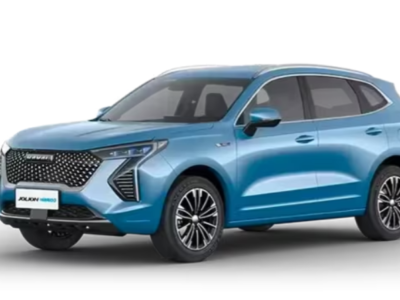
Haval Jolion vs Chery Tiggo 4 Pro: Full Comparison

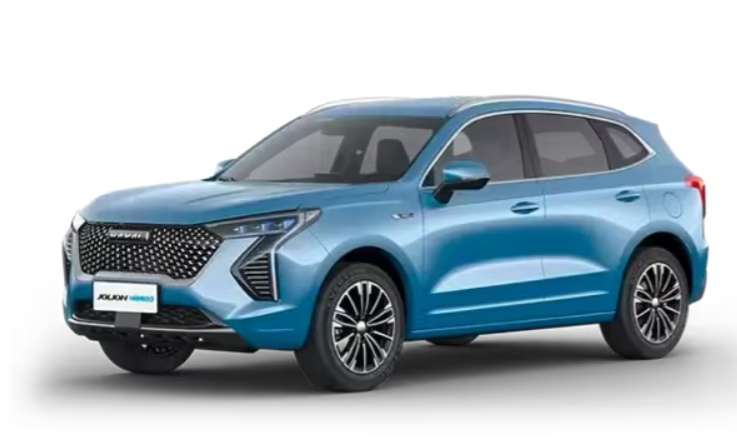
The battle between the Haval Jolion vs Chery Tiggo 4 Pro is one of the most interesting comparisons in the affordable SUV market. Both vehicles promise attractive styling, modern technology, generous equipment, and competitive pricing. However, they appeal to slightly different types of drivers.
The Haval Jolion focuses on interior spaciousness, comfortable driving, and a relatively premium cabin experience. Meanwhile, the Chery Tiggo 4 Pro offers compact dimensions, impressive standard equipment, and competitive value for money.
Both SUVs come from Chinese manufacturers that have expanded their international presence significantly. For buyers looking beyond traditional Japanese, Korean, or European brands, they represent two compelling alternatives.
But which one is actually better?
In this detailed comparison, we'll examine their engines, performance, fuel economy, dimensions, interior quality, technology, safety, reliability, maintenance costs, and long-term ownership considerations.
We'll also explain which SUV makes more sense for families, daily commuters, first-time buyers, and drivers looking for the best overall value.
Important: Specifications and equipment differ between countries, model years, and trim levels. The figures below primarily reflect established petrol versions sold in markets such as South Africa. The regular Haval Jolion, Jolion Pro, and newer Chery Tiggo Cross should not be treated as identical models.
Content in this publication
- Haval Jolion vs Chery Tiggo 4 Pro: Quick Verdict
- Haval Jolion vs Chery Tiggo 4 Pro Specifications
- Exterior Design: Which SUV Looks Better?
- Dimensions and Interior Space
- Boot Space and Family Practicality
- Engine Performance Comparison
- Transmission: DCT vs CVT
- Fuel Economy: Which SUV Uses Less Petrol?
- Interior Quality and Comfort
- Infotainment and Technology
- Safety Features and Crash Ratings
- Ride Comfort and Handling
- Which SUV Is Better for Highway Driving?
- Haval Jolion vs Tiggo 4 Pro Reliability
- Maintenance and Ownership Costs
- Warranty and After-Sales Support
- Resale Value and Depreciation
- Price and Value for Money
- Haval Jolion Pros and Cons
- Chery Tiggo 4 Pro Pros and Cons
- Which SUV Should You Buy?
- Frequently Asked Questions
- Conclusion: Haval Jolion or Chery Tiggo 4 Pro?
Haval Jolion vs Chery Tiggo 4 Pro: Quick Verdict
If we had to summarise the comparison in a few sentences, the Haval Jolion is generally the better option for drivers prioritising passenger space and a comfortable family-oriented interior.
The Chery Tiggo 4 Pro, however, is particularly appealing to buyers looking for a smaller SUV with competitive pricing, practical equipment, and easier urban manoeuvrability.
Our overall recommendation:
- Best for interior space: Haval Jolion
- Best for urban driving: Chery Tiggo 4 Pro
- Best for rear-seat passengers: Haval Jolion
- Best for a lower purchase budget: Chery Tiggo 4 Pro
- Best for fuel efficiency on published petrol figures: Chery Tiggo 4 Pro in certain versions
- Best for compact dimensions: Chery Tiggo 4 Pro
- Best for a spacious family cabin: Haval Jolion
Neither vehicle is automatically superior in every category.
The right choice depends on how much space you need, which engines are available locally, and whether you prioritise lower ownership costs or additional comfort.
Haval Jolion vs Chery Tiggo 4 Pro Specifications
Before examining both vehicles in detail, let's compare their main technical specifications.
| Specification | Haval Jolion | Chery Tiggo 4 Pro |
|---|---|---|
| Vehicle type | Compact SUV | Compact SUV |
| Seating capacity | 5 | 5 |
| Petrol engines | 1.5L turbo | 1.5L naturally aspirated or turbo |
| Turbo power | 105 kW (141 hp) | 108 kW (145 hp) |
| Turbo torque | 210 Nm | 210 Nm |
| Transmission options | Manual or 7-speed DCT | Manual, CVT or DCT, depending on version |
| Length | 4,472 mm | Approximately 4,318 mm |
| Width | 1,874 mm | Approximately 1,831 mm |
| Height | 1,581 mm | Approximately 1,662 mm |
| Wheelbase | 2,700 mm | Approximately 2,610 mm |
| Boot capacity | Around 337 litres | Around 340 litres |
| Drivetrain | Front-wheel drive | Front-wheel drive |
These figures illustrate commonly available petrol specifications. The Haval Jolion Pro has different dimensions and luggage capacity. Some markets also offer hybrid variants with substantially different performance and consumption.
The most noticeable difference is the overall size.
The Haval Jolion is longer and wider, with a larger wheelbase. This gives it an advantage in passenger accommodation.
The Chery Tiggo 4 Pro is shorter and narrower, making it easier to navigate congested streets and smaller parking spaces.
Interestingly, the difference in published luggage capacity is much smaller than the difference in exterior dimensions might suggest.
Exterior Design: Which SUV Looks Better?
Haval Jolion Exterior Styling
The Haval Jolion features a modern design that emphasises a relatively wide stance and an upscale appearance.
Its styling generally includes a prominent front grille, distinctive LED lighting on selected variants, pronounced body lines, and a sleek roofline.
The vehicle's longer body contributes to its substantial road presence, making it look larger than many similarly priced crossovers.
Depending on the version, available exterior features may include:
- LED headlights and daytime running lights
- Alloy wheels
- Roof rails
- Panoramic sunroof
- Electrically folding mirrors
- Rear parking sensors and cameras
The Jolion's design is particularly appealing to buyers who prefer an understated but modern family SUV.
Chery Tiggo 4 Pro Exterior Styling
The Chery Tiggo 4 Pro takes a slightly different approach.
Its proportions are more compact, and the design emphasises a traditional SUV silhouette.
Many versions feature a prominent front grille, angular lighting elements, sculpted body panels, and a relatively upright rear section.
Depending on the trim, exterior equipment can include:
- LED lighting
- 17-inch alloy wheels
- Roof rails
- Electric mirrors
- Rear parking assistance
- Panoramic camera systems
The Tiggo 4 Pro has a youthful appearance that works particularly well in urban environments.
Exterior Design Verdict
Both SUVs look modern and competitive.
We would choose the Haval Jolion for its more substantial proportions and elegant styling.
However, drivers who prefer a compact and slightly more traditional SUV shape may find the Chery Tiggo 4 Pro more attractive.
Dimensions and Interior Space
Dimensions are particularly important when comparing these two SUVs because their cabin layouts suit different priorities.
Is the Haval Jolion Bigger Than the Tiggo 4 Pro?
Yes. The regular Haval Jolion is approximately 154 mm longer and 43 mm wider than the Tiggo 4 Pro when comparing the specifications listed above.
Its wheelbase is also about 90 mm longer.
These differences are noticeable when passengers enter the rear seats.
The Jolion provides particularly generous legroom for its class. Taller adults are more likely to appreciate the additional space, especially during longer journeys.
For families transporting teenagers or adult passengers regularly, this is an important advantage.
Chery Tiggo 4 Pro Passenger Space
The Tiggo 4 Pro remains practical for a compact SUV.
Its elevated roofline helps provide useful headroom, and the seating layout works well for small families.
However, its shorter wheelbase generally results in less rear-seat legroom than the Haval.
This difference becomes more noticeable when the front seats are adjusted for taller drivers.
For couples, commuters, and families with younger children, the Tiggo's space will often be sufficient.
Which SUV Is Better for Tall Drivers?
The Haval Jolion has an advantage when accommodating several tall occupants simultaneously.
Its longer wheelbase makes it easier to balance front-seat and rear-seat legroom.
Nevertheless, the Tiggo 4 Pro's taller body can make it surprisingly comfortable for occupants who prioritise headroom.
We recommend checking driving position, seat adjustment, and steering-wheel reach in both vehicles.
Interior comfort cannot be determined from external dimensions alone.
Boot Space and Family Practicality
An SUV should provide enough luggage capacity for everyday shopping, school bags, suitcases, and family trips.
The Haval Jolion and Chery Tiggo 4 Pro are surprisingly close in this category.
Published figures for commonly available versions indicate approximately:
- Haval Jolion: 337 litres
- Chery Tiggo 4 Pro: 340 litres
This means that the Tiggo 4 Pro can offer slightly more measured boot volume despite being the smaller vehicle.
However, the difference is too small to be decisive.
Loading practicality depends on the shape of the luggage compartment, the position of the boot floor, and how easily large items pass through the opening.
Folding Rear Seats
Both SUVs offer split-folding rear seats in many versions.
This allows owners to transport longer items when necessary.
For example, folding one side of the rear bench can create additional space for sports equipment while retaining a rear passenger seat.
The Haval Jolion's larger cabin may also make it easier to transport bulky items that require additional length.
What About the Haval Jolion Pro?
The Jolion Pro should be considered separately.
Certain petrol versions have a published boot capacity of approximately 291 litres, which is smaller than the capacity quoted for the regular Jolion.
Therefore, buyers should not assume that the newer-looking Jolion Pro automatically offers a larger luggage compartment.
Boot space verdict: Both original petrol SUVs are closely matched, so we recommend examining the boot opening and carrying out a practical luggage test rather than deciding based on litres alone.
Engine Performance Comparison
The engine is another important consideration in the Haval Jolion vs Chery Tiggo 4 Pro comparison.
Both models offer turbocharged petrol engines in several markets, but the Chery has also been available with a less powerful naturally aspirated engine.
Haval Jolion 1.5 Turbo Engine
The regular Haval Jolion's widely available 1.5-litre turbocharged petrol engine produces approximately:
| Engine specification | Haval Jolion 1.5T |
|---|---|
| Displacement | 1.5 litres |
| Cylinders | 4 |
| Maximum power | 105 kW |
| Maximum torque | 210 Nm |
| Drivetrain | Front-wheel drive |
| Transmission | 6-speed manual or 7-speed DCT, depending on trim |
This engine offers adequate performance for everyday driving, highway cruising, and overtaking when used appropriately.
The 210 Nm torque output provides useful mid-range acceleration.
However, the Jolion is primarily tuned for comfortable transportation rather than sporty driving.
Chery Tiggo 4 Pro Engine Options
Depending on the market and model year, the Chery Tiggo 4 Pro has been offered with two main petrol engine configurations.
| Engine | Power | Torque |
|---|---|---|
| 1.5L naturally aspirated | 83 kW | 138 Nm |
| 1.5L turbocharged | 108 kW | 210 Nm |
The turbocharged Chery produces slightly more power than the regular Jolion's 1.5T engine.
However, both turbo engines have the same quoted maximum torque.
In normal driving, this means their performance can feel relatively similar, although vehicle weight, gearing, throttle response, and transmission calibration affect acceleration.
The naturally aspirated Tiggo 4 Pro offers a more affordable alternative but has noticeably less torque.
Drivers living in mountainous regions or regularly carrying a full load may prefer the turbocharged version.
Which SUV Has Better Acceleration?
Comparing the turbocharged petrol versions, neither has a decisive advantage based on engine output alone.
The Tiggo 4 Pro benefits from slightly higher maximum power and a relatively compact body.
The Jolion delivers competitive torque but has a larger body to move.
Actual acceleration depends heavily on transmission type, road conditions, passenger load, and driving mode.
We would not recommend choosing between them based only on the small difference in horsepower.
A test drive provides more useful information about overtaking response and low-speed performance.
Transmission: DCT vs CVT
The gearbox can have a significant influence on daily driving comfort.
Haval Jolion Transmission
The regular Jolion has been available with a six-speed manual gearbox and a seven-speed dual-clutch automatic transmission.
A DCT uses clutch mechanisms to transfer power and can deliver relatively quick gear changes.
At normal cruising speeds, the Jolion's automatic transmission generally supports relaxed driving.
However, some road tests have reported hesitation or slightly abrupt responses during low-speed manoeuvres.
This behaviour can be more noticeable when moving away from a standstill or negotiating stop-start traffic.
Not every vehicle behaves identically, so buyers should test the specific model they intend to purchase.
Chery Tiggo 4 Pro Transmission
The Tiggo 4 Pro has been offered with manual, continuously variable automatic (CVT), and dual-clutch automatic transmissions.
The CVT is designed to provide smooth acceleration without the conventional stepped gear changes found in many automatic transmissions.
This can make it particularly comfortable during gentle urban driving.
However, drivers may notice elevated engine revs when accelerating hard.
The DCT-equipped Tiggo 4 Pro offers a different driving character, with more distinct gear changes and potentially better responsiveness.
Which Transmission Is Better?
For smooth city commuting, a well-calibrated CVT can be appealing.
For drivers who prefer a more traditional feeling of gear changes and stronger acceleration response, a DCT may be preferable.
Reliability also depends on maintenance, operating conditions, and the specific gearbox design.
When buying used, we recommend checking for smooth gear engagement, unusual noises, hesitation, and evidence of appropriate transmission servicing.
Fuel Economy: Which SUV Uses Less Petrol?
Fuel consumption is one of the biggest concerns for buyers considering affordable SUVs.
While both vehicles use relatively small petrol engines, turbocharging, vehicle weight, and transmission technology influence efficiency.
Haval Jolion Fuel Consumption
Published South African figures for the regular petrol Jolion include approximately:
| Version | Claimed combined consumption |
|---|---|
| Jolion 1.5T manual | 7.8 L/100 km |
| Jolion 1.5T DCT | 8.1 L/100 km |
These are manufacturer-claimed figures rather than guaranteed real-world results.
Actual fuel consumption may increase in congested traffic, mountainous terrain, or when driving with additional passengers and luggage.
Chery Tiggo 4 Pro Fuel Consumption
Certain turbocharged automatic versions of the Tiggo 4 Pro have published claimed combined consumption figures around 6.8 L/100 km.
However, figures vary by engine and transmission.
Independent road tests have also recorded substantially higher consumption in some CVT-equipped examples.
The Tiggo 4 Pro therefore should not automatically be considered a highly economical SUV simply because its official figures appear lower.
Real-World Fuel Economy
In everyday driving, both models can consume more fuel than their official ratings suggest.
Important factors include:
- Heavy traffic and frequent stops
- Aggressive acceleration
- Air-conditioning usage
- Underinflated tyres
- Vehicle loading
- Highway speeds
- Road gradients
- Maintenance condition
Some independent South African comparisons have reported real-world consumption approaching 9 L/100 km for both turbocharged vehicles.
This reinforces the importance of comparing actual driving conditions rather than relying exclusively on brochure figures.
Fuel Economy Verdict
The Chery Tiggo 4 Pro has an advantage in certain published petrol consumption comparisons.
However, that does not guarantee it will always cost less to fuel.
We recommend comparing the exact engine and gearbox combinations available locally and checking independent consumption tests.
Hybrid versions of either model should be evaluated separately.
Interior Quality and Comfort
Haval Jolion Interior
Inside the Haval Jolion, the emphasis is on creating a modern, spacious environment.
The dashboard incorporates contemporary styling, a centrally mounted infotainment display, and a relatively clean layout.
Higher trim levels can include:
- Digital instrument displays
- Large infotainment screens
- Artificial-leather upholstery
- Electrically adjustable front seats
- Wireless phone charging
- Automatic climate control
- Panoramic sunroof
The cabin's greatest strength is its sense of space.
With its generous wheelbase, the Jolion feels especially accommodating for rear-seat passengers.
Chery Tiggo 4 Pro Interior
The Tiggo 4 Pro also offers a modern interior with technology that can exceed expectations for its price category.
Depending on the trim, features may include:
- 10.25-inch infotainment touchscreen
- Digital instrument cluster
- Artificial-leather upholstery
- Automatic climate control
- Keyless entry and push-button start
- Multifunction steering wheel
- Surround-view parking cameras
The Chery's dashboard has a practical, driver-focused layout.
Although its cabin is smaller, it can feel particularly well equipped relative to the purchase price.
Interior Quality Verdict
The Haval Jolion is generally our preferred option for interior spaciousness and comfort.
The Tiggo 4 Pro remains an excellent choice for buyers who value convenience and equipment but do not need as much rear-seat legroom.
Material quality, seat comfort, and equipment should always be compared between similarly priced trims.
Infotainment and Technology
Technology is one of the key selling points of modern Chinese SUVs.
Both Haval and Chery have introduced advanced convenience features to vehicles that compete in relatively affordable price segments.
Haval Jolion Technology
Depending on the variant, the Jolion can offer touchscreen infotainment, smartphone connectivity, digital driving information, multiple parking cameras, and driver-assistance technology.
Higher-end variants may offer additional convenience features.
However, some drivers may find that important settings require interacting with the central touchscreen.
We recommend checking how easily the driver can adjust air conditioning, audio volume, and vehicle settings while driving.
Chery Tiggo 4 Pro Technology
The Tiggo 4 Pro also offers a strong technology package.
Its larger-screen variants create an attractive cabin environment and provide useful connectivity features.
Some versions offer Apple CarPlay and Android Auto, making navigation and audio streaming more convenient.
Features such as a 360-degree camera can also make parking easier.
Which SUV Has Better Technology?
There is no universal winner because equipment varies significantly between versions.
A high-specification Chery can offer more convenience equipment than a basic Jolion, while a higher-grade Haval can provide features absent from an entry-level Tiggo.
We recommend comparing the exact trim levels and testing the responsiveness of each infotainment system.
Safety Features and Crash Ratings
Safety is especially important for buyers planning to use their SUV as a family vehicle.
Both manufacturers have developed vehicles with modern active and passive safety equipment.
Haval Jolion Safety
Depending on the market and variant, available safety equipment can include:
- Multiple airbags
- Electronic stability control
- Anti-lock braking system
- Autonomous emergency braking
- Adaptive cruise control
- Lane-keeping assistance
- Blind-spot monitoring
- Rear parking sensors
- Surround-view cameras
The Haval Jolion received a five-star ANCAP safety rating under the 2022 assessment criteria for applicable Australian and New Zealand petrol and hybrid variants.
Chery Tiggo 4 Pro Safety
Available Tiggo 4 Pro safety equipment can include:
- Multiple airbags
- Electronic stability control
- Traction control
- Hill-start assistance
- Autonomous emergency braking
- Lane departure warning
- Blind-spot detection
- Rear-view or surround-view camera systems
- Tyre pressure monitoring
The Chery Tiggo 4 Pro also achieved a five-star ANCAP safety rating for applicable Australian and New Zealand petrol variants.
That rating is based on the 2023 assessment protocol and was announced for the model in 2025.
For Australian Tiggo 4 Pro vehicles manufactured before November 2024, an applicable recall remedy must be completed for the five-star rating conditions to be satisfied.
Which SUV Is Safer?
Both models have demonstrated competitive safety performance in the configurations evaluated by ANCAP.
However, a five-star result in one country should not automatically be applied to every vehicle sold internationally.
Safety features, manufacturing dates, equipment, and testing coverage may differ.
We recommend verifying the exact vehicle's safety specification and relevant crash-test applicability before purchasing.
Ride Comfort and Handling
Haval Jolion Driving Experience
The Jolion is primarily designed for comfortable everyday driving.
Its suspension generally favours a relaxed ride, while the longer wheelbase helps create a stable feeling on main roads.
The steering is relatively light, making the vehicle easy to operate in urban environments.
Although the Jolion is not intended to be a sporty SUV, it offers the refinement many family buyers expect.
One consideration is its size.
Drivers moving from a small hatchback may need some time to become comfortable with its width when parking.
Chery Tiggo 4 Pro Driving Experience
The Tiggo 4 Pro has a more compact footprint.
This is particularly beneficial in busy city centres.
Its steering and relatively short body make it easier to negotiate tight spaces.
Ride comfort is generally suitable for daily driving, although suspension response can change depending on wheel size, road condition, and tyre specification.
On rougher surfaces, buyers should pay attention to road noise and the way the suspension absorbs sharp bumps.
Handling Verdict
We prefer the Tiggo 4 Pro for navigating narrow streets and crowded parking areas.
The Jolion becomes more appealing when cabin space and relaxed passenger comfort are higher priorities.
Neither is designed for demanding off-road driving.
Which SUV Is Better for Highway Driving?
The Haval Jolion has several characteristics that make it attractive for regular highway journeys.
Its longer wheelbase and larger cabin contribute to a relaxed passenger experience.
It can be especially appealing for drivers who frequently travel with adults in the rear seats.
The Tiggo 4 Pro remains capable of highway driving, particularly with its turbocharged engine.
However, its smaller cabin may become less comfortable during extended journeys with multiple tall occupants.
Both vehicles should be evaluated for:
- Highway wind noise
- Tyre noise
- Acceleration during overtaking
- Transmission response
- Seat support
- Adaptive cruise control operation, where fitted
For long-distance family travel, our preference would generally be the Haval Jolion.
Haval Jolion vs Tiggo 4 Pro Reliability
Reliability is an important concern because both vehicles compete with established brands that have extensive long-term ownership histories.
Haval belongs to Great Wall Motor, while Chery is another major Chinese automotive manufacturer.
Both companies have developed international sales networks and offer competitive warranty arrangements in many markets.
However, neither model has the same depth of long-term independent reliability data across all countries and powertrain versions.
Haval Jolion Reliability Considerations
Areas worth checking during ownership or a used-car inspection include:
- Dual-clutch transmission operation
- Infotainment software performance
- Driver-assistance system calibration
- Suspension noises
- Electronic warning messages
- Maintenance records
Some drivers and automotive reviewers have reported occasional low-speed DCT hesitation and software-related issues.
These observations do not mean every Jolion will experience problems.
Chery Tiggo 4 Pro Reliability Considerations
For the Tiggo 4 Pro, useful inspection points include:
- CVT or DCT operation, depending on variant
- Turbocharger performance
- Cooling system condition
- Infotainment functionality
- Electronic equipment
- Suspension and steering components
The vehicle's reliability will depend partly on the engine and gearbox combination.
Proper servicing is particularly important for turbocharged engines and automatic transmissions.
Which SUV Is More Reliable?
We would not declare a definitive winner based solely on brand reputation or isolated owner complaints.
Both can be sensible purchases when properly maintained.
For a used vehicle, service history, warranty status, mechanical condition, and availability of local support are more useful than broad assumptions about reliability.
Maintenance and Ownership Costs
The true cost of an SUV extends beyond its initial purchase price.
Owners also need to consider fuel, insurance, servicing, tyres, repairs, depreciation, and possible financing costs.
Haval Jolion Maintenance Costs
The Jolion's larger body and some higher-trim wheel and tyre combinations may influence replacement costs.
Turbocharged engines also require appropriate oil quality and timely maintenance.
Automatic-transmission servicing should follow the manufacturer's recommendations for the specific vehicle.
Owners should also investigate the price and availability of genuine replacement components.
Chery Tiggo 4 Pro Maintenance Costs
The Tiggo 4 Pro's generally lower positioning in the market can provide an advantage in purchase-related expenses.
However, it is not safe to assume that every replacement component is cheaper.
Insurance prices can also vary considerably by country, driver profile, and local repair costs.
The best comparison is to obtain actual quotes for:
- Scheduled servicing
- Comprehensive insurance
- Replacement tyres
- Brake components
- Extended warranty coverage
- Common accident-repair components
Which SUV Is Cheaper to Maintain?
The Chery Tiggo 4 Pro may be the more economical option for some buyers, particularly when its initial purchase price is significantly lower.
Nevertheless, we recommend comparing the total ownership cost rather than maintenance alone.
A more expensive vehicle with stronger local dealer support and better resale value could be competitive over several years.
Warranty and After-Sales Support
Warranty coverage is a significant attraction for buyers considering Chinese vehicles.
Haval Jolion Warranty
Depending on the country, model year, and promotional conditions, GWM offers different vehicle warranty and service arrangements.
Certain South African Jolion ranges have advertised vehicle warranties extending up to seven years or 200,000 km.
Other model years and markets may have different coverage.
Chery Tiggo 4 Pro Warranty
The Tiggo 4 Pro has been marketed in South Africa with a five-year/150,000 km vehicle warranty and a conditional ten-year/one-million-kilometre engine warranty.
The longer engine warranty has specific eligibility requirements, including conditions concerning ownership and maintenance.
It should not be confused with a ten-year comprehensive vehicle warranty.
Warranty Verdict
Both manufacturers can offer attractive coverage.
However, the warranty's length is only part of the picture.
Buyers should also examine exclusions, transferability, service requirements, nearby authorised dealers, and the availability of spare parts.
Resale Value and Depreciation
Depreciation is an important factor that buyers sometimes overlook.
An SUV that costs less initially is not automatically cheaper to own over five years.
Resale values depend on multiple factors, including:
- Brand recognition
- Vehicle age and mileage
- Mechanical condition
- Service history
- Demand in the used-car market
- Warranty transferability
- Availability of newer models
The Haval Jolion has established a noticeable market presence in countries such as South Africa and Australia.
The Chery Tiggo 4 Pro has also attracted buyers through its competitive value proposition.
However, the introduction of newer models, including the Tiggo Cross in certain markets, may influence demand for older Tiggo 4 Pro vehicles.
We recommend comparing local used-car asking prices against the original selling prices of equivalent model years.
This provides a more meaningful indication of depreciation than relying on a general claim that one brand holds its value better.
Price and Value for Money
Price is often the deciding factor in this comparison.
Historically, the Chery Tiggo 4 Pro has frequently been positioned as a relatively affordable entry into the compact SUV segment.
The Haval Jolion generally competes as a larger, more spacious alternative.
Nevertheless, equipment and promotional pricing can narrow the difference.
Is the Chery Tiggo 4 Pro Cheaper?
In many historical South African comparisons, the Tiggo 4 Pro offered a lower starting price than the Jolion.
However, pricing changes with model year, trim, dealer promotions, and market availability.
By 2026, the Tiggo 4 Pro has been superseded by the Tiggo Cross in several markets, including the transition occurring in South Africa.
This means buyers may be comparing a used Tiggo 4 Pro with a new Jolion, rather than two directly equivalent new vehicles.
Which Offers Better Value?
The Tiggo 4 Pro has a compelling argument when the price difference is substantial.
Its equipment, manageable dimensions, and useful luggage capacity make it attractive as a budget-conscious purchase.
The Jolion becomes more appealing when buyers need its additional passenger space and are prepared to pay more for it.
Ultimately, the best value comes from choosing the vehicle whose advantages you will actually use.
Haval Jolion Pros and Cons
Advantages
- Spacious rear seats
- Generous wheelbase
- Comfortable family-oriented interior
- Modern design
- Competitive turbocharged engine
- Good selection of technology in higher trims
- Comfortable highway cruising
Disadvantages
- Larger dimensions can make parking less convenient
- Fuel consumption may be higher than expected
- Some DCT versions can hesitate at low speeds
- Premium trim levels cost more
- Boot capacity is not necessarily larger than the Chery's
Chery Tiggo 4 Pro Pros and Cons
Advantages
- Compact and practical dimensions
- Competitive pricing
- Useful standard equipment
- Attractive cabin technology
- Good boot capacity for its size
- Turbocharged versions offer reasonable performance
- Easy urban manoeuvrability
Disadvantages
- Less rear-seat legroom than the Jolion
- Naturally aspirated versions offer modest performance
- Some automatic versions can consume more fuel than expected
- Long-term resale values depend heavily on the local market
- Equipment differences between trims can be substantial
- The model has been replaced or renamed in some markets
Which SUV Should You Buy?
Choosing between the Haval Jolion and Chery Tiggo 4 Pro becomes easier when we consider how the vehicle will be used.
Choose the Haval Jolion If...
The Haval Jolion is likely the better choice if you regularly transport adult passengers or need a spacious everyday family vehicle.
It makes particular sense for buyers who value rear-seat comfort, a larger cabin, and relaxed highway driving.
We would also favour the Jolion when the price difference between equivalent versions is relatively small.
Choose the Chery Tiggo 4 Pro If...
The Chery Tiggo 4 Pro makes more sense for drivers who spend most of their time in the city.
Its compact dimensions and competitive pricing can make it particularly attractive to first-time SUV buyers.
It is also a practical choice for couples and smaller families that do not require the Jolion's additional rear-seat space.
For used-car shoppers, a well-maintained Tiggo 4 Pro at an attractive price could offer excellent value.
Our Recommendation for Family Buyers
For families with older children or regular adult passengers, we would lean toward the Haval Jolion.
Its superior rear passenger space is a genuine practical advantage.
However, buyers should verify that their preferred version has the desired safety features and sufficient luggage capacity.
Our Recommendation for Budget Buyers
For buyers prioritising affordability, we would lean toward the Chery Tiggo 4 Pro.
A well-priced example with a complete service history can be an appealing alternative to smaller hatchbacks or more expensive SUVs.
Frequently Asked Questions
1. Is the Haval Jolion Better Than the Chery Tiggo 4 Pro?
The Haval Jolion is generally better for drivers who prioritise passenger space, rear-seat comfort, and a larger cabin.
The Chery Tiggo 4 Pro can be the better choice for buyers seeking a compact, well-equipped SUV at a competitive price.
Both vehicles offer strengths, so the better option depends on individual needs.
2. Which Is More Fuel-Efficient, the Jolion or Tiggo 4 Pro?
Some petrol versions of the Chery Tiggo 4 Pro have lower official fuel consumption figures than the regular Haval Jolion.
However, independent tests suggest that real-world consumption can be considerably higher than the advertised numbers for either SUV.
Engine and gearbox selection make a substantial difference.
3. Which SUV Has More Interior Space?
The Haval Jolion has more overall passenger space, particularly in the rear seats.
Its approximately 2,700 mm wheelbase is longer than the Tiggo 4 Pro's roughly 2,610 mm wheelbase.
The Chery remains practical for smaller families but is less generous in rear legroom.
4. Is the Chery Tiggo 4 Pro Reliable?
The Chery Tiggo 4 Pro can be a reasonable ownership proposition when serviced correctly and supported by a suitable local dealer network.
However, long-term reliability depends on the engine, transmission, maintenance history, and vehicle condition.
Buyers should inspect used examples carefully and verify their remaining warranty coverage.
5. Which SUV Is Better for Long-Distance Driving?
We would generally choose the Haval Jolion for long-distance family journeys because of its roomier cabin and comfortable passenger accommodation.
The turbocharged Tiggo 4 Pro is also capable of highway driving, but the Jolion provides more space for passengers to stretch out.
Conclusion: Haval Jolion or Chery Tiggo 4 Pro?
The Haval Jolion vs Chery Tiggo 4 Pro comparison shows that both vehicles offer compelling alternatives in the affordable compact SUV segment.
The Haval Jolion stands out for its spacious cabin, generous rear-seat legroom, and family-friendly driving experience. It is particularly attractive to drivers who regularly travel with passengers or want a more substantial SUV.
The Chery Tiggo 4 Pro focuses on affordability, compact dimensions, useful technology, and everyday practicality. It offers a strong combination of features and value, especially for urban drivers and smaller households.
Neither vehicle is perfect. The Jolion's fuel consumption and low-speed DCT behaviour deserve attention, while the Tiggo's tighter rear cabin and variation between powertrains should be considered carefully.
Our final verdict: We would choose the Haval Jolion as the better all-round family SUV, primarily because of its passenger space and comfort.
However, if purchase price, city-friendly dimensions, and affordability matter more, the Chery Tiggo 4 Pro may be the smarter investment.
Before deciding, we recommend driving both vehicles, comparing equivalent trim levels, checking local after-sales support, and considering the full cost of ownership.
The best SUV isn't necessarily the one with the longest equipment list or the largest engine output. It's the one that delivers the most useful combination of comfort, practicality, reliability, and value for your everyday driving needs.
If you want to know other articles similar to Haval Jolion vs Chery Tiggo 4 Pro: Full Comparison you can visit the category Models.
Haval Jolion vs Omoda C5: Which SUV Is Better?
Haval Jolion vs H6: Which SUV Is Better in 2026?
Haval Jolion vs Toyota Corolla Cross: Which SUV Is Better?
Haval Jolion vs Jaecoo J5: Which SUV Is Better?
Volkswagen T-Cross vs Volkswagen T-Roc: Which Is Better?
Hyundai Tucson Weight: Complete Guide to Curb, Gross, and Payload Specs
Leave a Reply
More content of your interest