

Vauxhall Insignia Clutch Master Cylinder Replacement: Complete Guide to Symptoms, Costs, and DIY Tips

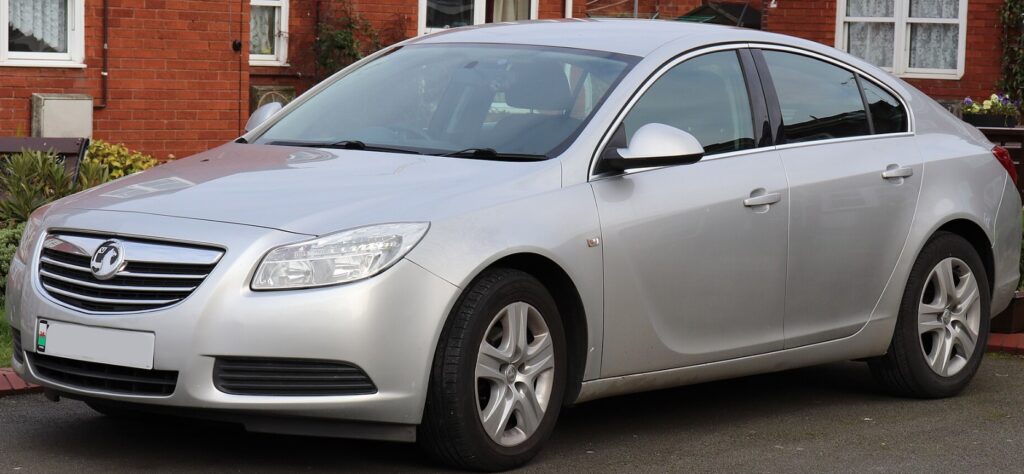
If your Vauxhall Insignia clutch pedal suddenly feels soft, sticks to the floor, or refuses to disengage the gears, there's a good chance the clutch master cylinder is to blame. This small hydraulic component plays a massive role in your car's clutch system, converting pedal pressure into hydraulic force that operates the clutch.
Although it isn't the most glamorous part of your Insignia, the clutch master cylinder is one of those components you never think about—until it fails. When it does, even a perfectly healthy clutch can become impossible to use.
In this guide, we'll explore everything we need to know about Vauxhall Insignia clutch master cylinder replacement, including warning signs, replacement costs, repair steps, common mistakes, and tips to keep the hydraulic system working smoothly for years.
Content in this publication
- What Does the Clutch Master Cylinder Do?
- Signs Your Vauxhall Insignia Needs a Clutch Master Cylinder Replacement
- Why Do Clutch Master Cylinders Fail?
- Can You Drive with a Bad Clutch Master Cylinder?
- Average Replacement Cost
- Why Is Replacement So Expensive?
- Can You Replace It Yourself?
- Tools You'll Need
- Step-by-Step Replacement Overview
- How Long Does Replacement Take?
- Should You Replace the Slave Cylinder Too?
- Common Mistakes to Avoid
- How to Extend Master Cylinder Life
- Final Thoughts
What Does the Clutch Master Cylinder Do?
Think of the clutch master cylinder as the heart of your clutch's hydraulic system. Every time we press the clutch pedal, the master cylinder pushes hydraulic fluid through a line toward the slave cylinder.
The slave cylinder then disengages the clutch, allowing us to change gears smoothly.
Without enough hydraulic pressure, the clutch simply cannot work properly.
The master cylinder consists of:
- A piston
- Internal seals
- Hydraulic chamber
- Brake fluid reservoir connection
- Push rod attached to the clutch pedal
Over time, seals wear out, fluid leaks develop, and pressure is lost.
Signs Your Vauxhall Insignia Needs a Clutch Master Cylinder Replacement
Recognizing the symptoms early can save us from getting stranded.
1. Clutch Pedal Goes to the Floor
One of the most common symptoms is a clutch pedal that suddenly sinks with very little resistance.
Instead of feeling firm, it feels almost weightless.
This usually means hydraulic pressure has escaped.
2. Difficulty Changing Gears
If selecting first or reverse becomes difficult—even with the clutch fully depressed—the hydraulic system may not be releasing the clutch completely.
Many owners mistake this for gearbox failure when the culprit is actually the master cylinder.
3. Fluid Leaking Inside the Cabin
Unlike many hydraulic leaks that appear under the vehicle, a failing clutch master cylinder often leaks inside the driver's footwell.
Wet carpet near the clutch pedal is a classic warning sign.
Hydraulic fluid also leaves an oily residue.
4. Low Brake Fluid Level
Most Insignia models share the brake fluid reservoir with the clutch system.
A dropping brake fluid level without visible brake leaks can indicate the clutch hydraulic system is leaking.
Always investigate before simply topping it up.
5. Clutch Pedal Doesn't Return
If the pedal stays halfway down after changing gear, internal seals may no longer be holding pressure.
Sometimes pumping the pedal temporarily restores operation.
Unfortunately, that's usually only a short-term fix.
Why Do Clutch Master Cylinders Fail?
Like any hydraulic component, age eventually catches up.
Common causes include:
- Worn internal rubber seals
- Contaminated brake fluid
- Moisture inside the hydraulic system
- Corrosion
- High mileage
- Poor maintenance
- Internal scoring of the cylinder bore
Heat from years of driving also accelerates seal deterioration.
Can You Drive with a Bad Clutch Master Cylinder?
Technically?
You may be interested in reading Vauxhall Insignia Clutch Replacement: Complete Guide to Costs, Symptoms, and What to Expect
Sometimes.
Should you?
Absolutely not.
The failure often starts gradually before becoming complete without warning.
One day the pedal feels slightly soft.
The next day it stays on the floor.
If the hydraulic pressure disappears completely, changing gear becomes almost impossible.
Driving in this condition is unsafe.
Average Replacement Cost
Replacement costs depend on labour rates and whether genuine or aftermarket parts are used.
Typical UK prices include:
| Item | Estimated Cost |
|---|---|
| Master cylinder | £45–£140 |
| Brake fluid | £10–£20 |
| Labour | £250–£600 |
| Total | £320–£750 |
The labour cost is surprisingly high because access is extremely limited.
Why Is Replacement So Expensive?
Unlike many cars where the master cylinder sits openly on the firewall, the Insignia's design makes access difficult.
Depending on engine and model year, technicians may need to remove:
- Steering column
- Dashboard sections
- Centre console
- Brake servo
- Various trim panels
This explains why labour often exceeds the cost of the actual part.[1]
Can You Replace It Yourself?
Experienced DIY mechanics certainly can.
However, this isn't considered a beginner-friendly repair.
The job requires:
- Patience
- Good mechanical knowledge
- Proper bleeding equipment
- Interior trim removal tools
- Torque wrench
- Plenty of workspace
Expect several hours for the repair.
Professional technicians usually complete it much faster.
Tools You'll Need
A successful replacement generally requires:
- Socket set
- Ratchet extensions
- Torx bits
- Open-ended spanners
- Trim removal kit
- Brake bleeding kit
- Brake fluid (DOT 4)
- Protective gloves
- Shop towels
- Flashlight
Having everything ready beforehand prevents unnecessary delays.
Step-by-Step Replacement Overview
While procedures vary slightly between Insignia generations, the overall process follows a similar pattern.
Step 1: Disconnect the Battery
Always isolate electrical power before working around dashboard components.
Step 2: Remove Interior Panels
Access usually starts by removing lower dashboard trims around the driver's side.
Some models require additional centre console removal.
Step 3: Disconnect the Clutch Pedal Linkage
The push rod connecting the master cylinder to the clutch pedal must be released carefully.
Avoid damaging retaining clips.
You may be interested in readingVauxhall Insignia Clutch Replacement: Complete Guide to Costs, Symptoms, and What to ExpectYou may be interested in reading
Vauxhall Insignia Oil Type: The Complete Guide to Choosing the Right Engine OilStep 4: Disconnect Hydraulic Lines
Place absorbent cloths underneath.
Brake fluid damages paint quickly.
Step 5: Remove the Old Cylinder
Once mounting bolts are removed, the master cylinder can be withdrawn from its housing.
Depending on the model, access may still be extremely tight.[2]
Step 6: Install the New Component
Fit the replacement in reverse order.
Ensure:
- Correct push rod alignment
- Secure hydraulic connection
- Proper bolt torque
- New seals if supplied
Never reuse damaged O-rings.
Step 7: Bleed the Hydraulic System
Bleeding removes trapped air.
Without proper bleeding:
- Pedal remains soft
- Gears become difficult
- Clutch disengagement stays incomplete
Pressure or vacuum bleeding generally produces the best results.[3]
How Long Does Replacement Take?
Professional garages typically allow:
- 4–7 hours
DIY mechanics often spend:
- 6–10 hours
The difference comes down to familiarity with dashboard removal.
Should You Replace the Slave Cylinder Too?
If your vehicle has covered well over 100,000 miles, replacing both hydraulic cylinders together is often worthwhile.
Benefits include:
- Balanced wear
- Improved reliability
- Reduced future labour
- Fresh hydraulic seals throughout
Considering the labour involved, many mechanics recommend doing both during the same repair.
Common Mistakes to Avoid
Replacing the clutch master cylinder isn't especially complicated, but several mistakes can create new problems.
Avoid:
- Mixing brake fluid types
- Forgetting to bleed thoroughly
- Damaging trim clips
- Overtightening hydraulic fittings
- Allowing dirt into hydraulic lines
- Ignoring fluid leaks after installation
Cleanliness is absolutely essential when working on hydraulic systems.
How to Extend Master Cylinder Life
Although wear is inevitable, proper maintenance helps maximize lifespan.
Good habits include:
- Replace brake fluid every two years
- Fix leaks immediately
- Avoid resting your foot on the clutch pedal
- Use quality replacement parts
- Keep the hydraulic reservoir clean
- Inspect pedal feel regularly
Small preventative steps often delay expensive repairs.
Final Thoughts
Replacing the Vauxhall Insignia clutch master cylinder is one of those repairs that looks simple on paper but demands patience, careful disassembly, and attention to detail. The part itself is relatively affordable, yet labour costs can be significant because of the restricted access behind the dashboard and pedal assembly.
By recognizing early warning signs such as a soft clutch pedal, fluid leaks in the driver's footwell, or difficulty selecting gears, we can address the problem before it leads to complete hydraulic failure. Whether we choose a professional garage or tackle the repair ourselves, using quality parts, bleeding the system correctly, and inspecting the rest of the clutch hydraulics will ensure smooth, reliable gear changes for many miles ahead.
Frequently Asked Questions
1. Can a clutch master cylinder fail without leaking?
Yes. Internal seal wear can reduce hydraulic pressure even when there is no visible external leak.
2. Is bleeding the clutch necessary after replacement?
Absolutely. Air trapped in the hydraulic system will prevent the clutch from operating correctly.
3. How long does a clutch master cylinder last?
Many last between 80,000 and 150,000 miles, depending on driving conditions and maintenance.
You may be interested in readingVauxhall Insignia Clutch Replacement: Complete Guide to Costs, Symptoms, and What to ExpectYou may be interested in reading
Vauxhall Insignia Oil Type: The Complete Guide to Choosing the Right Engine OilYou may be interested in reading
Vauxhall Insignia Timing Chain Replacement Cost: Complete UK Price Guide4. Can a bad master cylinder damage the clutch?
Not directly, but incomplete disengagement can accelerate wear on the clutch disc and gearbox synchronizers.
5. Should I replace the clutch while replacing the master cylinder?
Only if the clutch is already worn or the gearbox is being removed for other repairs.
If you want to know other articles similar to Vauxhall Insignia Clutch Master Cylinder Replacement: Complete Guide to Symptoms, Costs, and DIY Tips you can visit the category Service and Parts.
Audi A4 Gearbox Oil: Complete Guide to Types, Changes, Levels, and Common Problems
Audi A4 Gearbox Replacement Cost: What Should We Expect to Pay?
Audi A4 Gearbox Service: What It Includes, When to Do It, and Why It Matters
Audi A4 Windscreen Replacement Cost: What Should You Expect to Pay?
Audi A4 Oil Capacity: Complete Guide by Engine and Model

Hyundai Palisade Warning Lights: Complete Dashboard Guide
Leave a Reply
More content of your interest