

Vauxhall Insignia Clutch Replacement: Complete Guide to Costs, Symptoms, and What to Expect

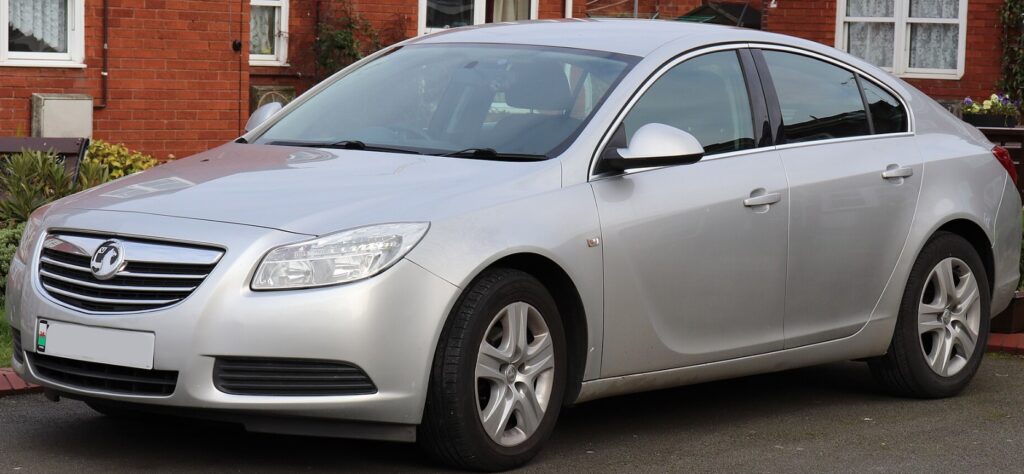
The clutch is one of the hardest-working components in any manual Vauxhall Insignia. Every gear change, every hill start, and every journey through stop-and-go traffic depends on it doing its job flawlessly. Like a pair of comfortable running shoes, though, even the best clutch eventually wears out. The good news? Replacing it at the right time can restore your Insignia's smooth performance and prevent more expensive repairs later.
In this guide, we'll walk through everything you need to know about a Vauxhall Insignia clutch replacement, from identifying the warning signs to understanding replacement costs, choosing the right clutch kit, and deciding whether it's worth tackling the job yourself.
Content in this publication
- Why the Clutch Is So Important
- How Long Does a Vauxhall Insignia Clutch Last?
- Common Symptoms of a Worn Clutch
- What Causes Clutch Wear?
- What's Included in a Clutch Replacement?
- Average Vauxhall Insignia Clutch Replacement Cost
- How Long Does the Job Take?
- Can You Replace the Clutch Yourself?
- What Happens During the Replacement?
- Choosing the Right Clutch Kit
- Should You Replace the Slave Cylinder Too?
- Tips to Make Your New Clutch Last Longer
- How to Know the Repair Was Done Correctly
- Final Thoughts
- Frequently Asked Questions
Why the Clutch Is So Important
Think of the clutch as the bridge between your engine and your gearbox. It temporarily disconnects engine power whenever you press the clutch pedal, allowing you to change gears without damaging the transmission.
Without a healthy clutch, even the most powerful engine becomes frustrating to drive. Gear changes become difficult, acceleration suffers, and fuel efficiency can decline.
The Vauxhall Insignia, especially diesel variants with higher torque, places considerable stress on the clutch assembly over thousands of miles. That's why proper maintenance and timely replacement are essential.
How Long Does a Vauxhall Insignia Clutch Last?
There's no magic mileage where every clutch fails. Instead, lifespan depends heavily on driving habits.
On average, most Insignia clutches last:
- 70,000–120,000 miles under normal driving
- 50,000–70,000 miles with frequent city traffic
- 120,000+ miles if mainly driven on motorways
Several factors influence longevity:
- Riding the clutch pedal
- Heavy towing
- Aggressive acceleration
- Hill starts
- Carrying heavy loads
- Poor driving technique
Drivers who release the clutch smoothly and avoid unnecessary slipping often enjoy significantly longer clutch life.
Common Symptoms of a Worn Clutch
The clutch usually doesn't fail overnight. Instead, it gives several warning signs before complete failure.
Slipping Clutch
One of the first symptoms is clutch slip.
You'll notice:
- Engine revs increase
- Speed doesn't increase proportionally
- Poor acceleration
- Burning smell after heavy acceleration
This happens because the friction material has worn too thin to grip the flywheel properly.
Difficulty Changing Gears
A worn clutch may struggle to disengage fully.
Symptoms include:
- Crunching gears
- Hard gear selection
- Reverse gear difficult to engage
- Gearstick feels stiff
Many drivers mistake these symptoms for gearbox problems when the clutch is actually responsible.
High Clutch Bite Point
If the clutch only starts engaging near the very top of the pedal travel, it's usually nearing the end of its service life.
Although not always an emergency, it's often a sign replacement isn't far away.
Soft or Spongy Clutch Pedal
Hydraulic problems may create:
- Soft pedal feel
- Pedal sticking to the floor
- Inconsistent engagement
- Difficulty selecting gears
Sometimes the issue is simply the clutch master or slave cylinder rather than the clutch disc itself.
What Causes Clutch Wear?
Every time we change gear, tiny amounts of friction material wear away.
Normal wear is unavoidable, but several habits speed it up dramatically.
Poor Driving Habits
These include:
- Resting your foot on the pedal
- Holding the car on hills using the clutch
- Excessive slipping
- Rapid launches
Even small habits repeated daily can shorten clutch life by tens of thousands of miles.
Heavy Towing
Many Insignia owners tow caravans or trailers.
While the car handles towing well, repeatedly pulling heavy loads increases clutch temperatures and accelerates wear.
Stop-Start Traffic
City driving creates far more clutch use than motorway cruising.
Hundreds of clutch engagements during daily commuting eventually add up.
What's Included in a Clutch Replacement?
Many people think replacing the clutch means changing only one part.
In reality, most garages install a complete clutch kit containing:
- Clutch friction disc
- Pressure plate
- Release bearing
- Alignment components
Replacing every wear item together prevents future labour costs.
Should the Flywheel Be Replaced Too?
Many diesel Insignias use a dual-mass flywheel (DMF).
The DMF absorbs engine vibration, making the car quieter and smoother.
Unfortunately, it also wears out.
Signs of a failing DMF include:
- Rattling at idle
- Vibration
- Knocking noises
- Difficult gear engagement
Because removing the gearbox is the most expensive part of the repair, many mechanics recommend replacing the DMF while the gearbox is already removed if wear is evident.
Average Vauxhall Insignia Clutch Replacement Cost
Replacement costs vary considerably depending on:
- Engine size
- Petrol or diesel
- Manual transmission
- Flywheel condition
- Labour rates
- Genuine or aftermarket parts
Typical UK costs include:
| Repair | Estimated Cost |
|---|---|
| Clutch kit only | £500–£800 |
| Clutch + DMF | £900–£1,500 |
| Hydraulic slave cylinder | £150–£350 extra |
Premium components from manufacturers like LuK or Sachs often cost more initially but generally provide better longevity.
How Long Does the Job Take?
Replacing the clutch isn't a quick repair.
Most garages require:
- 6–9 hours labour
- Sometimes a full working day
- Longer if corrosion or seized bolts are encountered
Since the gearbox must be removed, labour forms a large percentage of the total bill.
Can You Replace the Clutch Yourself?
If you're an experienced DIY mechanic with access to professional equipment, it's certainly possible.
However, it's one of the more challenging repairs on the Insignia.
You'll need:
- Vehicle lift or strong axle stands
- Transmission jack
- Engine support bar
- Torque wrench
- Clutch alignment tool
- Considerable mechanical experience
For most owners, professional installation is the safer choice.
What Happens During the Replacement?
The repair generally follows these steps:
- Disconnect the battery.
- Remove undertrays.
- Drain gearbox oil if required.
- Disconnect driveshafts.
- Remove gearbox.
- Inspect flywheel.
- Remove old clutch.
- Install new clutch kit.
- Replace release bearing.
- Refit gearbox.
- Bleed hydraulic system.
- Road test the vehicle.
Every step requires precision because even minor alignment errors can shorten clutch life.
Choosing the Right Clutch Kit
Not every replacement clutch offers the same quality.
Look for trusted manufacturers such as:
- LuK
- Sachs
- Valeo
- Exedy
Cheap kits may save money today but often wear more quickly or create vibration issues.
Matching the clutch to your specific engine code is equally important.
Should You Replace the Slave Cylinder Too?
Absolutely.
Many Insignia models use a concentric slave cylinder mounted inside the gearbox.
Since replacing it later requires removing the gearbox again, replacing it during clutch installation usually saves hundreds of pounds in future labour.
Tips to Make Your New Clutch Last Longer
Once your new clutch is installed, a few simple habits can dramatically increase its lifespan.
Avoid Riding the Clutch
Keep your foot completely off the pedal unless changing gear.
Use the Handbrake on Hills
Holding the car with the clutch creates excessive heat.
Use the handbrake instead.
Shift Smoothly
Quick, smooth gear changes reduce unnecessary friction.
Don't Overload the Vehicle
Heavy loads increase strain on both the clutch and flywheel.
Avoid Aggressive Launches
Wheel-spinning starts might feel exciting, but they generate tremendous heat that shortens clutch life.
How to Know the Repair Was Done Correctly
A properly installed clutch should feel:
- Smooth
- Quiet
- Progressive
- Easy to modulate
You shouldn't experience:
- Gear crunching
- Pedal vibration
- Burning smell
- Slipping
- Juddering
If any of these appear immediately after replacement, return to the garage promptly.
Final Thoughts
A Vauxhall Insignia clutch replacement is one of the most significant maintenance jobs you'll face as the vehicle ages, but it's also one of the most rewarding. Once completed with quality parts and professional workmanship, the car often feels dramatically better to drive. Gear changes become crisp, acceleration improves, and everyday driving regains the smoothness the Insignia is known for.
Rather than waiting until complete clutch failure leaves you stranded, paying attention to early warning signs can save money and reduce the risk of damaging the flywheel or gearbox. Whether your Insignia is a reliable family estate, a motorway cruiser, or a daily commuter, investing in a quality clutch replacement ensures many more miles of dependable motoring.
Frequently Asked Questions
1. How much does a Vauxhall Insignia clutch replacement cost?
Most UK drivers can expect to pay between £500 and £800 for a clutch replacement alone, while replacing the dual-mass flywheel at the same time can increase the total to £900–£1,500, depending on the model and labour rates.
2. How long should an Insignia clutch last?
Typically between 70,000 and 120,000 miles, although driving style and road conditions play a major role.
3. Should I replace the flywheel with the clutch?
If the flywheel shows signs of wear, replacing it during the clutch job is often the most cost-effective option because the gearbox is already removed.
4. Can I drive with a slipping clutch?
It's possible for a short period, but continued driving can worsen the damage and eventually leave the vehicle unable to move.
5. Is replacing an Insignia clutch a DIY job?
Only if you have advanced mechanical experience and specialist tools. For most owners, professional installation is recommended.
If you want to know other articles similar to Vauxhall Insignia Clutch Replacement: Complete Guide to Costs, Symptoms, and What to Expect you can visit the category Service and Parts.
Nissan Rogue Oil Change Cost: Prices, Service Options, and What to Expect
Nissan Rogue Key Battery Replacement: Easy Step-by-Step Guide
Nissan Rogue Oil Change Interval: Complete Guide by Model Year
Nissan Rogue Brake Pads and Rotors Cost: Complete 2026 Guide

Kia Sorento Service Reset: How to Reset the Service Light
Kia Sorento Fuel Tank Capacity: Gallons, Litres and Model Differences
Leave a Reply
More content of your interest